
Unwind and Flow: The Ultimate Guide to Yoga Music Instrumental for Your Practice
The yoga mat is more than just a place to stretch; it's a personal sanctuary. In our busy world, finding that quiet space to tune in can feel like a challenge. But the right soundtrack can make all the difference. This guide is all about finding that perfect yoga music instrumental, the kind that helps you tune out the noise and tune into yourself. We'll look at why instrumental tracks work best, what sounds to look for, and how to pick music that fits your practice, whether you're flowing through a Vinyasa or holding a deep Yin pose. It's about creating an atmosphere where you can truly unwind and just be.
Key Takeaways
- Instrumental yoga music is preferred because lyrics can distract the brain, pulling focus away from the practice and internal experience.
- Different styles of yoga benefit from different types of instrumental music: Vinyasa often pairs well with gentle rhythms, Yin with ambient soundscapes, and Restorative poses with very soft, minimalist tracks.
- Neoclassical piano offers an emotional core, ambient and drone sounds create a sense of space for deep meditation, and biophilic soundscapes connect you to nature.
- Beyond the mat, instrumental music can help with focus during deep work, reduce anxiety, and improve sleep by signaling relaxation to the body.
- When choosing yoga music instrumental, consider tempo (slower is generally better for relaxation), the absence of lyrics, and the overall mood the music creates to support your practice.
The Power Of Instrumental Yoga Music
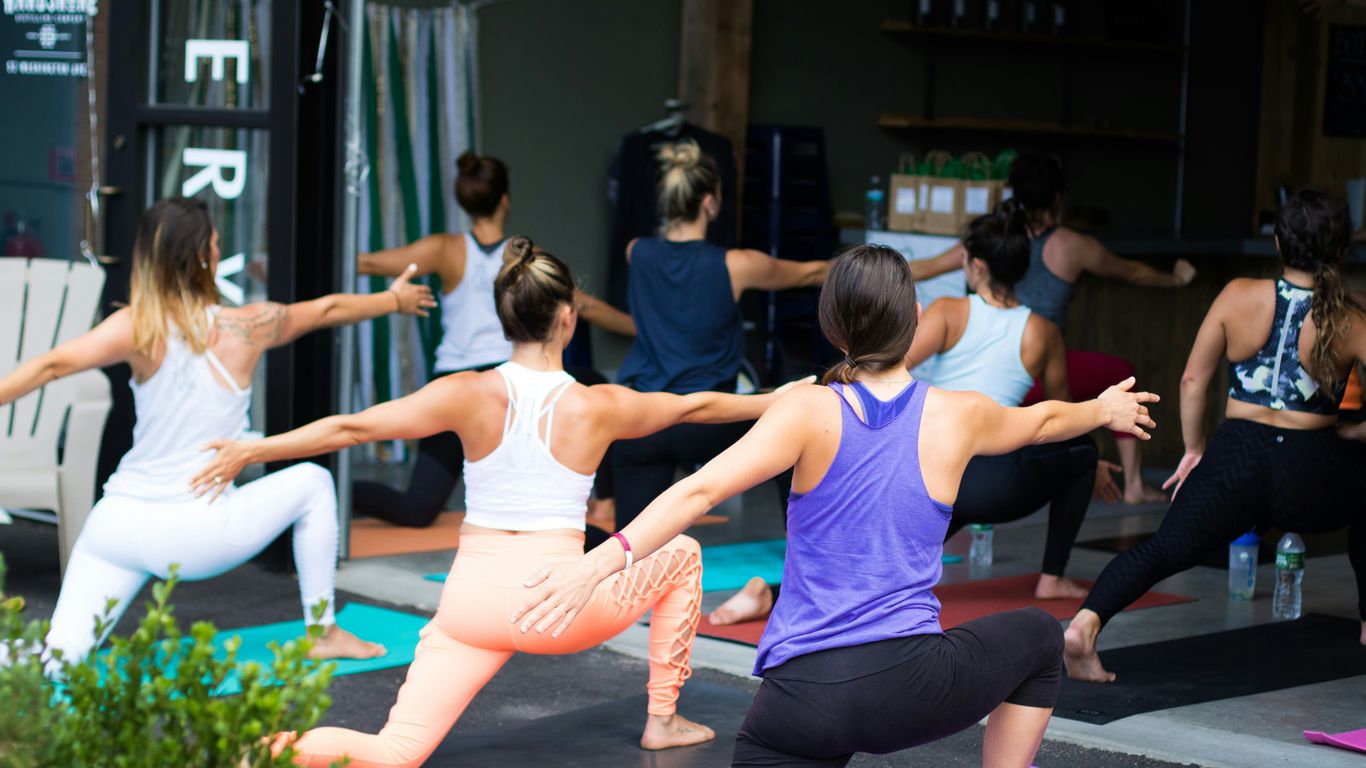
Stepping onto your yoga mat is like entering a different world, isn't it? It's your personal space to disconnect from the daily hustle and reconnect with yourself. But creating that peaceful atmosphere isn't just about the physical space; it's also about what you hear. The right soundtrack can really make a difference, guiding you through your practice and helping you find that inner calm. It's amazing how sound can shape our experience, turning a simple room into a sanctuary.
Why Lyrics Detract From Your Practice
Think about it: when words are playing, your brain naturally wants to process them. You might catch a phrase, analyze the story, or even get caught up in the singer's emotion. This mental activity pulls your focus away from what's happening on the mat and inside you. It's like trying to meditate with the TV on in the background – it just doesn't quite work. Lyrics create a cognitive load that can pull you out of the present moment. Instead of getting lost in your breath and movement, you're subtly engaged with an external narrative. This is why instrumental music is often preferred for yoga; it bypasses the language centers of the brain, allowing for a more direct connection to your inner experience.
The Cognitive Benefits Of Wordless Soundscapes
When you remove lyrics, you open up a different kind of listening. Instrumental music, especially the kind designed for relaxation, speaks more directly to our emotional centers. It can help quiet the mental chatter that often accompanies our busy lives. Studies suggest that listening to calming, wordless music can actually help reduce stress hormones and promote a sense of well-being. It's a way to create a mental buffer against the outside world, allowing for deeper concentration and a more profound sense of peace. This kind of audio environment is incredibly useful for managing stress and improving focus, making it a great tool for achieving a sense of peace.
Creating A Sanctuary Through Sound
Music has a powerful ability to transform a space. For your yoga practice, instrumental tracks can build a sonic cocoon, separating you from distractions and helping you settle into your practice. Whether it's the gentle strum of a guitar, the soft keys of a piano, or the subtle textures of ambient sound, these elements work together to create an immersive environment. This carefully crafted soundscape can make your practice feel more intentional and sacred, turning your mat into a true haven. It's about building an atmosphere that supports your journey inward, making your time on the mat a truly restorative experience. This kind of curated sound is essential for cultivating tranquil environments, especially in wellness settings.
Here's how different types of instrumental music can contribute:
- Neoclassical Piano: Offers emotional depth and a gentle focal point.
- Ambient & Drone: Creates a sense of timelessness and deep stillness.
- Biophilic Soundscapes: Connects you to nature, promoting grounding.
The right music doesn't just fill the silence; it actively shapes your internal landscape, making the practice space feel more intentional and supportive. It's a subtle yet potent tool for deepening your connection to yourself.
Sonic Ingredients For Deeper Practice
When we talk about the perfect playlist for yoga, it’s not just about throwing together gentle tunes. Every piece of music in your session serves a clear purpose, setting the stage for movement, reflection, or stillness. Let’s break down the details of the three key musical styles that make up a truly supportive background for your practice.
Neoclassical Piano: The Emotional Core
Neoclassical piano will quickly become a favorite if you love music that feels personal and real. There’s something about the soft, felted notes that feels immediate—almost like the pianist is in the room with you, guiding you through a challenging pose. This type of piano playing isn’t about complex melodies. It’s about slow, repeated patterns that help anchor your mind when you’re holding Warrior II for what feels like an eternity.
Some key features:
- Warm, unhurried melodies that never feel pushy
- Little or no percussion, letting your breath be the rhythm
- Accessible even if you don’t know anything about classical music
Many find that neoclassical piano is best during balancing postures or when transitions need an extra sense of calm and grounding.
Ambient And Drone: Embracing The Void
Ambient and drone tracks are all about texture—not melody. These long, slowly-shifting waves of sound let you lose track of time, which is exactly what you want in longer-held poses or meditation. There are no catchy hooks to distract you, and no tempo to rush your breath.
What makes ambient music stand out for practice:
- No clear structure, so your mind can float
- Consistent volume, so there are no surprises
- Sometimes blends with the sound of your own breath
If you’re curious about how this works on a deeper level, you might find that the right ambient sound supports your natural brain rhythms, as discussed in the benefits of music and sound on your mental state.
Biophilic Soundscapes: Connecting With Nature
Biophilic soundscapes bring in elements from outside—think rainfall, ocean waves, or distant birdsong—layered gently under the music. It’s not just background noise; it’s a subtle way to connect your indoor practice with the natural world, even if you’re on the 10th floor of an apartment building.
Here’s why nature sounds can change your practice:
- They signal safety and peace to your nervous system
- Even faint nature cues help you feel rooted, less anxious
- Nature sounds support that “time slows down” feeling during restorative poses
| Ingredient | Use Case(s) | Main Benefit |
|---|---|---|
| Neoclassical Piano | Standing/balance | Emotional focus and grounding |
| Ambient & Drone | Yin, Meditation | Timelessness; softens mental edges |
| Biophilic Soundscapes | Restorative, Savasana | Nature connection and relaxation |
Bringing these elements together creates an environment where you can move, sit, or simply breathe without distraction. The right mix makes it feel like you’ve left everyday stress at the door—even if you’re just in your living room.
Curating Your Perfect Yoga Music Instrumental Playlist
So, you've got your mat, your comfy clothes, and you're ready to get your yoga on. But what about the sound? Picking the right tunes can really change your whole practice, you know? It's not just about having background noise; it's about creating a vibe that helps you move and breathe.
Think of your playlist like a journey. You want to start slow, build up a bit, and then wind down. It’s like a musical pyramid. The base is for when you're just settling in, maybe doing some deep breathing. You want something calm and simple here, nothing with words to pull your attention away. Then, as you get into your flow, you might want something with a bit more rhythm, but still smooth. Finally, for those quiet moments or Savasana, you need something really peaceful.
Here’s a rough idea of how to structure it:
- Warm-up & Breathwork: Gentle, ambient sounds, maybe 60-70 BPM. Think soft piano or nature sounds.
- Vinyasa Flow: Music that has a steady, flowing rhythm, around 70-90 BPM. It should feel like it's moving with you.
- Cool-down & Restorative: Very slow, minimalist pieces, often under 70 BPM. This is where you really want to let go.
- Savasana: Silence or extremely subtle, almost imperceptible tones. The goal is deep relaxation.
Matching Music to Your Practice Style
| Yoga Style | Ideal Tempo (BPM) | Music Characteristics |
|---|---|---|
| Vinyasa Flow | 70-90 | Steady rhythm, fluid, uplifting but not distracting |
| Yin Yoga | 60-70 | Ambient, drone, spacious, minimal structure |
| Restorative Yoga | <60 | Very slow, calming, simple melodies, or silence |
| Meditation | N/A (or <60) | Non-intrusive, repetitive, or nature sounds |
It’s all about finding instrumental tracks that speak to you without demanding your attention. You want the music to be a supportive presence, not the main event. If you're looking for a good starting point, check out curated yoga music playlists that are designed for exactly this purpose. They take the guesswork out of building your perfect yoga soundtrack.
Beyond The Mat: Functional Audio For Life
So, you've found your perfect yoga soundtrack, right? But what if I told you that this isn't just for your downward dog sessions? Turns out, the right kind of instrumental music can be a pretty handy tool for, well, life outside of yoga class. Think of it as functional audio, designed to help your brain and body out in practical ways.
Enhancing Focus For Deep Work
Ever find yourself staring at a screen, completely unable to get anything done because your brain feels like a pinball machine? Distractions are everywhere these days. This is where wordless soundscapes really shine. Because there are no lyrics to latch onto, your brain doesn't get sidetracked trying to figure out a story or a message. It just kind of fills the background noise, creating a sort of sonic bubble. This can really help you get into that zone where you're just focused on the task at hand. It's like giving your attention span a gentle nudge in the right direction. For anyone who needs to concentrate, whether you're coding, writing, or just trying to sort through a pile of emails, this kind of music can be a game-changer. It's amazing how yoga training can reshape brain activity, and this music taps into some of those same principles.
Anxiety Relief And Nervous System Reset
Life can get pretty overwhelming sometimes. Deadlines pile up, unexpected bills show up, and suddenly you feel that familiar knot of tension in your chest. When you're feeling frazzled, reaching for this kind of music can be surprisingly effective. It's not a magic cure, of course, but it can help shift your body out of that stressed-out, fight-or-flight mode. The slow tempos and gentle tones signal to your nervous system that it's okay to relax, to switch gears from 'alert' to 'at ease'. It's a way to give yourself a little break, a moment to just breathe and let some of that tension go. It's a much more accessible way to find some calm than, say, booking a last-minute vacation.
Improving Sleep Hygiene With Gentle Tones
Struggling to switch off your brain at night? You're definitely not alone. So many of us lie awake, replaying the day or worrying about tomorrow. This is where those super soft, ambient tracks come in. They can act like a gentle lullaby for your adult brain. Playing them as part of your wind-down routine signals to your body that it's time to prepare for rest. They can also help mask those annoying little noises that tend to pop up when everything else is quiet – the creaky house, the distant siren. It's about creating a peaceful auditory environment that makes it easier to drift off. It's a simple, low-effort way to support better sleep, and honestly, who couldn't use more of that? You can even find apps that help with this, offering guided meditations and sleep sounds.
The right instrumental music doesn't just accompany a practice; it actively shapes your internal state. It's a tool that can be used to calm a busy mind, encourage focus, or prepare the body for rest, extending the benefits of mindfulness far beyond the yoga mat.
Artist Spotlight: Architects Of Ambient Sound
When you're really trying to get into a yoga flow, the right music can make all the difference. It's not just background noise; it's a tool. Some artists have really mastered creating these soundscapes that just work for practice. Let's talk about a few who are doing it exceptionally well.
Martin Böhmer: The Soulful Minimalist
Martin Böhmer's piano pieces are something else. He doesn't throw a million notes at you. Instead, each one feels deliberate, carrying a real emotional weight. It’s like he’s speaking directly to your heart. For yoga, his music is perfect for those moments when you need to open up, like in backbends or chest openers. It feels honest and hopeful, really helping you connect with yourself on a deeper level. His compositions often feel like a gentle, encouraging presence during your practice.
Zazenkai: Crafting Atmospheres of Stillness
Zazenkai, whose name nods to Zen Buddhist meditation, is all about creating space. His tracks aren't just music; they're environments. He uses deep sounds and shimmering textures to build these sonic temples. It’s the kind of sound that makes you feel centered and calm, which is why it’s ideal for the beginning of your practice when you're settling in, and especially for Savasana at the end. It helps you truly let go. You can find some of his work on playlists designed for calming melodies.
Isaac Alstad: Weaving Melodic Fluidity
Isaac Alstad brings a touch of classical influence to his ambient work. His music often features flowing arpeggios that sound a lot like moving water. This natural rhythm makes his tracks a great match for Vinyasa or any sequence where you're focusing on smooth transitions between poses. It helps keep your movement steady and graceful, almost like a musical guide for your breath and body.
These artists, among others, create music that doesn't demand your attention but rather supports your inner journey. They understand that sometimes, the most profound sounds are the ones that create a sense of peace and allow you to simply be present.
Choosing The Right Yoga Music Instrumental
Picking the right instrumental music for your yoga practice can feel like a big deal, but it doesn't have to be complicated. Think of it like choosing the right ingredients for a meal – the wrong ones can throw off the whole dish. The goal is to find sounds that support your movement and help you tune into yourself, not distract you. The best yoga music is the kind you barely notice, yet it perfectly complements your flow.
Ideal Characteristics for Yoga Music
When you're sifting through tracks, keep an eye out for a few key qualities. These aren't hard and fast rules, but more like helpful guidelines to get you started. You want music that feels supportive, not demanding.
- Consistent Tempo: Look for music that maintains a steady pace. Sudden shifts can pull you out of your zone. A consistent rhythm helps you find a groove.
- Minimal Dynamic Range: Avoid music with huge jumps in volume. Big crescendos or sudden quiet moments can be jarring. Smooth, even sound is generally better.
- Absence of Lyrics: As we've talked about, words can pull your focus away from your internal experience. Instrumental tracks let your mind wander where it needs to, without getting caught up in a story.
- Natural or Organic Sounds: Sometimes, incorporating sounds from nature, like gentle rain or birdsong, can add a grounding element. It helps create a sense of peace.
The Role of Tempo in Your Practice
Tempo, or the speed of the music, plays a big part in how you feel and move. It's not just about picking fast or slow; it's about matching the music's pace to the energy of your yoga style.
| Yoga Style | Ideal BPM Range | Typical Feel |
|---|---|---|
| Vinyasa / Flow | 80-120 BPM | Energetic, flowing, building heat |
| Hatha / Alignment | 70-90 BPM | Steady, focused, mindful transitions |
| Yin / Restorative | 50-70 BPM | Slow, deep, introspective, calming |
| Meditation | 40-60 BPM | Very slow, spacious, conducive to stillness |
Remember, these are just starting points. Some people find a slightly faster tempo helps them focus during Yin, or a slower beat helps them settle into Vinyasa. Experimentation is key.
Instrumental Choices for Meditation
Meditation, whether it's a dedicated session or the final Savasana, calls for a specific kind of soundscape. The aim here is to quiet the mind, not to engage it. You want music that creates a sense of spaciousness and calm, allowing your thoughts to drift by without attachment. Think of sounds that feel like a gentle hum or a soft blanket for your ears. Ambient music, with its long, sustained notes and lack of distinct melody, is often a great choice. Simple piano pieces with plenty of space between notes can also work wonders. Ultimately, the best music for meditation is the kind that fades into the background, leaving you free to simply be present. You can find a lot of royalty-free options perfect for this purpose here.
Creating a peaceful atmosphere is about more than just the poses; it's about the environment you build around yourself. The right music acts as a gentle guide, helping you transition from the chaos of the outside world into the quiet sanctuary of your inner space. It's a tool that supports your journey inward, making the practice feel more accessible and profound.
Unroll the Mat, Unwind the Mind
So, we've talked a lot about why instrumental music, especially the kind found on playlists like Klangspot's "Soft Yoga Music," is a game-changer for your practice. It's not just background noise; it's a tool that helps quiet the chatter in your head and lets you focus on what's happening within. Whether you're flowing through Vinyasa, holding deep stretches in Yin, or just trying to relax in Savasana, the right tunes can make a real difference. Think of it as your personal soundtrack for finding that inner calm. So go ahead, dim the lights, roll out your mat, hit play, and just let yourself move. It’s your time to just be.
Frequently Asked Questions
Why is instrumental music better for yoga than music with words?
When you listen to music with words, your brain tries to figure out what the singer is saying. This can take your focus away from your yoga practice. Instrumental music, on the other hand, doesn't have this language part, so it helps you concentrate better on your body and breath, making your practice more peaceful and deep.
What kind of instrumental music works best for yoga?
Music that's calm and not too fast is usually best. Think of gentle piano tunes, ambient sounds that feel like a soft background, or nature sounds. These types of music help you relax and stay focused without being distracting. Music with a slow beat, around 60 to 80 beats per minute, is great for most yoga styles.
How can music help during a challenging yoga pose?
During a tough pose, your mind might start to wander or feel uncomfortable. The right music can act like a comforting friend. Slow, steady instrumental music can give you a rhythm to follow with your breath, helping you stay grounded and making the pose feel more manageable and less intense.
Can I use yoga music for things other than yoga?
Absolutely! This kind of calm, instrumental music is fantastic for many other things. It can help you focus better when you need to do deep work, like studying or writing. It's also great for calming down when you feel stressed or anxious, and it can even help you fall asleep more easily at night.
What's the difference between music for Vinyasa and Yin yoga?
For Vinyasa, which is about flowing with your breath, you'll want music with a gentle, steady beat that helps you keep moving smoothly. For Yin yoga, where you hold poses for a longer time, music that's more ambient and spacious works well. It helps you sink deeper into the stretch without a strong rhythm to follow.
How does music affect my body during yoga?
Calm, slow music can actually help your body relax. It can lower your heart rate and blood pressure, and reduce stress hormones. This helps your nervous system switch from a 'fight or flight' mode to a more relaxed 'rest and digest' mode, making your yoga practice more healing and rejuvenating.


