

Master Your Flow: A 30-Day Yoga Challenge for All Levels
Thinking about starting a yoga practice or looking for a way to get back into it? A 30-day yoga challenge can be just the thing. It's a great way to build a consistent habit, explore different styles of yoga, and see how it makes you feel, both physically and mentally. Whether you're a total beginner or have some experience, there's a challenge out there for you. Let's dive into what makes these challenges so effective.
Key Takeaways
- A 30-day yoga challenge is a fantastic way to build a regular yoga habit.
- Many challenges, like those from Yoga with Adriene, cater to all levels, from beginners to experienced practitioners.
- These challenges often incorporate various yoga styles, including flows, mobility work, and restorative poses.
- Consistency is more important than perfection; don't get discouraged if you miss a day.
- Focusing on your breath and listening to your body are core principles to get the most out of your practice.
1. Yoga With Adriene Flow
When you think about starting a consistent yoga practice, the name Yoga With Adriene often comes up. Adriene Mishler has built a massive community around her accessible and welcoming approach to yoga, especially through her popular 30-day challenges. These aren't just random collections of videos; they're carefully curated journeys designed to guide you through different aspects of yoga, from building strength to finding calm.
The core idea behind these challenges is to make yoga a regular part of your life, not just a one-off activity. Whether you're a complete beginner or have been practicing for years, there's something in her FLOW challenge for you. She's really good at explaining things clearly, so you don't feel lost, and she always reminds you to listen to your own body. That's super important, right?
Here’s a little breakdown of what you might experience:
- Variety of Practices: You'll encounter different styles, from energizing sequences to gentle stretches.
- Mindful Movement: Emphasis on connecting your breath with your body's movements.
- Self-Discovery: An opportunity to check in with yourself and build a positive habit.
- Accessibility: Modifications are usually offered, making it suitable for various fitness levels.
These 30-day journeys are fantastic for establishing a routine. They often include practices focused on waking up your body in the morning or winding down in the evening. You'll find sequences that might feel like a chair yoga session, focusing on gentle movements, and others that build heat and stamina.
It's amazing how much you can learn and feel in just 30 days. Many people, like Alicia Valenski, have shared how a month of consistent practice with Adriene has positively impacted their well-being. It's more than just poses; it's about creating a space for yourself each day. If you're looking for a structured way to begin or deepen your yoga journey, exploring one of Adriene's 30-day yoga challenges is a great place to start.
2. 30 Day Yoga Journey
Embarking on a 30-day yoga journey is a fantastic way to build consistency and see real progress. It's not just about striking a few poses; it's about showing up for yourself every single day, even when you don't feel like it. This commitment can really shift things, both on and off the mat. You'll start noticing small changes first – maybe you feel a little more flexible, or perhaps your mind feels a bit clearer. The real magic happens when you stick with it.
Think of it like this:
- Week 1: Foundations. Focus on getting comfortable with basic poses and understanding how your body moves. It's all about building confidence.
- Week 2: Building Stamina. You'll start to hold poses longer and move through sequences with more ease. Your strength and endurance will begin to grow.
- Week 3: Deepening the Practice. This is where you might explore more challenging variations and really start to feel the benefits of consistent effort.
- Week 4: Integration. By now, yoga should feel more natural. You'll be able to flow more smoothly and appreciate the mental calm that comes with it.
It's totally normal to have days where you feel wobbly or your mind wanders. That's part of the process! The goal isn't perfection, it's participation. Even a short practice is better than none. This challenge is a great way to start your yoga journey and see what you're capable of.
Remember, this isn't about competition or comparing yourself to others. It's a personal journey of self-discovery and building a healthy habit that can last a lifetime. Be patient and kind to yourself throughout the process.
Many people find that a structured 30-day program helps keep them motivated. You might discover new favorite poses or sequences you wouldn't have tried otherwise. Just showing up is the biggest win.
3. Morning Mobility Flow
Waking up can be tough, right? Sometimes the thought of getting out of bed feels like a workout in itself. That's where a gentle morning mobility flow comes in. It's not about breaking a sweat, but about easing your body into the day, getting those joints moving, and shaking off any stiffness from sleep. Think of it as a quiet conversation with your body before the world starts demanding your attention.
This short routine is designed to wake up your muscles and joints gently. It helps prepare you for the day ahead, whether that's a busy workday or just your usual routine. Even just five to ten minutes can make a noticeable difference in how you feel.
Here’s a simple sequence to get you started:
- Cat-Cow Spinal Flow: Start on your hands and knees. As you inhale, drop your belly, arch your back, and look up (Cow). As you exhale, round your spine, tuck your chin, and draw your navel in (Cat). Repeat this for 5-8 breaths, linking your movement with your breath.
- Thread the Needle: From hands and knees, inhale and reach one arm up towards the ceiling. Exhale and sweep that arm under your chest, bringing your shoulder and ear towards the mat. Hold for a few breaths, then repeat on the other side.
- Child's Pose: Sink your hips back towards your heels, resting your forehead on the mat. Extend your arms forward or rest them alongside your body. Breathe deeply here for at least 30 seconds.
- Gentle Twists: Lying on your back, bring your knees towards your chest. Drop both knees to one side, keeping your shoulders grounded. Hold for a few breaths, then switch sides.
This practice is about setting a positive tone for your day. It's a moment of self-care that doesn't require a lot of time or energy, just a willingness to connect with your body.
Incorporating a morning mobility flow can really change your outlook. It's a way to build a sustainable habit that supports your physical well-being. You can find many beginner-friendly routines online that offer simple sequences to help you feel better and integrate these movements into your daily life discover beginner-friendly mobility exercises.
Remember, the goal isn't perfection, it's presence. Just showing up for yourself, even for a few minutes, is a win. This routine offers a 10-minute morning mobility sequence select a breathing practice or a lower body stretch to start your day, aiming to improve flexibility and prepare your body.
4. Vinyasa Flow Sequence
Vinyasa means "to place in a special way," and in yoga, it refers to linking breath with movement. This creates a dynamic, flowing practice that can feel like a moving meditation. It's not just about striking a pose; it's about the journey between poses, guided by your inhales and exhales. This continuous movement builds internal heat, which can help detoxify the body and improve circulation.
A typical Vinyasa sequence might look something like this:
- Warm-up: Start with gentle movements like Cat-Cow or wrist circles to prepare the body.
- Sun Salutations: Often, a Vinyasa flow will incorporate Sun Salutations (Surya Namaskar) to build heat and energy.
- Standing Poses: Move through a series of standing poses, linking them with breath. Think Warrior poses, Triangle, and Extended Side Angle.
- Seated Poses: Transition to the floor for seated postures, perhaps including twists or forward folds.
- Cool-down: Wind down with gentle stretches and end in Savasana (Corpse Pose) for relaxation.
Here's a simplified example of how poses can be linked:
| Pose 1 | Breath | Pose 2 | Breath | Pose 3 | Breath | Pose 4 |
|---|---|---|---|---|---|---|
| Mountain Pose | Inhale | Upward Salute | Exhale | Forward Fold | Inhale | Halfway Lift |
| Exhale | Plank | Exhale | Chaturanga | Inhale | Upward Dog | Exhale |
Remember, the beauty of Vinyasa is its adaptability. You can modify poses to suit your level and focus on what feels good in your body. It's a practice that truly connects your mind, body, and breath, making it a powerful way to build strength and flexibility.
The key is to move with intention. Pay attention to the transitions between poses. How does your body feel as you shift weight? What sensations arise as you deepen a stretch? This mindful awareness is what transforms a series of poses into a true Vinyasa flow.
5. Slow Flow Practice
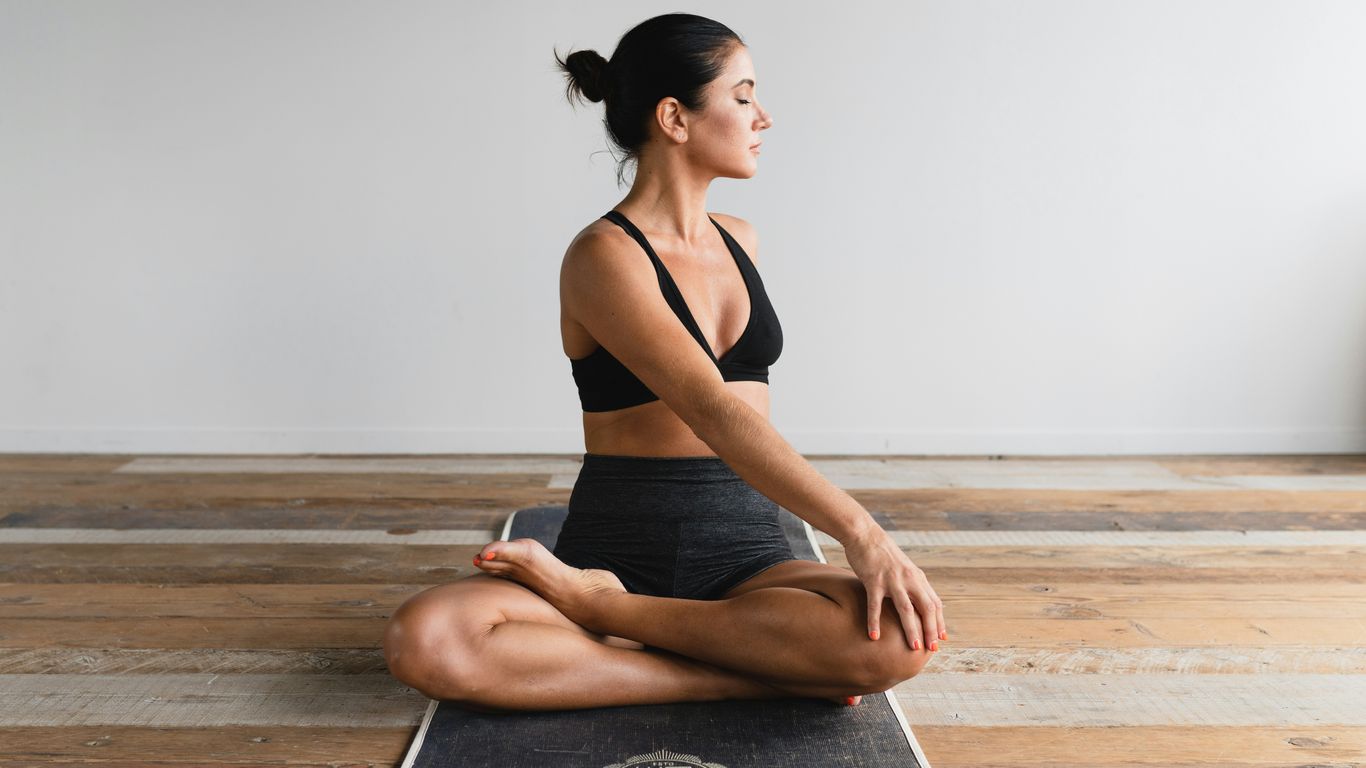
Sometimes you just need to slow things down, right? That's where the slow flow practice comes in. It's not about rushing through poses or trying to hit some impossible mark. Instead, it's about really feeling what's happening in your body and mind with each movement. Think of it as a gentle conversation with yourself, using breath as the main way to communicate.
This practice is perfect for days when you feel a bit drained or overwhelmed. It's a chance to reconnect and find a sense of calm. We're not aiming for a sweaty workout here; we're aiming for presence and a bit of mindful movement. It’s about finding that sweet spot between effort and ease, allowing your body to open up gradually.
Here’s what you can expect from a typical slow flow session:
- Mindful Transitions: Moving from one pose to the next with intention, paying attention to the breath guiding each shift.
- Longer Holds: Holding poses for a few extra breaths to really sink in and feel the sensations.
- Focus on Breath: Using the breath as an anchor to stay present and calm the nervous system.
- Gentle Stretching: Releasing tension in areas like the hips, shoulders, and back.
It's amazing how much you can discover when you just slow down. You might notice little aches you didn't realize were there, or perhaps a sense of peace you've been missing. This type of practice really helps to reduce stress and anxiety, making you feel more grounded. It’s a great way to build flexibility and strength without feeling like you're pushing too hard. You can find some really great slow flow yoga resources that explain the benefits in more detail.
Remember, yoga isn't a competition. It's a personal journey. Slow flow honors that by giving you the space to simply be, without any pressure to perform. It’s about finding what feels good and right for your body on any given day.
Don't be fooled by the 'slow' part; this practice can be incredibly effective. It's about quality over quantity, making every breath and every movement count. It’s a beautiful way to wind down your day or start your morning with a sense of calm and intention. You might even find yourself looking forward to these quieter moments on the mat. For more on the restorative side, check out gentle yoga practices.
6. Sun Salutation Series
Sun Salutations, or Surya Namaskar, are a fantastic way to warm up your body and get your energy flowing. They're like a mini-workout in themselves, linking breath with movement. This series is a cornerstone of many yoga practices for a reason.
Typically, a Sun Salutation involves a sequence of poses that you move through with your breath. It's a dynamic flow that can be adapted for different levels. For beginners, focusing on the basic poses and smooth transitions is key. As you get more comfortable, you can explore variations and hold poses for longer.
Here's a general idea of the flow:
- Mountain Pose (Tadasana): Start standing tall, feet grounded.
- Upward Salute (Urdhva Hastasana): Inhale and reach your arms overhead.
- Standing Forward Fold (Uttanasana): Exhale and fold forward from your hips.
- Low Lunge (Anjaneyasana): Step one foot back, dropping the knee.
- Plank Pose: Step the other foot back to meet the first, forming a straight line.
- Chaturanga Dandasana: Lower your body halfway down, elbows tucked.
- Cobra Pose (Bhujangasana) or Upward-Facing Dog (Urdhva Mukha Svanasana): Inhale and lift your chest.
- Downward-Facing Dog (Adho Mukha Svanasana): Exhale and lift your hips up and back.
From Downward-Facing Dog, you'll typically step your feet forward to repeat the sequence on the other side, or move back into a forward fold. It's a beautiful way to connect with your breath and build heat. Practicing Sun Salutations regularly can really improve your flexibility and stamina over time.
7. Child's Pose Rest
Sometimes, you just need a moment to pause. That's where Child's Pose comes in. It's not just a break; it's a chance to reconnect with yourself, especially when things feel a bit much.
This pose is all about gentle surrender and finding stillness. Think of it as hitting the reset button for your body and mind. It's a simple posture, but its effects can be pretty profound.
Here's how to get into it:
- Kneel on your mat with your big toes touching.
- Widen your knees about hip-width apart, or a bit more if that feels better.
- Exhale and fold your torso forward, letting your belly rest between your thighs.
- Rest your forehead on the mat. You can extend your arms forward or bring them back alongside your body, palms facing up.
It's a great way to give your spine a little stretch and release tension in your back and shoulders. You can stay here for a few breaths or for several minutes, whatever feels right for you in the moment. It's a wonderful way to find a moment of peace during your practice, or even just during a busy day. This pose is a gentle way to stretch the hips, thighs, and ankles, offering a soothing experience that can help manage stress. Find a moment of peace.
Child's Pose is a beautiful invitation to slow down. It's a place to gather your thoughts, release any holding, and simply be present. Don't underestimate the power of this simple resting posture; it's a cornerstone of mindful movement and self-compassion.
8. Downward Dog Basics
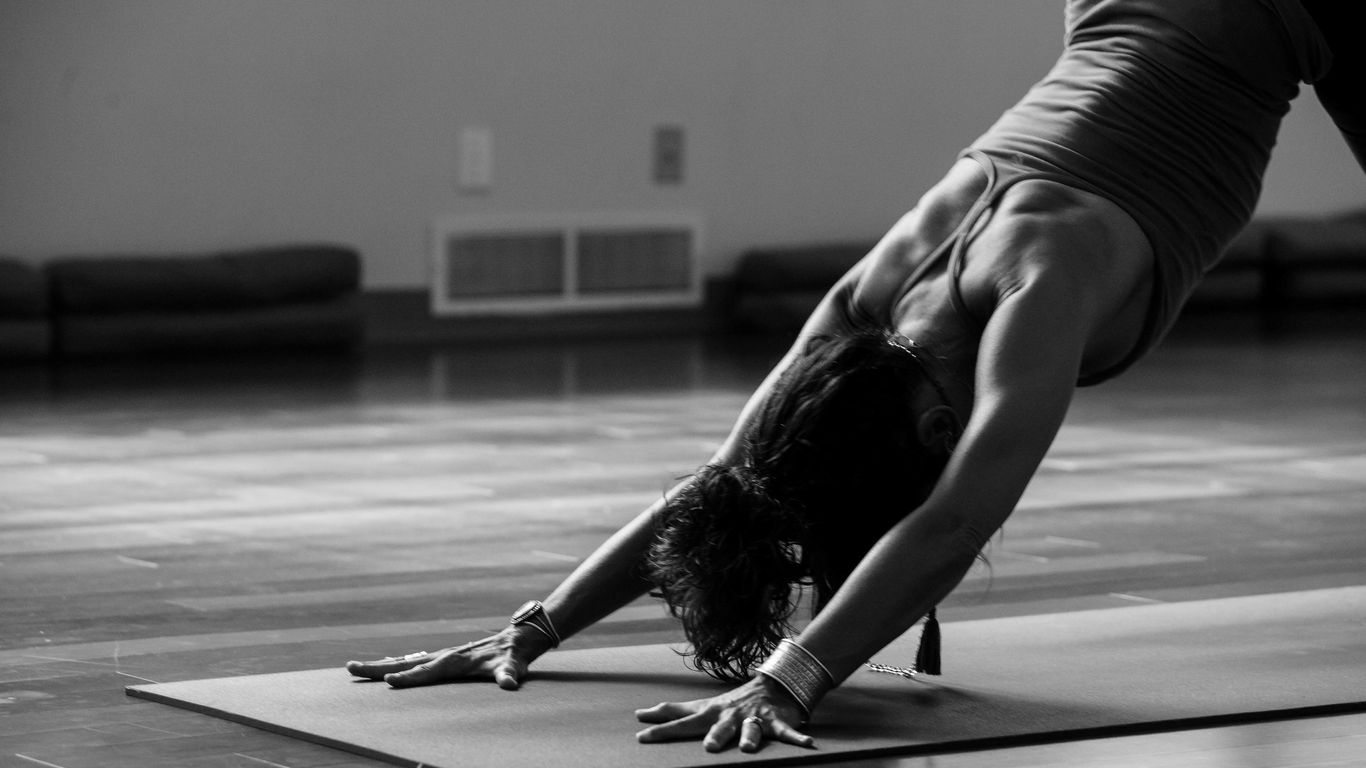
Downward-Facing Dog, or Adho Mukha Svanasana, is a pose you'll see in almost every yoga class. It's a great way to stretch out your whole body, especially your hamstrings and shoulders. Getting the alignment right from the start makes a big difference.
To get into it, start on your hands and knees. Make sure your hands are about shoulder-width apart, and your knees are right under your hips. Spread your fingers wide and press down firmly through your palms, like you're trying to push the mat away. Then, tuck your toes and lift your hips up and back, creating an inverted 'V' shape with your body.
Here are a few things to focus on:
- Hands: Spread your fingers wide and press evenly through your palms and fingertips. This helps distribute the weight and protects your wrists.
- Shoulders: Roll your shoulders away from your ears. You want to create space in your upper back.
- Spine: Keep your spine long. It's okay if your heels don't touch the floor; focus on lengthening your back first.
- Legs: You can keep a slight bend in your knees, especially if your hamstrings feel tight. Work towards straightening them over time.
It might feel a bit awkward at first, and that's totally normal. This pose is a cornerstone of many yoga practices, offering a good stretch and building strength. Don't worry if it's not perfect right away; consistent practice is key to mastering this pose.
This pose is often used as a transition between other poses, so getting comfortable here will make your overall flow much smoother. It's a moment to pause, breathe, and reset.
9. Warrior Pose Variations
Warrior poses are some of the most recognizable and powerful stances in yoga. They're not just about physical strength; they're about building inner fortitude, courage, and a sense of grounded presence. While the basic Warrior I, II, and III are fantastic on their own, exploring variations can really deepen your practice and offer new ways to challenge yourself.
These variations help target different muscle groups and improve balance and flexibility.
Let's look at a few ways to switch things up:
- Warrior I Variations: Think about extending the back leg, reaching the arms higher, or even bringing the hands to prayer behind the back for a gentle chest opener. You can also explore a low lunge version of Warrior I, which is sometimes called Fighting Warrior I, for a more accessible hip opener.
- Warrior II Variations: Try Extended Side Angle Pose, which is like a Warrior II with a side body stretch. Another option is Reverse Warrior, where you reach the back hand down the back leg and extend the front arm up and over, creating a beautiful side stretch and opening through the ribs.
- Warrior III Variations: This balancing pose can be modified by keeping a slight bend in the standing leg, bringing hands to heart center, or even resting fingertips on a block for support. You can also explore variations with the arms reaching forward, out to the sides, or back alongside the body.
Here's a quick look at how these variations can impact your practice:
| Pose Variation | Primary Benefit(s) |
|---|---|
| Fighting Warrior I | Hip flexibility, quadriceps stretch |
| Reverse Warrior | Side body stretch, chest and shoulder opening |
| Warrior III (Modified) | Balance, core strength, hamstring engagement |
Remember, the goal isn't to achieve a perfect shape, but to move with intention and feel the energy of the warrior within you. Don't be afraid to experiment and find what feels right for your body on any given day. Exploring Warrior pose variations can truly transform your understanding of these foundational postures.
10. Cat Cow Spinal Flow
The Cat-Cow Spinal Flow, or Marjaryasana-Bitilasana, is a super simple yet really effective movement to get your spine moving. It's basically a gentle flow between two poses: Cow pose (Bitilasana) and Cat pose (Marjaryasana).
Here's how to do it:
- Start on your hands and knees. Make sure your wrists are under your shoulders and your knees are under your hips. Your back should be flat, like a tabletop.
- For Cow pose, inhale as you drop your belly towards the mat, lift your chest and tailbone, and look slightly forward. Feel that nice stretch along the front of your body.
- For Cat pose, exhale as you round your spine towards the ceiling, tuck your chin towards your chest, and draw your navel in. Imagine you're pushing the floor away with your hands.
- Flow back and forth between these two poses, matching your breath to the movement. Inhale for Cow, exhale for Cat.
This rhythmic motion is fantastic for warming up your spine and increasing flexibility. It's a great way to start any yoga session or even just to break up long periods of sitting. It helps wake up your back muscles and can really help with posture.
This simple sequence is a foundational pose for a reason. It connects your breath to your movement, which is a core part of yoga. It's also a gentle way to build body awareness, helping you notice how your spine feels and moves.
It's a pose that's good for pretty much everyone, whether you're just starting out or have been practicing for years. You can even do it in bed if you're feeling stiff in the morning! It's a great way to get a little spinal flexibility routine going without much effort.
Keep the Flow Going
So, you made it through 30 days! That's pretty awesome. Whether you feel like a total pro or you're still figuring things out, the most important part is that you showed up for yourself. This challenge was just a starting point, a way to get you moving and feeling a bit better. Remember those moments on the mat, the deep breaths, and how good it felt to just stretch. Don't let that feeling fade. Keep practicing, even if it's just a few times a week. Your body and mind will definitely thank you for it. Keep flowing!
Frequently Asked Questions
What is the "Master Your Flow" yoga challenge about?
This 30-day challenge is a fun way to get into yoga, whether you're new to it or have been practicing for a while. It's designed to help you build a good habit, feel better in your body, and find some peace. Think of it as a journey to discover more about yourself and your well-being.
Do I need to be experienced to join this challenge?
Not at all! This challenge is made for everyone, no matter your skill level. Yoga with Adriene is known for making yoga easy to follow, and she offers ways to change poses so they work for you. The main goal is to show up and try your best.
How long are the yoga sessions each day?
Most of the yoga sessions in this challenge are pretty short, often around 20 minutes. This makes it easy to fit into your day, even if you're super busy. It's all about being consistent, not about spending hours on the mat.
What if I miss a day of the challenge?
Don't worry if you miss a day! Life happens. The best thing to do is just jump back in where you left off. This challenge is more about making progress than being perfect. Every little bit of practice counts.
What kind of yoga flows will be included?
You'll experience a variety of flows! Some days might focus on waking up your body with gentle movements, while others might involve more energy-building sequences. There will also be times for rest and deep stretching. It's a mix to give you a well-rounded yoga experience.
What's the best way to prepare for the challenge?
Find a comfy spot where you can practice without distractions. Have your yoga mat ready. Most importantly, listen to your body and don't push yourself too hard. Focus on your breath and enjoy the process of moving and connecting with yourself.

