

Unlock Your Potential: Exploring the Incredible Benefits of Inversion Yoga
You've probably seen those amazing yoga poses online where people are upside down, looking like they're defying gravity. It might seem out of reach, but guess what? These inversions, where your head is lower than your heart, offer a ton of really good things for your body and mind. It's not just about looking cool; it's about feeling better, stronger, and more relaxed. The benefits of inversion yoga are pretty incredible, and the best part is, you don't have to be a super yogi to start exploring them.
Key Takeaways
- Inversion yoga poses, where your head is below your heart, offer numerous benefits for physical and mental well-being.
- Practicing inversions can improve blood circulation, boost energy levels, and help the body's natural defense system.
- These poses build core strength and stability, which can lead to better balance and posture.
- Inversions are great for reducing stress, promoting relaxation, and can even help you gain a fresh perspective on things.
- Beginners can start with simple poses like Downward-Facing Dog or Legs-Up-the-Wall to safely experience the benefits of inversion yoga.
Physical Benefits Of Inversion Yoga
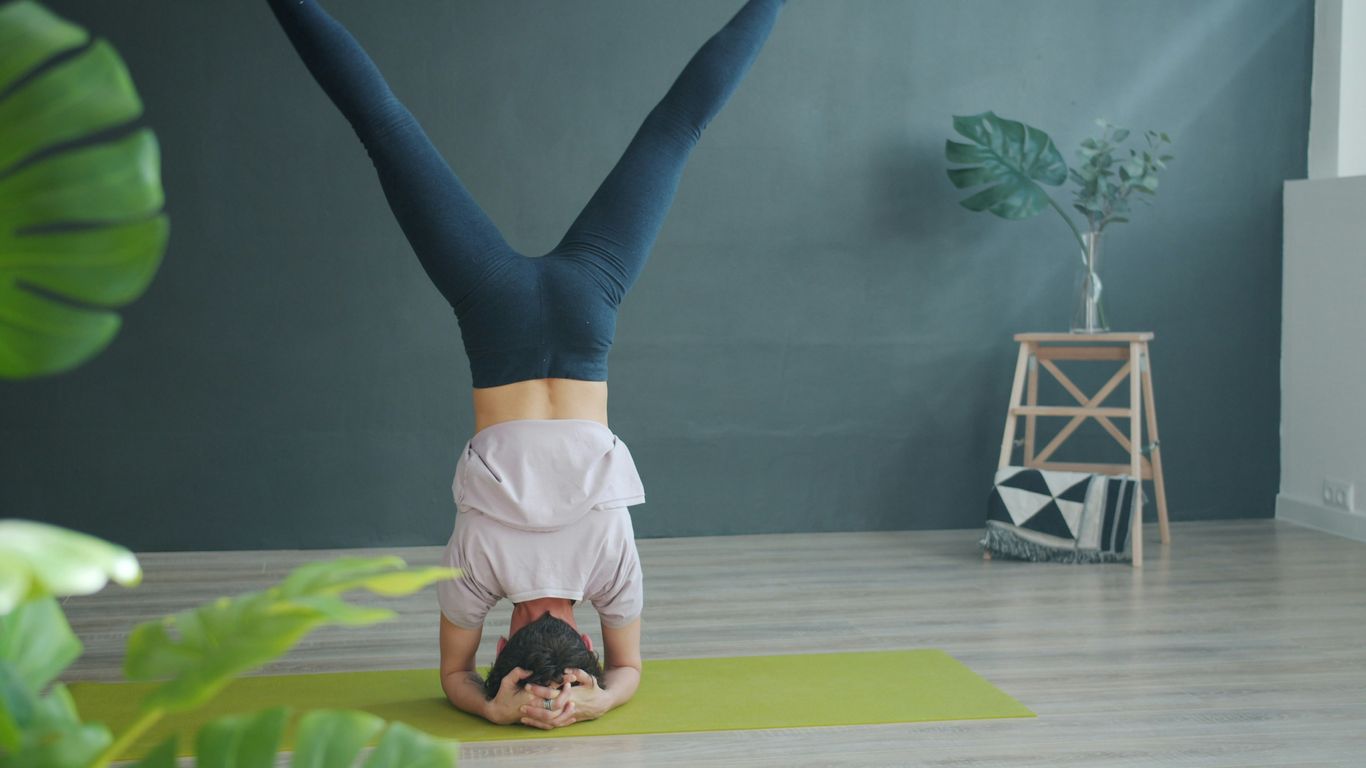
Enhanced Circulation And Energy Levels
When you spend most of your day upright, gravity pulls blood and fluids downward. Inversion poses flip this dynamic, encouraging blood to flow towards your head and heart. This reversal can feel really refreshing, like a gentle internal cleanse. Many people report feeling a noticeable boost in energy after just a few minutes upside down. It’s like giving your brain and body a fresh supply of oxygenated blood, which can help shake off that sluggish feeling and make you feel more alert and alive. Think of it as a natural pick-me-up, without any caffeine!
Increased Core Strength And Stability
While it might look like inversions are all about your arms and shoulders, they're actually powerhouses for your core. To stay steady when you're upside down, your abdominal muscles, back muscles, and even your pelvic floor have to work hard. This constant engagement builds serious strength and stability in your midsection. It's not just about looking toned; a strong core helps support your spine, improves your posture, and can even help prevent back pain. It’s like building a sturdy foundation for your entire body.
Improved Balance And Posture
Learning to balance in an inverted position is a fantastic way to train your proprioception – your body's awareness of its position in space. As you practice, you'll get better at making micro-adjustments to stay upright, which translates to better balance in everyday life. This improved sense of stability, combined with the core strength you're building, naturally leads to better posture. You'll find yourself standing taller and feeling more grounded, even when you're back on your feet. It's a win-win for both your physical alignment and your overall sense of steadiness.
Mental And Emotional Advantages
Beyond the physical, diving into inversion yoga can really shift your mental and emotional state. It’s not just about getting upside down; it’s about how that experience changes your outlook.
Stress Reduction and Relaxation
When you flip your perspective, literally, it can do wonders for your stress levels. Inversions help activate your body's relaxation response, which is like hitting a reset button on your nervous system. This can lead to a feeling of calm that sticks with you even after you’ve come back down to earth. It’s a great way to shake off the day's worries and find some quiet.
Boosted Confidence and Self-Trust
Let’s be honest, going upside down can be scary at first. There’s a definite fear factor involved for many people. But as you practice and start to hold poses, even for a short time, you build a quiet confidence. You’re proving to yourself that you can face a challenge and overcome it. This sense of accomplishment can really spill over into other areas of your life, making you feel more capable overall. It’s a powerful reminder of your own resilience.
Gaining a New Perspective
Sometimes, all you need is a different angle. Inversions offer this quite literally. When the world is upside down, your problems might seem a little less daunting. This shift in viewpoint can help you approach challenges with a fresh mind and a more open attitude. It’s like getting a mental clear-out, allowing you to see things more clearly and perhaps find solutions you hadn’t considered before. This practice can be a helpful tool for managing feelings associated with depression, offering a complementary approach to other treatments yoga can be a beneficial practice to help manage depression and improve mental well-being.
Here are a few ways inversions can help your mind:
- Calms the mind: By slowing down your heart rate and promoting deep breathing.
- Reduces anxiety: The focus required can pull you out of anxious thought loops.
- Improves mood: The rush of blood to the head can stimulate feel-good chemicals.
Facing the fear of going upside down in a controlled environment builds a unique kind of self-trust. It’s a quiet victory that resonates long after you leave the mat, reminding you of your inner strength and ability to adapt.
The Science Behind Inversions
Turning your body upside down during yoga isn’t just about challenge or show—it’s rooted in some real science that supports both your physical and mental well-being. Let’s break down how inversions actually work for you.
Reversing Gravity's Effects
Gravity is always working on us, pulling everything down. Over years, this can cause pressure to build up in joints and the spine, sometimes leading to discomfort or even pain. Practicing inversions flips your body’s relationship with gravity, offering a chance for your spine to stretch and decompress in a unique way.
Here are a few things that happen when you reverse gravity:
- Increased blood flow to the brain, which supports alertness and concentration
- Temporary relief of pressure from the spine and back
- Opportunity for your organs and muscles to shift, which can feel refreshing
According to yoga inversions offer a way to counteract gravity's effects, even a short daily session can contribute to stronger heart and better lung health.
Shifting your regular routine upside down—literally—might feel strange at first, but after a few sessions, you start to sense that subtle, floating relief in your back and joints.
Stimulating The Lymphatic System
Your lymphatic system is like the waste disposal unit of your body, helping get rid of toxins and support immunity. Inversions help this system by using gravity to encourage lymph fluid to move more efficiently, which can assist your body’s natural detoxification.
Benefits of lymphatic stimulation via inversions:
- Assists in flushing out cellular waste
- Reduces swelling and fluid retention in the lower body
- May boost natural defenses against sickness
| System | Effect of Inversion |
|---|---|
| Circulatory | Promotes efficient flow |
| Lymphatic | Increases drainage |
| Muscular | Relieves tension |
| Nervous | Calms the system |
Spinal Decompression And Pain Relief
When you’re standing or sitting all day, the discs in your spine can get compressed. Inversions—especially gentle ones—give your vertebrae a chance to lengthen out, which might help with back pain and even improve flexibility over time.
Important points for spinal health during inversions:
- Always start with beginner-friendly poses
- Use props or a wall for support until you feel steady
- Listen to your body and rest if you sense discomfort
So, next time you get on your mat, remember: the upside-down world of inversion yoga isn’t all about acrobatics—it’s grounded in reliable science. Just a few mindful minutes can leave your body and mind refreshed and restored.
Beginner-Friendly Inversion Poses
So, you're curious about inversions but maybe the thought of standing on your head feels a bit much right now? Totally understandable! The good news is, inversions don't always mean going full pretzel. In yoga, an inversion is simply any pose where your heart is higher than your head. It's a fantastic way to start exploring the benefits without needing to be a circus performer. These poses are great for building confidence and getting your body used to being in a different orientation.
Downward-Facing Dog for Strength
This is probably one of the most common yoga poses out there, and for good reason. It's a gentle inversion that really works wonders for your upper body and legs. You start on your hands and knees, then lift your hips up and back, creating an upside-down 'V' shape with your body. It's a great pose for building strength and increasing flexibility throughout your body. It’s a foundational pose that prepares you for more challenging inversions down the line.
Legs-Up-The-Wall for Relaxation
This one is pure bliss, especially after a long day. You lie on your back and simply extend your legs up against a wall. That's it! It's incredibly relaxing and helps to calm your nervous system. Plus, it's amazing for improving circulation and giving your tired legs a break. It's a super accessible way to experience the benefits of inversions without any strain.
Dolphin Pose for Shoulder Preparation
Think of Dolphin Pose as Downward-Facing Dog's cousin, but on your forearms. You'll be on your forearms and toes, with your hips lifted. This pose is excellent for building strength in your shoulders and arms, which is super important if you ever want to try more advanced inversions like forearm stands. It also gives you a nice stretch through your hamstrings and calves. It's a good way to build up the necessary strength for more challenging poses.
Remember, the key with any new pose is to listen to your body. Don't push yourself too hard, especially when you're starting out. Using props like blocks or blankets can make these poses more comfortable and accessible. It's all about gradual progress and enjoying the journey.
Advanced Inversions For The Experienced
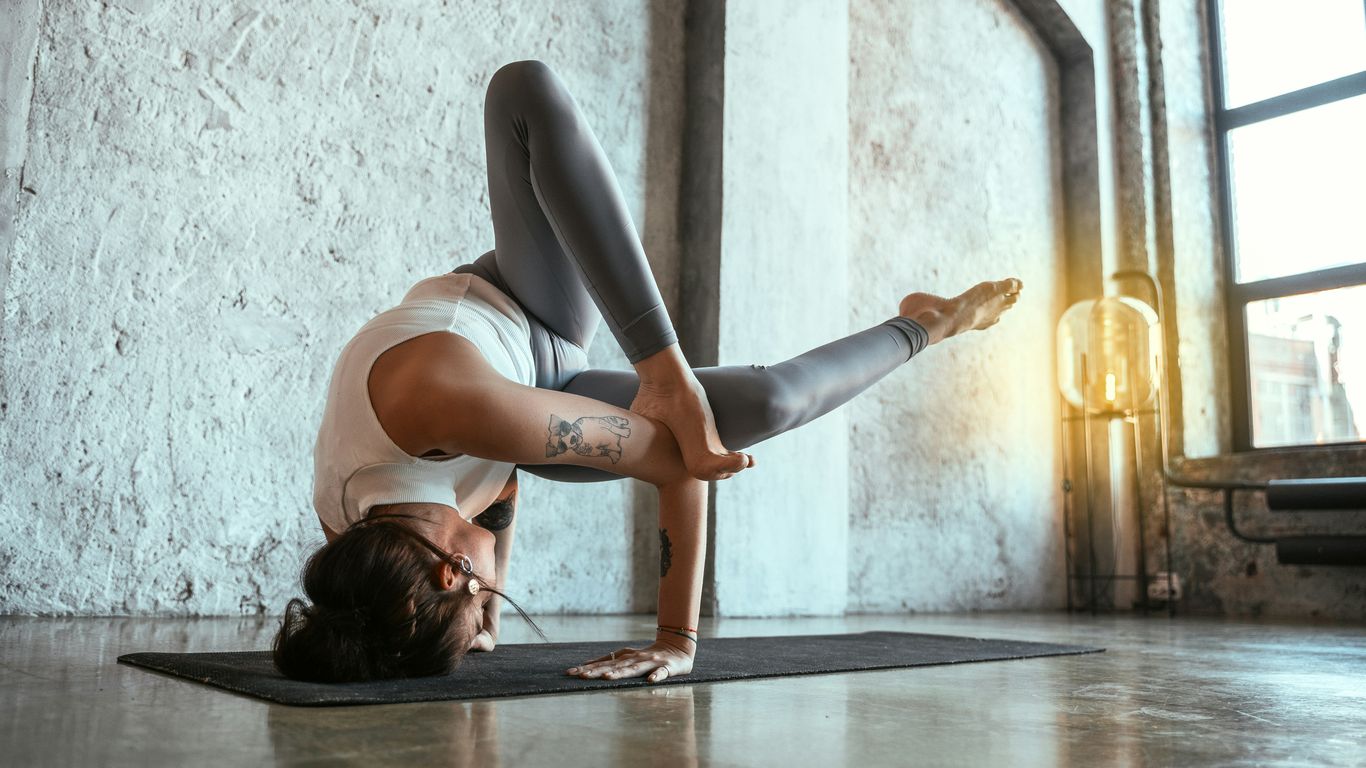
Mastering Headstands Safely
Alright, so you've been practicing yoga for a while, and maybe those beginner inversions feel pretty comfortable now. You're ready to take things up a notch. Headstands, or Sirsasana, are often the next big goal for many yogis. It's super important to approach this pose with respect and proper preparation. Think of it as building a strong foundation before you put the roof on the house. You'll want to work on building strength in your shoulders and core, and really get a feel for balancing on your forearms first. Learning from a qualified teacher is a really good idea here; they can spot things you might miss and help you avoid injury. It's not about rushing; it's about building confidence and control.
Achieving Handstands With Practice
Handstands, or Adho Mukha Vrksasana, are the kind of pose that looks amazing and takes a serious amount of dedication. It's not just about kicking up and hoping for the best. You need a solid base of upper body strength, a really engaged core, and a good sense of where your body is in space. Many people start by practicing near a wall, which is totally fine! It gives you a safety net and helps you get used to the feeling of being upside down without the fear of falling. Consistency is key here. Little bits of practice every day will get you further than one long, intense session once a week.
Exploring Forearm Stands
Forearm stands, or Pincha Mayurasana, are another impressive inversion that really works your shoulders and core. This pose requires you to balance on your forearms, with your legs reaching towards the sky. It's a great way to build shoulder stability and strength, which can also help you in other inversions like headstands and handstands. Like with handstands, practicing near a wall can be a big help when you're starting out. It allows you to find your balance and build the necessary strength without the constant worry of tipping over. It takes time, so be patient with yourself and celebrate the small wins along the way.
Remember, the journey into advanced inversions is a marathon, not a sprint. Focus on building strength, improving your balance, and listening to your body. Progress comes with consistent, mindful practice, and it's always better to be safe than sorry when you're exploring these challenging poses.
Holistic Well-Being Through Inversions
Beyond the immediate physical perks, integrating inversion poses into your yoga practice can really touch your overall sense of well-being. It's not just about how your body feels after a session, but how your mind and spirit respond too. These poses offer a unique way to reset and find balance in your life.
Supporting Immunity Naturally
When you flip yourself upside down, you're essentially giving your lymphatic system a little boost. This system is like your body's internal cleanup crew, moving waste and toxins around. Gravity usually makes this process a bit sluggish, especially in the lower parts of your body. Inversions help reverse that, encouraging lymph fluid to flow more freely. Think of it as helping your body clear out the clutter more efficiently, which can play a role in keeping your immune system humming along nicely.
Promoting Better Sleep Quality
Many people find that regular inversion practice helps them unwind and prepare for a good night's sleep. The stress reduction that comes with inversions, as mentioned before, is a big part of this. By calming the nervous system and easing physical tension, inversions can quiet a busy mind. This makes it easier to drift off to sleep and can lead to more restful nights. It's like giving your body and mind a gentle signal that it's time to relax and recharge.
Enhancing Overall Quality of Life
Putting it all together, the benefits of inversions weave into a richer quality of life. You might notice you have more energy, feel less stressed, and handle daily challenges with a bit more steadiness. The confidence gained from mastering new poses can spill over into other areas of your life. Plus, that fresh perspective you get when you're upside down can be surprisingly helpful for problem-solving or just feeling more optimistic. It’s a practice that supports you from the inside out, contributing to a more balanced and fulfilling existence.
Embrace the Upside Down
So, there you have it. Yoga inversions might look a little scary at first, but they're really not just for the super-flexible or the daredevils. They offer a whole lot of good stuff for your body and mind, from making your muscles stronger to helping you feel calmer. Even simple poses can make a difference. It’s about finding what works for you and enjoying the process. Give it a try, and you might be surprised at how much better you feel, both inside and out.
Frequently Asked Questions
What is inversion yoga?
Inversion yoga is when you do poses that put your head below your heart. This can mean standing on your hands, forearms, or even just lying with your legs up the wall. You don’t have to do a handstand to try an inversion!
Are inversions safe for beginners?
Yes, many inversions are beginner-friendly! Poses like Downward-Facing Dog or Legs-Up-The-Wall are gentle and safe for most people. Always listen to your body and use a wall or props for support if you need it.
What are the main benefits of inversion yoga?
Inversion yoga can help improve blood flow, make your core and upper body stronger, and help you balance better. It also helps you relax, lowers stress, and can boost your mood.
Can inversions help with back pain?
Some gentle inversions, like Legs-Up-The-Wall or Dolphin Pose, can help stretch your back, relieve tension, and even help your spine feel better. Always talk to a doctor if you have serious back problems before trying new poses.
How often should I practice inversion yoga?
You can add gentle inversions to your yoga routine a few times a week. Start slow and see how your body feels. With practice, you can try more advanced poses if you feel comfortable.
What should I do if I feel dizzy or scared during an inversion?
If you feel dizzy or nervous, come out of the pose right away and rest. Take deep breaths and try again another time. It's normal to feel unsure at first, but with practice, you’ll build confidence and feel safer upside down.


