

Explore Five Types of Yoga for a Balanced Practice
Yoga is pretty amazing, right? It can feel totally different depending on the class or the teacher. Some days you might want a serious sweat session, and other days you just want to chill out. That’s the cool thing about yoga – there are so many ways to do it. Each style has its own vibe and focus, and they all aim to connect your body and mind. If you're wondering which of the five types of yoga might be best for you, let's break them down.
Key Takeaways
- Hatha yoga is a good starting point, focusing on basic poses and breathing.
- Vinyasa yoga links movement with breath for a flowing, dance-like experience.
- Iyengar yoga emphasizes precise alignment, often using props for support.
- Ashtanga yoga is a more rigorous style with a set sequence of poses.
- Kundalini yoga combines poses, breathwork, and chanting to awaken energy.
1. Hatha Yoga
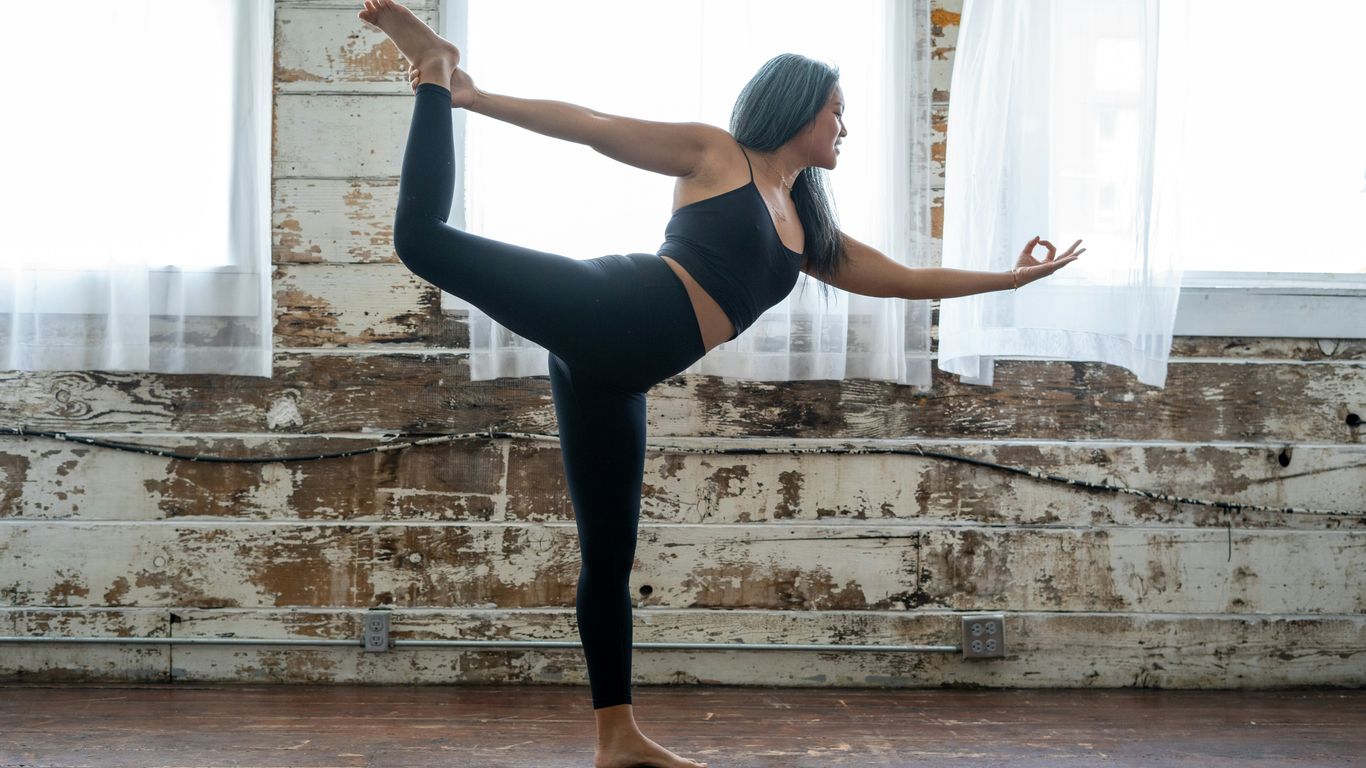
Hatha yoga is a really good starting point if you're new to yoga. The name itself comes from Sanskrit words for 'sun' and 'moon,' and the whole idea is to bring balance to your body and mind. Think of it as a way to harmonize opposing forces, like strength and flexibility, or physical effort and mental calm. It's often seen as a more traditional approach to yoga, focusing on the physical postures, or asanas, and breathing techniques, known as pranayama.
Hatha yoga classes typically include a mix of poses, breathing exercises, and some form of meditation. This makes it a well-rounded practice. You'll find yourself moving through different poses, holding them for a bit, and really paying attention to how you breathe. It's not about forcing yourself into difficult positions; rather, it's about finding a steady rhythm and concentration.
Here's a general idea of what you might experience in a Hatha class:
- Asanas (Poses): You'll work through a variety of postures, both standing and seated, focusing on proper alignment and holding them for a few breaths.
- Pranayama (Breathing Exercises): Learning to control your breath is a big part of Hatha. You'll practice different breathing techniques to calm your nervous system and increase focus.
- Meditation/Relaxation: Classes often end with a period of relaxation or a short meditation to help you integrate the practice and find a sense of peace.
It's a great way to build a solid foundation in yoga, improve your posture, and just generally feel more centered. If you're looking for a practice that helps you slow down and connect with yourself, Hatha Yoga is a good choice.
Hatha yoga is a fantastic way to introduce yourself to the physical and mental benefits of yoga. It emphasizes holding poses and controlling your breath, which can lead to a calmer mind and a stronger body. The deliberate pace allows you to really feel into each movement and breath, making it accessible for most people.
Because of its focus on foundational poses and breathwork, Hatha yoga can really help with stress relief. By concentrating on your breath, you create a steady rhythm that naturally promotes relaxation. It's a practice that helps you stay present, which is pretty useful in today's busy world.
2. Vinyasa Yoga
Vinyasa yoga, often called "flow yoga," is all about smooth transitions between poses, kind of like a dance. The main idea here is to sync your breath with your movements. You'll find yourself moving from one pose to the next in a continuous, rhythmic way. It’s a style that really gets you moving and can feel pretty meditative, even though you're active.
This style is great if you like a bit more action in your yoga practice and less time spent holding still. It's adapted from Ashtanga, so it has a bit of that structure but with more freedom. Because you're constantly moving, it can really help quiet your mind and reduce stress. It's also a good way to build some heat in your body, which can feel really good, especially on a cooler day.
Here's what you can generally expect:
- Breath Synchronization: Every inhale and exhale is linked to a specific movement.
- Flowing Sequences: Poses are strung together, often including Sun Salutations.
- Dynamic Pace: It's generally faster-paced than some other styles, keeping you engaged.
- Mindful Movement: Despite the pace, the focus is on being present with each action.
Vinyasa can be a fantastic way to get your heart rate up a little while still focusing on your breath and staying present. It's a style that can be adapted for all levels, so whether you're just starting out or have been doing yoga for years, you can find a class that works for you. It's a good choice if you're looking for a practice that combines physical activity with mental focus.
3. Iyengar Yoga
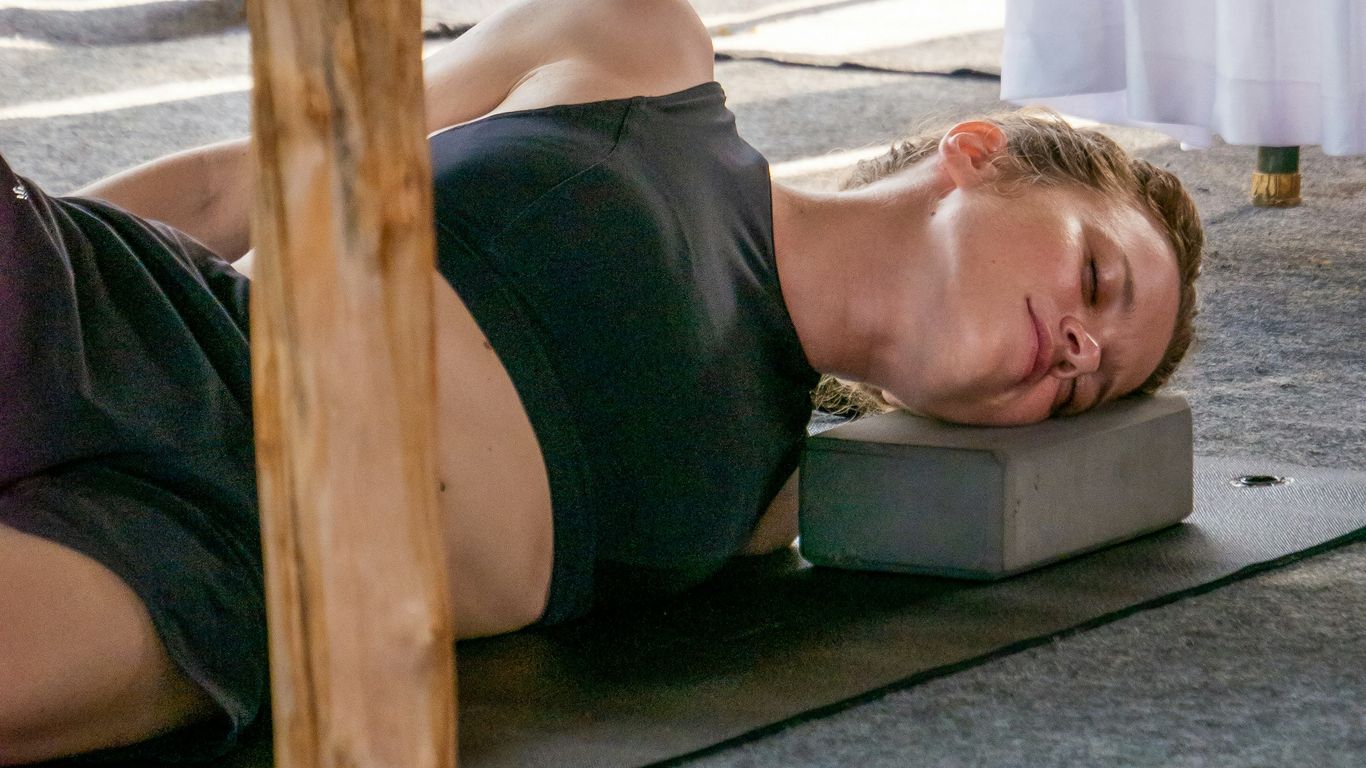
Iyengar Yoga is all about getting the poses just right. It was developed by B.K.S. Iyengar, and the main focus here is on precise alignment. You'll spend a good amount of time in each pose, really working to get your body into the correct position. This is why props are such a big deal in Iyengar classes.
Think blocks, straps, blankets, bolsters, and even chairs and walls. These aren't just there to make things easier; they're tools to help you achieve the proper alignment, especially if you have any physical limitations or are just starting out. The detailed instruction and the use of props make it accessible for almost everyone.
Here's what you can expect:
- Focus on Alignment: Every pose is broken down with specific instructions on how to position your body.
- Use of Props: Props are used extensively to support your body and help you find the correct alignment.
- Longer Holds: Poses are typically held for several breaths, allowing you to explore the pose more deeply.
- Sequencing: Classes often follow a logical sequence, building from simpler poses to more complex ones.
This style is fantastic if you appreciate clear, step-by-step guidance and want to build a strong foundation in your yoga practice. It's also great for improving posture and building strength, which can have benefits beyond the mat. Many people find that the concentration required helps calm the mind, too. If you're looking for a practice that emphasizes precision and offers a deep dive into the mechanics of each posture, Iyengar yoga might be for you. It's a really solid way to build body awareness and stability. You can find out more about the benefits of this style on the Iyengar yoga page.
4. Ashtanga Yoga
Ashtanga yoga is a pretty intense style, and it's all about following a set sequence of poses. Think of it like a choreographed dance, but with your body and breath. The whole point is to move through these poses in a specific order, linking each movement with your breath. It's not a free-for-all; there are six different series, and you generally don't move on to the next one until your teacher feels you've got the previous one down. This makes it really good for people who like routine and a predictable structure to their practice.
It's a very physical practice, often described as a flow-style yoga, but it's got spiritual elements too. You'll hear about 'Mysore style' classes, which is where you practice at your own pace while the teacher offers individual guidance. It's not about pushing yourself to the point of pain, but rather moving to your own 'edge' – that place where you're challenged but can still breathe.
Here's a general idea of how it works:
- Specific Series: There are six series, each building on the last.
- Breath Synchronization: Every movement is tied to an inhale or an exhale.
- Progressive Learning: You master one pose and series before moving to the next.
- Internal Focus: The practice is done with eyes closed, focusing inward.
Ashtanga is known for its demanding nature, requiring discipline and consistency. It's a practice that builds strength, flexibility, and mental focus over time, as you work through the set sequences. It's not for the faint of heart, but the rewards can be significant for those who stick with it.
If you like a challenge and enjoy the idea of a structured, repetitive practice that builds heat and stamina, Ashtanga might be right up your alley. It's definitely a workout, but it's also a deeply meditative experience once you get into the rhythm.
5. Kundalini Yoga
Kundalini yoga is a bit different from the styles you might be more familiar with. It was brought to the West by Yogi Bhajan back in the late 1960s. The name itself, "Kundalini," means "life force energy" in Sanskrit. The idea is that this energy is coiled up at the base of your spine, and this type of yoga aims to stir it up and get it moving. It's a practice that really works on both your physical body and your mind.
What does a class actually look like? Well, it's not just about holding poses. You'll often find yourself chanting mantras, doing specific breathing exercises, and moving through sequences called "kriyas." These kriyas are set series of poses, breathwork, and chanting all put together. You might also notice people wearing white; it's a common practice in Kundalini, believed to help deflect negativity and boost your aura.
A typical Kundalini class usually kicks off with a mantra to set the focus. Then comes some breathing exercises, a warm-up to get your body ready, followed by the main kriyas which can get pretty challenging. The class usually wraps up with a period of relaxation and meditation.
Here's a general idea of what you might experience:
- Mantra Chanting: Setting an intention or focus for the practice.
- Pranayama (Breathwork): Specific breathing techniques to energize the body.
- Kriyas: Dynamic sequences of poses, breath, and sound.
- Meditation & Relaxation: A cool-down period to integrate the practice.
Kundalini yoga is often described as a more spiritual path. It's less about perfecting a physical pose and more about the internal experience and the energy you cultivate. If you're looking for something that goes beyond just the physical workout and touches on self-awareness and inner peace, this might be the style for you. It can feel intense, but many people find it incredibly rewarding.
Finding Your Flow
So, there you have it – five different ways to get on the mat. Whether you're looking to sweat it out, find some calm, or just get a good stretch, there's a yoga style out there for you. Don't be afraid to try a few different ones. What works for your friend might not be your favorite, and that's totally okay. The best yoga practice is the one you actually do. Listen to your body, see what feels good, and enjoy the journey of discovering what brings you balance.
Frequently Asked Questions
What exactly is yoga?
Yoga is basically a way to connect your body, your mind, and your spirit. It's not just about stretching or getting a workout; it's about finding balance and understanding yourself better through poses, breathing, and sometimes meditation.
What's the difference between the types of yoga?
Each type of yoga has its own special focus. Some are fast and energetic, like Vinyasa, while others are slow and calming, like Restorative. Some focus on holding poses perfectly, like Iyengar, and others follow a set routine, like Ashtanga.
Is Hatha yoga good for beginners?
Yes, Hatha yoga is often recommended for people just starting out. It's usually a bit slower-paced and focuses on the basic poses and breathing techniques, making it a great way to learn the fundamentals without feeling overwhelmed.
What makes Ashtanga yoga challenging?
Ashtanga yoga is known for being quite demanding because it involves a specific, set series of poses that you move through quickly, linking each movement with your breath. It requires a lot of focus, strength, and discipline to keep up with the sequence.
What is the main goal of Kundalini yoga?
Kundalini yoga aims to awaken a special kind of energy, often called 'life force energy,' that's believed to be at the base of your spine. It uses chanting, meditation, and specific movements to help you feel more aware and peaceful.
How do I choose the right yoga style for me?
Think about what you want to get out of yoga. Do you want to relax, build strength, or find a spiritual connection? Trying out a few different classes is the best way to see what feels good for your body and mind. Listen to how you feel after each practice.

