

Unveiling the Disadvantages of Yoga: Potential Risks and How to Mitigate Them
Yoga is everywhere these days. You see classes in gyms, studios popping up on every corner, and even schools are starting to offer it. Most people talk about the good stuff—flexibility, relaxation, and less stress. But the disadvantages of yoga? They don’t get mentioned as much. The truth is, yoga isn’t perfect for everyone, and there are some real risks and problems people can run into. From injuries to emotional struggles, it’s important to know what could go wrong and how to avoid those pitfalls. Let’s get into what you should watch out for if you’re thinking about starting yoga or already practicing.
Key Takeaways
- Yoga can lead to physical injuries, especially if you push too hard or have a pre-existing condition.
- Some people may feel discouraged or self-conscious if they compare themselves to others in yoga classes.
- Unqualified or inexperienced instructors can increase the risk of harm by teaching poor technique or ignoring individual needs.
- Yoga isn’t a replacement for medical treatment, and it may not help with every health issue.
- Choosing the right class, listening to your body, and talking to your teacher about your limits can help lower the risks.
Potential Physical Risks Associated With Yoga Practice

Yoga is usually seen as quite gentle, but it isn't without its physical risks. People often overlook how pushing too hard or trying advanced poses can lead to actual injuries. Here are the key concerns:
Risk of Musculoskeletal Injuries
Common yoga injuries affect muscles, joints, and connective tissues, especially when people attempt poses their bodies aren't ready for. These injuries can range from mild strains to more serious sprains or even joint dislocations. Factors increasing risk include:
- Trying to imitate others or compete in class
- Ignoring pain or discomfort during practice
- Skipping warm-ups or proper alignment
It's often best to stretch gently and not push your limits, as trying to impress others can backfire and cause harm. For a more cautious approach, consider these responsible stretching tips.
Aggravation of Pre-existing Conditions
Yoga might seem harmless, but it can actually make some health conditions worse. If you have prior injuries, joint instability, or chronic pain, some postures could cause flare-ups or prolong recovery. Conditions often aggravated by certain poses include:
- Herniated discs
- Arthritis (especially in knees and wrists)
- Unhealed fractures or muscle tears
Blockquote:
Sometimes, even seemingly basic yoga poses can trigger pain if you’re dealing with medical issues, so being upfront with your instructor about health history is important.
Overexertion and Fatigue
Pacing is key. Overdoing yoga, especially in fast-paced or demanding styles like power yoga, can cause noticeable fatigue, soreness, and sometimes even dizziness.
Typical signs that you may be pushing too far include:
- Muscle shakes that linger after class
- Difficulty catching your breath
- Needing extra days to recover or feeling wiped out after sessions
Table: Common Yoga-Related Injuries and Frequency
| Injury Type | How Often It Happens |
|---|---|
| Muscle Strain | Very Common |
| Wrist Pain | Common |
| Knee Issues | Fairly Common |
| Lower Back Injury | Common |
| Shoulder Injury | Less Common |
Staying aware of your body’s limits, skipping any pain-producing movements, and avoiding the temptation to keep up with others will help reduce the chance of injury. Even long-time practitioners can slip into bad habits if they're not careful.
Mental and Emotional Challenges During Yoga
While yoga is often praised for its mental benefits, it's not always smooth sailing. Sometimes, the practice itself can bring up feelings or situations that are tough to handle. It's important to be aware of these potential bumps in the road so you can navigate them better.
Unrealistic Expectations and Disappointment
It's easy to see pictures of yogis doing amazing poses and think, 'I'll be able to do that in no time!' But yoga is a journey, not a race. When you don't see the progress you expected, or you can't quite nail a pose, it can be really disheartening. This can lead to frustration and make you feel like you're not good enough, which is the opposite of what yoga is supposed to do.
- Focus on how you feel, not just how you look. Are you breathing better? Do you feel calmer? These are wins too.
- Celebrate small victories. Holding a pose for a few extra breaths is progress.
- Remember everyone starts somewhere. Even the most advanced yogis were once beginners.
Body Image Issues and Self-Consciousness
Being in a yoga class means you're often in close proximity to others, wearing form-fitting clothes. For some, this can bring up feelings of self-consciousness about their bodies. You might compare yourself to others, worry about how you look in certain poses, or feel embarrassed if you're not as flexible or strong as someone else. This can really take away from the peace and acceptance yoga aims to cultivate.
It's a common misconception that you need a certain body type to practice yoga. The truth is, yoga is for every body. The focus should always be on your own experience and your own body's capabilities, not on external appearances or comparisons.
Emotional Release and Intensity
Sometimes, as you move through poses and focus on your breath, deep-seated emotions can surface. This can be surprising and even overwhelming. You might feel a sudden urge to cry, get angry, or experience other intense feelings. While this emotional release can be a positive part of healing, it can also be unsettling if you're not prepared for it. It's important to have a safe space and perhaps a supportive teacher to help you process these emotions if they arise.
The Importance of Qualified Instruction
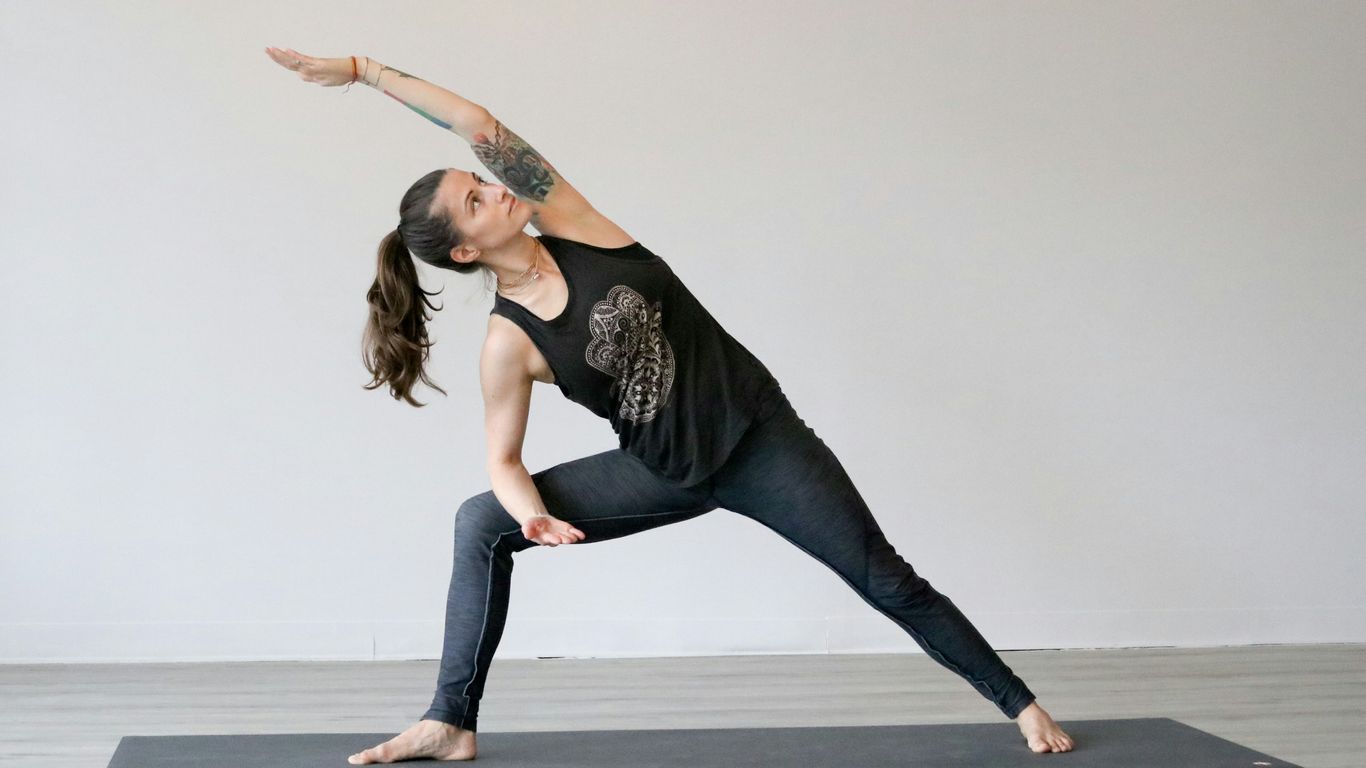
When you're getting into yoga, especially if you're new to it or have some physical quirks, finding the right teacher is a really big deal. It's not just about someone who knows a few poses; it's about someone who understands how to guide you safely and effectively. A good instructor can make the difference between a positive, healing experience and one that leaves you feeling sore or even injured.
Dangers of Inexperienced or Unqualified Teachers
Sometimes, people who haven't had proper training might start teaching yoga. They might know the poses themselves, but they might not know how to spot common mistakes or how to adjust their teaching for different bodies. This can lead to students getting hurt. It's like having someone who's only read a cookbook try to perform surgery – they might know the ingredients, but they lack the critical skills.
Misalignment and Improper Technique
This is where a lot of injuries happen. If you're not holding a pose correctly, you can strain muscles or put too much pressure on your joints. For example, in Downward-Facing Dog, if your hands aren't positioned right or your hips are too low, you could end up hurting your wrists or shoulders. A qualified teacher will watch you closely and offer specific cues to help you get into the pose safely. They understand the scope of practice for a yoga teacher and know their limits.
Inadequate Modifications for Individual Needs
Everyone's body is different. What works for one person might not work for another. A good teacher knows how to offer modifications – easier or different ways to do a pose – for people who are beginners, have injuries, or are pregnant. If a teacher just runs through a sequence without considering that people have different bodies and abilities, it's not safe. They should be able to suggest props like blocks or straps, or even suggest skipping a pose if it's not right for you at that moment.
Here's a quick look at what to watch out for:
- Teacher's Training: Do they have a recognized certification? How long have they been teaching?
- Class Size: Can the teacher actually see and help everyone in the room?
- Communication: Do they encourage questions and offer clear instructions?
- Safety Focus: Do they talk about listening to your body and avoiding pain?
Choosing a teacher who prioritizes safety and individual needs is key to a beneficial yoga practice. Don't be afraid to ask questions before or after class about their background and teaching style.
Yoga's Limitations as a Sole Treatment
Not a Substitute for Medical Care
While yoga can be a fantastic addition to a healthy lifestyle and may offer benefits for managing certain health issues, it's really important to remember that it's not a magic cure. Yoga should never be seen as a replacement for professional medical advice or treatment. If you're dealing with a serious health condition, whether it's physical or mental, always consult with your doctor or a qualified healthcare provider first. Relying solely on yoga could mean delaying necessary medical care, which can sometimes make things worse.
Limited Evidence for Certain Conditions
Research into yoga's effects is growing, and it shows promise for many areas. However, for some specific conditions, the scientific evidence is still pretty thin. While studies might suggest benefits for things like stress or general well-being, they might not be strong enough to say yoga is a primary treatment for complex diseases. More in-depth studies are needed to really understand where yoga fits in as a therapeutic tool.
Need for Complementary Therapies
Think of yoga as a supportive player on your health team, not the star quarterback. It often works best when combined with other treatments. For example, if you're undergoing physical therapy for an injury, yoga might help with flexibility and strength, but it won't replace the therapy itself. Similarly, for mental health challenges, yoga can be a great tool for coping and self-regulation, but it's usually most effective when used alongside therapy or medication, if prescribed by a professional.
Here's a quick look at how yoga can complement other approaches:
- Physical Health: Can aid recovery from injuries, improve mobility, and support cardiovascular health when used alongside prescribed treatments.
- Mental Health: Helps manage stress, anxiety, and depression symptoms as a supplement to therapy or medication.
- Chronic Conditions: May help manage pain and improve quality of life for conditions like arthritis or back pain, but doesn't cure the underlying issue.
It's easy to get caught up in the hype around yoga, but it's crucial to maintain a realistic perspective. While its benefits are numerous, understanding its limitations is key to using it safely and effectively as part of a broader health strategy.
Mitigating the Disadvantages of Yoga
So, yoga isn't all sunshine and perfect poses, huh? It's easy to get caught up in the hype, but like anything, it has its downsides. The good news is, most of these issues can be managed with a little common sense and preparation. It’s all about being smart and aware.
Choosing the Right Style and Instructor
This is probably the biggest one. Not all yoga is created equal, and neither are the people teaching it. If you're new, or have specific needs, jumping into an advanced Vinyasa class might not be the best idea. Look for styles that match your goals and physical condition. Hatha or Restorative yoga might be gentler starting points. And the teacher? Huge difference. A good instructor will offer modifications, check your alignment, and create a safe space. Don't be afraid to ask about their training and experience. A qualified teacher can make or break your practice, especially when it comes to avoiding injuries. Some sources even suggest questioning common yoga safety rules, encouraging a more individualized approach to practice [fd16].
Listening to Your Body and Pacing Yourself
This sounds obvious, but it's surprisingly hard to do. We see others doing amazing things and feel pressure to keep up. But your body has its own limits, and pushing past them is a fast track to injury or burnout. Pay attention to what your body is telling you. If something hurts, back off. If you're tired, rest. Yoga isn't a competition. It's about connecting with yourself, not proving something. Think of it as a marathon, not a sprint. Building a consistent practice over time is more beneficial than intense, sporadic bursts that leave you sore and discouraged.
Communicating Limitations and Concerns
This ties into listening to your body. If you have an old injury, a chronic condition, or you're just feeling a bit off, tell your instructor before class. They can't help you if they don't know. A good teacher will appreciate the heads-up and can offer alternative poses or adjustments. Don't be shy about it. It’s your practice, and your well-being is the priority. This open communication also helps the instructor tailor the class better, especially if they're working with diverse groups like children or seniors.
Setting Realistic Goals and Expectations
It's great to have goals, but make sure they're achievable. You probably won't be doing a handstand on your first day, and that's okay. Yoga is a journey. Focus on small, consistent progress rather than expecting dramatic results overnight. Celebrate the little victories, like holding a pose a little longer or feeling more centered after class. This approach helps prevent disappointment and keeps you motivated for the long haul. Remember, yoga can be a great tool for stress management and self-regulation, but it's not a magic cure-all.
Yoga's benefits are often gradual and cumulative. Focusing on consistent practice and self-awareness, rather than immediate, dramatic transformations, leads to a more sustainable and rewarding experience. Be patient with yourself and trust the process.
Specific Considerations for Vulnerable Populations
When you're thinking about yoga, it's easy to picture a fit, young person effortlessly flowing through poses. But yoga is for everyone, and that includes groups who might need a little extra attention. We're talking about kids, older folks, and people dealing with ongoing health issues. Making sure yoga is safe and beneficial for these individuals means being mindful of their unique needs.
Yoga for Children and Adolescents
Kids today face a lot of pressure, from school and friends to just figuring out who they are. Sometimes, this can lead to stress, anxiety, or trouble focusing. Yoga can be a great tool to help them manage these feelings. It teaches them to calm their minds and bodies, which can be super helpful for attention problems or just dealing with everyday worries. The key is to make it fun and age-appropriate. Think playful poses, stories, and games rather than strict routines. It's about building self-awareness and emotional regulation in a way that resonates with them.
- Focus on Playfulness: Use animal poses, breathing games, and simple movement sequences.
- Keep it Short and Sweet: Shorter sessions are often better for younger attention spans.
- Emphasize Self-Compassion: Teach them it's okay not to be perfect and to be kind to themselves.
The digital world is a huge part of kids' lives now, and while it offers information, it also brings its own set of challenges. Excessive screen time is linked to physical and mental health issues, and kids can be exposed to cyberbullying or inappropriate content. Yoga can offer a much-needed counterbalance, encouraging physical activity and mindful presence away from screens.
Yoga for Seniors and Individuals with Chronic Illness
As we get older, or if we have a long-term health condition, our bodies change. Yoga can still be incredibly beneficial, but it needs to be adapted. Gentle yoga, chair yoga, or restorative yoga are often good choices. These styles focus on improving flexibility, balance, and strength without putting too much strain on the body. For those with chronic illnesses, yoga can help manage pain, reduce stress, and improve overall quality of life. It's important to work with an instructor who understands these conditions and can offer modifications. A structured yoga program has shown promise in improving balance and mobility for older adults, which can help reduce the fear of falling [d189].
- Prioritize Safety: Use props like blocks and straps for support and stability.
- Modify Poses: Avoid deep twists or inversions if they cause discomfort or are medically inadvisable.
- Listen to the Body: Encourage participants to rest when needed and not push through pain.
Pregnancy and Postnatal Yoga Precautions
Pregnancy and the period after childbirth are significant times of physical and emotional change. Prenatal yoga can help ease common pregnancy discomforts like back pain and fatigue, and prepare the body for labor. Postnatal yoga can aid in recovery and reconnecting with one's body. However, certain poses should be avoided, especially as pregnancy progresses, and it's vital to get the okay from a healthcare provider before starting or continuing yoga. Postnatal yoga should focus on gentle strengthening and healing, with modifications for diastasis recti or other common postpartum issues. Communication with the instructor about any physical limitations or concerns is absolutely key during this sensitive time.
So, What's the Takeaway on Yoga?
Look, yoga's got a lot going for it, and we've talked about how it can help with stress and feeling more balanced. It's definitely not a magic fix for everything, and like we saw, there are some things to watch out for, especially if you're new to it or have certain health issues. The research is still growing, and while it shows a lot of promise, it's not always clear-cut. The main thing is to be smart about it. Listen to your body, find a good teacher who knows what they're doing, and don't push yourself too hard, especially at the start. If you're dealing with a health problem, it's always best to chat with your doctor first. Yoga can be a great addition to a healthy lifestyle, but it's important to approach it with awareness and care.
Frequently Asked Questions
Can yoga cause injuries?
Yes, like any physical activity, yoga can lead to injuries if not practiced carefully. Pushing yourself too hard, using poor form, or not listening to your body's signals can cause strains or sprains. It's important to learn proper techniques and modify poses to fit your body's limits to stay safe.
Is yoga a cure for medical problems?
While yoga can be a great help in managing certain health issues and can support medical treatments, it's not usually a cure on its own. It's best used alongside advice and treatment from doctors, especially for serious conditions.
What if I'm not flexible enough for yoga?
Yoga isn't just about being flexible! There are many different types of yoga, and most classes offer modifications for all levels. The goal is to improve your body's movement and strength over time, not to be perfect from the start. Focus on what feels good for your body.
Can yoga make my existing health issues worse?
For some people with existing health conditions, certain yoga poses might be challenging. It's crucial to inform your yoga instructor about any health concerns you have so they can suggest safer alternatives or modifications for those poses.
What's the best way to start yoga safely?
To start yoga safely, find a qualified instructor who can guide you through the poses correctly. Choose a yoga style that matches your fitness level and goals. Always pay attention to your body, don't force anything, and communicate any discomfort or limitations you experience.
Can children get too tired from yoga?
It's possible for anyone, including children, to feel tired if they overdo it in yoga. However, yoga is generally known for helping to reduce stress and improve energy levels when practiced mindfully. The key is to ensure the practice is age-appropriate and enjoyable for kids.

