

Thickness of yoga mat: How to choose the right depth for your practice
Key Takeaways
The best mat depth depends on how you practice, where you practice, and how your body feels on the floor. Use millimeters as a starting point, then pay equal attention to density, grip, and how easily the mat travels.
- Thin mats keep standing and balancing poses close to the floor.
- Medium mats offer a practical mix of cushioning and stability.
- Thick mats suit restorative work and practitioners who need more joint comfort.
- Surface texture and material density can matter as much as thickness.
- The right choice is the mat you can use comfortably and consistently.
Understanding yoga mat thickness measurements
The thickness of a yoga mat is usually listed in millimeters, from lightweight travel depths to generously cushioned options. A difference of only a few millimeters can change how firmly your hands and feet meet the floor. Still, the number alone does not tell the whole story. Density, texture, and the surface underneath all shape the experience.
What 2 mm, 4 mm, 5 mm, and 6 mm mean
A 2 mm mat is thin, light, and easy to pack, but it gives you less padding over hard floors. Around 4 mm is a common middle ground, while 5 mm adds a little more softness without feeling especially bulky. A 6 mm mat provides noticeably more cushioning for kneeling, seated work, and longer floor-based sessions. These are useful reference points, not strict categories: two mats with the same measurement can feel quite different.
For a broader comparison of travel-thin, standard, and extra-cushioned options, this yoga mat thickness guide offers another useful way to frame the choice.
How thickness affects cushioning and stability
More depth usually means more cushioning beneath knees, wrists, hips, and the back of the head. That can make low lunges or reclining poses more comfortable, especially on tile or hardwood. The trade-off is that a soft, thick surface may compress beneath your hands or feet, making balance poses feel less direct. A thinner mat generally gives a firmer connection to the floor.
The goal is not maximum softness. It is enough support that discomfort does not distract you, without so much compression that your foundation feels unsettled.
Why material density matters as much as millimeters
Thickness describes the height of the mat, while density describes how it responds when you press into it. A dense 4 mm mat may feel steadier than a softer 6 mm mat, even though it offers less total depth. This is why it helps to press a mat with your palm and stand on it before buying when possible.
Firmness changes the feel of every millimeter. If you practice balances, transitions, or weight-bearing poses, look for a mat that cushions without allowing your hands and feet to sink deeply.
How mat thickness differs from overall comfort
Comfort includes more than padding. A surface that stays in place, feels pleasant against bare skin, and lies flat can be more comfortable over a full session than a thicker mat that shifts or bunches. Width, length, odor, temperature, and ease of cleaning also influence whether you enjoy using it.
Think of thickness as one part of a larger fit. The best mat supports your routine rather than competing with it.
Choosing the best thickness for your yoga style
Your usual practice gives the clearest clue about the right depth. A standing-focused sequence asks for a stable, close-to-the-floor feel, while restorative work often benefits from extra cushioning. If your routine changes from day to day, a middle thickness may be the most sensible compromise. Consider the places you practice, too, since a hotel room and a hard studio floor create different demands.
Thin mats for balance-focused and standing practices
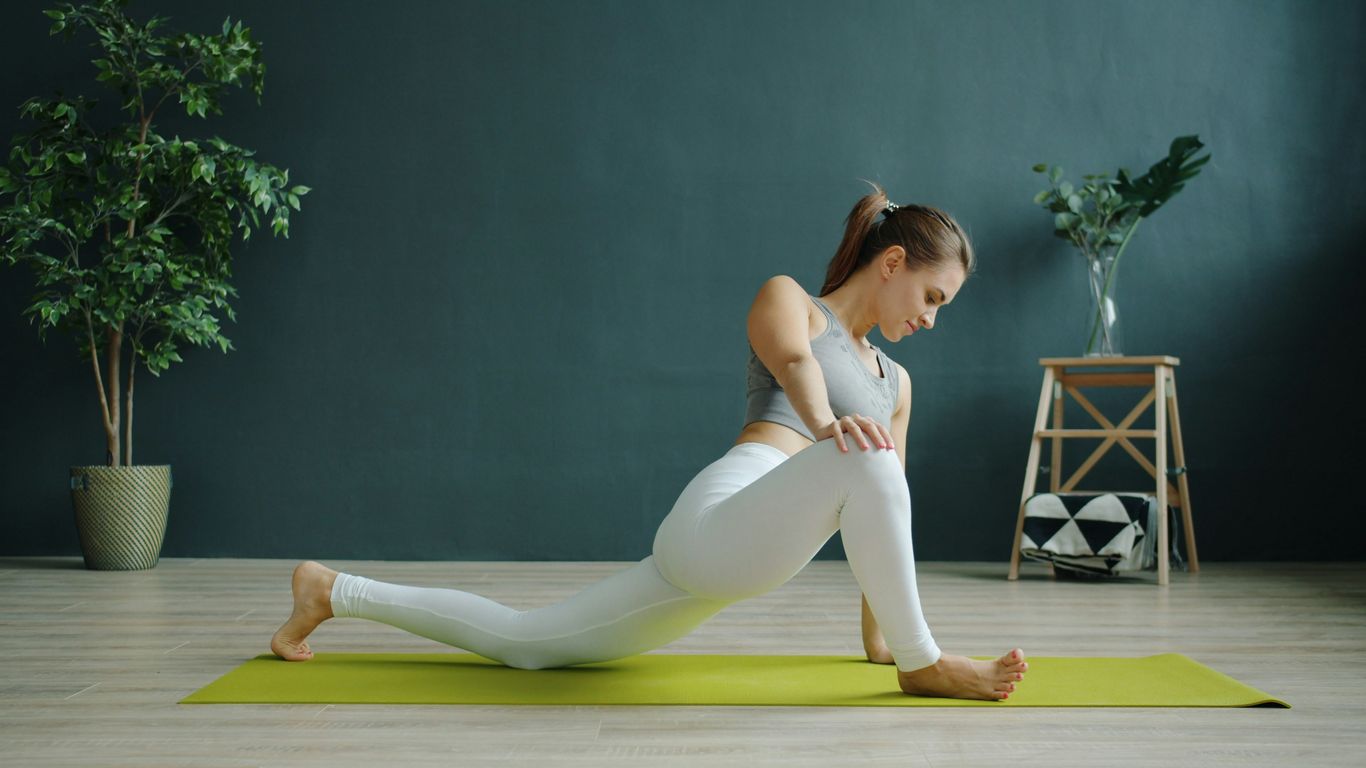
Thin mats, often around 2 to 3 mm, can suit standing sequences, balance drills, and practitioners who prefer strong contact with the floor. They are also appealing for travel because they roll or fold more easily and add less weight to a bag. On a hard surface, though, you may notice pressure in kneeling or seated poses.
A thin mat can be a good choice when your priority is portability and direct feedback. It may work especially well over carpet, a rug, or another surface that already provides some softness.
Medium-thickness mats for versatile everyday use
A 4 or 5 mm mat is often the easiest all-purpose option. It can provide enough padding for ordinary floor work while preserving a reasonably stable base for standing poses. This range makes sense for someone who practices a mix of flows, mobility work, and occasional restorative sessions.
For a portable everyday setup, the Yune Yoga Tofino Yoga Mat is documented as a 6 mm mat with non-slip traction, balanced cushioning, and lightweight transport. Its listed range of uses includes vinyasa, hot yoga, Pilates, and restorative flows, so it illustrates how a thicker mat can still be positioned for varied practice.
Thick mats for restorative and floor-based sessions
A 6 mm mat can feel noticeably kinder during kneeling, supine, and seated poses. It is a practical direction for restorative sessions, longer stretches, or anyone who finds a hard floor distracting. The extra depth may also make transitions to the floor less jarring.
Thicker does not automatically mean better, however. Check whether the mat stays stable beneath your hands and feet, particularly if your practice includes frequent standing balances or quick changes of position.
When a travel mat or yoga mat topper makes sense
A travel mat works well when carrying convenience matters more than maximum cushioning. You can also pair a thin travel mat with a carpeted room, a padded surface, or a second mat at home. A topper can refresh the feel of a firm base without asking you to carry a very thick mat everywhere.
The Yune Yoga Airstream Arches Yoga Mat is described as travel-ready, lightweight, lay-flat, and 6 mm thick, with cushioning for several kinds of practice. That combination shows why portability should be judged by the whole construction and carry experience, not by thickness alone.
Matching mat thickness to your body and needs
There is no single depth that suits every body. Sensitive contact points, limited mobility, body weight, and previous injuries can all change how a mat feels. Your most useful guide is the difference between mild support and persistent discomfort during ordinary poses. If pain is sharp, new, or worsening, stop and seek appropriate professional guidance rather than trying to solve it with equipment alone.
Supporting sensitive knees, wrists, and hips
Extra cushioning can make kneeling and seated poses more manageable, especially on hard floors. A 5 or 6 mm mat may reduce the sensation of pressing directly into the surface, but it should not replace careful alignment or modifications. You can also add a folded towel beneath one joint when only a few poses require more padding.
The support should feel even rather than unstable. If your wrists sink deeply or your knees still meet the floor through the mat, a change in technique or an additional prop may help more than simply buying a thicker option.
Considering body weight and joint mobility
A mat compresses according to both its construction and the pressure placed on it. Someone with more weight over a small contact area may notice softness sooner, while a person with limited joint mobility may value a little more room between the body and the floor. These are reasons to test the actual feel instead of choosing by a size chart alone.
Try several common positions and notice whether the mat bottoms out. A supportive mat should cushion the contact point without making the entire surface feel like a soft platform.
Adjusting for injuries or physical limitations
When an injury or physical limitation affects your practice, a thicker mat may make certain floor positions more tolerable, but it cannot diagnose the cause of discomfort. Use the depth as one adjustable part of your setup alongside blocks, bolsters, straps, towels, and altered ranges of motion. A teacher or clinician can help you decide which changes are appropriate.
Make the setup easy to adjust. If you need padding only under the knees, a small accessory can preserve a firmer surface elsewhere and keep your balance more predictable.
Balancing cushioning with proprioception
Proprioception is your sense of where the body is in space. A very soft mat can blur some of the feedback from the feet and hands, while a thinner, denser mat may make those points of contact feel clearer. Neither experience is universally better; the useful question is whether the surface helps you move with control.
During a balance pose, notice whether you are responding to the floor or fighting the mat. During a low pose, notice whether you can stay comfortable without collapsing into the surface.
Comparing stability, grip, and portability
Thickness affects how a mat feels, but grip determines whether you can trust that feel in motion. A stable mat should stay put on the floor and offer a surface that suits your hands and feet. Portability adds another practical concern: a mat that is perfect at home may be frustrating if it is difficult to carry. Weigh these traits together rather than treating millimeters as the deciding factor.
Why thicker mats can feel less stable
A thicker mat is not necessarily unstable, but softness and height can increase the sensation of wobbling. This is most noticeable in standing balances, transitions, and poses where the hands bear substantial weight. A dense 6 mm mat may feel more controlled than a low-density one, so construction matters as much as depth.
If you like generous cushioning but practice many balances, test the mat with bare feet. A few minutes of standing, shifting weight, and folding forward can reveal whether the surface feels supportive or overly springy.
How surface texture affects traction
Texture can help hands and feet stay connected, especially when the surface becomes warm or damp. A rougher finish may feel secure to one person and distracting to another. Moisture resistance and ease of cleaning also matter if you practice outdoors or carry the mat frequently.
For example, the DY66 Yoga Mat is described as a 6 mm mat with a non-slip surface, practice-proven grip, a lay-flat design, and light weight for commutes. Those documented features address several practical concerns at once, but your own traction preference still deserves a test.
Folding, rolling, and carrying different mat depths
Thin mats usually take up less space and can be easier to fold into luggage. Thicker mats may roll into a larger bundle, though a lightweight construction can offset some of that bulk. Check the packed dimensions, weight, and whether the mat stays rolled or lies flat without constant adjustment.
For frequent travelers, the best thickness is often the one you will actually bring. A slightly less cushioned mat in your bag is more useful than a comfortable one left at home.
Using towels and knee pads with thinner mats
Accessories let you fine-tune a thin mat without changing the entire setup. A towel can add a little padding beneath the knees or absorb moisture under the hands, while a knee pad can help during a small number of floor poses. These additions are also easy to remove when you want a direct, firm surface.
A simple layered setup can be especially useful when practicing in changing locations. Keep the base stable, then add support only where the body asks for it.
Selecting a yoga mat thickness for different surfaces
The floor beneath your mat changes the amount of cushioning you need. Hardwood and tile offer little forgiveness, while carpet already softens pressure but may reduce traction. Outdoor ground brings a different challenge: small stones, seams, and uneven patches can affect both comfort and stability. Choose the mat and any underlay as a pair.
Choosing a mat for hardwood and tile floors
Hard floors usually make extra cushioning more noticeable. A 5 or 6 mm mat can provide a more comfortable base for kneeling and seated work, provided it does not compress excessively. Look for a surface that stays flat and does not slide as you shift weight.
If you practice dynamic sequences, test both grip and movement. A cushioned mat that drifts across smooth flooring will create more frustration than comfort.
Practicing comfortably on carpet
Carpet can supply some padding, so a thinner or medium mat may be enough. The main concern may be whether the mat grips the carpet without bunching. A very thick mat on plush carpet can feel overly soft, particularly during balance work.
Try the mat over the exact carpet you use at home. Pile height and density vary widely, and the same mat can behave differently on a short office carpet and a deep bedroom rug.
Handling uneven outdoor surfaces
Outdoor practice calls for realistic expectations. A mat can soften minor roughness, but it will not turn gravel, roots, or deeply uneven ground into a level studio floor. Choose the flattest, cleanest area available and inspect it before unrolling.
A durable, easy-care surface is useful when the mat meets grass, sand, or damp ground. Bring a towel for wiping it down before packing it away.
Adding an underlay for extra support
An underlay can add separation from a cold or hard floor and may reduce sliding on some surfaces. It also gives you flexibility: you can keep a more portable mat for travel and add support when practicing at home. Make sure the layers stay aligned and do not create a moving stack.
For a broader perspective on texture, thickness, and floor connection, this mat selection checklist can help organize the trade-offs before you buy. The practical takeaway is simple: test the complete setup, not just the top mat.
How to test and maintain the right mat
A short trial often reveals more than a product description. Use the poses you practice most, on the surface where you will normally practice, and pay attention to what changes after several minutes. Comfort should remain consistent rather than appearing only when you first step on the mat. Maintenance then helps preserve the feel you chose.
Simple tests for comfort and balance
Start with a standing pose, a forward fold, a low lunge, and a seated position. Shift your weight slowly and notice whether your feet stay planted, your hands slide, or your knees feel excessive pressure. Then repeat one balance pose on both sides.
The useful signs are fairly ordinary:
- Your mat stays in place while you move.
- Your hands and feet feel supported without sinking deeply.
- Kneeling and seated poses remain tolerable.
- The mat lies flat instead of curling at the edges.
After these tests, ask whether the mat supports your actual routine rather than an imagined one. A comfortable daily choice usually beats a specialized mat that only feels right in one pose.
Checking whether the mat compresses too much
Press down with your palm, then try a plank or tabletop position. If the surface bottoms out quickly or leaves your wrists feeling sharply angled, it may be too soft for your practice. Repeat the test under one foot in a standing pose to see whether the compression affects balance.
Some compression is useful; the concern is excessive or uneven compression. A mat should give under pressure while still returning enough firmness for controlled movement.
Cleaning and storing thick and thin mats
Follow the care directions supplied with the mat and avoid storing it while damp. Wipe away sweat and outdoor debris, then let the surface dry fully before rolling it. Keep it away from prolonged heat and direct sun unless the manufacturer specifically permits those conditions.
Thicker mats may need a little more drying time because there is more material to air out. Thin mats are easier to pack, but they still benefit from being stored loosely enough to avoid permanent creases.
Knowing when to replace a worn yoga mat
Replace a mat when the surface becomes persistently slippery, the edges curl despite proper storage, or the material has tears and thin spots. A faded design alone does not necessarily mean the mat has failed, but visible wear in high-contact areas deserves attention. If your hands or feet no longer feel secure, do not wait for a dramatic break.
A mat is ready to retire when it interferes with practice or can no longer be cleaned effectively. Replacing it is part of keeping the setup predictable, especially for regular travel or outdoor use.
Conclusion
The ideal thickness of yoga mat is the one that gives you enough cushioning for your body and surface while preserving the stability, grip, and portability your practice requires. Start with your most common poses and location, compare how different depths compress, and use towels or other accessories when you need a small adjustment. With that approach, choosing a mat becomes less about chasing a perfect number and more about building a setup you will enjoy using.
Frequently Asked Questions
Is a 6 mm yoga mat too thick for balance poses?
Not necessarily. A dense 6 mm mat can feel stable, but a very soft one may make balancing less direct, so test it with standing poses before deciding.
What is the best thickness for a beginner?
A medium thickness, often around 4 to 5 mm, is a practical starting point because it balances cushioning and floor connection. A thicker mat may suit you better if hard surfaces make kneeling uncomfortable.
Is a 2 mm mat good for everyday yoga?
It can work for everyday practice if you value portability, practice on a forgiving surface, or prefer strong floor feedback. It may feel too thin for prolonged kneeling on hardwood or tile.
Does a thicker yoga mat protect joints better?
More depth can make contact with the floor feel more comfortable, but thickness is only one factor. Density, alignment, props, and the demands of a particular pose also affect how supported you feel.
Should I choose a different mat for travel?
A travel mat is useful when low weight and compact packing matter most. If it feels too thin on hard floors, pair it with a suitable underlay or use extra padding only for floor-based poses.
How can I tell if a yoga mat is too soft?
Try a plank, tabletop, and standing balance pose. If your hands or feet sink noticeably, your joints feel awkwardly angled, or you wobble more than usual, the mat may be too soft for your practice.
How often should I replace a yoga mat?
Replace it when grip remains poor after cleaning, the surface tears, edges curl, or worn areas affect your confidence and comfort. The timing depends on use, care, material, and exposure to outdoor conditions.


