

What is best yoga mat? A guide to choosing the right one
Key Takeaways
The best yoga mat depends less on a universal ranking and more on how, where, and how often you practice.
- Match grip and texture to your practice style and sweat level.
- Choose thickness for the right balance of cushioning and stability.
- Consider material, size, weight, cleaning, and expected lifespan together.
- Prioritize portability if you practice in studios, parks, hotels, or outdoors.
- Set a budget around the features you will genuinely use most.
Start with your yoga style and practice needs
The answer to “what is best yoga mat” starts with your routine. A mat for heated vinyasa has different demands from one used for meditation, gentle stretching, or occasional travel. Think about your usual surface, how much you sweat, and whether you need the mat to stay in one place at home or move with you.
Mats for hot yoga and sweaty sessions
Heat and perspiration can change how a mat feels under your hands and feet. Look for a surface that maintains traction when damp, and consider whether you will use a towel over it during especially sweaty classes. The Yune Yoga Hoth Yoga Mat is described as having non-slip traction that improves as you heat up, making that kind of performance a useful benchmark when comparing mats for dynamic sessions.
A grippy surface should still allow controlled movement rather than making every transition feel stuck. If you practice in a warm studio, test how easily you can reposition your feet without losing contact. A mat that feels excellent dry may not be the right choice once your palms become wet.
Mats for gentle yoga and meditation
Gentle yoga, restorative work, and meditation usually place more emphasis on comfort and a pleasant surface than on maximum wet grip. A little extra cushioning can make seated poses and kneeling positions more inviting, especially on a hard floor. Still, avoid choosing such a thick mat that standing poses feel unstable.
Texture matters here too. A surface that feels soft without being fuzzy is easier to clean and less distracting during quiet practice. If your sessions are mostly slow and floor-based, comfort, warmth, and a calm feel may matter more than a competition-ready traction system.
Mats for balance-focused practices
Balancing poses reward a mat that feels predictable under pressure. Too much spring can make small ankle adjustments harder, while a very slick surface can turn alignment work into a constant battle. A moderately cushioned mat with a firm base often gives a useful middle ground.
Pay attention to how the mat behaves when you shift weight from one foot to the other. The Yune Yoga Skaro Yoga Mat is described as combining rock-steady grip with balanced cushioning, illustrating the kind of stable foundation to look for when balance and controlled transitions are central to your practice.
Mats for travel and portable practice
A travel mat should be judged as much by its packed size as by its feel during practice. Thin, lightweight designs are easier to fit into luggage or carry through a commute, though they may provide less cushioning than a full studio mat. If you practice on unfamiliar floors, you may also want a travel mat that can be placed over a hotel-room carpet or another mat for added comfort.
Portability is most useful when it removes friction. A mat that is simple to fold, carry, and unroll is more likely to come along for a weekend away or an outdoor session. Yune Yoga’s emphasis on portable practice is especially relevant for people who do not want their gear to dictate where they can practice.
Compare the most important yoga mat materials
Material affects grip, weight, smell, resilience, and cleaning needs. No material wins in every category, so compare it with your actual practice rather than relying on a single “best” label. The surface finish and construction can matter just as much as the material named on the packaging.
PVC for grip and long-term durability
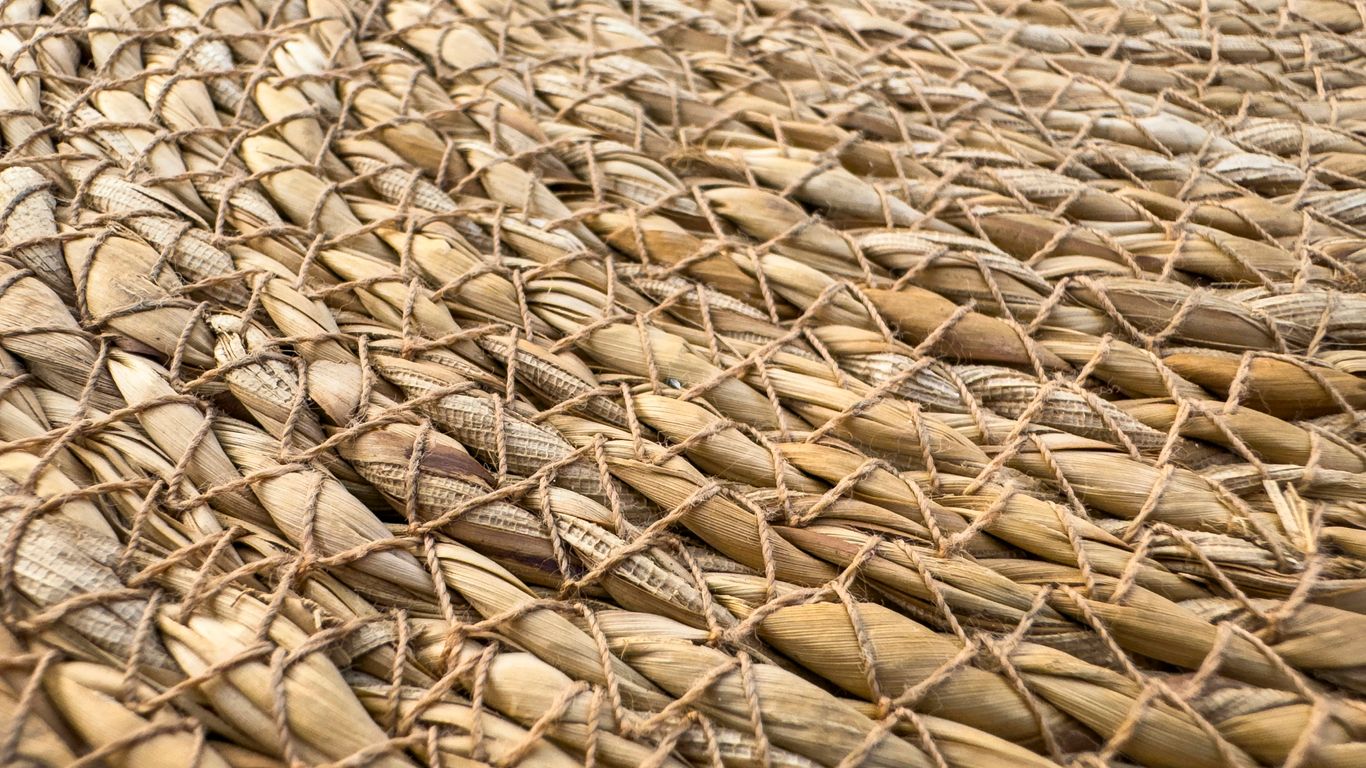
PVC mats are often chosen for their consistent texture and ability to hold up to frequent use. They can feel supportive and stable, but their weight and environmental profile vary by product. Inspect the actual construction, surface finish, and care instructions rather than assuming every PVC mat will feel the same.
A PVC option may suit someone who practices regularly in one location and wants a dependable surface. If you prefer to avoid latex or phthalates, check the specifications carefully; material labels alone do not answer every question about composition.
Natural rubber for cushioning and traction
Natural rubber can provide a cushioned, secure feel and is often appealing to practitioners who want strong traction. It may have a noticeable odor at first, and people with latex sensitivities should read the product details carefully. Rubber can also be heavier than some synthetic alternatives, which matters when the mat travels.
The right rubber mat should feel stable without being difficult to clean. Consider whether you practice in heat, whether you need to carry the mat regularly, and how much initial odor you are willing to tolerate. Those practical details can outweigh a material’s reputation.
Cork for moisture resistance and stability
Cork has a distinctive natural texture and can become more secure as moisture reaches the surface. It is worth considering for sweaty sessions or anyone who prefers a less sticky-feeling mat. For a broader look at cork’s wet-and-dry traction and renewable material options, see this guide to cork yoga mats.
Cork may feel firmer and less plush than a thick foam-like surface. That can be helpful for stability, but it is not ideal for every sensitive joint or every floor. Try to separate the attraction of a natural-looking material from the support and grip you actually need.
TPE and other lightweight alternatives
TPE and other lightweight materials can make a mat easier to carry, especially for commuters and travelers. Their feel ranges from soft and springy to firm and textured, so “lightweight” does not tell you enough by itself. Look for clear information about thickness, surface grip, cleaning, and expected use.
A lighter mat may be the sensible choice if you practice in several places. The trade-off could be less density, a shorter service life, or a surface that changes feel over time. Weigh those possibilities against how often you will carry it.
| Material | Common strength | Potential trade-off | Often suits |
|---|---|---|---|
| PVC | Consistent grip and durability | Can be heavier or less eco-preferred | Frequent home or studio use |
| Natural rubber | Traction and cushioning | Odor, weight, or latex concerns | Dynamic, grip-focused practice |
| Cork | Moisture response and firm feel | Less plush cushioning | Sweaty or stability-focused sessions |
| TPE | Low weight and flexible feel | Quality varies widely | Commuting and travel |
This comparison is a starting point, not a verdict. Read the manufacturer’s specifications and, when possible, feel the surface in person before committing.
Choose the right thickness and cushioning
Thickness changes the relationship between your body and the floor. A thicker mat can make kneeling and reclining positions more comfortable, while a thinner one can make standing and balancing feel more direct. The best choice depends on joint sensitivity, practice style, and the surface beneath you.
When a thin mat improves stability
A thin mat reduces the amount of material between your feet and the floor. That closer connection can help with standing balance, weight shifts, and poses where you need clear feedback from the ground. It may also be easier to fold or roll for travel.
The downside is that hard floors become more noticeable. If your practice includes lots of kneeling or low-to-the-ground work, a thin mat may feel unforgiving. Choose it when stability and portability clearly matter more than plush comfort.
When extra cushioning protects sensitive joints
Extra cushioning can make repeated kneeling, lunges, and seated work more comfortable. It is particularly useful if your practice takes place on tile, concrete, or another firm surface. However, comfort should not come from excessive softness that makes your hands and feet sink or wobble.
Try the mat in the positions you use most. A few minutes of standing, kneeling, and lying down will reveal more than pressing one finger into the foam. If needed, a small knee pad can add targeted support without making the entire mat thick.
The balance between comfort and balance
Most practitioners need a compromise rather than an extreme. Medium thickness often provides enough cushioning for floor work while preserving a grounded feeling for standing poses. The ideal density is firm enough to support transitions but comfortable enough for longer holds.
This is where personal preference becomes meaningful. Two mats with the same listed thickness can feel very different because of their density and surface construction. Focus on the sensation under load, not just the number on the label.
How floor type affects thickness choice
Your practice surface should be part of the buying decision. Carpet may provide some softness but can make a very cushioned mat feel less stable, while wood and tile may call for more protection. Outdoor ground introduces another concern: small irregularities can be felt through thin materials.
Before shopping, identify your most common practice location and your least forgiving one. If you move between surfaces, choose a versatile middle option or use a thin travel mat over a more cushioned base when practical. This approach can be more useful than buying the thickest mat available.
Evaluate grip, texture, and performance
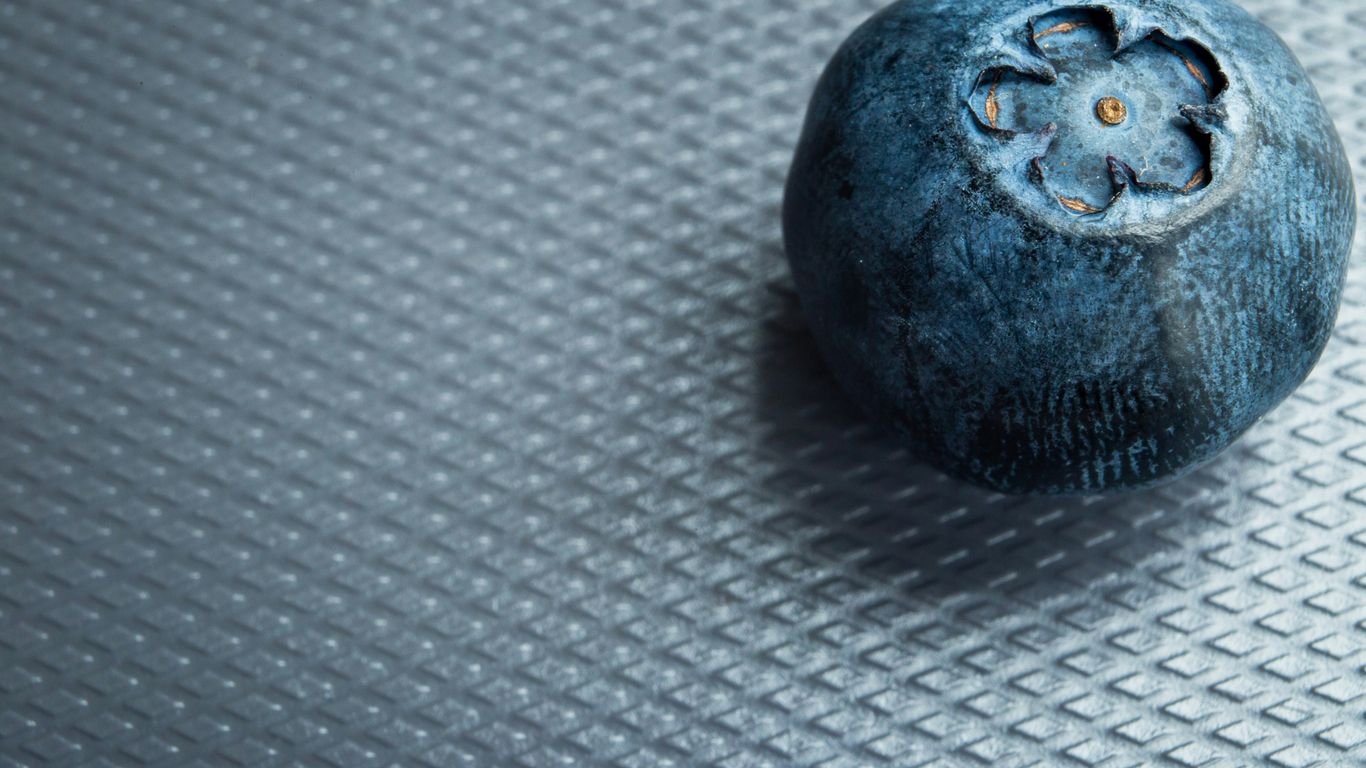
Grip is not one single quality. A mat can feel sticky when dry but become slippery with sweat, or it can offer a textured hold that feels secure without leaving residue. Pay attention to both hand and foot traction, especially during transitions where your weight moves quickly.
Dry grip versus wet grip
Dry grip matters for everyday practice, but wet grip is the deciding factor for heated or vigorous sessions. If you sweat heavily, look for clear information about moisture response and consider whether a towel is part of your setup. The Yune Yoga Tofino Yoga Mat is described as offering non-slip traction for practices including hot yoga, which is the kind of specific use information worth seeking.
Do not assume a rough-looking surface will automatically perform well when wet. If possible, test it with damp hands or read reviews that discuss real use rather than only first impressions. Grip should support movement without forcing you to tense your fingers and toes.
Open-cell and closed-cell surfaces
Open-cell surfaces may feel more absorbent and can provide strong contact during sweaty practice, but they may require more careful cleaning. Closed-cell surfaces generally resist moisture entering the material and can be simpler to wipe down. Neither term alone tells you how pleasant or durable the mat will be.
Ask how the surface should be cleaned and dried. A mat that needs extensive care may become inconvenient if you practice daily. Your cleaning habits are part of performance because residue can eventually affect traction.
How texture affects movement and control
Texture influences how easily you can pivot, slide, and settle into position. A pronounced pattern can give useful traction, while a smoother finish may allow more fluid transitions. The right answer depends on whether your practice is slow and precise or continuous and movement-heavy.
Notice whether the texture irritates your palms or catches against clothing. Reliable grip without distraction is a practical goal: you want enough resistance to feel secure, not so much that every adjustment becomes awkward. A surface should help you control movement rather than dictate it.
Preventing slipping during transitions
Slipping often happens when the mat shifts underneath you, when your hands move on the surface, or when sweat reduces contact. A level floor and a fully unrolled mat are basic but meaningful starting points. Keep the surface clean, place your hands deliberately, and use a towel when the session demands it.
If your mat curls at the edges or bunches during movement, check how it is stored and whether the floor is smooth. For outdoor use, remove grit before rolling the mat away. Small habits protect both traction and the mat itself.
Consider size, weight, and portability
A mat should give you enough room to practice without becoming a burden to carry. Standard dimensions work for many people, but height, arm span, and the amount of floor work in your routine can change the calculation. Portability also includes how easily the mat fits into a car, suitcase, locker, or crowded hallway.
Standard mat dimensions
Many mats are roughly two feet wide and just under six feet long, though exact dimensions differ. That can be enough for standing sequences and basic floor work, but check your reach in poses where arms and legs extend beyond your torso. A mat that is slightly too narrow can feel limiting during wide-leg positions.
Measure your available practice space as well. At home, a mat that fits neatly in its usual location is easier to use consistently. In a studio, confirm whether larger dimensions will crowd neighboring practitioners.
Extra-long and extra-wide options
Extra length can be valuable for taller practitioners or anyone who wants more room during reclining poses. Extra width helps with broad stances and floor exercises, but it adds material and may increase weight. The benefit is greatest when the added space solves a real recurring problem.
Do not choose a larger mat simply because the dimensions sound generous. Check storage and transport first. A mat that remains rolled up because it is awkward to move is not serving your practice well.
Lightweight mats for commuting and travel
Weight becomes noticeable when you carry a mat several times a week. Thin travel mats are easy to pack, though they may need a softer floor or a second layer for comfort. If you travel by air, also consider whether the mat folds flat or can fit inside your existing luggage.
A portable setup can be especially useful for hotel rooms, parks, beaches, and spontaneous practice. The Yune Yoga Ataraxy Yoga Mat is described as portable and easy to clean while offering cushioning and traction for several practice styles, a combination that fits people who want one mat for varied locations.
Features such as straps and carrying bags
A strap or carrying bag can make a heavier or longer mat much easier to manage. Look for secure closures, comfortable handles, and enough room for the rolled mat without forcing it. A simple strap may be preferable if you already have a tote or backpack.
Think about the rest of your gear too. Towels, water bottles, and blocks can turn a neat mat into an awkward bundle. The most useful accessory is the one that keeps your setup compact and ready to leave the house.
A practical travel setup usually includes:
- A mat that folds or rolls without fighting its edges.
- A strap or bag suited to your commute.
- A towel for sweat and quick surface changes.
- A small cleaning cloth or spray approved for the material.
These details do not replace a good mat, but they reduce the small obstacles that make portable practice less appealing. Pack the setup once and see whether you can carry it comfortably before buying additional accessories.
Check durability, maintenance, and sustainability
A mat’s value is closely tied to how it behaves after months of use. Look for edges that remain flat, a surface that does not crumble or peel, and construction that tolerates regular rolling. Maintenance should be realistic for your schedule, not a complicated ritual you will avoid.
How to clean and store a yoga mat
Follow the care instructions for the specific material and surface. In general, wipe away sweat after practice, allow the mat to dry fully, and store it out of direct heat and sunlight. Avoid soaking a mat unless the manufacturer explicitly permits it.
Roll it with the top surface facing outward or inward according to the care guidance, especially if the edges tend to curl. Keep it away from sharp objects and do not leave it damp inside a closed bag. These basic steps help preserve grip and reduce odor.
Signs of quality construction
Inspect seams, printed designs, edges, and the underside. A well-made mat should lie flat, resist tearing during normal use, and maintain a consistent surface. If the mat has a printed pattern, check that the finish does not feel brittle or likely to flake.
Clear specifications are a positive sign too. A seller should explain dimensions, thickness, materials, cleaning, and any relevant sensitivities without making you guess. For another example of why documented decisions and clear expectations matter, see this custom home builder guide; the subject differs, but the buying habit transfers well.
Odor and break-in considerations
Some new mats have an odor that fades with airing out, while others arrive with little smell. Put the mat somewhere ventilated and follow the care instructions rather than using harsh cleaners to speed up the process. If a smell remains strong or causes irritation, stop using the mat and contact the seller.
A surface may also change slightly during its first few sessions. That is different from peeling, cracking, or losing traction. Keep notes on how the mat feels over time so you can distinguish normal settling from poor durability.
Eco-friendly materials and manufacturing claims
Terms such as eco-friendly, natural, and sustainable can mean different things. Look for specific material details, information about latex or phthalates when relevant, and practical guidance about disposal or recycling. A convincing claim should give you something concrete to evaluate.
Consider longevity as part of sustainability. A mat that lasts through years of regular practice may create less waste than a cheaper mat replaced repeatedly. Your choice can reflect both material preferences and how often you expect to use the product.
Match the mat to your budget and priorities
Price should follow your priorities, not replace them. A budget mat can be perfectly suitable for a new or occasional practitioner, while a more expensive option may make sense for daily use or a demanding environment. Compare the features that affect your practice most: grip, cushioning, size, weight, and care.
What to expect from budget yoga mats
Lower-priced mats often offer basic cushioning and a straightforward surface. They may be lighter on the wallet but less consistent in grip, odor, edge stability, or long-term wear. That does not make them a bad choice if you are testing whether yoga will become part of your routine.
Buy with realistic expectations. If the mat is for occasional gentle sessions, you may not need premium durability or advanced wet grip. If you practice every day, replacing a worn mat quickly can cost more than choosing a sturdier one initially.
When a premium mat is worth the cost
A premium mat is worth considering when you practice frequently, need dependable traction, or want a material and construction that hold up over time. It can also be worthwhile if a specific size or feel solves a problem you have repeatedly encountered. The price should correspond to a feature you can identify and use.
Read the warranty and care policy before assuming a higher price guarantees everything. Independent reviews can help you compare grip, durability, and weight; this tested yoga mat comparison is one example of the kind of evaluation readers can consult alongside product specifications.
Features worth paying more for
Spend more selectively when a feature improves your actual routine. Common priorities include stronger wet grip, a surface that stays flat, a larger usable area, reliable cushioning, or a lighter design that you will carry often. A durable finish may also justify the cost when the mat is used daily.
Avoid paying for decoration or claims you cannot verify. A beautiful pattern can make practice more inviting, but it should not distract from the surface, size, and care requirements. The best upgrade is usually the one that removes a recurring annoyance.
A practical checklist before buying
Before choosing, write down your non-negotiables and the compromises you can accept. If you are comparing products across unrelated categories or purchases, even a guide to visa bulletin timing or a list of free online games demonstrates the same useful principle: define the decision criteria before reacting to options. Keep the comparison focused on your mat, though.
Ask yourself:
- Where will I practice most often?
- Do I need dry grip, wet grip, or both?
- How much cushioning feels supportive without wobbling?
- Will I carry or store the mat regularly?
- Which material and care requirements fit my preferences?
Once these answers are clear, the field becomes much smaller. Choose the mat that meets your essential needs without adding features you will not use.
Conclusion
There is no single mat that is best for every practitioner. Start with your practice style, then compare grip, cushioning, material, size, portability, maintenance, and price in that order of personal importance. A thoughtful choice should feel stable under movement, comfortable on your usual floor, and easy enough to use wherever your routine takes you.
Frequently Asked Questions
What is the best yoga mat for beginners?
A medium-thickness mat with dependable grip, moderate cushioning, and manageable weight is a practical starting point. Choose a surface that feels comfortable for both standing and floor-based poses.
Is a thicker yoga mat always better?
No. Extra thickness can improve comfort on hard floors, but too much softness may reduce stability during standing and balancing poses. Match thickness to your joints, floor, and practice style.
Which yoga mat material has the best grip?
Grip depends on the surface finish, texture, and moisture response as well as the base material. Test or research both dry and wet performance before deciding.
How do I choose a yoga mat for hot yoga?
Prioritize wet grip, secure floor contact, and easy cleaning. A towel may also be useful during especially sweaty sessions, depending on the mat’s surface.
How often should I clean my yoga mat?
Wipe it after sweaty sessions and clean it more thoroughly according to the manufacturer’s instructions. Always let it dry fully before rolling or storing it.
What size yoga mat should I buy?
Start with a standard size, then consider extra length or width if your height, arm span, or poses regularly take you beyond the mat’s edges. Check storage and studio space before going larger.
Are eco-friendly yoga mats worth considering?
They can be, especially when the materials and manufacturing claims are specific and the mat is durable enough to use for years. Evaluate longevity, care, and disposal alongside the label.

