

Dimensions of yoga mat: Standard sizes, measurements, and how to choose
Key Takeaways
The right mat dimensions should fit your body, your practice, and the place where you will use it. Length, width, thickness, and portability all matter together.
- A standard yoga mat is often about 68–72 inches long and 24 inches wide.
- Taller practitioners and full-length resting poses may benefit from an extra-long mat.
- A wider mat gives more room for lateral movement, but it also takes up more storage space.
- Thickness affects cushioning, balance, weight, and how closely you feel connected to the floor.
- Measuring your practice area before buying prevents an awkward fit at home or in a studio.
Understanding standard yoga mat dimensions
When people search for the dimensions of yoga mat options, they are usually comparing three measurements: length, width, and thickness. These numbers affect how much of your body stays on the mat, how freely you can move, and how easy the mat is to carry. There is no single size that suits every practitioner, but standard measurements make a useful starting point.
Typical mat length and width
A conventional yoga mat is commonly around 68 inches long and 24 inches wide. Some everyday mats extend to 72 inches, which gives a little more room without making the mat dramatically harder to store. For many practices, that footprint is enough for standing poses, kneeling work, seated stretches, and a typical Savasana.
Length matters most when your head or heels regularly reach the edge. Width is more noticeable during lunges, star-shaped positions, strength exercises, or any sequence that moves from side to side. A mat can be technically usable while still feeling cramped, so think about your movement pattern rather than the number alone.
Common thickness options
Thickness is usually listed in millimeters or inches. Very thin travel mats may be close to 1/16 inch, everyday mats are often around 1/8 inch, and cushioned options can approach 1/4 inch. As thickness increases, the mat generally feels softer under the knees and hips, though it may also feel less stable in balancing poses.
A useful comparison is to consider the surface beneath you. A thin mat on carpet may feel perfectly comfortable, while the same mat on hard tile can feel unforgiving. The measurement is only half the story; the floor, your joints, and your preferred sense of stability complete the decision.
How dimensions vary by yoga mat type
Travel mats usually prioritize low weight and packability, sometimes sacrificing cushioning. Studio and daily-use mats tend to stay near the familiar standard footprint, while extra-long or wide mats give taller people and expansive practices more surface area. Some mats are also designed for use beyond yoga, such as Pilates, mobility work, or bodyweight training.
For a clearly specified example, the Yune Yoga Skaro is described as a 6mm non-slip mat with balanced cushioning, practice-proven traction, and portable construction. Those documented features speak to grip and thickness rather than suggesting that every mat in the category has the same dimensions.
Why advertised measurements may differ slightly
Small differences between a listed measurement and the mat in your room are normal. Manufacturing tolerances, rounded product specifications, edge shape, and the way a mat lies after being rolled can all affect the final measurement. A textured edge may also make the usable area feel slightly different from the full outside dimensions.
If a precise fit matters, check the product’s stated measurements and leave a little margin in your room plan. Avoid choosing a mat based on a single rounded number when the available floor space is tight.
Comparing yoga mat sizes by practice style
The best mat size depends on what your practice actually looks like. A quiet, compact session in a hotel room has different requirements from a flowing practice with wide transitions. Consider where you practice, how much you move, and whether you need to carry the mat often.
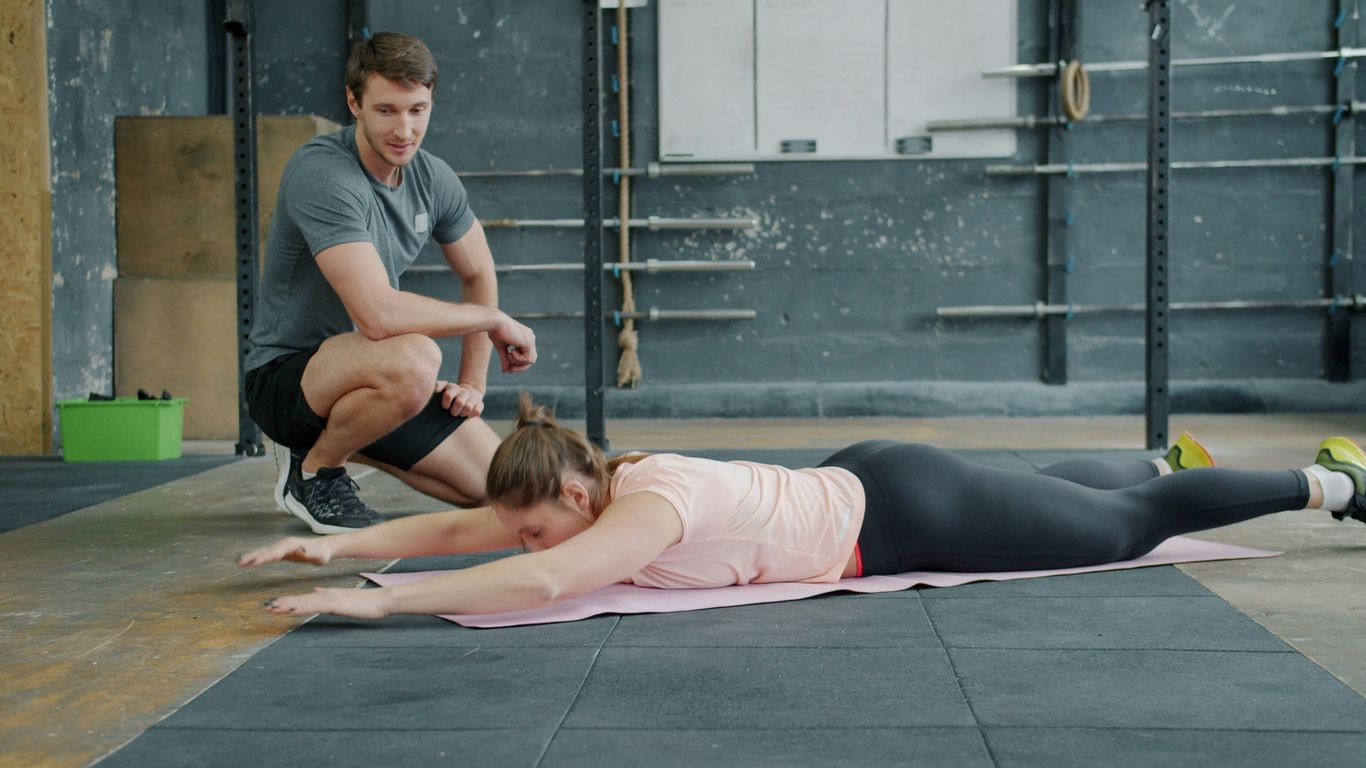
Compact mats for travel and small spaces
A compact or foldable mat can be useful for hotel rooms, office breaks, parks, and other temporary setups. It is easier to tuck into luggage and less demanding when floor space is limited. The trade-off is usually less padding and a smaller feeling footprint, so a compact mat may work best on top of a carpet or another exercise surface.
Portability is a central consideration for Yune Yoga, whose brand brief highlights foldable travel mats designed to make practicing in different locations more convenient. Choose compact dimensions when regular transport matters more than having maximum room under every pose.
Standard mats for everyday yoga
Standard mats suit many home and studio routines because they balance usable surface area with manageable storage. They work well for upright sequences, kneeling poses, seated work, and moderate movement across the mat. If you practice in a shared studio, a familiar width also makes it easier to fit into marked spaces.
The Yune Yoga Sam is documented as a 6mm mat with a 24-by-72-inch footprint, dependable non-slip traction, and a lightweight design. That makes it a practical example of a standard-width mat with a slightly longer length, without treating its features as universal to all mats.
Extra-long mats for taller practitioners
Extra-long mats are helpful when your height or preferred resting position regularly places your head or feet beyond a standard mat. They can also make transitions feel less interrupted when you move from standing to lying down. Before choosing one, measure the rolled size as well as the flat size, since additional length affects transport and storage.
A longer mat is not automatically better for a smaller room. It may extend into furniture, doorways, or another person’s practice area. The right choice is the longest size that fits comfortably where you intend to use it.
Wide mats for additional movement space
A wide mat gives your arms and legs more room during lateral movement, broad stances, and exercises that are not limited to a straight line. It can feel especially useful if you use the mat for Pilates, mobility work, or strength training as well as yoga. The extra width, however, increases the floor area required and may make a rolled mat bulkier.
Use a wide mat when the additional space solves a real problem rather than simply sounding generous on a product page. In a shared studio, check whether the width will crowd neighboring mats.
Choosing the right mat length for your height
Height provides a helpful first filter, but it is not the only factor. Your sleeping position, the way you stretch, and how much you move during transitions can all change the length you need. A mat should let you settle into common floor poses without constantly adjusting your body to stay centered.
How much extra length you need
A simple approach is to compare your standing height with the mat’s length and then add room for movement. Many people prefer several extra inches beyond their height so their head and feet can remain on the surface when lying down. The exact amount is personal, especially if you practice long stretches or use the mat for floor exercises.
Measure yourself lying down in the positions you use most. If your arms extend overhead or your legs reach beyond your standing height, those positions may reveal a need for more length than a basic standing comparison suggests.
When a standard mat is long enough
A standard mat is often sufficient when you are shorter than the mat, mostly practice upright or centered poses, and have limited storage space. It can also be a good choice for studio classes where compact, predictable footprints are convenient. Many practitioners prefer the familiar feel and easier transport of a standard size.
Pay attention to how often you touch the floor outside the mat. If your head, knees, and heels usually stay within the surface during your regular sequence, adding length may not improve your experience enough to justify the extra bulk.
Situations that call for an extra-long mat
An extra-long mat becomes more appealing when your heels or head repeatedly land off the mat, or when you practice broad flows with long transitions. It may also help if the mat doubles as a surface for stretching, core work, or relaxation. These uses often require more continuous coverage than a standing-only practice.
Before buying, check the dimensions in both inches and centimeters. This avoids confusing a small increase in length with a genuinely extra-long option, particularly when shopping across different regions.
How sleeping and stretching positions affect fit
Savasana, supine twists, hamstring stretches, and overhead arm positions can all use more length than a standing pose. Lie down on the floor and mark where your head and feet land, then add space for natural movement. That quick test is more useful than guessing from your height alone.
A mat does not need to cover every inch of the room, but it should support the positions you hold for several minutes. Comfort often improves when you can stop thinking about whether your body is over the edge.
Choosing the ideal yoga mat width
Width changes the way a mat feels during movement. A standard width keeps the mat relatively light and easy to place in a studio, while a wider surface creates more freedom around the shoulders, hips, hands, and feet. The best option depends on both your body and your available floor area.
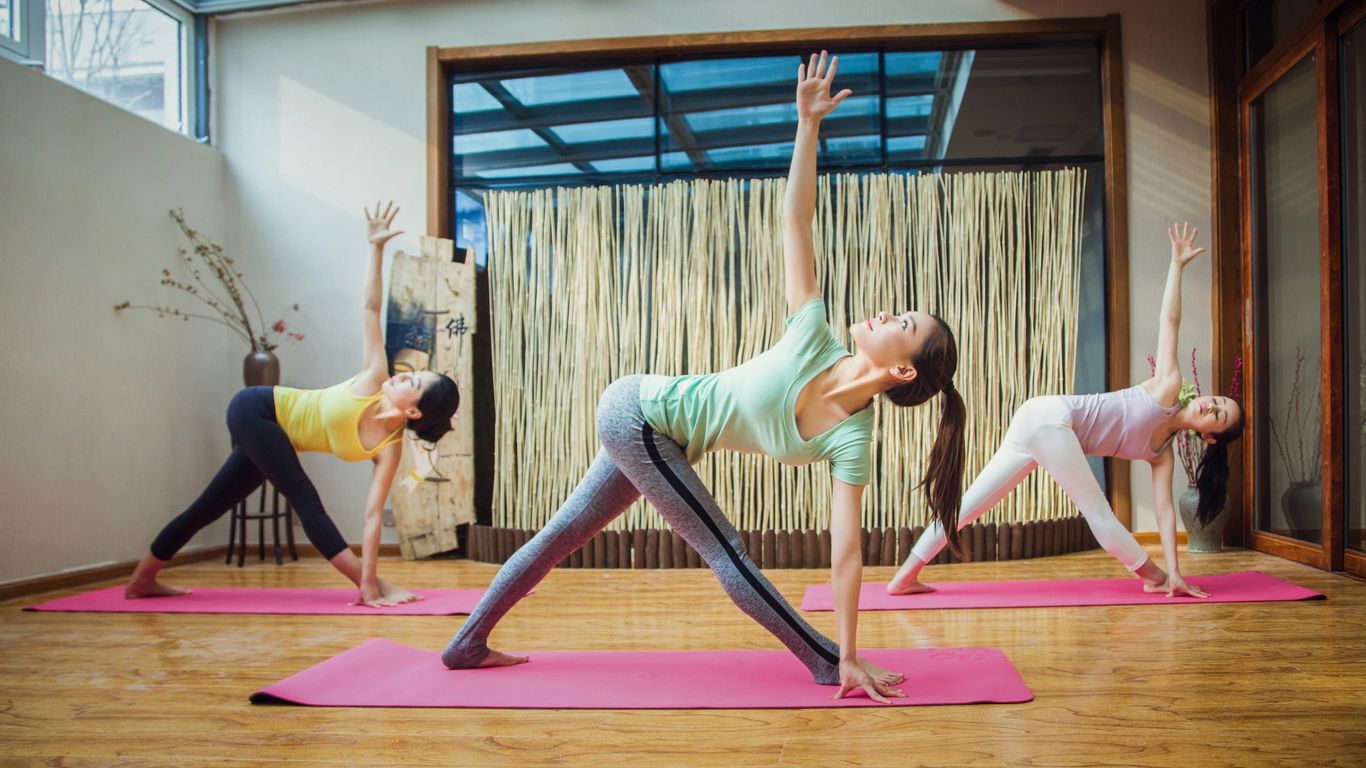
When standard width provides enough room
A width near 24 inches is enough for many traditional sequences and centered poses. It is convenient when your hands and feet generally track along the mat’s length, and it makes carrying and storing the mat straightforward. Standard width is also less likely to overlap a neighbor’s space in class.
You may not need extra width if you rarely practice wide-legged poses or lateral transitions. Try a standard mat in your usual sequence and notice whether you are moving off the sides because of technique or because the surface genuinely feels too narrow.
Benefits of a wide yoga mat
A wide mat can make broad stances, side bends, floor mobility, and cross-body movements feel less restricted. It gives you more room to reposition your hands and feet without stepping onto the floor. This can be useful for people who combine yoga with general floor workouts.
The benefit is practical rather than automatic. More surface area can improve freedom of movement, but it also means more material to carry and more floor to clear before each session.
Room requirements for home and studio use
At home, measure the usable width between furniture, walls, and other equipment. In a studio, consider the space between neighboring practitioners and whether the teacher expects mats to line up in a particular way. A mat that fits your body but blocks a walkway is not a good fit for the room.
Create a rectangle with painter’s tape before purchasing. Walk around it, extend your arms, and test a few wide positions. This gives you a better sense of practical clearance than looking at numbers on a screen.
Balancing personal space with portability
Wider mats offer a more generous practice area, but they can be harder to roll tightly and may take up more room in a car or closet. If you travel frequently, a standard-width mat may be easier to live with even if a wide mat feels nicer at home. Consider how often you will carry it compared with how often you will use the extra space.
For another portable option, the Yune Yoga Galactic Knight is documented as a 24-by-72-inch mat with a carrying strap, anti-slip backing, and lightweight soft material. Those details illustrate how a standard-width footprint can remain travel-oriented when transport features are part of the design.
Selecting yoga mat thickness for comfort and stability
Thickness is a balance between cushioning and floor feedback. More padding can make kneeling and lying-down poses feel gentler, while less padding can help you sense the ground during balance work. Your floor and the way you travel with the mat should influence the decision just as much as your preference for softness.
Thin mats for balance-focused practices
Thin mats keep you closer to the floor and often weigh less. That direct contact can feel helpful in standing balances and controlled transitions, where a very soft surface may feel unstable. Thin options are also convenient for travel, especially when they fold rather than form a large roll.
Because there is less cushioning, test a thin mat on the hardest surface where you plan to practice. If your knees or hips feel pressured, you may need a medium-thickness mat or a separate layer for floor poses.
Medium-thickness mats for general use
Medium thickness is a popular middle ground for everyday practice. It can provide noticeable cushioning without feeling overly soft, and it usually remains manageable to carry. A mat around 6mm is often positioned for general use, though the material’s firmness and texture affect how that measurement feels.
Look for a combination of thickness, grip, and the actual surface beneath you. Comfort and stability are not opposites, but increasing one can sometimes change the other.
Thick mats for joint cushioning
Thicker mats can feel more forgiving under knees, wrists, hips, and the spine during floor-based work. They may suit restorative sessions, stretching, and people who simply prefer a softer landing. The compromise is extra weight and a less direct connection to the floor during balance poses.
If you choose a thick mat, check whether it compresses significantly under your hands and feet. A soft top layer may feel pleasant at first but can create wobble if the material gives too much during standing work.
How flooring changes the best thickness
Hard wood, tile, and concrete usually make cushioning more noticeable, while carpet can provide some support on its own. Uneven outdoor surfaces may require a durable mat with enough padding to smooth minor irregularities, though a yoga mat is not a substitute for a level practice area.
The most sensible thickness is the one that feels comfortable on your actual floor. If you practice in several places, choose for the hardest regular surface and consider portability for the rest.
A short demonstration of yoga mat sizing can be useful when you are comparing how thickness and footprint look in practice. Watch for the way a mat sits on the floor, not just the number printed in its title.
Factoring in weight, portability, and storage
Dimensions affect more than comfort once you start carrying the mat. A longer, wider, or thicker mat usually contains more material, which can increase its rolled size and weight. Since Yune Yoga emphasizes convenience and portability, these practical details deserve attention before you choose a larger surface.
How size affects carrying comfort
A mat can be ideal on the floor and frustrating on the way there. Consider the distance to your studio, whether you use public transport, and whether you need to carry other equipment. A lightweight standard mat may be more useful than a heavier wide mat if you practice away from home several times a week.
Check the listed product weight when available, and think about how the mat feels over your shoulder rather than relying on appearance. A carrying strap can help, but it does not eliminate the effect of extra length or thickness.
Folding versus rolling for transport
Foldable mats can fit into luggage and shallow storage spaces, while rolled mats often unroll into a more familiar full-size surface. Folding creates visible creases and may feel different under the hands, but it can be worthwhile for flights, hotel rooms, or small cars. Rolling is generally simpler for regular studio trips.
Choose the transport style that matches your routine. A mat that is easy to pack is more likely to be used when the practice location changes.
Storage considerations for small rooms
Measure the closet, shelf, or corner where the mat will live when rolled or folded. A long mat may need vertical storage, while a thicker mat can require a wider diameter when rolled. Keep enough room to remove it without knocking over furniture or other exercise equipment.
Small-space storage also benefits from a consistent home. In a calm room influenced by living room decor, the mat can be stored neatly rather than left across the floor between sessions.
Travel dimensions for planes and cars
For air travel, compare the folded or rolled dimensions with your luggage, since a full-size mat may not fit inside a suitcase. In a car, check trunk depth and whether the mat can lie flat or stand safely without blocking visibility. A compact mat may be the better choice for frequent trips even if it is not your most cushioned option.
A quick packing test is worthwhile: place the mat beside your bag, shoes, towel, and clothing. If it crowds everything else, the stated dimensions are already telling you something important about portability.
Measuring your space before buying a yoga mat
A floor plan can settle many sizing questions quickly. Measure the area where you will actually practice, rather than the largest open area you can see. Include the space needed to walk around the mat, move your arms, and reach nearby equipment without bumping into anything.
Checking floor length and usable width
Use a tape measure to record the clear length and width of the floor. Then compare those measurements with the flat mat dimensions, leaving room for natural movement. If the room narrows near a doorway or sofa, use the narrowest usable point rather than the room’s widest measurement.
For general reference, a yoga mat size chart can help you compare standard and custom dimensions before you translate them into your own room. The chart is a starting point, not a substitute for measuring.
Leaving clearance around the mat
Clearance keeps the practice area safer and less distracting. Leave enough space for your arms, feet, and a small amount of repositioning, especially if you practice dynamic flows. You do not need a huge empty room, but a mat pressed against a wall on every side can feel restrictive.
Test the outline with tape for one session. Move through your most expansive poses and see where your hands and feet travel before committing to a wider or longer purchase.
Accounting for furniture and workout equipment
Furniture, weights, blocks, straps, and tables can reduce the usable footprint more than expected. Mark where each item sits during practice, not just where it sits when the room is tidy. If you share the room, include the clearance needed for another person to pass through.
A small room may work well with a standard mat and movable accessories. A wider mat may require rearranging furniture every time, which can make the setup feel like a chore.
Matching mat dimensions to your practice area
Once you know the available space, compare it with your preferred length and width, then revisit thickness and storage. A slightly smaller mat that is always easy to unroll may serve you better than a larger one that remains packed away. The right dimensions should support regular use, not just look impressive in a product listing.
If your practice area is shared or unusually shaped, prioritize a mat that fits without blocking movement. Practical consistency is often the clearest sign that you chose well.
Conclusion
The best yoga mat size is the one that gives your body enough room, supplies suitable cushioning for your floor, and remains easy to carry and store. Start with standard dimensions, measure your practice area, then adjust length, width, or thickness only where your routine calls for it.
Frequently Asked Questions
What are the standard dimensions of a yoga mat?
A common standard is about 68 to 72 inches long and 24 inches wide. Thickness varies, with everyday mats often near 1/8 inch or around 4–6mm.
Should a yoga mat be longer than your height?
Usually, having several extra inches is helpful, especially for lying-down poses. Measure your body in your longest regular position to decide how much additional length feels useful.
Is a wider yoga mat better?
A wider mat gives more room for broad stances and side-to-side movement. It is only better if your practice and available floor space can use that extra surface.
What yoga mat thickness is best for beginners?
A medium thickness is a practical starting point because it balances cushioning and stability. The best choice also depends on your floor and whether you prefer a softer or firmer feel.
Are thick yoga mats harder to balance on?
They can feel less stable if the material compresses significantly under your feet. A firm, moderately cushioned mat may provide a better balance between comfort and floor connection.
What size yoga mat fits a small room?
A standard-width mat is often easiest to place in a small room. Measure the clear floor area first and leave enough surrounding space to move without hitting furniture.
How do I choose a yoga mat for travel?
Prioritize folded or rolled dimensions, weight, and how easily the mat fits into your luggage or car. A thinner, compact mat may be preferable when portability matters more than maximum cushioning.

