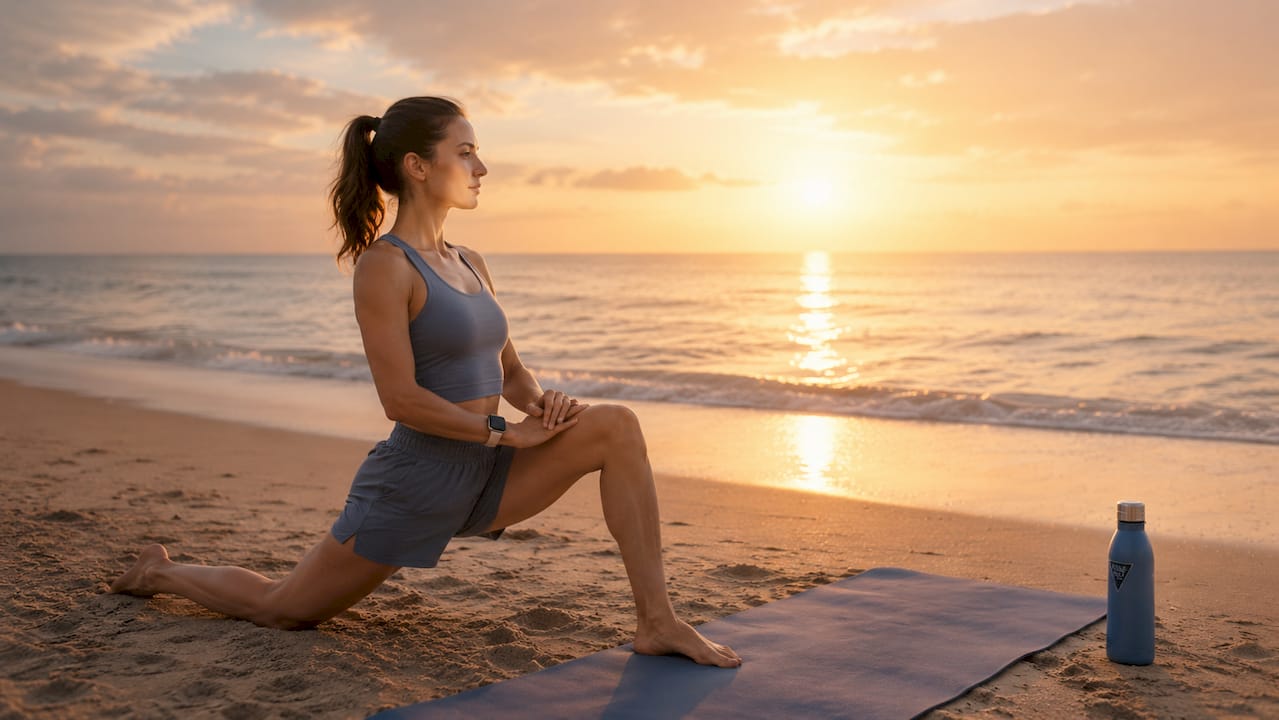
The ultimate guide to finding the best recommended yoga mats
Key Takeaways
Finding the right mat requires balancing your personal needs for grip, cushion, and portability in your regular practice.
- Prioritize natural materials if you prefer sustainability or synthetic options for enhanced tackiness.
- Thinner mats generally support better balance, while thicker variants provide joint protection during slow sessions.
- Hot yoga demands absorbent surfaces, whereas Hatha or Vinyasa flow styles benefit from stable, firm textures.
- Regular cleaning and proper rolling techniques are vital for ensuring your gear remains hygienic and flat.
- Investing in a high-quality product often balances upfront cost against long-term durability and performance.
Material and grip considerations
Choosing a surface material defines the interaction between your body and the floor during movement. Natural rubber is prized for its high friction coefficient, offering reliable stability even when moisture is present. However, some synthetic materials offer specific advantages for those who need a consistent surface that does not lose its grab over time. Evaluating the interplay between these materials is essential for anyone building a long-term practice.
Natural rubber versus synthetic materials
Rubber is a favorite for its grippy character and eco-friendly roots. Many yogis prefer its density because it offers a solid connection to the ground. In contrast, synthetic compounds often provide specialized textures that effectively repel moisture, keeping your feet planted firm. When setting up your sleep surface for pre-practice relaxation, consider how these same material principles apply to your mat choice.
Understanding closed-cell versus open-cell construction
Closed-cell mats are manufactured with a non-porous structure that prevents sweat from soaking into the material. This design makes cleaning quick and simple, as bacteria cannot easily penetrate the surface. Conversely, open-cell materials work like a sponge to pull perspiration away from your skin, which keeps you grounded in humid environments. It is much like understanding the gut health science behind how different environments support specific functions.
Evaluating surface texture for sweat absorption
Surface texture dictates how much you slip during intense sequences. Mats with raised patterns or high-friction tactile finishes reduce the risk of sliding during difficult poses. For added protection, consider using absorbent yoga towels, which can be placed over your mat to maintain grip. This pairing allows you to manage sweat without compromising your focus or stability on the mat.
Sustainability and eco-friendly manufacturing standards
Selecting a mat made from sustainable resources helps align your practice with environmental consciousness. Many brands now focus on biodegradable, non-toxic manufacturing to minimize their impact on the planet. By choosing natural support options, consumers often inadvertently mirror the same mindfulness used in other sustainable health routines, focusing on long-term safety and effective performance over time.
Thickness and padding levels
Selecting your ideal thickness depends entirely on the intensity and speed of your sessions. A standard mat usually falls between 3 and 5 millimeters, offering a versatile middle ground. When thinking about shingle alignment precision in construction, one can see how similar exactness is required when choosing a mat density that protects your joints without sacrificing floor feel.
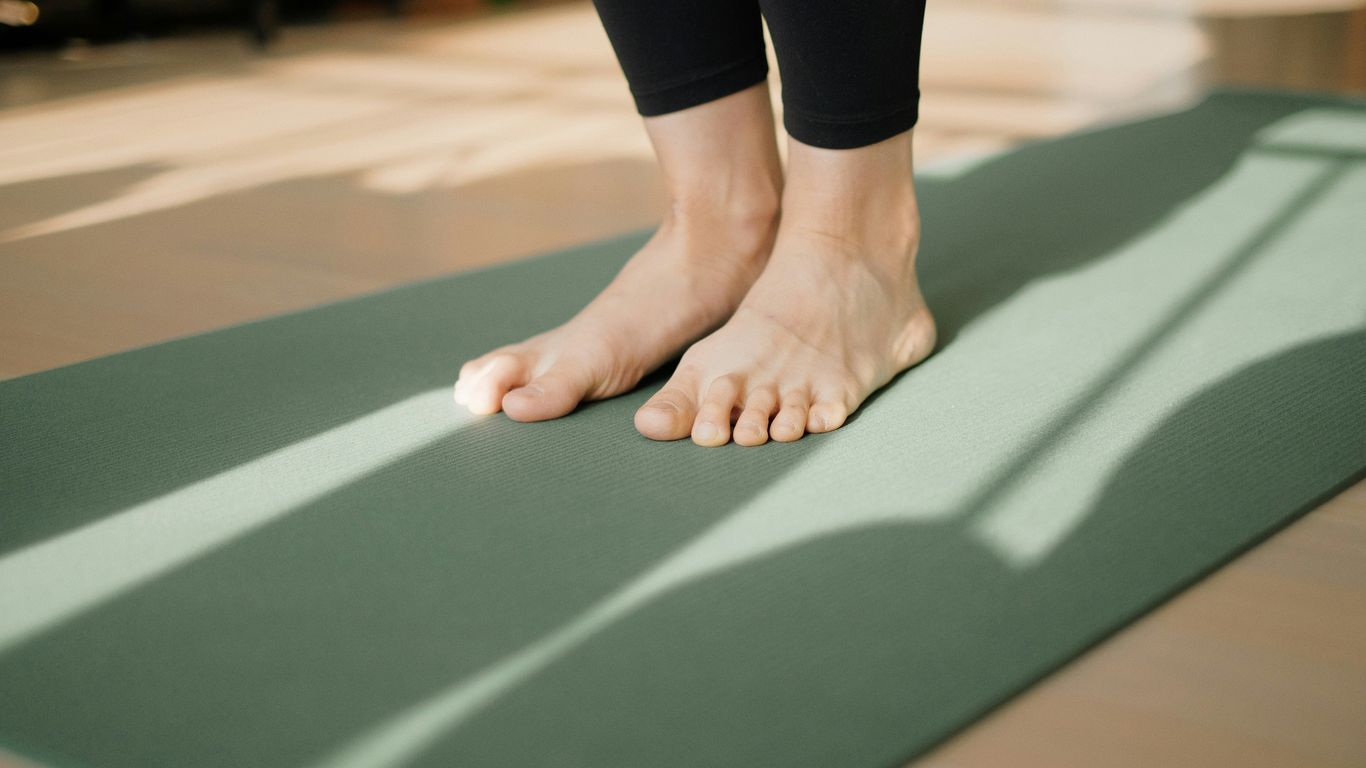
Why thinner mats offer superior stability
Thinner mats, typically around 1.5 to 3 millimeters, allow for an intense connection to the ground. This reduced height minimizes the tendency to wobble during balancing poses. Experienced practitioners often prefer this thin profile because it enhances proprioception, helping you feel your foundation clearly while moving through your daily flow.
Cushioning for sensitive joints and restorative poses
If you frequently practice long-held poses or have sensitive knees, a mat with more generous cushioning is often worth the extra bulk. These mats provide a soft landing for your joints, facilitating comfort during sessions that emphasize relaxation. Practitioners often find that prioritizing comfort prevents distractions, ensuring their focus remains on the movement rather than physical strain.
Portability and weight trade-offs for commuting
Many yogis prefer foldable travel mats due to their space-saving design and featherlight construction. These items are perfect for those moving between home, studio, and outdoor locations. Consider the comparative weight factors listed below to decide if a travel-ready mat fits your lifestyle.
| Feature Type | Travel Mat | Density Mat | Recovery Mat |
|---|---|---|---|
| Weight | Lightweight | Moderate | Heavy |
| Foldability | Excellent | No | No |
| Durability | Moderate | High | High |
Using a lighter mat makes the transition between locations significantly easier for any active commuter. These designs ensure you never have to sacrifice a practice session just because you are away from home gear.
Maintaining balance on high-density surfaces
High-density foam provides a firm base that does not compress significantly under weight. While it maintains a stable geometry that helps with alignment, the surface must be durable enough to resist deep indentations. Maintaining a steady surface is essential for mastering advanced balance poses safely. A firm, high-density mat is often the secret to preventing unnecessary wobbling in standing postures.
Selecting a mat for your specific yoga style
Every practice has its unique demands, and your choice of equipment should reflect your personal movement patterns. From hot yoga to Hatha, understanding what your body needs during your sessions will improve your experience. Just as businesses often seek an SEM agency to optimize performance, you can optimize your yoga sessions by matching your equipment to your specific style.
Recommended yoga mats for hot yoga practitioners
Hot yoga practitioners require equipment that handles high perspiration without becoming slippery. These mats are often designed to increase their grip levels as you sweat, providing a secure foundation throughout high-heat classes. Using a moisture-wicking topper or a specially formulated rubber variant can prevent the destabilizing effects of humidity.
Stable options for Hatha and Vinyasa flow
Flow yoga requires quick movements and transitions that benefit from a non-slip, mid-density mat. A surface that maintains its structure while providing a slight amount of cushion allows for smooth movement from one pose to the next. The best options offer a blend of stability and comfort that supports your rhythm without distraction.
Supportive choices for Yin and restorative sessions
During slower, seated-heavy flows, comfort and warmth take priority over raw grid-texture grip. These mats are often thicker to ensure that kneeling or long periods in reclining positions do not result in pressure points. Some practitioners also use cushions or durable yoga straps to further ease into poses, making these sessions profoundly relaxing.
Travel-friendly designs for active lifestyles
For the individual who practices in varied environments like parks or hotels, a compact mat is indispensable. These designs are engineered to be thin and collapsible, fitting easily into carry-on bags or backpacks without weighing you down. They emphasize quick setup and simple storage, ensuring your mobility is never limited by heavy or bulky gear.
Key features that differentiate premium brands
High-end mats often incorporate clever engineering designed to elevate the general standard of your practice. Features like integrated alignment guides help students improve by providing visual feedback on their hand and foot placement. When you consider the best yoga mats on the market, these technological inclusions often set reputable brands apart from generic, mass-produced items.
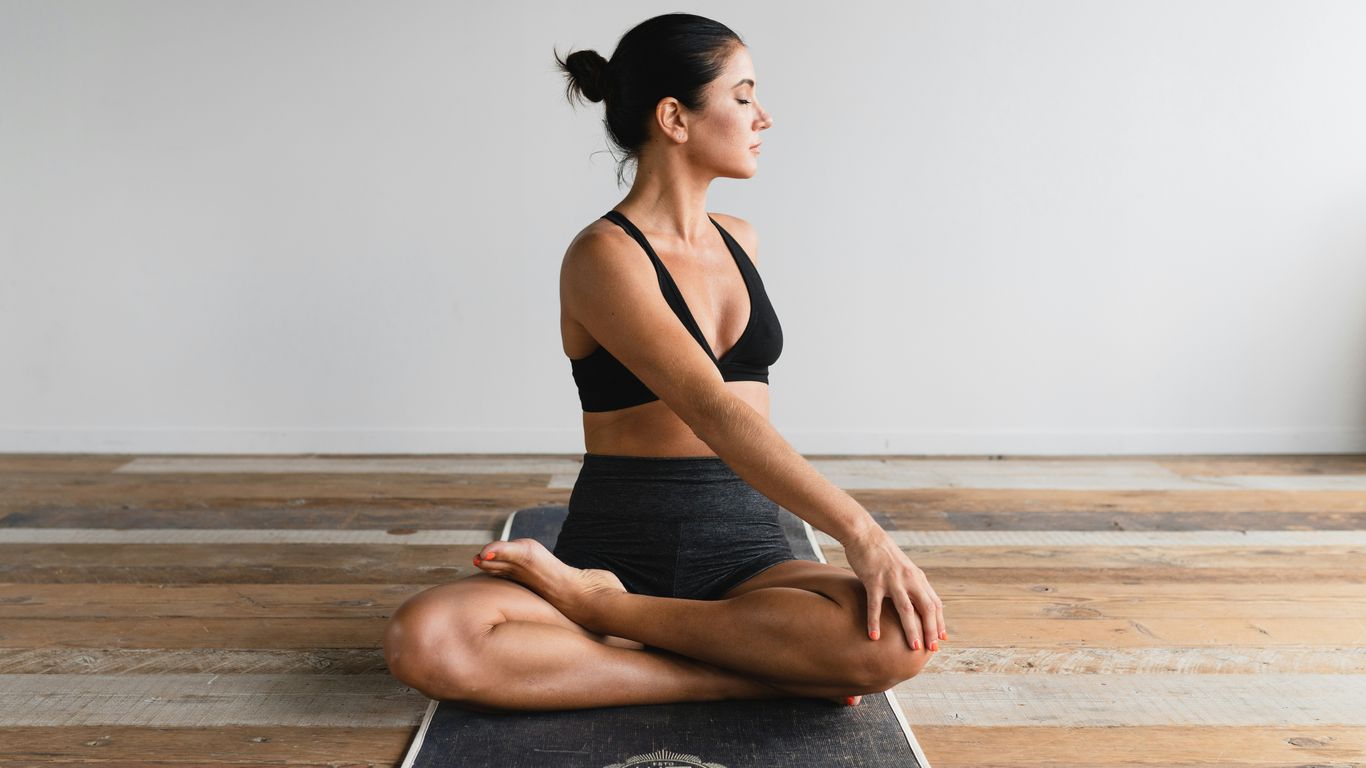
Alignment markers for posture correction
Many modern mats feature subtle etchings or printed lines that help track body symmetry. These guides are particularly helpful during group classes where real-time mirror feedback might be limited, ensuring your spine stays neutral during complex stretches. Proper positioning acts as a foundation for safe, effective sequences throughout your growth as a practitioner.
Antimicrobial treatments for hygiene
Antimicrobial properties are a key differentiator for premium mats, as they prevent the growth of bacteria and odorous compounds. This is particularly important for mats used in warm or humid environments where moisture can foster buildup. Keeping your mat sterile and fresh over long periods reduces the frequency of deep cleaning required.
Advanced grip technology in slippery conditions
Advanced engineering in surface materials can drastically improve traction under stress. Some mats use microscopic suction-like textures that perform consistently even when wet. This technology creates a safe environment that allows you to commit fully to your postures without hesitation or fear of losing your footing.
Durability and long-term wear resistance
Investing in a mat that resists flaking, tearing, or crushing is a hallmark of quality. Premium construction methods often involve reinforced cores or dense surface treatments that extend the lifespan of your mat by years. A robust build ensures that your equipment stays performing as intended, session after session, even as your practice grows in intensity.
Maintenance and care for longevity
Establishing a consistent cleaning routine preserves the texture and structural integrity of your mat. Most high-quality surfaces require simple, mild cleansers rather than harsh household chemicals. A proactive care cycle prevents grime buildup before it has a chance to degrade the materials of your mat.
Proper cleaning techniques for different surface types
Cleaning needs vary based on whether your mat is open-cell or closed-cell. For porous mats, a diluted, gentle soap solution is often best to avoid deep saturation, while non-porous surfaces can usually be wiped down with a damp cloth. Always verify the manufacturer's care instructions before applying any liquid to ensure you do not inadvertently damage the grip-enhancing properties.
Storage habits to prevent curling and material degradation
Properly storing your mat is just as crucial as cleaning it. Mats should be rolled loosely with the top surface facing outward to prevent edge curling, which can create a tripping hazard during your next flow. Never store your mat in extreme head-only conditions, such as inside a hot car, as the intense temperature changes can warp the material and weaken the adhesive bond.
Knowing when it is time to replace your mat
Signs of wear often include permanent flaking, thinning of the material under heavy-use areas, or a loss of grip that cleaning can no longer restore. While you might grow attached to your gear, compromised structural integrity will hinder your poses and increase the risk of injury. Keep an eye on its physical state to know exactly when it is time to upgrade.
Using specialized cleaning solutions versus natural alternatives
Choosing between commercial cleaners and DIY natural mixtures is common, but always prioritize non-toxic ingredients to avoid skin irritation. Many practitioners prefer mild solutions like diluted vinegar or gentle essential oils to freshen their gear regularly. Avoid aggressive scrubbing with stiff brushes, which can inadvertently strip away the grip coating, leaving you with a smooth, unusable surface.
Budgeting for your yoga equipment
Finding a balanced budget for your yoga gear involves distinguishing between short-term items and essential long-term investments. Beginners often start with an affordable mat to learn the basics, while seasoned practitioners may seek professional-grade features for their specific needs. Understanding why certain mats command higher prices is the first step toward getting the most value for your money.
Understanding the value of professional-grade mats
Professional mats prioritize material density, material longevity, and advanced grip technologies. While the initial investment might be higher, the cost-per-use often becomes remarkably low when you consider that these mats frequently last for multiple years of daily practice. They are designed to support your body consistently without failing under pressure.
How to find quality entry-level options for beginners
Value is not just about the lowest price tag; look for entry-level mats that offer basic non-slip qualities and decent cushioning. Research peer feedback and look for brands that offer simple, reliable performance without unnecessary extras. A great starter mat allows you to focus on your technique until you learn which specialized features enhance your flow.
Investing in long-term performance versus initial price
Think of your mat as an investment in your personal routine. A poor-quality mat may seem like an initial savings but often ends up being replaced within months, leading to higher spending over time. By choosing a mat that matches your specific intensity level today, you ensure that your gear remains a capable support system for years to come.
Searching for verified discounts on top-rated gear
Keep an eye on manufacturer sales, holiday events, and studio partnerships to find discounts on high-quality equipment. Often, purchasing directly through trusted retailers allows access to loyalty programs or bundle deals that add extra value to your purchase. Sign up for newsletters from brands you admire to stay updated on limited-time promotions for premium accessories.
Conclusion
Choosing from the many recommended yoga mats is a journey that balances your personal style, environmental preferences, and physical support needs to create the most enjoyable space for your daily practice. By focusing on quality and understanding the technical features—like grip, thickness, and material composition—you can select equipment that not only lasts but actively encourages you to return to your mat time and time again.
Frequently Asked Questions
Should I choose a thicker or thinner yoga mat?
Choose a thinner mat (1.5mm-3mm) if you prioritize stability and ground connection for balance poses, or a thicker mat (4mm+) if you need extra cushioning for your knees and sensitive joints.
How long do most yoga mats typically last?
While usage frequency and care quality vary, a standard mat usually lasts between 6 to 12 months with frequent use, while high-quality professional-grade mats can last several years.
Do I need to buy a special cleaning spray for my mat?
A mild, gentle soap mixed with water is often sufficient for most mats, though some brands offer their own formulas if you want to ensure the product remains safe for your specific surface texture.
Can I use my yoga mat on grass or outdoors?
You can practice outdoors, but remember that terrain can be uneven and abrasive; use a lightweight, portable mat that is easy to clean afterward, and avoid leaving it in direct sunlight for long periods.
Why does my new mat feel slippery when I work out?
New synthetic mats sometimes have a thin manufacturing film that needs to be broken in or wiped down with a damp cloth, or they may require a bit of moisture to activate their natural tackiness.
Is a heavy mat always better than a light one?
Not necessarily, as density does not always equal portability; a heavier mat often provides more stability and longevity, while lighter designs are significantly better for portability and travel.
Does the color of my yoga mat matter for performance?
Beyond personal preference, lighter-colored mats tend to show dirt, oil, and sweat stains much faster than darker colors, which might impact how much time you spend cleaning them to maintain a fresh look.