

The essential guide to yoga for kids: Benefits, poses, and tips for families
Key Takeaways
Practicing yoga for kids offers a wide range of physical and mental benefits that support development. By creating a consistent and fun environment, families can make movement a natural part of their daily routine.
- Yoga builds strength, flexibility, and coordination in children of all ages.
- Mindfulness and breathing techniques help kids manage stress and improve concentration.
- Consistent practice at home encourages family bonding and routine stability.
- Using age-appropriate games keeps children engaged and prevents frustration during sessions.
- Portable equipment makes it easy to set up a practice space in any room.
Understanding the benefits of yoga for children
Engaging in regular physical movement helps children build a foundation for long-term health and well-being. Yoga provides a unique approach that ties movement to mindful awareness, helping kids explore their capabilities in a non-competitive way. Whether it is through balancing on one foot or learning to breathe deeply, these activities foster growth that goes beyond the mat.
Physical development and motor skills
Yoga encourages children to move their bodies in ways that challenge their coordination and stability. By holding poses, kids develop core strength and fine-tune their motor skills, which is helpful as they grow. Using tools like Yune Yoga's durable straps helps children maintain proper form while learning new postures, ensuring physical activities remain safe and supportive.
Improving mental focus and concentration
Many kids today struggle with distractions everywhere they turn. Yoga poses require kids to be present, which is a great way to improve academic readiness, as mentioned by Yoga International. When a child focuses on the alignment of a tree pose, they practice the same type of sustained attention needed for schoolwork.
Emotional regulation and stress reduction
Teaching children how to name and manage their emotions is a core part of developing resilience. Deep breathing techniques taught during practice can act as a natural tool for keeping calm when frustrations arise. Integrating Healthpath nutrition knowledge alongside these moments emphasizes that holistic well-being often extends from physical balance to digestive health and beyond.
Encouraging body positivity and self-esteem
Yoga celebrates what a body can do rather than what it looks like. This perspective is vital for encouraging kids to develop a kind relationship with their own physical self from an early age. When families focus on the joyful experimentation of movement instead of perfect technique, children are more likely to enjoy their practice with confidence.
Essential yoga poses for kids and how to teach them
Introduction to yoga should always be playful and tailored to the energy of the moment. We want to ensure that children feel like they are exploring through movement rather than following a strict drill. When teaching, keep instructions simple and visual to capture their attention right from the start.
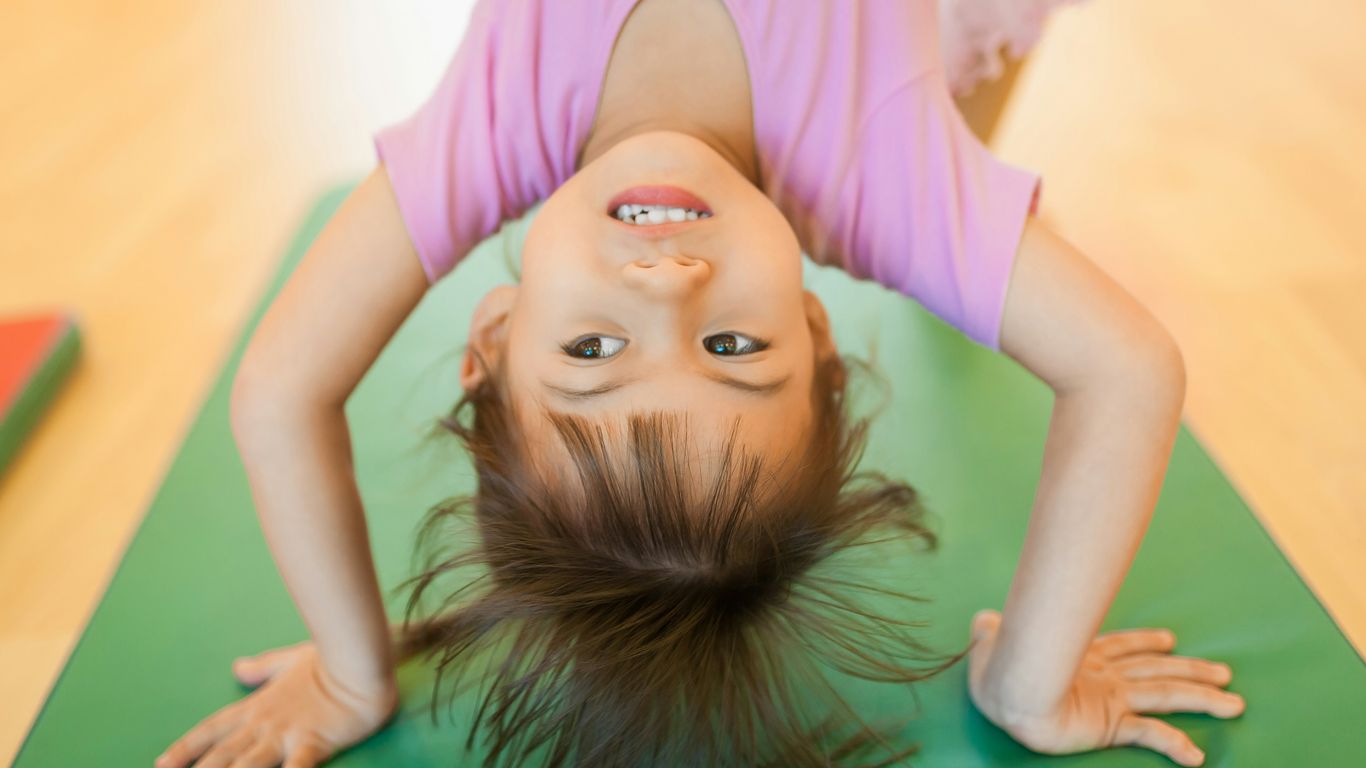
Animal-inspired poses for engagement
Children naturally relate to the movements of the animals they see in nature. Modeling a pose after a cat, dog, or snake turns a static stretch into a fun story. By using Yune Yoga's foldable travel mats to create a soft, portable layer on almost any surface, you can easily shift between locations to represent different "habitats" during your practice.
Standing postures for balance and strength
Standing exercises help children find their center and stay grounded. These movements help increase physical awareness and coordination skills. It is important to remember quality over quantity when setting expectations for young practitioners:
- Aim for short, frequent sessions rather than one long, taxing class.
- Allow kids to step out of their pose if they feel wobbly or lose balance.
- Keep the environment lighthearted by encouraging them to embrace the "wiggles" as part of the fun.
- Use encouragement to mark small progress in holding poses for longer durations.
Breathing exercises for calming the nervous system
Learning to pause and breathe is a fundamental skill that every child can use to regulate their daily mood. Teaching "belly breathing" or "bee buzzing" breaths turns a boring exercise into a game that feels rewarding. Just as one might look into alternative health topics like vaginal candidiasis to understand body balance, teaching breathwork helps kids grasp how their internal rhythms change with their environment.
Gentle stretches for flexibility
Flexibility is a natural outcome of gentle, consistent stretching games. Since kids are usually more supple than adults, focusing on range of motion keeps their joints mobile without ever forcing a stretch. Use the practical comfort of Yune Yoga's absorbent towels to protect surfaces and add extra padding during floor-based stretches.
Creating an engaging yoga environment at home
If you want to keep your practice alive, setting up a space that feels inviting is essential. A dedicated area does not need to be large; it just needs to be inviting and free of clutter. When you clear space, ensure it is as intentional as keeping roof valleys clear when maintaining a home to ensure everything functions perfectly during the session.
Preparing a safe and dedicated space
Choose a quiet area where interruptions are limited. This helps the children associate the physical spot with a time for relaxation and focus. Keeping this consistent helps build a ritual they look forward to every week.
Incorporating props and sensory tools
Props make the experience more accessible and tactile. You might consider the following setup elements for your home practice:
| Prop Type | Purpose | Benefit |
|---|---|---|
| Yoga Mat | Foundation | Provides essential grip and safety |
| Soft Towels | Comfort | Helps with moisture and added cushion |
| Small Pillows | Relaxation | Offers support for resting poses |
Selecting appropriate music and sounds
Background sounds can set the tone for the entire session. You might play soft nature recordings during relaxation or energetic, playful tracks during the movement phase. Finding the right volume is key so that the sounds do not compete with your voice instructions.
Setting a consistent routine
Consistency helps children predict what is coming next, which helps lower anxiety and builds habit. Even a ten-minute session every afternoon can be enough to see positive changes in concentration and mood. It turns a chaotic day into a predictable moment of family bonding.
Tailoring yoga practices by age group
Adapting your flow based on age-appropriate development milestones ensures that everyone walks away feeling successful. Younger children require more play-based approaches, while older kids might appreciate a slightly more structured tone. It is useful to look into Cosmic Kids for inspiration on how to adapt common themes for varying developmental stages.
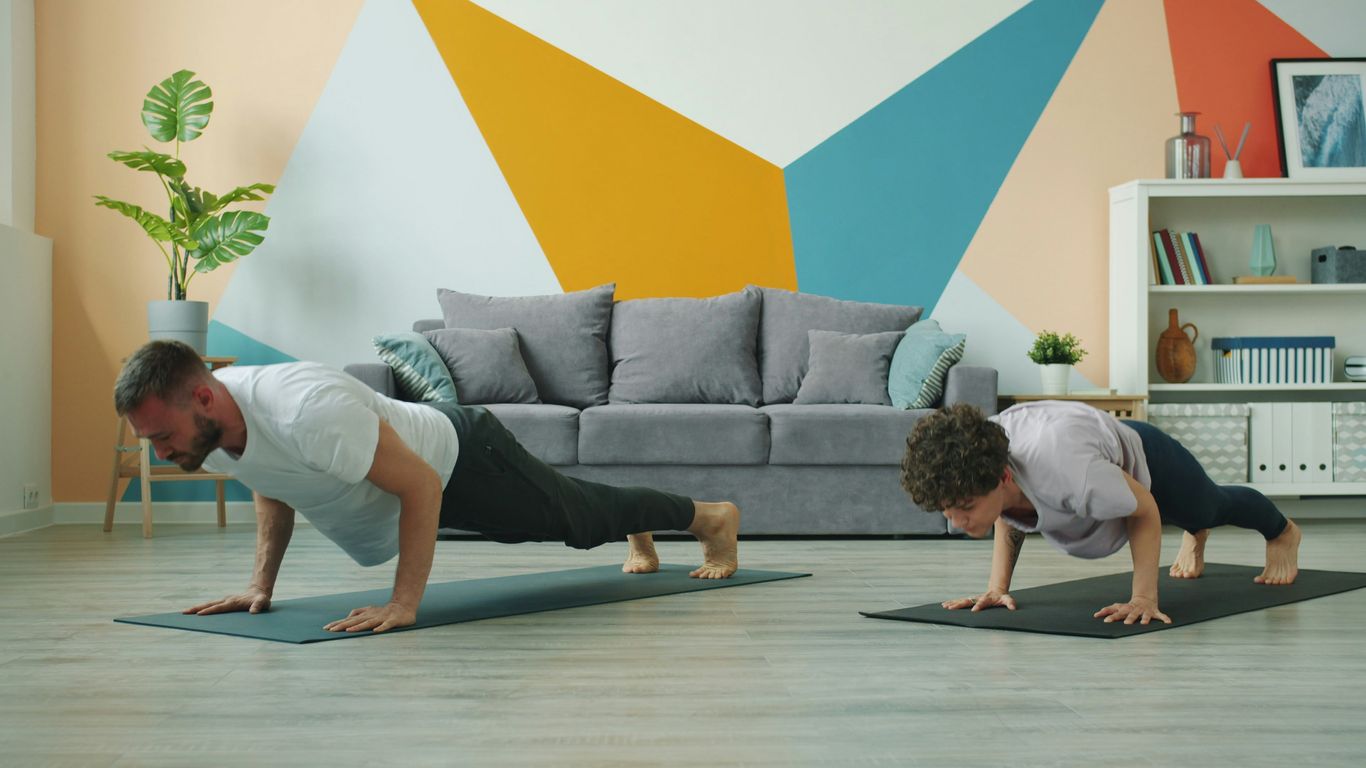
Approaches for toddlers and preschoolers
For the youngest groups, yoga is really about movement and imitation rather than formal pose structure. Keep sessions under ten minutes to match their natural attention span and highlight the fun of imitating animals. Focus primarily on the laughter and enjoyment rather than perfect execution of any single posture.
Adapting sessions for early elementary schoolers
By this age, children can follow multi-step instructions and enjoy simple games involving yoga poses. You can introduce more focus on how the body feels in different shapes. This is a great time to encourage them to lead a round of their favorite animal poses to build their confidence.
Engaging preteens with dynamic flows
Preteens often enjoy more challenge and strength-focused movements. Introduce flowing sequences that connect multiple poses together, which helps them feel like they are doing "real" athletic training. Keeping the atmosphere relaxed and collaborative prevents them from feeling like they are in a high-pressure competition.
Strategies for group classes versus solitary practice
In a group setting, focus on games that encourage teamwork and cooperative movement. In a solitary session at home, lean into self-reflection and personal quiet time. Regardless of the setting, maintaining a fun and non-competitive atmosphere is the most important factor in keeping kids interested in their practice.
Overcoming common challenges in kids' yoga
It is common for children to occasionally resist or get distracted during practice. Instead of forcing them to participate, simply model the movements yourself and leave the door open for them to join when they are ready. If you view the practice as a shared game, the pressure immediately drops for both parent and child.
Maintaining focus during short attention spans
It is okay if your practice feels less than serene at first. Using external resources like Super Yoga can provide a fast-paced activity that helps keep kids on track without requiring long periods of stillness. When the activity is varied, kids are less likely to get bored.
Handling resistance or lack of interest
If a child turns away, simply change the focus to something new or take a break. Never turn the yoga mat into a battleground for obedience. Sometimes engaging them with a different prop or activity completely makes them come right back to the practice.
Keeping sessions fun rather than competitive
Avoid pointing out who is the "best" at a pose. Instead, praise effort and creativity. A supportive environment requires a focus on personal improvement rather than comparing scores or skills against one another.
Managing safety and physical boundaries
Make sure to teach basic body awareness to prevent pushing muscles too hard. Encourage children to stop if they feel pain, which helps them understand their own limits. This builds a healthy habit of self-care they will carry into adulthood.
Integrating yoga into daily family life
Yoga becomes a lifestyle when it fits into the natural rhythm of your day. It does not require a special trip or elaborate gear to make it happen in your living room. Just as businesses sometimes need a Singapore social media marketing agency to streamline their digital growth, adding yoga to your life helps streamline your family's daily wellness.
Morning routines to energize the day
Start the day with a few simple stretches to wake up the body. This helps kids prep their muscles and minds for a school day. Just like the air quality benefits of using a fume extractor create a clearer work environment, these morning stretches clear the mind and set a positive tone.
Bedtime sequences for better sleep
Use slow, calming movements before bed. This can help signal to the body that it is time to unwind and transition to rest. A gentle series of stretches can make the wind-down process a peaceful part of the evening routine.
Using yoga as a conflict resolution tool
When emotions run hot, suggest a "breathing break" instead of a time-out. Use these moments to process frustration in a way that respects everyone's feelings. It helps transform a tense situation into a productive one.
Participating as a family for bonding
Taking time to practice together sends a message that health is a family value. When everyone participates, it creates shared memories and strengthens connections.
Conclusion
Yoga for kids is more than just a list of poses; it is a versatile tool for strengthening bonds, building emotional awareness, and encouraging a lifelong healthy relationship with movement. When you keep it simple, focus on the joy of discovery, and let your family's unique rhythm guide the practice, you unlock a sustainable way to bring calm and strength into your home every single day.
Frequently Asked Questions
What is a good starting age for kids to practice yoga?
Children as young as three can begin learning very simple movements, but the most important factor is creating a playful experience rather than focusing on specific age milestones.
Do I need to be flexible to practice yoga with my children?
Absolutely not, as yoga is about exploring what your own body can do. Your willingness to participate is much more important than your personal level of flexibility.
How often should my kids do yoga?
Even short, daily bursts of ten minutes are more effective for building habits than one long, stressful session per week. Focus on making it a consistent part of your normal routine.
Can yoga help with children who have high energy?
Yes, because yoga provides a physical outlet for that energy while simultaneously teaching vital skills for calming down and managing focus.
What if my child does not want to participate?
Never force the issue, as this will create negative associations. Model the practice yourself and let them join in whenever they feel inspired to do so.
How do I balance yoga with other extracurricular activities?
Integrate small yoga breaks into the transitional moments of your day, such as before homework or right before bedtime, so it does not feel like an extra burden on a busy schedule.
Is it necessary to go to a specialized studio for kids' yoga?
While classes can be fun, you can get all the benefits of a home practice with your children using basic, safe spaces in your own living room.


