
The ultimate guide to choosing the perfect Manduka yoga mat
Key Takeaways
Finding the right yoga mat requires weighing durability, material composition, and the specific needs of your personal practice. The right choice serves as a long-term foundation for your consistency, health, and overall comfort transition between poses.
- Manduka PRO series mats offer legendary cushioning and lifelong durability for dedicated practitioners.
- Choosing between closed-cell and open-cell construction dictates how your mat handles sweat and hygiene.
- Natural rubber mats provide superior grip but demand more diligent cleaning than synthetic alternatives.
- Portability depends on the balance between mat density, thickness, and your primary location of practice.
- Professional-grade mats act as an investment that can reduce the need for frequent replacements over many years.
Understanding the Manduka product lines
Selecting a mat from a high-quality brand ensures your practice is supported by reliable engineering and material science. Understanding how these collections differ helps you align your hardware with your lifestyle, whether you practice at home or commute to a studio daily.
The PRO series for long-lasting durability
The PRO Series Yoga Mats are widely recognized for their density and ability to withstand decades of heavy usage without breaking down. This collection is a staple for practitioners who prefer a stable, joint-protecting surface that remains consistent through years of daily repetitions.
The eKO series for eco-conscious performance
The eKO collection focuses on natural rubber alternatives that provide a sustainable path for your practice. These mats are designed for those who want to minimize environmental impact while maintaining a responsive, grippy surface during dynamic movements.
Lightweight options for the traveling yogi
For practitioners who are always moving, portability becomes the primary constraint. Selecting a thinner mat such as the Manduka PROlite Yoga Mat allows for better ease of movement while maintaining the quality engineering expected from the brand.
Grip-focused mats for hot yoga
Hot yoga environments demand specific traction components to ensure safety during sequences. Certain mats are specifically engineered to remain non-slip even when moisture levels on the surface increase significantly during peak exertion.
Assessing material and texture differences
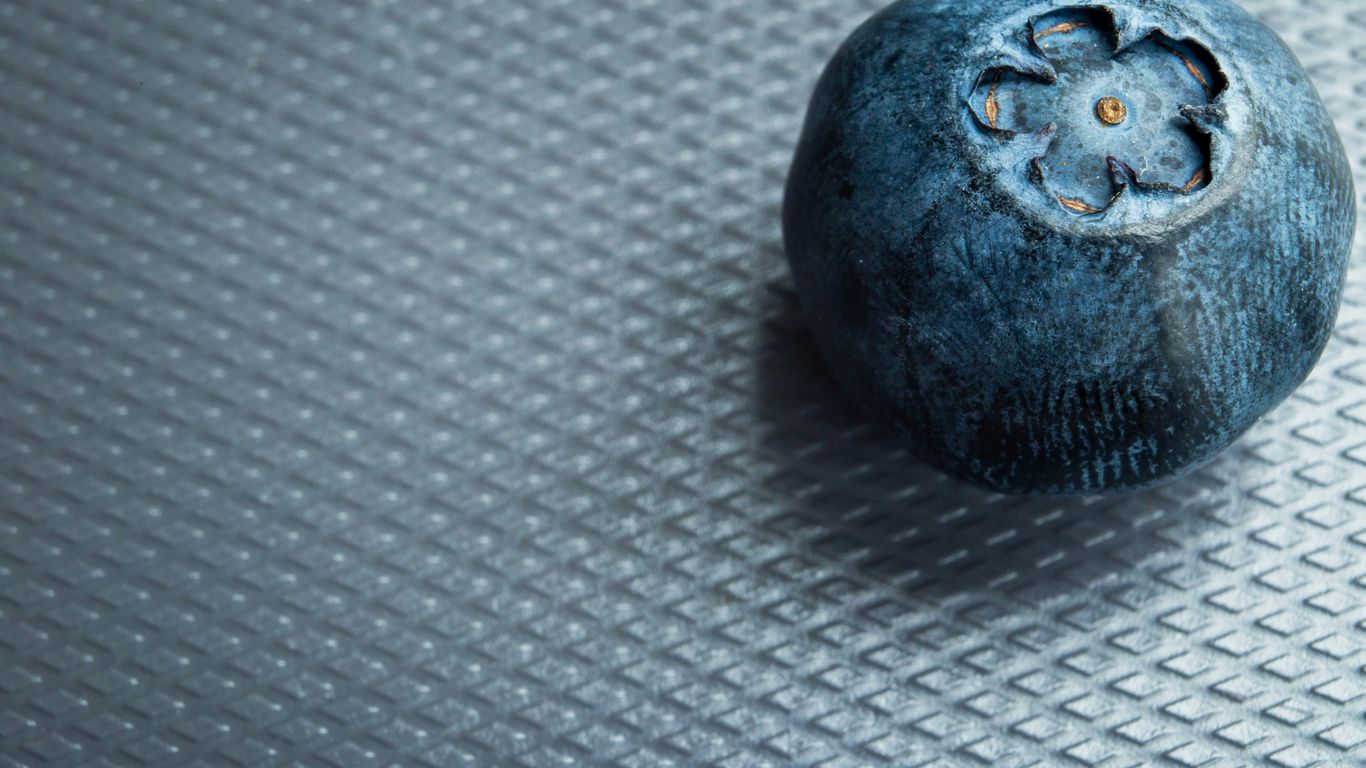
Understanding the materials used in mat manufacturing helps anticipate how the surface will interact with your skin and your level of effort. Different textures are designed to channel moisture away or provide a tacky friction that prevents slipping during intense sessions.
Closed-cell versus open-cell construction
Closed-cell technology prevents bacteria and moisture from penetrating the mat, which is ideal for maintaining hygiene in high-sweat environments. Open-cell mats, conversely, rely on their absorbent nature to increase grip as moisture builds up on the surface.
Understanding the Manduka grip evolution
Over the years, the brand has adjusted the surface texture of its mats to enhance performance based on practitioner feedback. These design nuances are intended to ground your practice with reliable stability regardless of the flow intensity.
Natural rubber versus PVC alternatives
Natural rubber offers a distinct "sticky" feel and is often sourced for its eco-friendly credentials compared to traditional synthetics. Choosing between these materials often comes down to your personal sensitivity to textures and individual environmental goals.
Density and comfort level trade-offs
When evaluating density, consider how much cushioning you require for your sensitive joints compared to the amount of ground feedback you want for balance. The industry has produced several variations, which we can compare in the following table:
| Mat Type | Ideal For | Primary Benefit |
|---|---|---|
| PRO 6mm | Home Practice | Maximum Cushion |
| PROlite | Studio Commute | Lightweight Portability |
| eKO Travel | Adventure | Compact Packing |
Selecting the right density is a balancing act; while thicker mats provide more protection for your knees during kneeling postures, they may feel slightly less stable during balancing poses.
Sizing and portability considerations
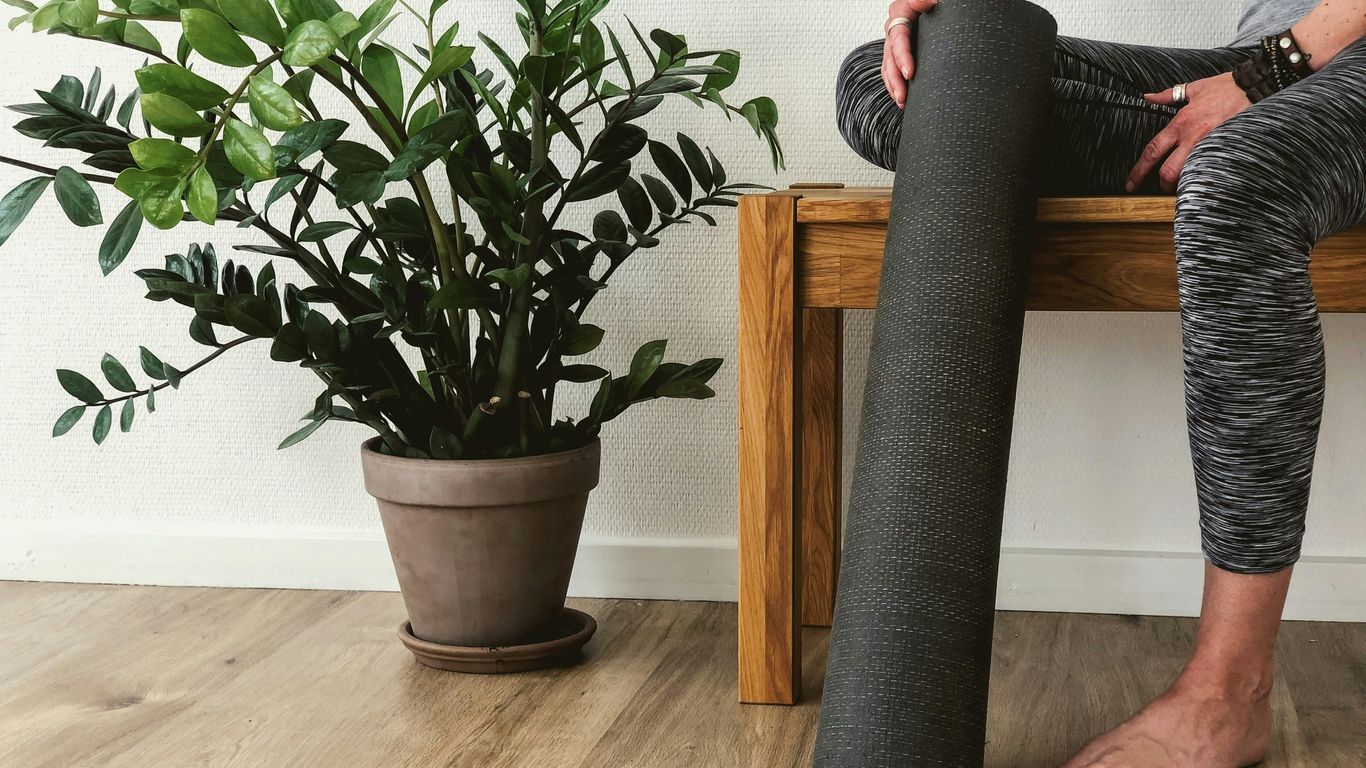
When you select a mat size, consider not just your physical height but also the space you occupy during full range of motion. Porting your gear between locations requires an honest look at how much weight you are willing to carry on a regular basis.
Standard versus extra-long dimensions
Extra-long mats are essential for taller individuals who find that their head or feet often hang off the edge during a practice. Having the correct length ensures you stay within the confines of your intended "sacred space" during every movement.
Weighing thickness against ease of transport
Finding the right equilibrium between thickness and transportability requires prioritizing your needs. A thicker mat is perfect for stationary studio work, while a lower profile mat is often more manageable for transit.
Selecting the right mat weight for your needs
Your daily commute influences the weight you can reasonably manage comfortably without causing strain. When looking for the ideal mat, please keep these factors in mind:
- The total weight of your mat and carrying sling combination.
- The volume the mat takes up in your primary storage space.
- The frequency with which you transport your mat to different studios.
- The durability requirements of the floor you typically practice on.
Considering these variables will help you decide if a heavy-duty mat or a lighter alternative is more suitable for your routine.
Compact travel mats for practice on the go
For nomads and those traveling, specialized travel mats are designed to fold into luggage instead of requiring a full-length tube. These specialized tools solve the problem of maintaining your routine while you are far away from your primary practice home.
Essential care and maintenance for longevity
Regular upkeep is the most effective way to protect your investment and ensure that the surface properties remain intact over many years. Developing a consistent cleaning ritual keeps the mat hygienic and prevents the degradation of materials over time.
Proper cleaning techniques for PRO mats
PRO mats are robust but require gentle cleaning. A simple wipe-down with non-solvent cleaners prevents buildup without damaging the proprietary surface texture that gives these mats their signature grip.
Why natural rubber mats require special care
Natural rubber is susceptible to UV light and air-drying if not properly handled after a wash. Avoiding direct exposure to harsh sun ensures that the material doesn't become brittle or lose its inherent traction.
Manduka-approved cleaners and refresh sprays
Using products specifically recommended for your mat material prevents the residue that can make a surface feel slippery. Proper sprays are designed to evaporate cleanly, leaving nothing behind that might interfere with your connection to the floor.
Avoiding common storage mistakes
Storing a rolled mat with the top side compressed tightly for long periods can cause edge curling. Instead, store it loosely or keep it flat between long practice sessions to ensure the edges remain stable for your transitions.
Making the investment: cost versus performance
An investment in a high-grade mat is often a one-time purchase that lasts for an entire career of practice. While the upfront cost may feel significant, the performance benefits relative to cheap alternatives become clear as you gain more experience.
Analyzing the lifetime warranty value
Lifetime warranties provide secondary assurance that the company stands behind its build quality. This factor significantly lowers the total cost of ownership by eliminating the need to replace worn-out gear every few years.
Determining if a professional-grade mat is necessary
At a certain point, the difference between an entry-level model and a professional mat is about how much your gear disappears into the background of your practice. When your mat perfectly supports your joints and grip, you can focus entirely on the movement rather than the hardware beneath you.
Finding the best value in entry-level models
If you are just beginning, look for a base-level model that provides essential cushioning without unnecessary frills. This allows you to develop your preferences before committing to a higher-end professional series later in your journey.
Resale value and sustainability benefits
Quality mats often maintain their structural integrity well enough to be valuable for a long time. Choosing well-made products supports a more sustainable approach to fitness, where gear is built for longevity rather than typical disposability cycles.
Conclusion
Ultimately, the perfect mat is one that encourages you to step on it every day. By understanding the nuances of material, thickness, and durability, you can feel confident in your choice for years to come. Remember that the best yoga mat manduka selection is the one that fits your personal journey and supports your comfort in every single pose.
Frequently Asked Questions
How often should I clean my yoga mat?
You should perform a light wiping of your mat after every intense session to manage sweat and bacteria. A deep clean is typically necessary once a month, depending on how frequently you practice and how much moisture you produce.
Can I use a towel to improve grip on a slippery mat?
Using a dedicated yoga towel is an effective way to manage moisture and add grip to a surface that feels slippery. Many yogis keep a towel on hand specifically for heated sessions to provide both traction and a clean barrier.
Does mat thickness affect joint protection?
Yes, increased thickness generally provides more cushioning for sensitive joints during crawling or kneeling poses. However, excessively thick mats can reduce stability during standing balance poses, so finding a middle ground is often key.
Should I store my mat in a carrying bag?
A carrying bag is excellent for transport to the studio, but your mat should be removed immediately upon arriving home. Leaving your mat inside a bag restricts airflow, which can contribute to odors and moisture buildup.
How can I make my new mat less slippery?
New mats often have a thin manufacturer film that breaks down after a few weeks of consistent use. You can accelerate this process by washing the mat with a mild cleaner or simply engaging in a consistent practice to natural wear the surface.
What represents the best thickness for a multipurpose mat?
A thickness of approximately 5mm to 6mm is generally regarded as the ideal balance for most practitioners. This range offers sufficient cushioning for restorative work while remaining firm enough for stable standing balance.
Is it safe to leave my mat in a hot car?
You should avoid leaving your mat in a vehicle during hot weather. Extreme temperatures can warp the materials and degrade the chemical composition of the mat, leading to permanent damage to its surface texture.