
The complete guide to choosing your perfect Gaiam yoga mat
Key Takeaways
Finding the right equipment for your practice significantly enhances comfort and stability. This guide explores how to select an ideal Gaiam yoga mat tailored to your specific needs.
- Match your mat thickness to your preferred practice intensity.
- Consider the material composition for both comfort and environmental impact.
- Use proper cleaning routines to extend the lifespan of your gear.
- Prioritize portability if you frequently attend studio sessions or travel.
- Integrate accessories like towels and straps to improve your setup.
Understanding the Gaiam product range
Gaiam offers a diverse selection of mats catering to different levels of expertise and specific practice goals. Beginners might start with standard options, while experienced practitioners often seek out specialized performance mats that provide advanced features. The brand covers a broad spectrum, ensuring that everyone from dedicated studio regulars to casual home practitioners finds a reliable base.
Identifying entry-level versus performance models
Entry-level mats focus on providing a foundational non-slip surface at an accessible price point, which is perfect for new students who have yet to settle on a long-term practice style. In contrast, performance models are engineered with high-density materials that offer superior cushioning and enhanced grip for demanding routines. The Gaiam Premium 2-Color Yoga Mat serves as a great example of a performance-ready piece, offering extra thickness for joints and a reversible design for versatility.
Categorizing mats by specific yoga styles
Yoga styles dictate the level of traction and stability you need during your flow. Fast-paced vinyasa classes benefit from responsive surfaces that prevent sliding, while restorative sessions often pair well with thicker, softer mats that allow for deep, sustained immersion. By understanding your primary practice, you can filter your choice toward mats that support your range of movement and preferred intensity.
Recognizing signature Gaiam design series
Design is an integral part of the experience, and Gaiam yoga equipment features a variety of artistic imprints that add personality to any room. From minimalist themes to complex geometric patterns, these mats are meant to inspire focus each time you unroll your gear. The stylistic variety often pairs with functional upgrades, allowing you to choose a mat that is both visually appealing and performance-oriented.
Key features of Gaiam yoga mats
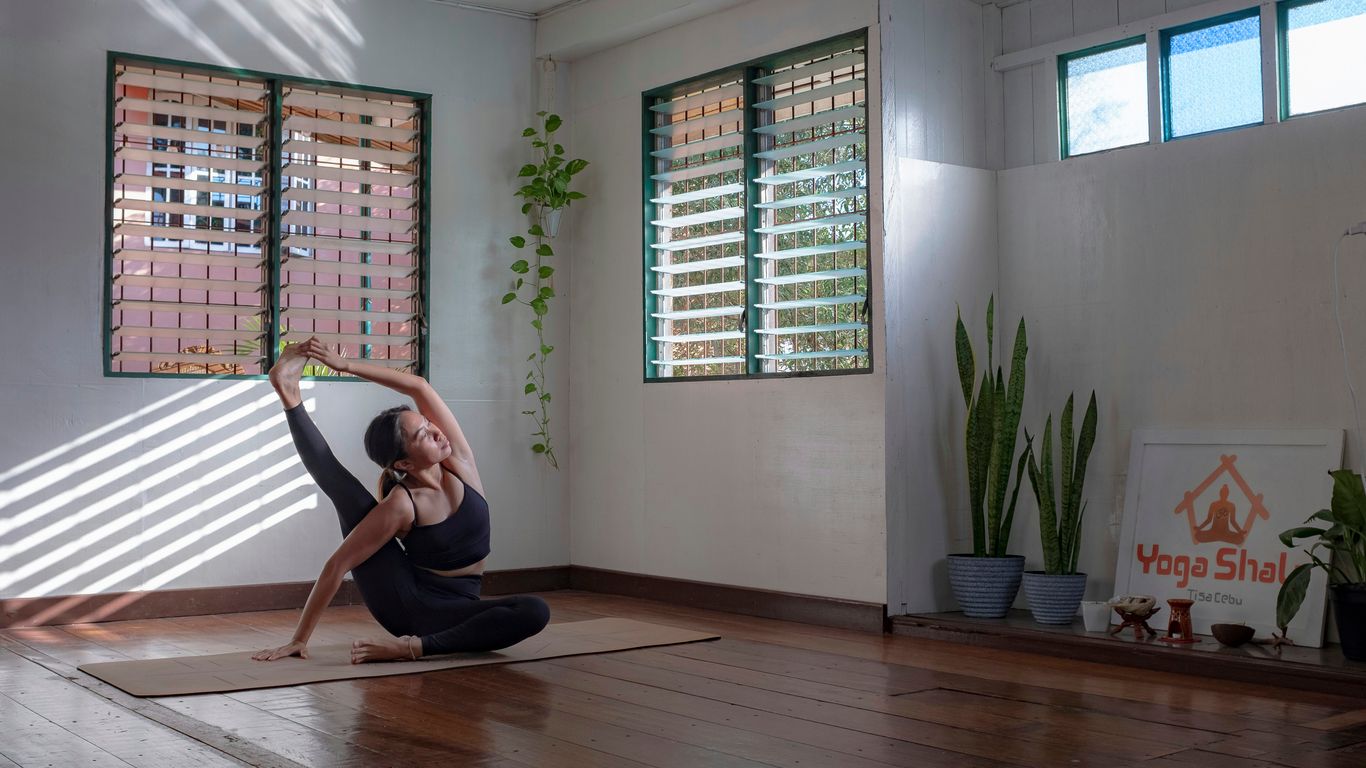
The essential characteristic of a quality mat is its ability to support you through every transition while staying firmly in place. These surfaces are designed to balance traction with physical comfort, ensuring that you can hold challenging poses without distraction. Choosing the right features usually comes down to comparing texture, density, and physical size requirements.
Grip performance in hot yoga conditions
High-heat environments require materials that maintain structural integrity and traction even when moisture is present. A mat with a textured surface helps wick away sweat so that your hands and feet stay connected to the floor. Reliable grip prevents premature sliding, which is a major factor in ensuring your safety during sweaty, fast-paced sequences.
Cushioning levels for joint support
Adequate padding is vital for those who experience pressure in their knees, wrists, or spine during floor-based poses. Thicker mats provide a soft landing, which helps reduce strain during long holds or intense transitions. It is a common preference to seek out mats that offer a solid protective layer between your body and hard flooring surfaces.
Dimensions and size variations
Most standard mats measure 68 inches in length, but taller practitioners often require larger surface areas for complete coverage. Ensuring your mat is wide and long enough allows for an unobstructed flow, preventing you from having to adjust your stance to fit the edges. Selecting the right size upfront makes a massive difference in your ability to move freely across the entire length of the mat.
Choosing the right thickness for your practice
The thickness of your mat fundamentally changes how you perceive the floor beneath you. You may prefer a thin, firm surface when you need maximum stability, or a thick, cushioned one when you want to protect your joints from impact. Finding your preferred density is a personal process that balances these competing needs.
Why 3mm mats are ideal for stability
3mm options provide a firm interface with the ground, making them perfect for balancing poses where proprioception is key. With less bulk, these mats feel more planted, preventing the "marshmallow" sensation that can occur when standing on thick, soft foam. They serve as a grounded, reliable layer for users who want to feel exactly where they are in contact with the studio floor.
Benefits of 5mm to 6mm mats for restorative yoga
When your practice moves into slower movements and floor-based stretches, the extra padding of a 5mm to 6mm mat provides welcome support. These mats excel in protecting the spine and hips during long, held postures. The added height also provides warmth when practicing on cold surfaces, making them a great choice for meditation and slow recovery work.
Evaluating weight versus portability
| Mat Type | Ideal For | Portability Level |
|---|---|---|
| 3mm Slim | Balance Flow | High |
| 5mm Standard | Daily Practice | Moderate |
| 6mm Premium | Joint Comfort | Low |
Selecting a mat weight depends entirely on if you are moving it to a daily class or keeping it fixed in one location. Heavy mats can be burdensome to carry over long distances, whereas light mats may lack the durability for daily high-traffic use. Finding your ideal balance involves choosing a piece that fits into your travel bag without adding too much strain to your shoulder.
Material considerations and environmental impact
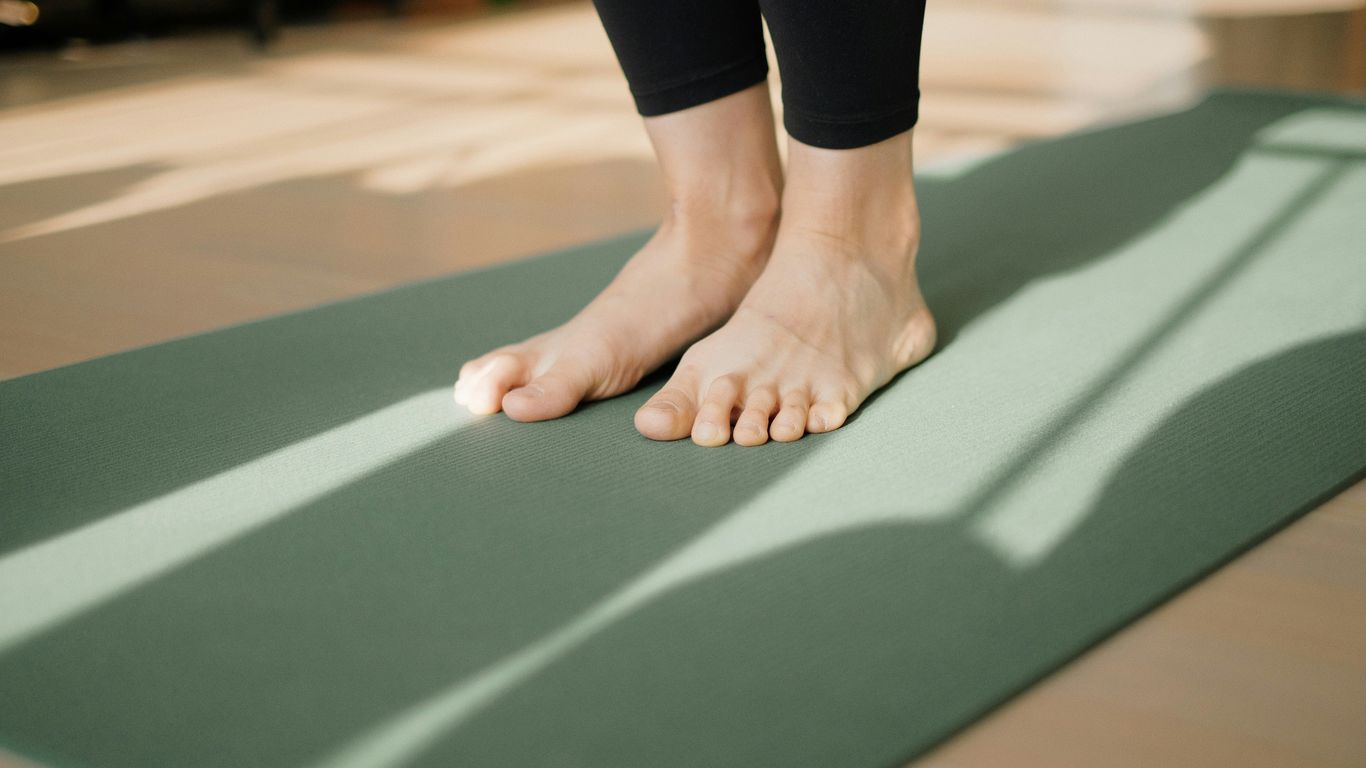
The composition of your mat determines not only its longevity but also how it interacts with your health and the planet. Many users prioritize materials that are free from harsh chemicals, opting for blends that remain durable throughout months of intense practice. Making an informed choice here helps ensure your equipment remains a safe and reliable partner for years.
Comparing PVC versus natural rubber options
PVC is known for its durability and consistent texture, making it a standard choice for long-lasting mats that see frequent use. On the other hand, natural rubber provides a unique, grippy feel that intensifies when moist, though it may require specific care rituals. Both options have benefits depending on whether you value standard performance or a more earthy, reactive surface texture.
Latex-free alternatives for sensitive users
For practitioners with sensitivities, ensuring a mat is explicitly latex-free is a critical safety step. Many modern mats are crafted from specialized polymers that mimic the performance of traditional rubber without the allergens found in natural plant-based sources. Using a latex-free surface allows you to focus entirely on your movement without worrying about allergic skin reactions.
Durability and wear-and-tear expectations
- Inspect the edges regularly for signs of fraying.
- Keep the mat away from direct sunlight to prevent drying.
- Clean the surface frequently to clear away skin oils.
- Use a dedicated mat bag to maintain shape during transit.
- Store the mat flat or rolled loosely to prevent permanent creases.
High-quality materials are built to withstand rigorous movement sequences without thinning or tearing. While every mat will eventually show signs of use, choosing a high-density material ensures you don't face premature breakdown during your daily transitions. Good care habits extend this life considerably, ensuring you don't need to replace your gear until it is truly worn thin.
Maintaining and cleaning your Gaiam mat
Hygiene is essential for a practice that remains fresh and inviting over time. Regular maintenance prevents the build-up of bacteria and odors, which can accumulate from sweat and skin cells during your sessions. A simple routine is usually all it takes to keep the surface feeling clean and ready for your next session.
Daily cleaning rituals for hygiene
After every vigorous session, simply wiping the surface with a mild soap or a specialized yoga mat solution keeps odors at bay. This quick ritual removes surface dust and moisture, ensuring that your mat doesn't become a breeding ground for germs. A clean mat is also safer, as a buildup of surface oil can render even the best grips slippery over time.
Deep cleaning techniques for thick mats
Occasional deep cleaning is necessary, especially for thicker, high-density options that may trap sweat deeper within their cells. For these, a light hand-wash in a tub with a soft cloth followed by thorough air drying is usually effective. Always ensure the mat is completely dry before rolling it up, as moisture left inside the roll can cause mildew to form.
Proper storage methods to prevent creasing
How you store your mat dictates how it will lay the next time you use it. Keeping a mat tightly rolled for months can lead to stubborn creases that interfere with your flat, stable surface. Instead, roll your mat loosely when you plan to use it soon, or lay it flat if you have the space to keep it accessible for daily movement.
Essential accessories to pair with your mat
Accessories are more than just add-ons; they are essential tools that make your overall practice more manageable and enjoyable. By pairing your mat with the right supporting gear, you address common issues like excess sweat or transport fatigue. These small additions can dramatically change the way you interact with your mat.
Evaluating yoga mat towels for sweat management
For those who practice in warm settings, a dedicated towel draped over your mat offers immediate moisture management. These towels are designed to grip the mat securely while providing a soft, absorbent layer for your hands and feet. They are much easier to wash after a heavy class than a large mat, making them an excellent way to maintain cleanliness.
Using yoga mat straps for carrying and storage
Carrying a bulky mat to and from a studio is significantly easier when you utilize a dedicated carry strap. These simple loops secure your mat in a tight roll, allowing you to sling it over your shoulder with minimal effort. They are also useful for hanging your mat at home to let it air out fully between your scheduled sessions.
Selecting a mat bag for travel convenience
When your practice moves beyond the house, a mat bag keeps your gear protected from environmental elements while providing space for additional items like a water bottle or blocks. Choosing a bag with a durable zipper and adjustable shoulder strap ensures you can carry your entire studio setup comfortably, whether you are headed to the park or boarding a flight.
Conclusion
Selecting the right yoga mat is a journey of understanding your own comfort and performance preferences. By considering the thickness, material, and portability of your chosen gear, you create a foundation that supports your growth and stability in every pose. With proper maintenance and the addition of functional accessories, you can rely on your mat as a source of comfort and consistency throughout your daily practice.
Frequently Asked Questions
How often should I replace my yoga mat?
Most mats last for a year or two for frequent practitioners, but the timeline depends on your daily routine and how well you care for the surface. Once you notice significant thinning, persistent slipping, or structural fraying, it is time to look for a replacement that can provide renewed support.
Can I use a yoga mat for other types of exercise?
Yes, these mats are excellent base layers for Pilates, bodyweight conditioning, or stretching routines. Their cushioning and surface grip are beneficial for any floor-based movement, provided you take care to clean off any heavy sweat after your workout.
Is it normal for a new mat to have an odor?
It is common for new mats to release a strong scent upon unrolling, which is usually related to the production process and the materials settling. Unrolling the mat and letting it sit in a ventilated area for a few days before your first use will typically dissipate this smell entirely.
Can you wash a yoga mat in a washing machine?
Most yoga mats are not intended for machine washing, as the agitators can tear the surface material and shorten the life of the product significantly. It is best to stick to hand-cleaning with a mild detergent and a damp cloth to ensure you don't damage the mat's grip.
Why does my yoga mat seem slippery?
Slipping is often caused by a thin layer of surface oil from your skin or an accumulation of cleaning residue that has not been wiped away. A regular deep cleaning can often restore the factory-level grip that was present when your mat was brand new.
How do I stop my yoga mat from sliding on the floor?
If the underside of your mat slips against the floor, ensure you are using it on a hard, clean surface rather than a thick carpet. If the issue persists, placing a thin rug under the mat or checking if the floor is dusty can help maintain a more secure connection during your practice.
Should I store my mat rolled or flat?
Storing a mat flat is ideal if you have the space, as it prevents the material from becoming misshapen over time. If space is limited, rolling it loosely rather than tightly keeps the mat responsive and helps prevent those stubborn creases that make it difficult to get the mat to lay flat during class.

