

Standard yoga mat dimensions, materials, and buying guide
Key Takeaways
A standard yoga mat is a practical starting point, but the best choice depends on your height, practice, comfort needs, and how often you carry it.
- A typical mat is about 24 inches wide and 68 to 72 inches long.
- Medium thickness offers a useful balance between cushioning and stability.
- PVC, TPE, rubber, cork, and PER each feel different under hand and foot.
- Grip, texture, weight, and cleaning needs matter as much as dimensions.
- Replace a mat when its surface, cushioning, or traction can no longer support safe practice.
Understand what defines a standard yoga mat
The phrase “standard yoga mat” usually describes a rectangular mat made for everyday home, studio, or travel use. It does not point to one universal size or material, so small differences between brands are normal. Your height, shoulder width, floor surface, and preferred poses all affect whether a common size feels roomy or cramped. For a broader look at sizing, see this guide to standard yoga mat sizes.
Typical length and width measurements
A traditional standard mat is roughly 68 inches long and 24 inches wide, while many current designs measure closer to 71 or 72 inches in length. That extra few inches can make lying down, stepping back, and transitioning feel less restricted. Width tends to remain around 24 inches because it keeps the mat manageable to roll and carry.
The right size should give your hands and feet dependable room without taking over the entire floor. These common dimensions are a useful baseline, not a rule that every practitioner must follow.
| Mat size | Approximate dimensions | Best suited to |
|---|---|---|
| Short or compact | 68 x 24 inches | Smaller spaces and shorter users |
| Standard | 71–72 x 24 inches | Everyday home or studio practice |
| Oversized | 72–84 x 26–30 inches | Taller or broader practitioners |
Use the table as a starting point, then measure the space where you usually practice. A mat that fits your room and leaves enough clearance for movement is more useful than a larger mat that is difficult to store.
How standard mats fit different body types
For many people, a 71- or 72-inch mat provides enough length for standing sequences and seated work. Taller practitioners may notice their head or heels reaching the floor during savasana, while broader users may prefer a little extra width for lateral movement. A simple check is to lie down on the mat and see whether your hands, elbows, and feet stay comfortably supported.
Body proportions matter more than a label on the packaging. If you are between sizes, consider how much floor space you need during your most extended pose rather than choosing only by height.
When a travel or oversized mat makes more sense
A travel mat is useful when you practice in hotel rooms, parks, offices, or small apartments and need something easy to pack. It may be thinner or lighter than a standard model, so some people place it over a studio mat or carpet for extra comfort. An oversized mat makes more sense when you regularly practice wide-legged poses, move vigorously, or find a 24-inch width restrictive.
The Sycamore Trekk Travel Mat is a documented example of a portable design: it is 5mm thick, measures 24 by 72 inches, weighs 2.5 pounds, and has a double-sided surface with a softer ridged top and firmer grippier bottom. Those details show why portability is not only about folding; weight, dimensions, and the way the mat behaves on different surfaces all matter.
Choose the right mat thickness
Thickness changes how the floor feels, how firmly you can balance, and how easy the mat is to carry. Thin mats usually provide a closer connection to the floor, while thicker mats offer more space between your joints and a hard surface. There is no perfect number for everyone, but a medium thickness is often a sensible starting point. Think about your practice and your joints before thinking about a single measurement.
Benefits of a thin standard yoga mat
A thin mat can feel stable beneath standing poses because it compresses less and keeps you close to the floor. It also rolls into a smaller bundle, making it attractive for commuters and travelers. The tradeoff is less cushioning for knees, wrists, hips, and the back of the head during floor-based work.
Thin does not automatically mean poor quality. A dense surface can feel more supportive than a thicker but softer one, so consider firmness as well as the listed millimeters.
Why medium cushioning suits most practices
Medium cushioning is popular because it handles a mix of standing, seated, and moving poses without feeling excessively soft. It gives joints some protection while still allowing feet to press down with confidence. For a general home or studio routine, this balance often feels less limiting than choosing an extreme in either direction.
A 3.5mm to 4.5mm mat can be a reasonable range to investigate, although construction and density will change the experience. The cork guide from Scoria World Standard Essential Cork Yoga Mat also illustrates how manufacturers distinguish travel, commute, standard-thick, and extra-thick options.
When extra thickness helps with comfort
Extra thickness can be helpful if you practice on tile, concrete, or another unforgiving surface. It may also suit people who spend considerable time kneeling, lying down, or moving through low-to-the-floor sequences. The added cushion can make a session more comfortable, but it usually adds bulk and may feel less precise during balance work.
Comfort should not require the mat to wobble beneath you. If you need substantial cushioning, look for a firm, supportive construction rather than choosing the softest option available.
How thickness affects balance and stability
A soft, thick mat compresses under pressure, which can make single-leg poses or transitions feel less predictable. A thinner, denser mat often gives a more grounded response, though it can be less forgiving on hard floors. Firm support matters as much as thickness when your practice includes standing balance or controlled weight shifts.
Try pressing your palm into a mat before buying if possible. Notice whether it springs back evenly or leaves your hand sinking into a soft pocket; that quick test can tell you a surprising amount about stability.
Compare standard yoga mat materials
Material affects grip, smell, flexibility, durability, and cleaning routine. Two mats with the same dimensions and thickness can feel completely different because their top layers respond differently to pressure and moisture. Consider where you practice and how much maintenance you are willing to do. A practical material choice should fit your habits, not just your preferences on a product page.
PVC mats for grip and durability
PVC has long been used for yoga mats because it can provide a durable, consistent surface with dependable grip. It is often easy to wipe down and can hold its shape through regular use. Some PVC mats are heavier or less environmentally appealing to certain buyers, so check the product description and disposal guidance before choosing one.
The material can be a good fit for people who want a firm, familiar surface and do not need the lightest possible setup. Surface finish still matters; PVC is not one single texture or traction level.
TPE mats for lighter, more flexible designs
TPE mats are often selected for their flexible feel and relatively light construction. They can be comfortable for home practice and convenient when you need to carry your mat regularly. Their grip and durability vary, so inspect the surface rather than assuming every TPE mat will behave the same way.
A flexible mat may roll easily but can also show edge curl when new. Letting it rest flat and following the care instructions usually helps it settle into a more usable shape.
Natural rubber and cork options
Natural rubber can offer a grippy, substantial feel, while cork tends to have a distinctive surface that many practitioners appreciate for its natural look and changing response to moisture. Rubber may have a noticeable odor at first, and people with latex sensitivities should check the material details carefully. Cork can be firm and easy to wipe, but its traction depends on the backing and the amount of moisture present.
These options appeal to buyers who want a different tactile experience from synthetic foam. They still require sensible cleaning and drying, especially after a sweaty session.
How material affects traction and maintenance
Traction comes from the interaction between the top surface, your skin, moisture, and the floor beneath the mat. A highly textured surface may feel secure but can collect more residue, while a smooth surface may be easier to wipe clean. Material also influences how quickly a mat dries and whether it is safe to use with a particular cleaner.
Read the care instructions before applying essential oils, disinfectants, or homemade sprays. A cleaner that works on one material can leave another sticky, faded, or brittle.
Match the mat to your yoga practice
Your style of practice should guide the buying decision more than a fashionable color or an isolated feature. Slow sessions emphasize comfort and quiet stability, while flowing sequences place greater demands on grip and edge control. Hot practice brings moisture into the equation, and travel adds weight and storage concerns. The best standard yoga mat is the one that supports the way you actually move.
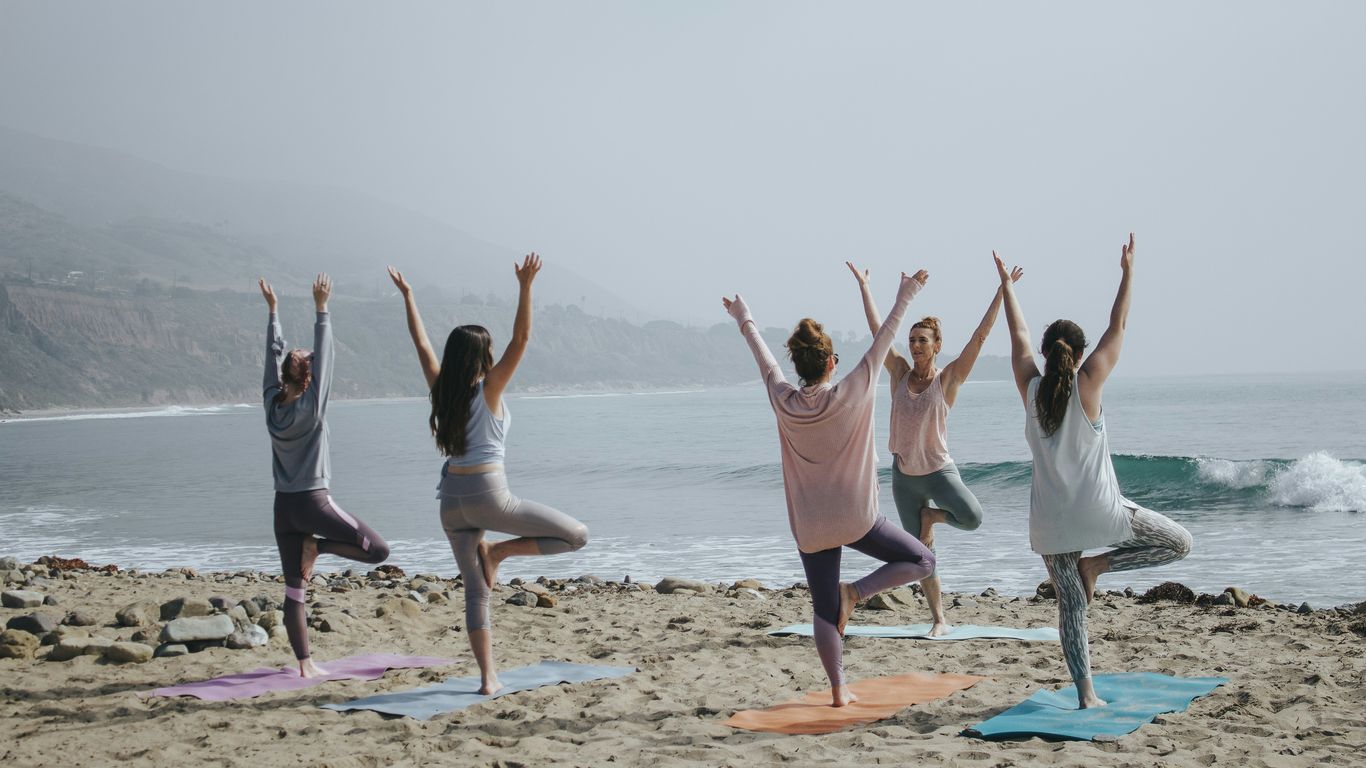
Selecting a mat for yoga flows
For vinyasa or other flowing routines, look for a surface that lets you move your hands and feet with control without sticking abruptly. Moderate cushioning can soften repeated contact while still allowing quick transitions. A mat that lies flat and does not shift on the floor is especially helpful when the sequence becomes faster.
The Skaro Mat is described as suitable for Vinyasa, hot yoga, Pilates, mobility, and meditation, with practice-proven traction, balanced cushioning, and a design that resists edge curl. Those documented features illustrate the kind of all-around construction flow practitioners often seek.
Choosing stability for balance-focused poses
Balance work benefits from a predictable, dense surface and enough width to place the feet without feeling crowded. Excessively soft cushioning can make small ankle adjustments harder to sense. Check whether the mat stays planted when you pivot or shift weight from one side to the other.
Alignment marks can also help you repeat hand and foot placement, but they should support body awareness rather than force every pose into a rigid shape. Your comfort and control remain the better measures.
Finding comfort for restorative yoga
Restorative practice often includes longer periods seated, kneeling, or lying down, so cushioning becomes more noticeable. A medium or thicker mat can make hard floors easier to tolerate, particularly when the session includes little movement to redistribute pressure. You may also want room for a blanket, bolster, or folded towel alongside the mat.
If you practice in a small room, choose the thickest option you can store and carry comfortably. A mat that is always available will usually serve you better than a luxurious one that stays in a closet.
Considering hot yoga and heavy perspiration
For sweaty practice, focus on moisture response, surface traction, and cleaning instructions. Some materials feel grippier as moisture increases, while others become slick and need a towel layer. Ventilating the mat after class is just as important as wiping it down.
The Hatsumi mat is documented as having traction that improves as you heat up, along with a textured surface and easy cleaning. It is a useful example of matching a feature to a specific practice demand without assuming that every non-slip mat performs identically in heavy perspiration.
Evaluate grip, support, and portability
Grip is more complicated than a simple non-slip label. A mat may feel secure when dry but change noticeably with sweat, lotion, or humidity. Support includes both cushioning and the way the mat stays connected to the floor. Portability then determines whether you can bring those qualities to the places where you actually practice.
Dry grip versus grip that improves with moisture
Dry grip is useful for gentle sessions, commuting, and practices where you do not sweat much. Moisture-responsive grip can be more suitable for heated rooms or vigorous movement, provided the surface does not become overly tacky. If you are unsure, look for clear care and use guidance rather than relying on a broad marketing phrase.
A small hand test is revealing: place a dry palm on the mat, then repeat with slightly damp skin. The change should feel controlled, not like an abrupt loss of traction.
How surface texture affects traction
Texture creates contact points between your skin and the mat, but more texture is not always better. Deep ridges can feel secure and may hide minor wear, while fine texture may be easier to clean and more comfortable for bare feet. Consider whether the surface irritates your hands during longer holds.
Also check the underside. A grippy top cannot compensate for a backing that slides across wood, tile, or a thin carpet.
Checking weight and roll-up convenience
A mat is portable when its full setup works for you: weight, rolled diameter, strap or handle, and how quickly it lies flat. If you travel by public transit or carry other gear, even a small difference in weight can influence whether you bring it. Foldable and lightweight designs are especially useful for hotel rooms, parks, and beachside practice.
Before buying, consider these everyday questions:
- Can you carry the rolled mat with one hand?
- Will it fit in your usual bag or luggage?
- Does it unroll flat without constant adjustment?
- Can you clean and dry it before packing it again?
A mat that answers these questions well is more likely to become part of your routine. Portability is not a bonus if it determines whether practice happens at all.
Using alignment markings and other features
Alignment markings can make it easier to place hands and feet consistently, especially when practicing alone. Carry straps, textured undersides, moisture-resistant surfaces, and printed designs can also add practical value. Choose features that solve a real inconvenience rather than collecting details you will not use.
For example, someone who practices outdoors may care more about easy cleaning and stable backing than about decorative printing. Someone who travels frequently may prioritize a slim roll and low weight instead.
Maintain and replace your standard yoga mat
Regular care keeps a mat more pleasant to use and makes wear easier to spot. Sweat, skin oils, dust, sunlight, and repeated folding all affect the surface over time. A simple routine is usually enough: wipe the mat after use, let it dry fully, and store it away from extreme heat. This is the same practical mindset behind improving indoor air quality: reduce residue at the source and maintain the equipment consistently.
Cleaning methods for common mat materials
Start with the manufacturer’s instructions, then use the mildest suitable method. Many mats can be wiped with a damp cloth and a gentle cleaner, while some require spot cleaning or plain water. Avoid soaking a thick mat unless the instructions specifically allow it, since trapped moisture can create odor and slow drying.
If you are comparing maintenance alongside comfort, the Janet Yoga Mat is documented as having a moisture-resistant surface and easy cleaning, while also being made from PER and free from latex, phthalates, and heavy metals. That is a product-specific example, not a claim about every mat made from a similar category of material.
Preventing odors, peeling, and surface wear
Odor often comes from packing a damp mat too soon, so allow both sides to dry before rolling it. Peeling and flaking may result from age, repeated friction, harsh cleaners, or exposure to heat and direct sunlight. Keep shoes, rough flooring, and sharp accessories away from the surface when possible.
A gentle wipe after each practice is more effective than an occasional aggressive scrub. When choosing a mat, durability claims should be read alongside the care instructions and expected use.
Storing the mat between practices
Roll the mat with the practice surface facing outward or inward according to the manufacturer’s guidance, and avoid leaving it compressed under heavy objects. Store it in a cool, dry place where air can circulate. If you regularly move between home and studio, a simple strap or breathable carrier can prevent awkward handling and reduce contact with dirty floors.
For larger household organization decisions, the same habit applies as with planning a bathroom renovation: decide where an item will live before choosing its size and features. A mat that has a designated storage spot is less likely to be left damp or crumpled.
Signs that it is time for a replacement
Replace your mat when it no longer stays in place, the surface becomes slick, or worn areas expose a different layer underneath. Persistent odor after proper cleaning, cracking, peeling, and compressed cushioning are also practical warning signs. If your hands or feet repeatedly slip in familiar poses, the problem may be the mat rather than your technique.
A long service life depends on material quality, use, care, and storage. The principle is similar to evaluating fiber cement siding durability: maintenance and environmental exposure influence how long a material remains useful, so inspect the actual condition rather than relying only on its original promise.
For a related perspective on choosing supportive movement habits, lower back pain relief can provide broader, non-mat-specific context. Keep the decision practical, and replace the mat when its condition distracts from controlled practice.
Conclusion
Choosing a standard yoga mat becomes easier when you treat dimensions, thickness, material, grip, and portability as connected decisions. Start with a size that gives you room to move, then match cushioning and surface feel to your practice and the places where you use it. With regular cleaning, complete drying, and sensible storage, a well-chosen mat can remain a dependable part of your routine for years.
Frequently Asked Questions
What is the standard size of a yoga mat?
A common yoga mat is about 24 inches wide and 68 to 72 inches long. Some practitioners need a longer or wider design for more room during reclining or expansive poses.
Is a 6mm yoga mat too thick for balance?
Not necessarily. A firm 6mm mat can provide comfort while remaining stable, but a very soft surface may feel less precise during balancing poses. Density and construction matter as much as the measurement.
What thickness is best for beginners?
A medium thickness is often a practical starting point because it offers some joint cushioning without feeling excessively unstable. Beginners should also consider the hardness of the floor and how much they need to carry the mat.
Which yoga mat material is easiest to clean?
The easiest material depends on the specific surface and the manufacturer’s care instructions. In general, a moisture-resistant surface that can be wiped with a mild cleaner is convenient for regular use.
How long should a yoga mat last?
A mat can last for several years, but lifespan varies with material, frequency of use, perspiration, cleaning, storage, and floor conditions. Replace it when it loses traction, flakes, cracks, or no longer provides dependable support.
Is a travel yoga mat suitable for daily practice?
It can be, especially for people who value low weight and easy packing. If you need more joint cushioning or practice on hard floors, a travel mat may work better over a carpet or another supportive surface.
How do I stop my yoga mat from sliding?
Clean residue from both the mat and the floor, allow the mat to dry fully, and place it on a suitable surface. If sliding continues, the mat may be worn out or its underside may not match your flooring.


