

How to choose the best yoga mat for home workout routines
Key Takeaways
The best yoga mat for home workout routines should feel stable, comfortable, and easy to live with. Focus on how you actually move, where you will store it, and how much care you are willing to give it.
- Choose cushioning that supports your joints without making balance difficult.
- Match the material and surface texture to your grip, cleaning, and sustainability preferences.
- Measure your workout area before choosing a mat size.
- Give special attention to traction when combining yoga with strength or high-impact work.
- Clean, dry, and store the mat properly so it remains useful for longer.
Understand what makes a yoga mat suitable for home workouts
A home workout mat needs to do more than look attractive in a product photo. It should create a dependable boundary for your practice, whether you are moving through yoga poses, stretching after work, or doing bodyweight exercises. The right choice depends on your floor, your routine, and the amount of space you can leave clear. A mat that feels good underfoot is much more likely to be used regularly.
Choose the right balance of cushioning and stability
Cushioning softens contact with the floor, but a very springy mat can make standing poses and controlled strength movements feel less steady. For many people, a medium-density mat is a sensible starting point because it offers comfort without completely separating you from the floor. Pay attention to how the mat compresses under your hands and feet, not just its listed thickness. A grounded feel matters when you are shifting weight or holding a position.
Consider yoga, strength training, and stretching needs
A mat used only for gentle stretching can prioritize softness, while one used for planks, lunges, and mobility drills needs stronger traction and quicker recovery after pressure. If your routine changes from day to day, choose a surface that can handle several movement styles without feeling overly specialized. A practical gym and yoga mat guide can also help you compare the broad requirements of exercise surfaces without treating one feature as universally best.
Match the mat size to your available space
Measure the area where you plan to exercise, including room to step off the mat safely. A standard mat may be enough for floor-based yoga, but longer or wider options can feel more comfortable during stretching and strength work. Leave clearance around furniture, walls, and sharp corners so the mat does not become a trip hazard. In a small room, a mat that fits neatly may be more useful than a larger one that must be moved every time.
Evaluate portability and storage requirements
If you put your mat away after every session, weight and roll size become part of the buying decision. A lighter mat can be easier to carry between rooms, while a foldable design may fit in a drawer or weekend bag. The Sycamore Trekk Travel Mat is described as a lightweight, 5mm, 24-by-72-inch option with a soft ridged top and firmer, grippier bottom, making those portability considerations concrete. Think about whether you need a mat that stays in one place or one that can follow you to a hotel room, park, or beach.
Compare yoga mat materials and construction
Material affects the way a mat feels, how it responds to moisture, and how easy it is to maintain. There is no single material that suits every home or every practice. Instead, compare the surface, the backing, and the construction together. This gives you a clearer picture than choosing by material name alone.
PVC, natural rubber, and TPE explained
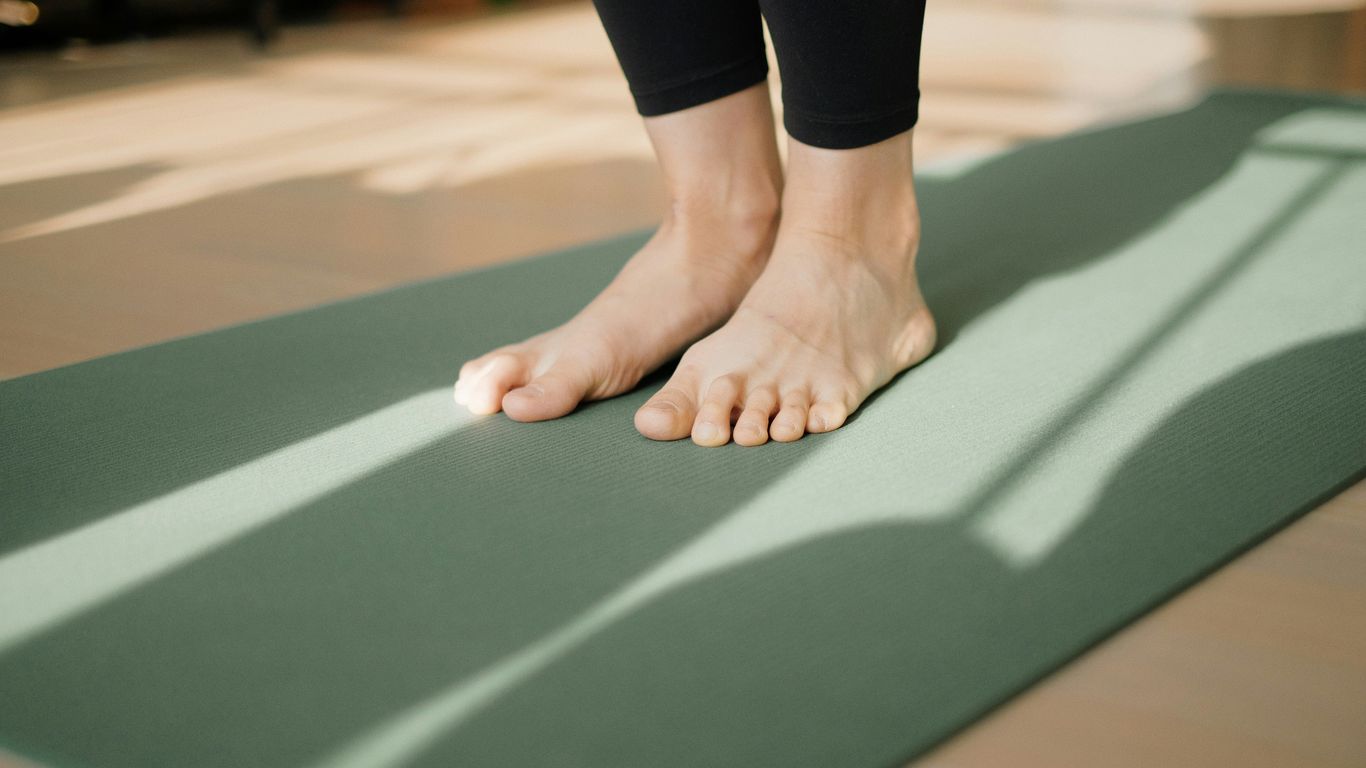
PVC is often chosen for its familiar feel and practical durability, while natural rubber can provide a firm, grippy base. TPE is another common option, valued by shoppers who want a lightweight synthetic material. Check the product description for latex, phthalate, or other material information if those details matter to you. The important question is whether the complete construction matches your comfort, care, and environmental preferences.
Pros and cons of textured and smooth surfaces
Textured surfaces can give your hands and feet more feedback, especially during transitions. Smooth surfaces may feel comfortable for flowing movement but can become less reassuring when moisture builds up. Texture is not automatically better, so consider whether it feels pleasant against bare skin and whether it traps dust. A short test with downward pressure from your palm can reveal more than a close-up photograph.
Look for durable, tear-resistant construction
Edges that curl, thin spots, and early surface peeling can make a mat frustrating to use. Look for descriptions that address tear resistance, reinforced construction, or a surface designed for repeated use. If you travel with the mat, inspect how it behaves when rolled and unrolled, since repeated packing can stress the edges. Durability is especially useful when the mat serves as your everyday base rather than an occasional accessory.
Check whether the materials meet your preferences
Before buying, make a short list of non-negotiables: a latex-free surface, washable material, low weight, or a particular feel. Then compare products by those criteria instead of being distracted by decorative printing. For shoppers who are also evaluating household textiles, cotton textile sourcing details illustrate the value of checking specifications such as material, finishing, size, and care before purchase. The same habit works well for a yoga mat: read the actual specifications and do not assume the image tells the whole story.
Find the right thickness and comfort level
Thickness changes both comfort and control. A thin mat can make balancing easier and pack down neatly, while a thicker mat may be kinder to knees during floor work. Your floor type matters too: hard tile usually calls for more protection than a carpeted room. Choose based on the movements you repeat most often rather than chasing the thickest option.
When to choose a thin yoga mat
A thin mat can suit people who prefer close contact with the floor, practice balance-focused yoga, or need something easy to pack. It may also work well over a carpet or another forgiving surface. The tradeoff is that kneeling and reclining positions can feel firmer, particularly on wood or tile. If you choose thinness for portability, consider keeping a folded towel nearby for occasional support.
Benefits of medium and extra-thick mats
Medium thickness is often a practical middle ground for mixed home routines. Extra-thick mats can feel more comfortable for seated stretches, kneeling exercises, and low-impact movement, but they may be heavier and less stable under quick transitions. A product such as the Raliegh Yoga Mat is described as a 6mm, lightweight mat with joint-relief cushioning and a sweat-responsive grip, showing how thickness can be considered alongside other features. Read the density and surface details, not only the millimeter number.
Protect your knees, wrists, and spine
Comfort should be assessed at the pressure points that repeatedly contact the floor. Try a tabletop position, a kneeling lunge, and a seated forward fold if you can test the mat in person. If your wrists feel strained, changing hand position or using a small support may help, rather than simply buying the softest mat available. A stable, even surface is usually more useful than deep padding that compresses unpredictably.
Avoid excessive cushioning that affects balance
A soft mat can feel inviting at first, yet too much give may make single-leg poses and strength exercises harder to control. Notice whether your feet wobble or whether your hands sink noticeably during a plank. If so, a firmer surface or a thinner mat may suit your routine better. Comfort and stability should cooperate, not compete.
Prioritize grip and workout safety
Grip is one of the most practical safety features in a home workout mat. It helps you stay positioned during transitions and reduces the need to repeatedly stop and reset. Still, no surface can replace sensible pacing, a clear floor, and clean, dry hands. Test grip in the conditions in which you actually exercise.
Compare dry grip and sweat-resistant surfaces
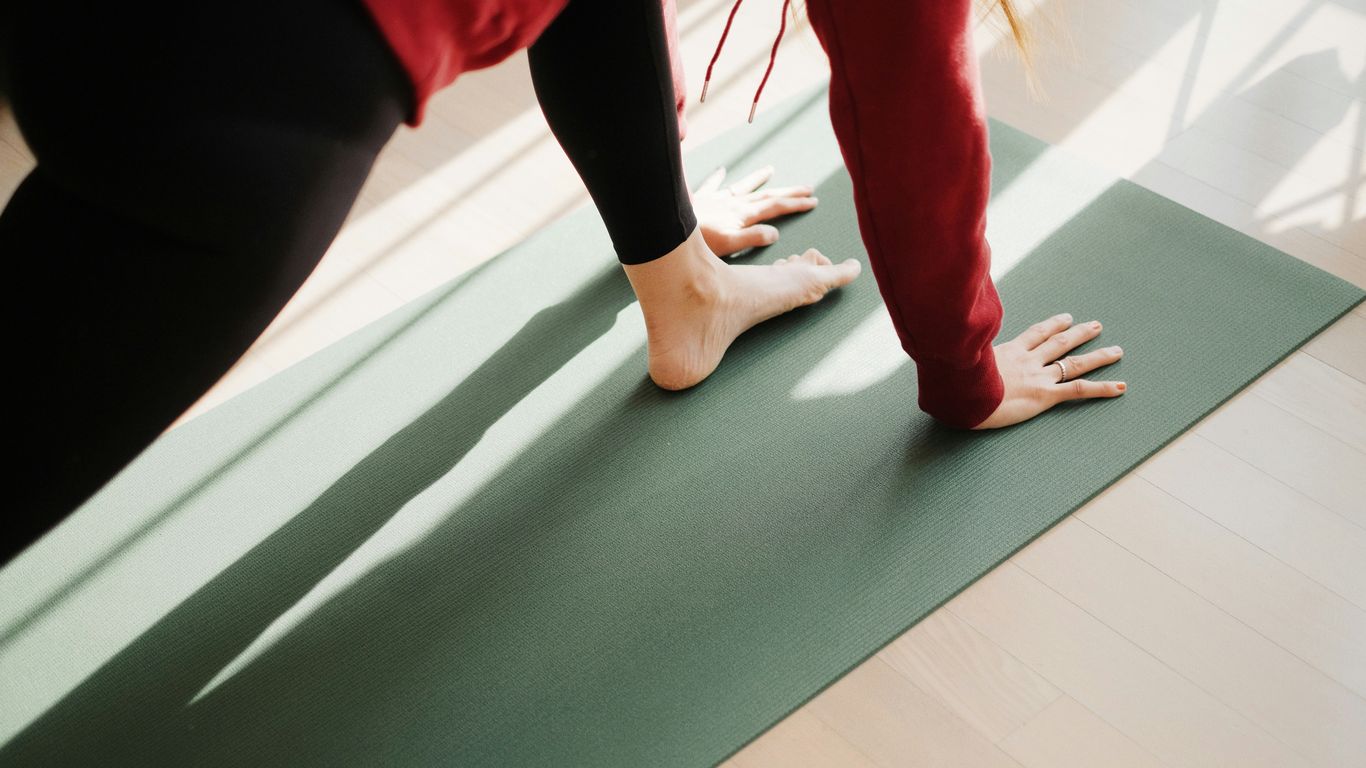
Some mats feel very secure when dry but become slick as perspiration increases. Others are designed to remain more dependable when moisture is present, though they may require more careful cleaning. Consider whether you practice in a warm room, combine yoga with cardio, or tend to sweat heavily. If you often exercise when damp, a towel designed for absorbency can be a useful addition rather than relying on the mat alone.
Test traction for yoga and high-impact exercises
Try several movements before deciding that a mat has good grip. Hold downward-facing positions, step through a lunge, and test a controlled mountain climber or squat if the setting allows it. The CR24 6mm Tan Non-Slip Yoga Mat is described as having a textured non-slip surface, balanced cushioning, and moisture-resistant PVC, which are the kinds of specifications worth comparing for mixed routines. Traction should feel predictable rather than aggressively sticky.
Look for reliable floor grip
A mat can have a grippy top and still slide across a smooth floor. Check whether the underside is designed to stay in place and whether it lies flat after unrolling. Dust, hair, and moisture under the mat can reduce floor contact, so sweep or wipe the area before practice. On polished floors, test the mat with a gentle push from your foot before beginning faster movements.
Recognize signs of slipping or surface wear
Repeated slipping is a reason to reassess the mat, your cleaning routine, or the floor beneath it. Watch for shiny patches, peeling texture, curled edges, and areas that no longer recover after pressure. These changes can affect both confidence and control. A mat that has become unpredictable is not a good bargain simply because it is familiar.
A helpful home setup also includes the surrounding environment. For example, portable dehumidifier care highlights the importance of airflow, placement, and maintenance in keeping indoor spaces comfortable; those same practical habits can help a mat dry fully after cleaning.
Choose a yoga mat that fits your home
Your workout area is part of the equipment. A mat that suits your body but blocks a doorway or catches on furniture will create friction before the session begins. Consider the visual and physical character of the room, including hard flooring, storage, and noise. Small choices here can make practice feel easier to start.
Measure your workout area before buying
Lay out a tape measure and mark the usable length and width, not just the overall room dimensions. Check the space with your arms extended and allow room for stepping around the mat. If you use weights or blocks, include those items in the measurement. A slightly smaller mat that leaves safe clearance may be the better home choice.
Select colors and designs that suit your space
A color or pattern can make the mat feel like a welcome part of the room rather than something to hide. Choose a design that remains easy to inspect for dirt and wear, especially if the mat will stay visible. Neutral shades can blend into a multipurpose room, while a brighter print may help define a dedicated workout corner. Style is personal, but it should not obscure the care instructions.
Consider noise reduction on hard floors
Mats can soften the sound of kneeling, lowering, and some bodyweight movements on wood or tile. They will not eliminate impact noise from jumping, but extra material beneath you may make floor-based sessions quieter. If noise travels easily through your home, favor controlled movements and add a separate exercise surface when needed. A mat is part of the room's sound environment, not a complete substitute for technique.
Plan for easy rolling and storage
Store the mat dry and away from direct heat or prolonged sunlight. A simple strap, hook, or open shelf can prevent it from being crushed under furniture. For frequent travel, the Yune Yoga Juliet Trekk Travel Mat is described as a lightweight 2.5-pound, 5mm mat with a double-sided design and a firmer, stickier bottom. Whether you choose that type of travel design or a roomier everyday mat, storage should make the next session convenient.
Maintain your yoga mat for long-term use
Good maintenance protects grip, comfort, and cleanliness. Sweat, skin oils, dust, and moisture accumulate differently depending on whether you practice gentle yoga or intense bodyweight work. Cleaning does not need to be complicated, but it should be consistent. Follow the manufacturer's care instructions whenever they are available.
Clean the mat after different types of workouts
After light stretching, a dry wipe may be enough if the surface looks clean. After sweaty sessions, wipe the entire mat and give special attention to hand and foot placement areas. Let it dry fully before rolling it up. If you use the mat outdoors, remove grit promptly so particles do not work into the texture.
Use safe cleaning products and methods
Start with a soft cloth and a mild cleaner that is compatible with the material. Avoid abrasive brushes, harsh solvents, and heavy fragrance if they may damage the surface or leave a slippery film. Do not soak a mat unless the care instructions specifically allow it. A careful, light cleaning routine is usually safer than an aggressive deep scrub.
Prevent odors, cracks, and peeling
Ventilation is as important as wiping. Do not roll the mat while it is damp, and avoid storing it in a hot car or pressed tightly against a radiator. Keep pets, shoes, and rough flooring away from the practice surface when possible. If the mat begins to smell despite cleaning, inspect whether moisture is being trapped inside the roll.
Know when it is time to replace your mat
Replacement is sensible when the surface loses dependable traction, the underside slides, or the material splits and sheds. Small cosmetic marks may not matter, but deep cracks and persistent curling can interfere with movement. You can also replace a mat when your routine has changed and its thickness no longer supports what you do. Before making that decision, review your needs alongside practical home-maintenance guidance such as this roof inspection checklist: regular checks often catch small problems before they become disruptive.
If your workout space is part of a larger comfort plan, thermostat selection advice offers another useful reminder: match equipment to the room, your habits, and the way you actually use the space. The same principle applies to a mat.
Conclusion
Choosing a yoga mat for home workout routines becomes simpler when you focus on real use: the movements you practice, the floor beneath you, the space available, and the effort required to store and clean it. Look for a comfortable but stable surface, dependable traction, suitable construction, and a size you can live with. The best mat is the one that makes regular movement feel practical rather than complicated.
Frequently Asked Questions
What thickness is best for a yoga mat for home workout routines?
A medium thickness is a useful starting point for mixed routines because it balances cushioning and stability. Choose thinner for portability and firmer balance, or thicker for more knee and floor comfort.
Can I use a yoga mat for strength training?
Yes, many mats work well for planks, lunges, mobility exercises, and other bodyweight movements. Check that the surface grips well and that the mat does not slide on your floor.
Is natural rubber better than PVC?
Neither is universally better. Natural rubber may appeal to shoppers seeking a firm, grippy feel, while PVC is often selected for practical durability. Check the full material and care details before deciding.
How do I stop my yoga mat from slipping?
Clean both the mat and the floor, allow moisture to dry, and check that the underside is making full contact. If slipping continues, the mat may be worn or unsuitable for the surface.
How often should I clean my yoga mat?
Wipe it after sweaty sessions and clean it more thoroughly as needed. Always let it dry completely before rolling it, since trapped moisture can contribute to odors and material damage.
Is a thicker mat better for sore knees?
Extra cushioning can make kneeling more comfortable, but thickness alone does not solve every pressure issue. Look for even support and consider a small folded towel or separate knee pad for targeted comfort.
What is the best way to store a yoga mat?
Store it clean, dry, loosely rolled, and away from prolonged heat or direct sunlight. Keep it where the next use is easy, such as on an open shelf or in a breathable storage area.

