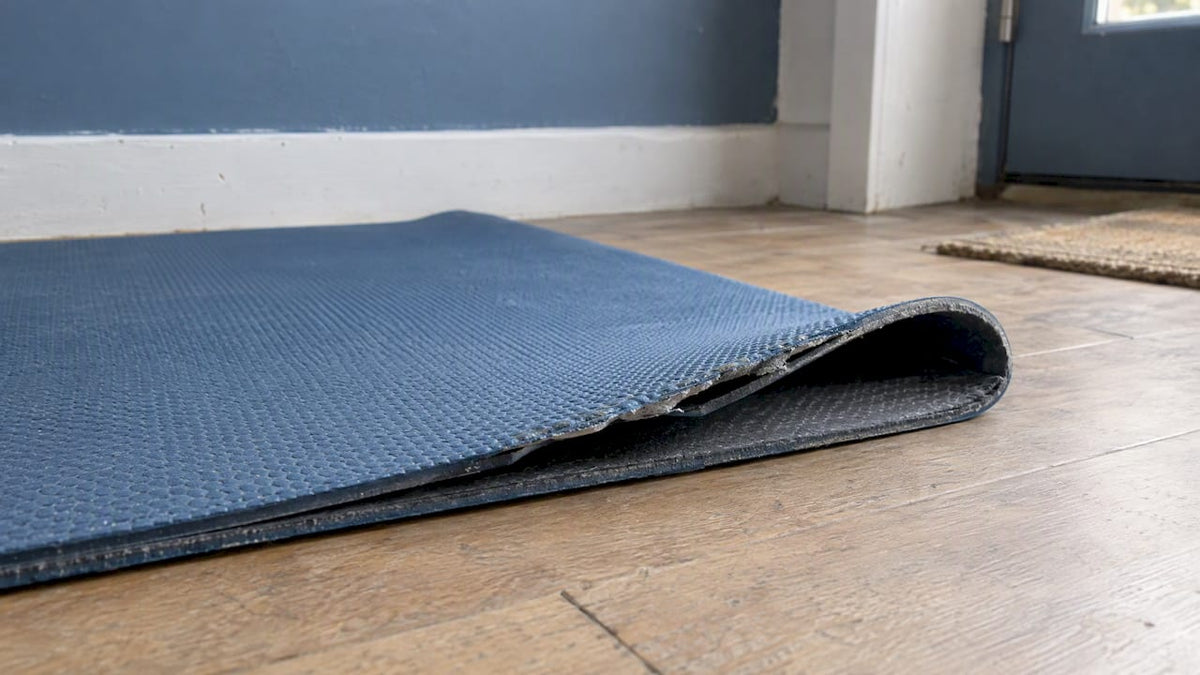
Article: How to Remove Stains From a Yoga Mat Without Ruining It
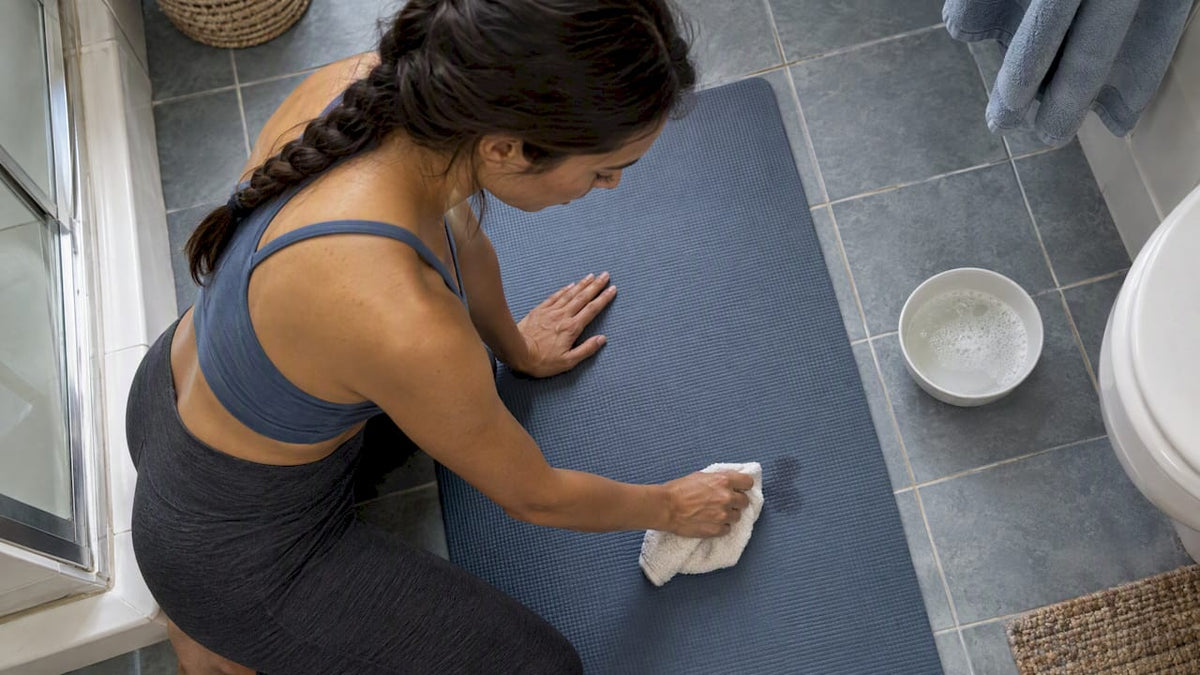
How to Remove Stains From a Yoga Mat Without Ruining It
Most yoga mat stains come out with a few drops of mild dish soap, warm water, a soft cloth and patience. The stain is rarely the real danger. The danger is the aggressive fix: bleach, alcohol, a stiff brush or a long soak that breaks down the surface of the mat. This guide walks through the gentle method first, then what to do for specific marks, what to avoid, and what to do when a stain simply stays.
TL;DR
- Mix one cup of warm water with two to four drops of mild dish soap in a spray bottle, spray the stain, scrub gently with a soft cloth, then wipe it clean with a damp cloth.
- Skip bleach, alcohol and harsh disinfectants. They can degrade mat materials over time, and oils and vinegar are a poor fit for some mats.
- Read your mat’s care instructions before soaking it. Some brands explicitly say never to submerge their mats.
- Dry the mat fully in a shaded, ventilated spot before you roll it up. A damp rolled mat invites mold.
- A faint shadow that survives two gentle rounds is usually cosmetic. Stop scrubbing and keep practicing, ideally with a towel on top.
Table of Contents
- Start by identifying your mat and the stain
- What you need
- The gentle method that works on most stains
- Match the method to the stain
- What not to use
- Rinse, dry and store without making a new problem
- What to do if the stain does not come out
- Keep stains from coming back
- Our perspective: clean gently, and choose materials that make it easier
- A mat that is easier to live with
- FAQ
- Sources
Start by identifying your mat and the stain
Two questions decide everything: what is the mat made of, and what made the mark?
Mat material matters because absorbency varies. A porous, open-cell surface drinks in liquids and cleaners. A dense, closed-cell surface holds them on top. Wirecutter’s testing guide advises checking the manufacturer’s cleaning guidelines first, because vinegar, dish soap and tea tree oil may not suit every mat. If your mat has a tag, a box or a product page, read it before you pick up a sponge.
The stain matters because the cause tells you how hard to work:
- Sweat and skin oil: the most common culprit. It darkens the spots where your hands and feet land.
- Dirt and dye transfer: gray smudges from outdoor practice, or color from damp leggings and dark towels.
- Spilled drinks, makeup, sunscreen or lotion: greasy marks that spread when you rub them.
- Mildew spots: usually from a mat rolled up while still damp. These come with a smell.
Act early. A fresh mark sits on the surface. One that has been rolled up, warmed and walked on for weeks has had time to settle in.
What you need
You do not need a special product. A kitchen drawer covers it:
- A spray bottle
- Warm water
- Mild dish soap, with no bleach and no heavy dyes or fragrance
- Two soft cloths, one for scrubbing and one for rinsing, both lint-free and non-abrasive
- A clean towel or a drying rack
That is it. Resist the urge to add vinegar, essential oils or baking soda paste “for extra power” until you have tried the plain version.
The gentle method that works on most stains
This follows the approach Wirecutter describes for stubborn stains.
- Make the solution. Fill a spray bottle with one cup of warm water and two to four drops of mild dish soap. More soap is not better. Extra soap leaves a film that makes the mat slippery and takes more rinsing.
- Lay the mat flat. Work on a floor or table you do not mind getting damp, or in a bathtub with the mat resting on the edge.
- Spray the stained area. A light mist, not a drenching. You want the surface damp, not the core of the mat.
- Let it sit for a minute or two. This loosens oils so you can scrub less.
- Scrub gently with a soft cloth. Use small circles. If you feel the mat’s texture changing under the cloth, you are pressing too hard.
- Rinse by wiping. Go over the area with a cloth dampened in clean water to remove the soap residue. Repeat until the cloth comes away without suds.
- Dry it properly. See the drying section below. It is the step people skip.
For the whole mat, not just a spot, the same solution works. Spray both sides lightly, wipe, rinse with a damp cloth and hang to dry. We also have a step-by-step routine for deep cleaning your yoga mat if the whole surface looks tired and not one patch.
Match the method to the stain
The base method handles most marks. These adjustments help with the rest.
| Stain | What it usually is | What to try |
|---|---|---|
| Gray or dark patches where hands and feet land | Sweat, skin oil, dust | Base soap solution, two rounds, rinse between them |
| Greasy smear (lotion, sunscreen, makeup) | Oil that spreads when rubbed | Blot first, do not rub. Then soap solution, working from the outside of the mark inward |
| Color transfer from leggings or towels | Dye from damp fabric | Soap solution right away. The longer it sits, the harder it gets |
| Dried drink or food | Sugar and residue | Damp cloth first to soften, then soap solution |
| Musty spots or smell | Mildew from trapped moisture | Soap solution, then a long, complete air dry in a ventilated spot |
A few notes on this table. Blotting a greasy mark before cleaning keeps you from grinding it deeper. For dye transfer, speed is the whole game. And with mildew, the cleaning matters less than the drying: a mat that never fully dries will grow the spots back.
What not to use
When a stain resists, people reach for stronger chemicals. That is where mats get ruined.
Bleach, alcohol and harsh disinfectants. Wirecutter’s research notes these can degrade mat materials over time. On a mat you lie on with your face a few inches from the surface, harsh residue is also something you do not want to breathe.
Disinfecting wipes and sprays on a personal mat. Wirecutter generally advises against them for personal mats, since they can damage the material and leave chemical residue. Consumer Reports shares a more nuanced view from the American Cleaning Institute: a disinfecting wipe may be reasonable on a nonabsorbent closed-cell mat, but might not be best for a porous open-cell mat. When in doubt, soap and water.
Vinegar and essential oils. Plenty of DIY recipes online call for them. The same Wirecutter research says they are not recommended for some mats and can cause material damage or leave a slippery film. If your mat’s manufacturer approves them, fine. If you do not know, leave them out. Oils in particular are a poor idea for stain removal, because an oily cleaner on a mat can itself leave a mark.
Stiff brushes and scouring pads. These scuff the surface. A scuffed mat holds on to dirt more, so the next stain appears faster.

Long soaks. A bathtub soak with dish soap is a popular deep-clean trick, but Wirecutter’s guidance is to do it only when the manufacturer permits it, since some brands explicitly advise against submerging their mats. Consumer Reports notes the same position from at least one major mat maker, which recommends its own sprays and says its mats should not be submerged.
Rinse, dry and store without making a new problem
A clean mat that goes into storage damp is worse off than a stained one. After you have wiped away the soap, let the mat air dry completely in a well-ventilated, shaded area, and make sure it is fully dry before rolling or storing it, to prevent mold and bacterial growth.
Practical drying tips:
- Drape the mat over a shower rod, a clothesline or the back of a chair. Flip it halfway through so both sides get air.
- Keep it out of strong direct sun. Consumer Reports says sunlight for no more than 30 minutes may help, but too much can damage the mat. For natural rubber specifically, one natural-soap maker’s mat guide also says to dry indoors and avoid direct sunlight.
- Do not use a hair dryer, radiator or dryer. Heat warps and hardens many mat materials.
- Give it a few hours at minimum, and longer for thick mats. Press a hand on the middle: if it feels cool or damp, wait.
What to do if the stain does not come out
Sometimes it will not. Here is a sensible order of operations.
1. Run the base method a second time, then stop. Two gentle rounds with a rinse between them is the limit. A third and fourth pass with more force is how you wear a visible bald patch into the surface.
2. Let it dry completely, then look again. Wet mats exaggerate stains. A mark that looked permanent when damp is often much fainter when dry.
3. Check the manufacturer’s guidance. The brand may name a cleaner made for that surface. Use that over anything improvised.
4. Decide whether it is cosmetic or hygienic. A faint shadow from sweat or dye is cosmetic. The mat grips the same and cleans the same. A persistent mildew smell, black spots or a surface that stays tacky, sticky or flaky is different. That is a sign the mat is breaking down, and cleaning will not fix it.
5. Cover it or replace it. For a cosmetic stain, a yoga towel laid over the mat during practice hides the mark and keeps new sweat off it. Consumer Reports notes that a moisture-wicking towel over your mat helps keep it cleaner. If the mat is crumbling, peeling or smells even after thorough drying, it is time for a new one.
We would rather you retire a mat honestly than keep fighting one that is done. A mat that has stopped gripping is a safety issue in a standing pose, not just an aesthetic one.

Keep stains from coming back
Prevention takes far less effort than removal.
- Wipe after each practice. A damp cloth with a drop of mild soap, then air dry. It takes two minutes and stops oils from building up.
- Practice on clean skin. Lotion, sunscreen and oily products transfer straight onto the surface.
- Use a towel on hot days. It catches sweat before it reaches the mat and washes in a machine.
- Never roll a damp mat. The single most common cause of musty smells.
- Keep dark, wet fabrics off the mat. Dye transfer is easy to prevent and annoying to reverse.
- Store it away from heat and sun. A parked car or sunny window slowly cooks the material.
If you like to mix your own spray for upkeep, our guides to homemade yoga mat cleaner recipes and general mat care cover routine upkeep. Always check a recipe against your own mat’s material first.
Our perspective: clean gently, and choose materials that make it easier
We sell yoga mats, towels and straps, so we hear the same question constantly: “How do I get this mark out?” Our honest answer is that the best stain strategy starts before the stain.
First, the cleaner you reach for should be the mildest one that works. We would much rather you spend ten extra minutes with a soft cloth than use a strong product that quietly shortens the life of the mat. That is also why we point you to your mat’s care instructions before any recipe, ours included.
Second, a towel is the cheapest stain insurance there is. We design our yoga towels in full-size mat dimensions, such as the Tiger Yoga Towel at 24x70 inches, so it covers the area where hands and feet land. Sweat goes into the towel, and the towel goes into the wash.
Third, we think of mat care as part of sustainability. Our range centers on natural rubber and eco-conscious materials, and a mat you can keep clean and use for years is a better choice for the planet than one you replace every season. Gentle cleaning, full drying and sensible storage do more for that than any product we could sell you.
— Nicholas
A mat that is easier to live with
If your current mat is past saving, or you want one you can keep fresh with a quick wipe, look at our natural rubber yoga mats. They are made with eco-friendly, non-slip materials for daily practice. If you practice on the road, our Trekk travel mat collection folds small enough for a bag. For the towel-over-mat approach, browse our yoga accessories. Check each product page for its own care notes before you clean.
FAQ
What is the best way to remove a stain from a yoga mat?
Use one cup of warm water with two to four drops of mild dish soap in a spray bottle. Spray the stain, scrub gently with a soft cloth and wipe with a damp cloth to remove the soap. Then air dry the mat fully, out of direct sun, before rolling it.
Can I put my yoga mat in the washing machine or soak it in the tub?
Only if the manufacturer says so. Some brands explicitly advise against submerging their mats, and soaking can trap moisture inside a porous mat. If your mat’s instructions do not mention it, spot cleaning and wiping down is the safer route.
Is it safe to use vinegar or tea tree oil on a stain?
Not on every mat. Vinegar and essential oils are not recommended for some materials and can damage the surface or leave a slippery film. Start with mild soap and water, and use vinegar or oils only if your mat’s maker approves them.
How long should a yoga mat dry after cleaning?
Until it is completely dry on both sides, which can take several hours and longer for thick mats. Hang it in a shaded, ventilated spot and flip it once. Never roll up a mat that still feels cool or damp, because that is how mold starts.
What if the stain will not come out after cleaning?
Try the gentle method twice, let the mat dry fully and look again. Many stains are only cosmetic and fade as the mat dries. If the surface is flaking, sticky or smells musty after drying, the mat is worn out and should be replaced.
Sources
- How to Clean a Yoga Mat, Wirecutter (The New York Times)
- How to Clean a Yoga Mat, Consumer Reports
- How to Clean a Yoga Mat with Dr. Bronner’s