
Jade yoga yoga mat: how to choose, use, and care for the right one
Key Takeaways
A good mat should suit the way you actually practice, travel, and clean your gear. The right choice balances traction, cushioning, size, material feel, and care requirements.
- Natural rubber can provide a grippy, close-to-the-ground feel.
- Thickness affects cushioning, stability, weight, and packability.
- Longer and wider mats can make floor space feel less restricted.
- Regular gentle cleaning helps preserve the surface.
- Storage away from heat and sunlight supports a longer service life.
Understand what makes a JadeYoga mat different
A jade yoga yoga mat is often considered for its natural-rubber construction and distinctive surface feel. Rather than choosing by color alone, look at how the material behaves under your hands and feet, how much padding you need, and whether the mat fits your storage habits. The best option is the one that makes your regular practice easier to start and easier to maintain.
Natural rubber construction and grip
Natural rubber can feel secure beneath the hands, particularly when a practice includes transitions or steady standing work. Open-cell rubber generally has a more tactile surface than a smooth plastic-like mat, though grip still depends on clean skin, humidity, and how much sweat is present. The JadeYoga mats collection is described as using natural rubber and emphasizing grip and comfort, which makes material feel a useful starting point when comparing options.
Open-cell texture and cushioning
An open-cell texture has a slightly porous, familiar rubber feel rather than a slick finish. It can offer traction while still allowing some cushioning, but cushioning is always tied to thickness: a thinner mat keeps you closer to the floor, while a thicker one feels softer under pressure. That trade-off matters if you move between balancing poses, kneeling, and seated work.
Eco-friendly materials and sustainability considerations
Material sourcing and end-of-life planning deserve a place in the buying decision, but sustainability claims should be read carefully and literally. Natural rubber comes from rubber trees, while manufacturing, transport, packaging, and disposal also affect a product’s footprint. If environmental considerations matter to you, check the maker’s current material and care information rather than relying on a broad “eco” label.
Common strengths and potential drawbacks
The appeal is straightforward: a grippy rubber surface, a grounded feel, and several thickness and size choices. The drawbacks can be just as practical, including a noticeable rubber odor at first, a heavier feel than many lightweight synthetic mats, and sensitivity concerns for people with latex allergies. A mat that feels wonderfully stable in a studio may be less convenient if you need to carry it every day.
Choose the right JadeYoga mat for your practice
Choosing a mat becomes simpler when you begin with your routine instead of a product name. Think about where you practice, how often you carry your equipment, and whether your knees, wrists, or hips prefer more support. A jade yoga yoga mat should fit both your body and the places where you intend to use it.
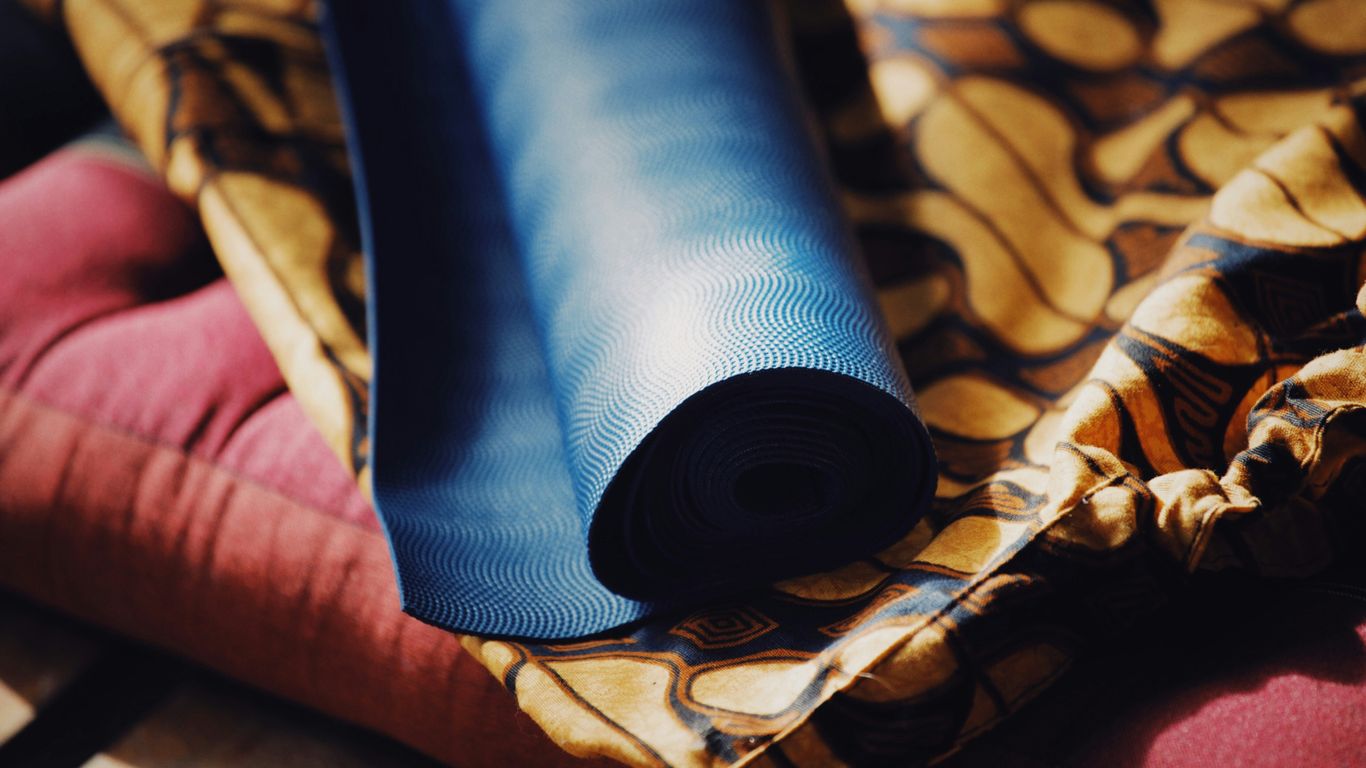
Comparing mat thicknesses and support levels
Thickness changes more than comfort. It can influence balance, weight, floor contact, and how easily a mat rolls or folds. Use the comparison as a practical guide, then consider whether your floor is hard, your practice is mostly standing, or your sessions include extended kneeling.
| Thickness direction | Typical feel | Useful for | Main compromise |
|---|---|---|---|
| Thin | Close and stable | Travel and balance-focused practice | Less cushioning |
| Medium | Balanced support | Everyday mixed practice | Moderate weight |
| Thick | Softer under joints | Kneeling and floor-based sessions | Less direct floor feel |
The most comfortable thickness is not automatically the best one. If you frequently carry your mat, even a modest increase in padding can become noticeable over a week of commuting.
Selecting a mat for yoga styles and intensity
For slow, floor-based sessions, cushioning may matter more than quick grip changes. For faster flows, a surface that stays planted can feel more useful than extra softness. Hot or especially sweaty sessions also call for a realistic plan for towel use and cleaning, since no mat removes the need to manage moisture.
Matching mat length and size to your body
Your height and movement range should guide length selection. Lie down on the mat and check whether your head and heels remain supported, then consider whether your elbows or hands regularly reach beyond the edges. A wider mat can feel generous at home, but it also takes more room in a studio corner or travel bag.
Choosing between travel and full-size options
A travel mat earns its place when portability is the priority. The JadeYoga Travel Mat is described as lightweight, foldable, and made with open-cell natural rubber, with a thinner profile intended to fit into luggage and provide a closer-to-the-ground feel. For a permanent home setup, a full-size mat is usually easier to leave unrolled and more forgiving when you move around.
Compare popular JadeYoga mat options
The word “popular” does not necessarily mean “right for everyone.” Compare each option by the job it needs to do: support daily sessions, disappear into luggage, add comfort, or keep overall carry weight low. Product dimensions and availability can change, so confirm current specifications before ordering.
Harmony mat for everyday practice
The Jade Harmony mat is presented as a popular option with traction, cushioning, and stability for standing poses. That combination makes it a sensible reference point for an everyday mat, especially if you practice at home or travel only occasionally. Check the listed length, width, thickness, and weight against your own storage space before deciding.
Travel mat for portability
A travel mat is designed around the moments when a full-size roll is inconvenient. It should fit beside clothing or equipment, be manageable to carry, and still give you a dependable surface on a hotel-room floor or other temporary space. The thinner construction may feel less plush, so portability should be treated as the primary benefit rather than a side feature.
Thicker mats for added joint comfort
A thicker mat can feel kinder during kneeling, seated transitions, and other floor-based movements. However, extra padding may make balancing poses feel less direct and can increase the packed size. If you need more support only occasionally, consider whether a small supplemental pad would be more practical than carrying a thick mat everywhere.
Lighter options for commuting and classes
Weight matters when a mat travels on public transport, between offices, or into a class where storage is limited. Look at the total packed setup, including a strap or bag, rather than judging the mat alone. A lighter option may be the one you use most consistently simply because it removes a small barrier to showing up.
Check fit, comfort, and performance before buying
A product page can tell you dimensions and materials, but your own priorities decide whether those specifications feel good in practice. Consider traction when your hands are damp, cushioning on your usual floor, and odor during the first several uses. Color and appearance matter too, but they should support rather than replace a practical fit check.
Evaluating traction during sweaty sessions
Test grip with clean, dry hands first, then think about how the surface may behave as moisture builds. Some people prefer a towel during vigorous practice, while others want a more tactile mat surface. If you practice outdoors, remember that dust and grit can change traction quickly and make cleaning more demanding.
Balancing stability with cushioning
Stability and softness pull in different directions. A very soft surface may feel pleasant during a long seated hold but less predictable under a single-leg balance. A balanced surface matters most when your routine moves repeatedly between standing, kneeling, and floor work.
Considering odor and rubber sensitivity
Natural rubber can have a noticeable smell when new, and ventilation may help it fade. Anyone with a latex allergy or strong rubber sensitivity should review the manufacturer’s warnings and choose cautiously; “natural” does not automatically mean suitable for every person. When possible, avoid buying a mat whose material profile is unclear.
Reviewing color, weight, and storage needs
Color is partly personal, but it can also affect how visible dust and marks are between cleanings. More useful questions are whether the rolled mat fits your shelf, whether you can carry it comfortably, and whether it lies flat in your practice area. For broader fitness planning, a QR Gym guide can be a separate reminder that convenience often depends on the surrounding access and storage routine, not just the equipment itself.
Learn how to break in and clean a JadeYoga mat
A new rubber mat may not feel exactly like it will after several sessions. Give it time, use it consistently, and avoid trying to force a faster break-in with harsh household products. Gentle care is usually less dramatic, but it is easier on the surface and on your skin.
Improving grip during the first few uses
Begin with short sessions and pay attention to how your hands and feet settle onto the surface. Wipe away dust with a suitable damp cloth, allow the mat to dry fully, and avoid judging it after only one rushed use. A clean, dry surface generally gives you a clearer sense of its natural traction.
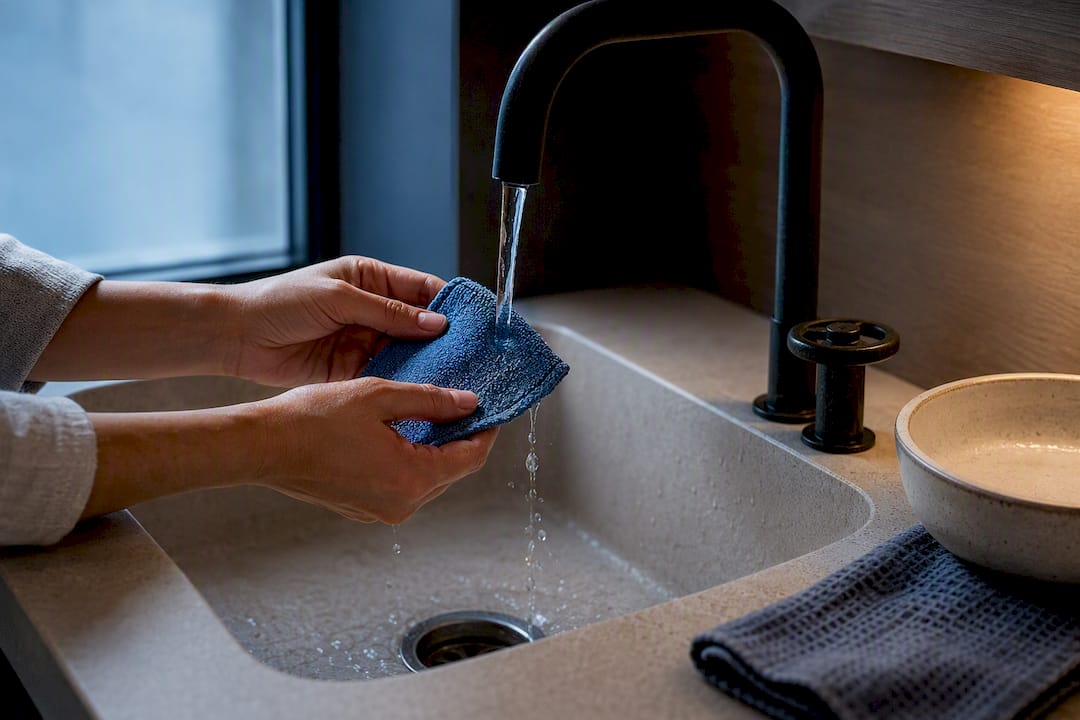
Cleaning after regular practice
After practice, remove loose debris and wipe the mat according to the maker’s care guidance. Do not roll it while it is still damp, since trapped moisture can contribute to odor and slow drying. A simple routine is easier to maintain than occasional aggressive scrubbing.
Handling sweat, stains, and odors
For regular care, keep the process simple and consistent:
- Wipe sweat from the surface soon after practice.
- Use a soft cloth rather than an abrasive brush.
- Let the mat dry completely before rolling it.
- Air it in a shaded, well-ventilated place when odor lingers.
These steps address the common causes of a mat feeling sticky, marked, or stale. If a stain remains, repeat gentle cleaning rather than escalating immediately to a strong solvent.
Avoiding products and methods that damage the surface
Harsh cleaners, rough scrubbing, soaking, and high heat can change the feel of rubber or weaken its surface over time. Follow the product’s own care instructions, especially if they specify a particular cleaner or prohibit certain methods. This is also a good moment to keep unrelated household products away from your practice gear; for example, jasmine skincare ideas belong in a personal-care routine, not on a rubber mat.
Extend the life of your JadeYoga mat
Care continues after the mat is clean. Where you store it, how tightly you roll it, and whether it sits in a hot car can all affect how long it remains pleasant to use. Small habits tend to matter more than occasional repairs.
Storing it correctly between sessions
Roll the mat with the practice surface facing outward or as directed by the manufacturer, and keep it somewhere dry with enough room that it is not crushed. Avoid piling heavy objects on top of it. If you use a strap, keep it secure without cinching so tightly that the edges deform.
Protecting it from heat and direct sunlight
Direct sunlight and hot vehicles can accelerate material changes, fade color, and make storage conditions unpredictable. Choose a shaded indoor location and let the mat cool before packing it away if it has been used somewhere warm. Outdoor practice is possible only when the mat’s care guidance allows it.
Knowing when the mat needs replacement
Replace a mat when the surface no longer provides dependable traction, the material is splitting, or the cushioning has compressed unevenly. Small cosmetic marks are not necessarily a problem, but cracks and persistent slipping can affect confidence and control. A replacement decision should focus on performance and safety rather than age alone.
Recycling and responsible end-of-life options
Recycling possibilities depend on the material and local facilities, so check the manufacturer and your municipality before placing a mat in a bin. Reuse may be possible for padding or messy household tasks, provided the material is suitable and clean. The same practical mindset applies when evaluating Joshua Tree Airbnb management: first understand the relevant requirements, then choose the responsible next step rather than assuming every option is handled the same way.
Conclusion
The right mat is a practical match for your body, your practice, and your routine outside the studio. Compare grip, thickness, size, weight, odor, and care requirements, then choose the option you can comfortably use and maintain week after week.
Frequently Asked Questions
Is a natural-rubber yoga mat good for beginners?
It can be, especially for someone who values a tactile surface and stable footing. Beginners should also consider odor, cushioning, material sensitivities, and how easy the mat is to carry and clean.
How thick should a yoga mat be?
A medium thickness suits many mixed practices, while thinner mats favor portability and floor contact. Thicker mats can feel more comfortable for kneeling but may feel less stable for balance work.
How do I reduce the smell of a new yoga mat?
Wipe it gently according to the care instructions and let it air-dry in a shaded, ventilated place. Avoid masking the odor with perfume or using harsh cleaners that may damage the surface.
Can I use a yoga mat outdoors?
Only if the manufacturer’s guidance permits it. Outdoor surfaces expose mats to grit, moisture, heat, and sunlight, all of which can shorten their useful life.
How often should I clean my yoga mat?
Wipe it after sweaty sessions and clean it more thoroughly as needed. The right frequency depends on how often you practice, how much you perspire, and whether you share the mat.
Is a travel mat enough for everyday practice?
It can be enough if you prioritize low weight and packability. If you want more cushioning or a larger, more permanent practice area, a full-size mat may be more comfortable.
When should I replace my yoga mat?
Consider replacement when the mat cracks, loses dependable grip, develops uneven compression, or can no longer be cleaned effectively. Cosmetic wear alone does not always mean it is unusable.