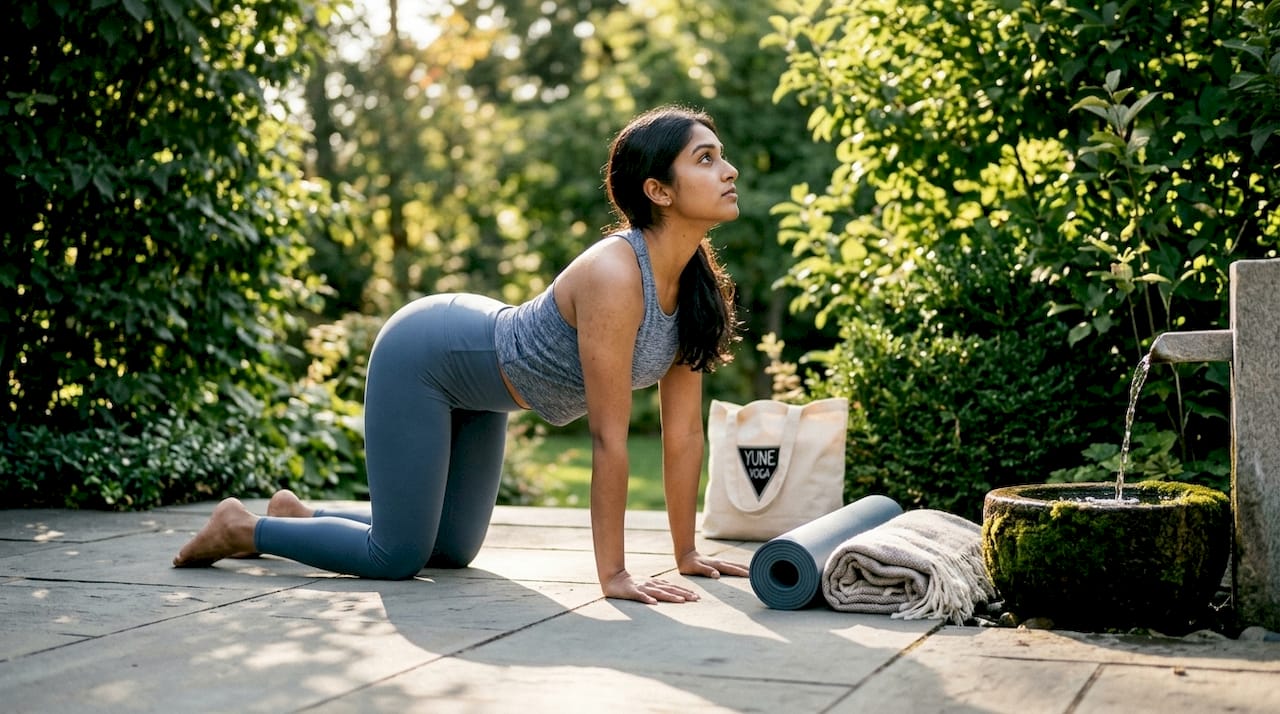

How to fold a yoga mat for travel and storage
Key Takeaways
Learning how to pack your gear effectively transforms your practice experience, especially when you are on the move. Here are the core strategies for managing your equipment efficiently:
- Folding creates a compact, rectangular shape that slides easily into suitcases or laptop bags.
- Proper folding techniques vary depending on whether your mat is high-density or an ultra-thin travel version.
- You can balance longevity and convenience by using specialized materials designed to handle folds without deep creasing.
- Regular maintenance schedules ensure your gear remains grippy and functional even with constant transport.
- Selecting the right mat features helps you avoid unnecessary bulk while maintaining necessary surface cushioning.
Reasons to fold a yoga mat instead of rolling it
When you commit to a consistent practice, the way you transport your equipment often dictates how frequently you actually head to the studio or park. Many practitioners find that a traditional rolled mat feels cumbersome, especially if they are navigating stairs or tight corridors during their daily transit. Choosing to fold a yoga mat allows for greater flexibility, turning a rigid tube into a manageable square that sits flat in your existing carryalls.
Saving space in luggage
Packing a standard yoga mat inside a suitcase often leaves little room for clothes or other essentials, as the long, cylindrical shape dominates the available space. By opting for a versatile option like the foldable travel mats offered by Yune Yoga, you can secure your workspace in a fraction of your luggage footprint. This approach makes it easier to keep your gear protected inside your bag instead of strapped precariously to the outside.
Improving portability for daily commutes
Transitioning from home to work and then to a class requires gear that integrates seamlessly into a busy schedule. If you carry a small home gym kit, you know that space is a premium, and a thin fold yoga mat is the perfect solution for sliding directly into a standard tote or backpack. This shifts the physical burden away from your shoulders and keeps your hands free while moving through urban environments.
Optimizing storage in small home gyms
Clutter in a small apartment or dedicated room can quickly derail your motivation to practice. When you lack the square footage for a standing rack, folding your mat allows you to stack it neatly on a shelf or tuck it into a drawer alongside other accessories like yoga straps. Consistent, accessible storage ensures that your equipment is ready to go whenever inspiration strikes, rather than being an obstacle in your path.
Step-by-step techniques for folding various mat types
Selecting the right movement depends heavily on the specific construction and material of your mat. While some surfaces are designed for frequent compression, others might require a more delicate touch to ensure they remain functional over time. Below is a guide on how to efficiently manage your gear to preserve its integrity for future sessions.
Folding standard performance yoga mats
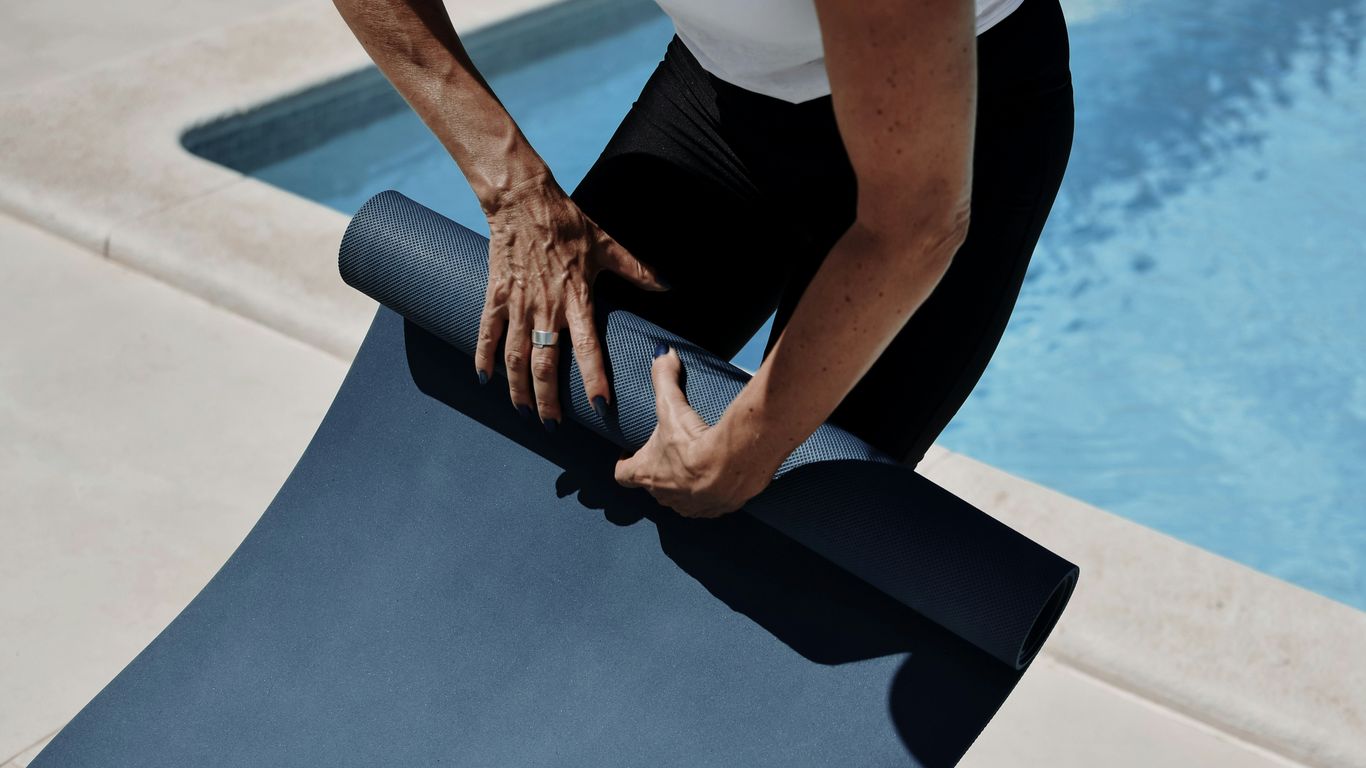
Standard mats often have more heft than specialized travel versions, necessitating a calculated approach to folding. Start by laying your mat flat on a clean surface, then bring the two shorter ends toward the center, aligning them perfectly to prevent uneven distribution. 1. Clean the surface.
2. Fold the mat into equal thirds.
3. Press firmly to remove air pockets.
4. Slide it into your bag.
Following these steps helps maintain the structural balance of your mat while keeping it ready for quick deployment at your destination.
Handling ultra-thin travel mats
Ultra-thin mats are the stars of the road because they are engineered to be lightweight and highly compressible. You can fold these types into smaller squares or even roll them very tightly, taking advantage of their flexibility to fit inside even pocket-sized carrying compartments without sacrificing the reliable grip provided by high-quality rubber compounds.
Managing high-density studio mats
High-density equipment requires more care to avoid snapping the internal mesh or creating permanent "memory" creases. When dealing with these denser options, focus on folding along natural stress points, or perhaps consult financial metrics like typical product care guidelines if the manufacturer suggests specific layouts designed to enhance the lifespan of the material.
Pros and cons of folding versus rolling
Deciding between these two methods usually comes down to the individual needs of your practice location and how often you travel. Both methods offer distinct benefits, but the choice between them dictates how your equipment wears down over months of consistent use. Understanding these dynamics is essential for someone looking to build a dependable fitness routine that lasts for years.

Impact of folds on material longevity
Repeatedly creasing a mat surface shifts how the material interacts with the ground, potentially leading to faster degradation along the seam lines. The following comparison table outlines how different material types respond to regular compression versus typical rolling techniques:
| Material Type | Folding Suitability | Rolling Suitability | Durability Risk |
|---|---|---|---|
| Natural Rubber | Moderate | High | Moderate |
| Closed-cell Foam | Low | High | High |
| Performance Polymer | High | Moderate | Low |
After assessing your specific mat material, you can decide which storage method aligns better with your goals for preserving surface texture.
Preventing permanent damage and deep creases
To avoid deep, unsightly creases that ruin a flat surface, always aim for loose, clean folds rather than harsh, jagged bends. If you find your mat is beginning to hold a mark, rotating your fold directions every few sessions can significantly alleviate the issue. This proactive approach prevents the buildup of tension, keeping your setup smooth and flat for every new session you begin.
Taking a moment to unfold your gear and let it breathe in a cool, dry environment after every travel cycle is a simple habit that goes a long way in supporting the longevity of the top layer. By integrating this small recovery window into your post-practice routine, you effectively reset the material and remove stored energy before tucking it away again.
Assessing ease of transport and accessibility
Folding provides a massive advantage for accessibility, as you can grab your mat from an overhead bin or bag without it unrolling or becoming a nuisance in public spaces. This streamlined profile makes it much easier to move between environments, ensuring that the physical act of getting your gear to class never feels like a major barrier to showing up.
Choosing the best travel-friendly foldable yoga mat
When seeking out a new companion for your travels, look for features that specifically address the challenges of life on the go. The best mats in this category prioritize a smart balance between weight, cushioning, and grip to make sure you never have to skip a session while away from home.
Evaluating lightweight materials for frequent travel
Materials play a significant role in how well a mat holds up to being stuffed into luggage or carry-on bags. Yune Yoga focuses on lightweight, high-performance components that maintain their shape without adding extra ounces to your travel load, ensuring that your bag does not hit the scales before you are ready.
Comparing thickness and cushioning levels
While a super-thin mat scores high for portability, you need to ensure it provides enough cushioning for your wrists and knees. It is important to find an option that provides a supportive base without becoming too bulky to fit into your preferred luggage, as maintaining your comfort is key to sustaining a travel-friendly practice.
Selecting grip features for different environments
Different environments, from hotel carpets to beach sand, demand different levels of traction from your equipment. Look for a surface texture that provides consistent grip even in humid conditions, which allows you to maintain stability during your practice regardless of the climate you encounter.
Maintenance and care for folded yoga mats
Keeping your foldable mat in top shape requires more than just storing it correctly; it involves a consistent cleaning routine. By tending to your gear after every few uses, you prevent the buildup of oils and debris that can compromise the texture and overall performance of the mat surface.
Removing persistent creases from storage
If your mat starts to show lines from being folded, lying it out in a warm, sunny spot for a few hours can often help the material settle back into its original shape. For more stubborn cases, gently heat the area with a towel—but be careful not to use intense, direct heat that could cause the material to warp or lose its essential grip.
Deep cleaning strategies for folded layers
When cleaning, make sure to unfold the mat completely and use a gentle, non-abrasive soap solution. Focus on wiping down all sides, including the inner folds where dust and sweat tend to hide, before letting it air dry thoroughly. Always ensure the mat is completely dry before you fold it back up, as moisture trapped in the folds can lead to odors or surface damage.
Best long-term storage practices to preserve texture
For long-term storage, avoid keeping your mat in high-temperature areas like a car trunk. Instead, store it in a cool, dark room, perhaps placed inside a breathable storage bag, which is a great accessory offered by brands like Yune Yoga to keep your equipment protected from debris while maintaining the integrity of the mat texture for the long haul.
Conclusion
Mastering the art of how you travel with your equipment significantly enhances the ease of your practice, proving that a foldable approach is both practical and sustainable. By choosing durable materials and maintaining a regular cleaning routine, you can keep your gear in excellent condition no matter where your travels take you, ensuring that you always stay ready for your next session.
Frequently Asked Questions
Is it bad to fold a yoga mat instead of rolling it?
Folding is generally safe for most yoga mats if you choose the right material, though some high-density foams are specifically engineered to be rolled to prevent permanent creases.
How long can a mat stay folded?
Most modern travel mats can stay folded for a few days without any issues, but it is best to lay them flat whenever you reach your final destination to help the material recover.
Does folding damage the grip of the mat?
If you use a high-quality mat designed for travel, folding typically does not damage the grip, provided you store it in a cool, dry place and avoid trapping moisture in the layers.
Can I put a folded yoga mat in the washing machine?
It is almost always better to clean your mat manually with a damp, soapy cloth, as machine washing can cause uneven wear or structural damage to the mat material.
What should I do if my mat smells after being folded?
If your mat develops an odor, it is likely caused by trapped moisture; clean it thoroughly with a mild sanitizer and ensure it is entirely dry before folding it again.
Are all yoga mats suitable for folding?
Not all mats are suitable for folding, as thicker studio-style mats can lose their cushioning or shape if they are bent too aggressively, whereas thin travel mats are designed specifically for this purpose.
How often should I check my mat for damage?
Periodically inspect your mat before and after your practice sessions to identify any early signs of tearing or thinning, which can help you catch potential issues before they become permanent.