
How to choose and care for the right yoga mat towel
Key Takeaways
Enhancing your yoga practice with the right gear ensures comfort, stability, and cleanliness throughout every session.
- Using a yoga mat towel provides a hygienic barrier between your body and the mat during intense poses.
- Proper towels manage sweat effectively, which prevents slipping and keeps your focus on movement rather than moisture.
- When choosing an accessory, consider factors like material composition, dimensions, and the surface pattern to match your needs.
- Regular maintenance, including cold washing and air drying, is essential for preserving the absorbent and grippy qualities of your towel.
- Matching the weight and thickness of your towel to your specific yoga discipline creates a more enjoyable and safer experience.
Understanding the benefits of using a yoga mat towel
Integrating a quality accessory into your routine transforms how you approach your daily flow. These items serve as a foundational layer that keeps your equipment in top condition while you work toward your personal fitness goals.
Improving hygiene and mat longevity
Practicing consistently on a mat often leads to debris accumulation and material fatigue from constant moisture exposure. Placing a protective layer over your surface acts as a shield, trapping sweat and oils so your underlying mat stays pristine. This simple barrier extends the functional life of your equipment significantly.
Enhanced grip in hot yoga conditions
Managing perspiration during high-intensity sessions is crucial for maintaining proper form without the frustration of sliding. When you use a specialized accessory, the fabric provides a stable foundation that resists bunching or movement. Many practitioners find this addition is a game changer for maintaining balance during challenging sequences, especially when moisture levels rise. You can explore high-performance yoga towels to see how these materials are designed to keep you steady throughout your practice.
Moisture absorption and sweat management
Effective sweat management is about more than just comfort; it is about safety and the ability to hold poses without distraction. High-quality materials pull liquid away from the point of contact, ensuring quick evaporation so that you can move confidently from one posture to the next. This absorption capacity keeps your hands and feet dry, which is critical for those long, deep holds in various environments.
Key features to evaluate before you buy
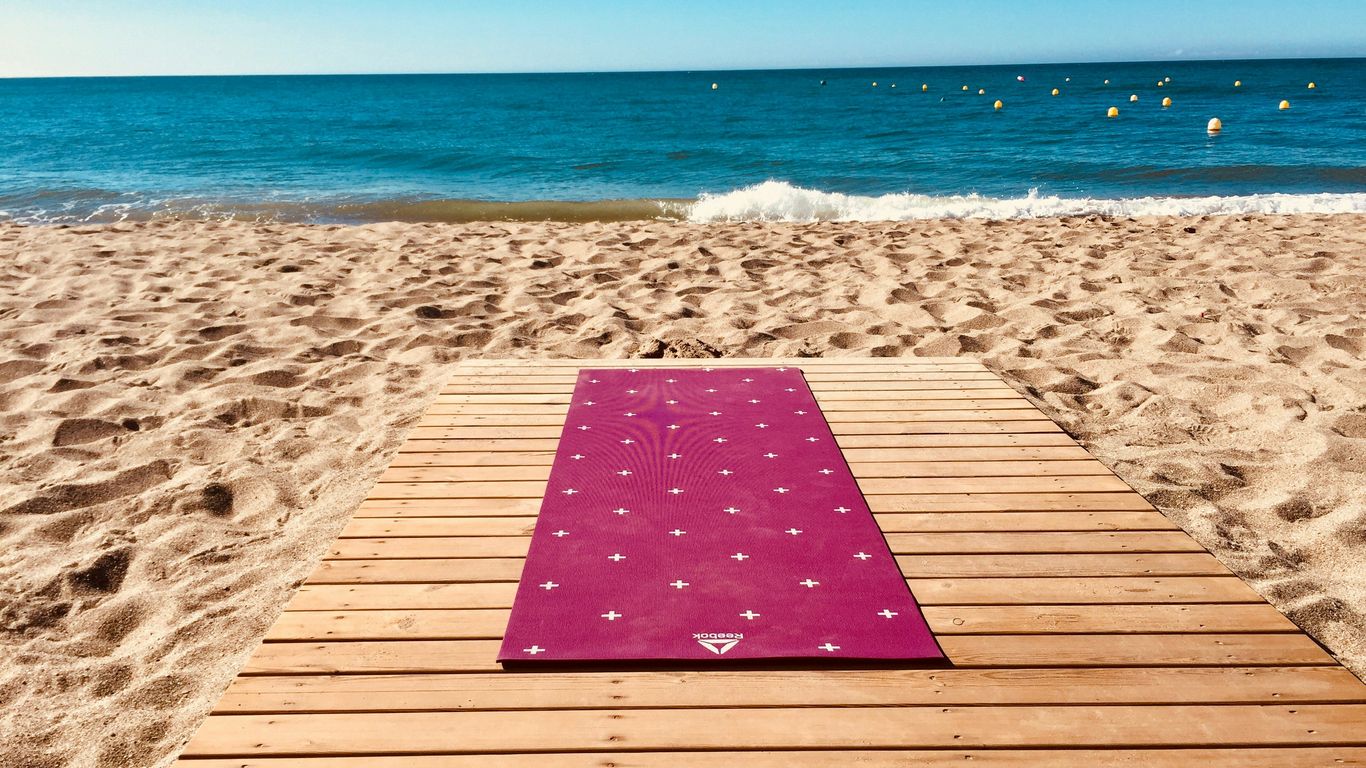
Selecting the right equipment requires balancing your individual preferences with the practical demands of your practice routine. You should look for details that fit your lifestyle while ensuring the product will last through repeated wash cycles and rugged outdoor sessions.
Dimensions and fit for standard mats
Standard mats typically measure around 24 to 26 inches wide, so finding a compatible accessory ensures consistent coverage from end to end. If a cloth is too small, it tends to slide or bunch up, creating an uneven surface that disrupts your focus. Always check that the fabric offers enough length to support your full range of motion without interfering with transitions.
Weight and portability considerations
For those who prefer practicing on the go, carrying bulky gear can become a nuisance. Lightweight and packable designs are ideal because they fold down effortlessly into a gym bag or a carry-on suitcase for travel. Many practitioners benefit from products like the Yogitoes® yoga mat towel, which combines a slim, foldable profile with durable materials that stand up to daily use in various settings.
Texture and surface patterns
Surface design is not just for aesthetic appeal; textures often dictate how much traction your skin finds during a downward dog. A subtle patterns or tactile weaves provide the necessary feedback to keep you grounded. When you opt for a design by Geometry, you gain access to unique prints that balance visual flair with consistent performance on the mat.
Material types and their unique properties
Microfiber towels and moisture-activated grip
Microfiber is a popular choice because it effectively captures moisture rather than just pushing it around. Some specialized versions utilize moisture-activated grip technology, meaning the fabric actually becomes more stable the more your hands perspire during a flow. This feature is particularly helpful for those who naturally produce more sweat during their practice sessions.
Cotton-blend towels for traditional practice
If you prefer a softer, more natural feel beneath your palms, cotton blends offer a comfortable, reliable experience. These fabrics are exceptionally absorbent and provide a substantial, grounded touch that many feel is perfect for slower, more deliberate sequences. While they may take longer to dry after a session, the comfort they provide is often unmatched for Hatha enthusiasts.
Silicone-backed designs for added stability
To prevent the cloth from creeping during complex movements, many modern options include integrated silicone nubs on the underside. This adds a layer of structural integrity, effectively anchoring the fabric to your mat even when things get intense. This design choice is especially effective for preventing the towel from rotating under pressure as you change positions.
How to use your towel for maximum stability
Techniques for laying the towel flat
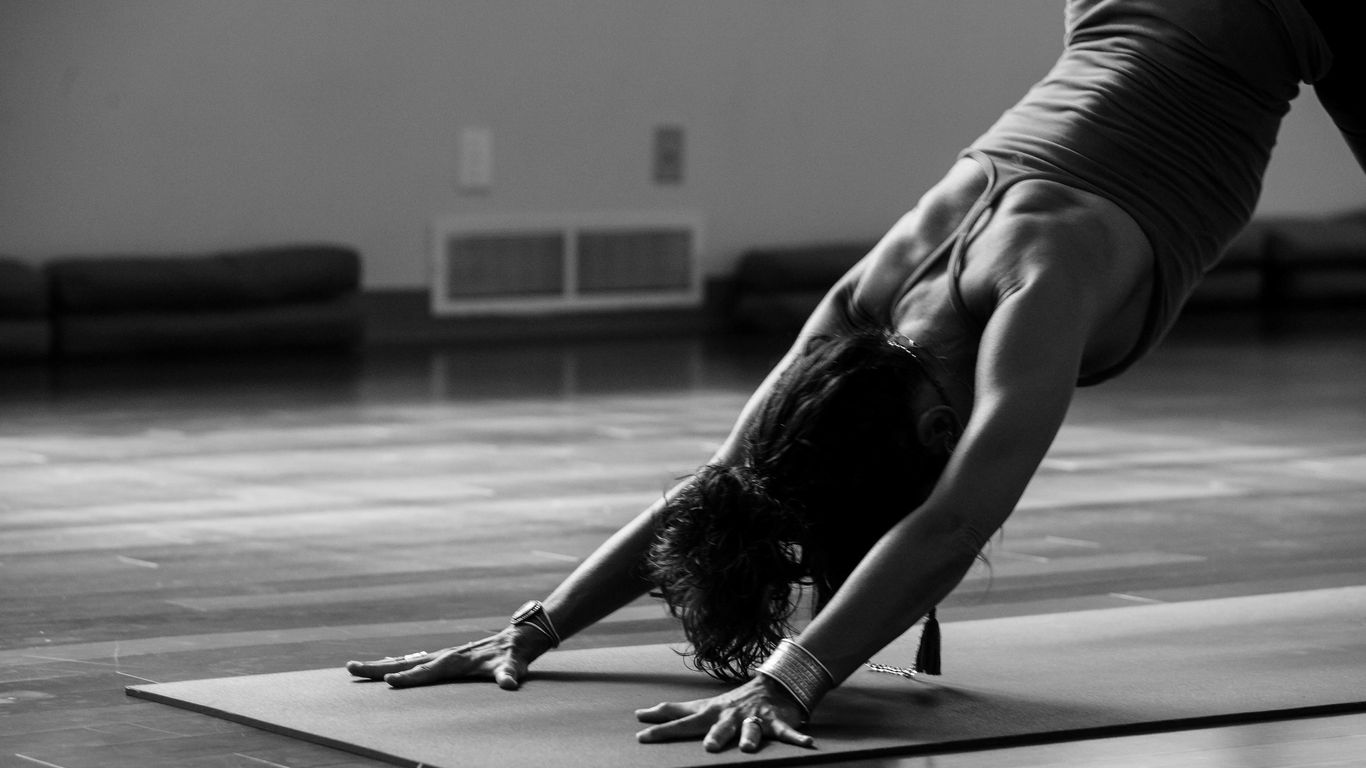
Smooth placement is the first step in ensuring your accessory performs exactly as intended during your practice. Start by anchoring the towel at the top edge of your mat and then gently smoothing it downward with firm, even strokes to remove air bubbles. Taking these few extra seconds before hitting the mat ensures a stable, distraction-free environment.
Addressing issues with bunching or folding
Proper alignment prevents the annoying shifting that can occur during rapid transitions between poses. We often see practitioners run into trouble not with the product, but with the setup method. Consider these steps to keep everything locked in place:
- Align the edges clearly with the corners of your mat before starting your first pose.
- Use a light mist of water to slightly dampen key contact areas to increase initial adhesion.
- Check for any folds or hidden bunching before beginning a high-motion sequence.
- Consider opting for a longer size if you find your current length is prone to shifting during intense movement.
Once the fabric is properly seated, you can trust that it will stay in place throughout your entire flow.
Using water sprays to optimize grip
If your session feels too dry for the fabric texture you have chosen, a quick spritz of water can instantly activate its gripping properties. This makes the surface respond to your touch, granting you better leverage for standing balances and sustained holds. It is a simple, effective trick for tailoring your gear to the specific climate of your studio.
Best practices for cleaning and maintenance
Washing instructions for fiber longevity
Keeping your gear in optimal condition means following simple care instructions that protect delicate fibers from damage. Most manufacturers recommend using mild detergents and avoiding harsh bleach or softeners that can strip away the specialized moisture-wicking coatings. Always opt for a cold, gentle cycle to maintain the integrity of the material over the long term.
Drying techniques to prevent odors
Air drying is the most effective way to ensure your towel stays fresh and avoids the musty smells that can stem from trapped moisture. Hang it in a well-ventilated space immediately after your session is complete. Heat can sometimes break down synthetic materials, so while a quick tumble dry on low settings might be convenient, natural air circulation remains the superior choice for daily care.
Dealing with stubborn stains or bacteria
Over time, even the most well-maintained gear might require a deeper clean to stay hygienic. Some enthusiasts find that a mixture of water and a dash of white vinegar in the rinse cycle helps tackle persistent odors naturally. If stains appear, spot treating with a mild cleanser before a full wash keeps the surface looking vibrant and feeling fresh for your next class.
Matching your accessory to your yoga discipline
Specialized needs for Bikram and hot yoga
When standard room temperatures climb into the heat of a Bikram studio, your choice of equipment becomes critical for endurance. Dedicated hot yoga mat towels are built to handle heavy moisture while providing the specific friction needed for high-perspiration environments. These items allow you to maintain your focus on breathing and alignment, even when the heat increases.
Selecting options for gentle Hatha or Yin
For sessions that involve more seated or prone positions, your requirements shift toward comfort and warmth rather than extreme grip. Choosing a towel with a plush texture adds a welcoming layer of softness as you move into deep, restorative stretches. This makes the environment feel more supportive, allowing you to settle into your poses with ease.
Budget-friendly choices for beginners
Starting your practice does not require an expensive investment in high-end gear right away. Many brands offer accessible, essential options that provide core functionality without unnecessary extras. Focus on finding a simple, absorbent, and durable towel that fits your mat dimensions, which will reliably serve you as you grow your confidence and refine your skills.
Conclusion
Choosing the right yoga mat towel is an essential step in refining your practice, providing the stability and cleanliness needed for every pose. By prioritizing quality materials and understanding how to maintain your accessories properly, you ensure that your gear supports your dedication for years to come. Whether you are stepping into a hot yoga studio for the first time or simply looking to enhance your comfort at home, the right towel acts as a reliable partner in your wellness journey.
Frequently Asked Questions
Why is a dedicated yoga towel better than a standard bath towel?
A standard bath towel is designed for softness and bulk, which makes them slide easily on a mat and become heavy when saturated. A dedicated yoga towel is specifically shaped to fit your mat and uses high-performance fibers that wick away sweat rapidly, offering much better grip and responsiveness during physical movement.
How often should I wash my yoga towel?
It is best to wash your towel after every session, especially if you have had a rigorous workout or attended a hot yoga class. Regular washing prevents the buildup of sweat, oils, and bacteria, ensuring that your equipment stays hygienic and free from unwanted odors, and it preserves the integrity of the performance fabric.
Will my towel work with any style of yoga mat?
Most yoga towels are compatible with standard mats, but you should always measure your equipment to ensure a good fit. While silicone-backed designs offer extra security on many surfaces, the performance of any towel can vary slightly depending on the texture and stickiness of the underlying mat it is being placed on.
Should I use my towel on both sides?
Generally, yoga towels are designed to be used with one specific side facing up to maximize the effectiveness of the texture or grip pattern. If your towel features a silicone-backed side, keep that face down against the mat to provide a stable, anti-slip anchor for your practice.
What is the best way to keep a towel from sliding during class?
To stop movement, ensure you lay the towel perfectly flat and smooth against the mat surface right from the start. You can also lightly mist the towel with water at your points of contact, which helps activate the fabric's grip and creates a more secure bond with the mat during transitions.
Can I put my yoga towel in the dryer?
While some towels are rated for tumble drying, air drying is highly recommended to extend the lifespan of the performance fibers. High heat can damage specialized moisture-wicking materials and break down their structural properties over time, so hanging your towel in a ventilated area is the safest maintenance method.
How long should a good yoga towel last?
With consistent care and proper washing, a high-quality yoga towel can last for several years of regular practice. Sticking to cold, gentle wash cycles and avoiding harsh detergents will keep the fibers effective and help the accessory maintain its shape, texture, and gripping capabilities throughout its functional life.

