

How to Choose the Right Target Yoga Mat for Your Practice
Key Takeaways
Choosing a target yoga mat is easier when you match its feel and size to the way you actually practice.
- Decide whether stability, cushioning, grip, or portability matters most.
- Compare thickness with your joints, balance, and storage space in mind.
- Check texture and material before relying on a mat for sweaty sessions.
- Read product details and reviews rather than judging by appearance alone.
- Add simple accessories only when they solve a real practice problem.
Understand the yoga mat options at Target
A target yoga mat can be a simple starting point, but the options differ more than their colors suggest. Thickness, surface texture, material, and length all change how the mat feels under your hands and feet. Begin with your practice habits, then narrow the selection by the features that matter most. A useful overview of yoga mat recommendations can also help you connect mat features with different styles.
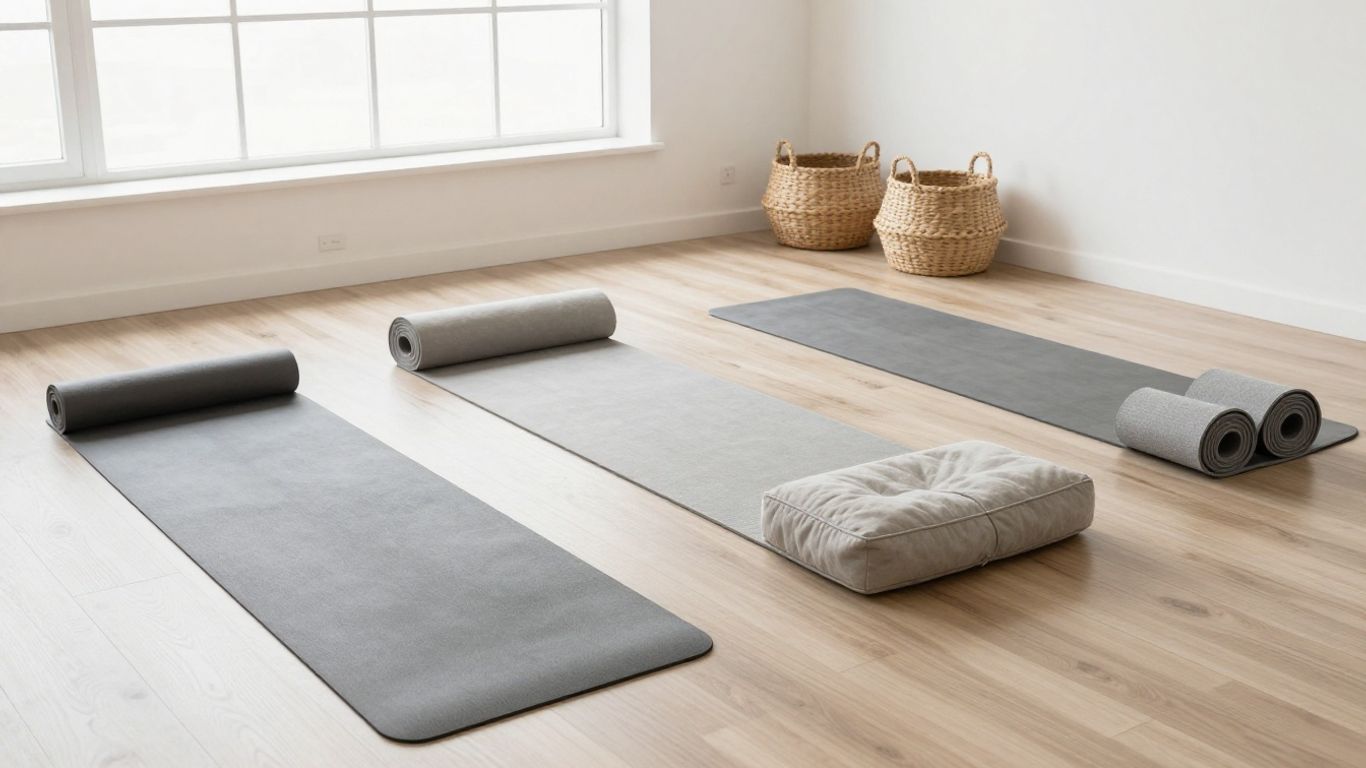
Compare mat types, thicknesses, and materials
Most shoppers will encounter foam, rubber, PVC, or blended materials. Foam can feel light and soft, while rubber and PVC often provide a firmer foundation; the product description matters more than a material label alone. Compare thickness, dimensions, cleaning instructions, and any odor notes together instead of treating one feature as decisive.
Match the mat to your yoga style
Slow, floor-based sessions usually leave more room to prioritize cushioning and comfort. Flowing practices call for dependable traction and enough firmness to support transitions. If your routine changes from gentle stretching to stronger sequences, choose a balanced mat rather than one optimized for only a single class.
Consider standard, travel, and extra-long sizes
A standard mat works for many home practices, but taller users may prefer extra length so their hands and feet stay supported. Travel mats are easier to fold or roll and make sense for hotel rooms, parks, or shared studios. Measure your body and practice space first; a mat that is portable but too short may become frustrating.
Check cushioning, grip, and portability trade-offs
Soft, thick mats can be pleasant for kneeling but may feel less steady during balancing poses. Thin mats pack neatly and keep you close to the floor, though they offer less padding. A practical comparison of Target yoga mat selection is useful when you want to weigh cushioning, grip, and price without focusing on appearance alone.
Choose the right mat thickness and cushioning
Thickness is less about choosing the largest number and more about finding the right response under pressure. A firm, thin surface can make standing poses feel controlled, while a thicker one may make kneeling and seated work more comfortable. Think about your flooring, practice frequency, and whether you carry the mat regularly.
When a thin mat improves balance and stability
A thin mat can help you feel grounded during standing poses and transitions. It also reduces the amount of movement between your feet and the floor. If you practice on carpet or another forgiving surface, a thinner option may provide enough comfort without feeling bulky.
When extra cushioning supports sensitive joints
More cushioning can make kneeling, lunges, and floor stretches easier on firm floors. It is not automatically better, though: excessive softness can make balance work feel unstable. Consider whether you need comfort across the whole session or only during a few poses.
How thickness affects portability and storage
A thicker mat generally takes more room in a closet and may be heavier to carry. A thin, foldable travel mat is convenient for short trips, particularly when luggage space is limited. Yune Yoga foldable travel mats fit the practical needs of people who want a mat that is thin, light, and easy to pack.
Finding a practical middle ground for everyday use
For a mat used at home and away, moderate thickness is often the easiest compromise. It can offer some joint comfort without making storage or transport difficult. Lay a mat on your own floor if possible and notice whether your knees feel supported while your hands remain stable.
Evaluate grip and surface texture
Grip affects confidence, especially when your hands or feet move repeatedly through a sequence. Surface feel can be smooth, subtly textured, or designed to manage moisture. Rather than assuming a rougher finish is always safer, consider how it behaves during both dry and warm practices.
Why traction matters during flowing sequences
Reliable traction helps you transition without constantly repositioning your hands and feet. It also lets you focus on alignment and breathing instead of worrying about the mat shifting beneath you. The best surface is one that feels secure without irritating your skin.
Compare dry grip with moisture-absorbing surfaces
Some mats feel grippy when dry but change noticeably as perspiration builds. If you practice warm or vigorous flows, an absorbent layer can be useful. Yune Yoga absorbent yoga towels are designed for absorbency and can add a practical moisture-management layer over a mat.
Avoiding mats that become slippery over time
Wear, residue, and improper cleaning can all change the feel of a surface. A mat that begins with strong traction may become less dependable if it is repeatedly exposed to sweat and left uncleaned. Follow the care directions and replace a surface when it is visibly worn or no longer feels stable.
Testing texture and stability before buying
In a store, inspect the surface closely and gently press your palm into it. If online, read reviews for repeated comments about slipping, peeling, odor, or loss of texture rather than relying on one enthusiastic rating. A short test can reveal whether the finish suits your hands and preferred pace.
Select materials based on comfort and care
Material influences touch, weight, odor, and cleaning needs. It also affects how a mat behaves after months of folding, rolling, and regular use. If environmental factors matter to you, compare the full product description and look into eco-friendly materials rather than assuming a natural-looking surface tells the whole story.
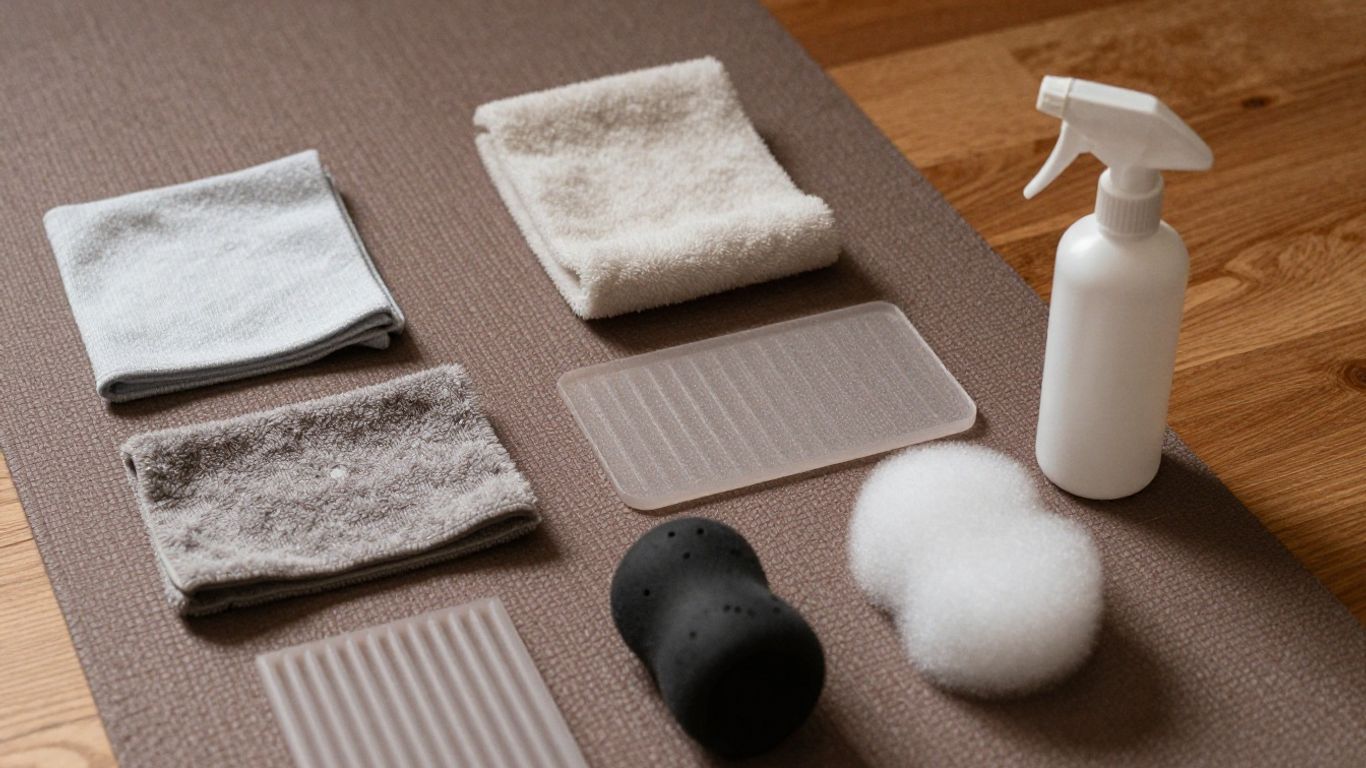
Common foam, rubber, and PVC options
Foam mats are often light and cushioned, while rubber may feel firm and naturally textured. PVC is commonly chosen for its smooth feel and straightforward care. These are broad tendencies, not guarantees, so density, finish, and construction should guide the final comparison.
Choosing materials for allergies and sensitivities
If you are sensitive to smells or certain materials, check labels and allow a new mat to air out before using it for a full session. A washable towel can create a separate surface between skin and mat. When information is unclear, contact the seller rather than guessing from a product photo.
Understanding odor, durability, and environmental considerations
New materials can have a noticeable smell that fades with ventilation, although the intensity varies. Durability depends on use, storage, cleaning, and the surface itself. Consider the whole life of the mat, including how often you will replace it and whether its care requirements fit your routine.
Cleaning and maintaining your mat
Simple care usually begins with wiping away sweat after practice and allowing the mat to dry fully before rolling it up. Avoid harsh cleaners unless the instructions specifically permit them. A portable setup is easier to maintain when each item has a consistent place to dry and store.
Match the Target yoga mat to your budget
Price should reflect how often you practice and how demanding your routine is, not just the mat’s appearance. An inexpensive mat may be perfectly reasonable for occasional use, while a frequent practitioner may value a surface that stays comfortable and stable longer. Set a budget, then compare useful features within it.
What to expect from entry-level mats
Entry-level mats can cover the basics: a defined practice surface, modest cushioning, and easy availability. They may show wear sooner or offer fewer size and texture choices. For a beginner, that can still be a sensible way to learn which features deserve more attention.
When premium features are worth the higher price
A higher price may make sense when you practice often, need extra length, or want a particular balance of grip and cushioning. Premium construction is only valuable if it solves a problem you actually have. Do not pay more for a feature you will not notice during practice.
Comparing value by durability and frequency of use
A weekly practitioner can judge value over months, while an occasional user may care more about low upfront cost and easy storage. Consider replacement frequency, cleaning effort, and portability alongside the price tag. Long-term fit matters most when two mats appear similar at checkout.
Checking product details, reviews, and availability
Read dimensions, thickness, material, and care directions before ordering. Reviews are most useful when several people mention the same experience, such as surface wear or a strong initial odor. Availability can change, so confirm whether the exact size and color are ready for pickup or shipment.
Make the final purchase decision
The final choice should fit the room, the routine, and the way you move through a normal week. Think beyond the mat itself: transport, cleaning, and small accessories can affect whether you use it consistently. A short checklist is enough to prevent an impulsive purchase.
Measure your available practice space
Measure the open floor where you usually practice, including room for your arms to extend beyond the mat. Extra width can be useful, but only if it does not crowd furniture or create a tripping hazard. Also measure your storage area so the mat has a realistic home after practice.
Confirm return policies and product condition
Before buying, check the retailer’s current return terms and inspect packaging for damage when collecting an order. A used or damaged surface may not feel the way you expected. Keep the receipt and product information until you are sure the mat works for your routine.
Decide between in-store and online shopping
In-store shopping lets you see texture, judge size, and compare flexibility directly. Online shopping offers more time to read specifications and reviews, but photos can hide scale and surface details. Choose the route that gives you the information you need rather than the route that is simply fastest.
Build a simple setup with towels, blocks, and straps
Accessories should make practice easier, not turn a basic routine into a large equipment project. Start with only what solves a clear need:
- A towel for sweat or extra surface comfort.
- Blocks when you need help reaching the floor.
- A strap for carrying or supporting selected stretches.
- A small cleaning cloth for post-practice care.
A Tesla Model Y comfort-accessories guide is a reminder that useful add-ons should keep essentials organized rather than create clutter. For yoga, Yune Yoga durable yoga straps can support a simple, portable setup, while unrelated browsing such as Yard House Poke Nachos, mindfulness training, or Contant Law, P.C. belongs outside the purchase decision. The mat remains the foundation, so buy accessories only after its size, grip, and comfort are right.
Conclusion
The right target yoga mat is the one that fits your body, practice style, floor, budget, and storage habits without creating unnecessary hassle. Compare the basics carefully, test what you can, and choose a surface you will genuinely want to unroll again.
Frequently Asked Questions
What thickness is best for a yoga mat?
A moderate thickness suits many people, while thinner mats favor stability and thicker mats offer more cushioning. Your flooring, balance work, and joint comfort should guide the choice.
Is a thicker yoga mat always more comfortable?
Not always. Extra softness can feel pleasant for kneeling but may reduce stability during standing poses, so comfort and firmness need to be considered together.
How long should a yoga mat be?
Choose a length that lets your head, hands, and feet remain on the mat during common poses. Taller practitioners or people who move widely may prefer an extra-long option.
Which yoga mat material is easiest to clean?
The answer depends on the finish and manufacturer instructions, but smooth surfaces are often straightforward to wipe. Always follow the care directions supplied with the specific mat.
How can I stop my yoga mat from slipping?
Keep the mat and your hands clean and dry, place it on a suitable floor, and use a towel if moisture affects traction. Replace it when the surface becomes worn or unreliable.
Are travel yoga mats good for daily practice?
They can be, especially for people who value light packing and practice in different places. Check whether the thinner construction provides enough comfort for your usual floor.
When should I replace a yoga mat?
Replace it when it develops persistent odor, peeling, thinning, cracks, or reduced grip. Visible wear that affects stability is a practical sign that it has reached the end of its useful life.

