H yoga: A beginner’s guide to hot yoga, benefits, poses, and safety
Key Takeaways
H yoga combines familiar yoga movements with a deliberately heated room. It can feel energizing and challenging, but beginners should treat heat management, hydration, and steady pacing as part of the practice.
- H yoga is practiced in a warm, often humid studio.
- Heat may make movement feel easier, but it does not remove the need for careful form.
- Classes vary from structured sequences to flowing, restorative, or strength-focused formats.
- Water, breathable clothing, a towel, and an honest sense of your limits are essential.
- Dizziness, nausea, confusion, or unusual weakness are reasons to stop and seek help.
What h yoga is and how it works
H yoga is a broad term for yoga practiced in a heated room, usually with a sequence of standing, seated, balancing, and floor-based movements. The warmth changes how the body feels during class, often making the room itself part of the challenge. If you are new to the idea, this hot yoga overview offers another general introduction to the practice.
The meaning of h yoga and its connection to hot yoga
The phrase “h yoga” is commonly used as a shortened way to refer to hot yoga. It does not necessarily describe one official method or a single sequence. Depending on the studio, the class may be gentle, athletic, highly structured, or built around flowing transitions.
Hot yoga generally combines traditional yoga postures with elevated room temperature. The goal is not simply to sweat more; the practice asks you to coordinate movement, breathing, attention, and effort in an unusually warm setting.
How heat, humidity, and movement shape the practice
Heat can make muscles and connective tissues feel more pliable, while humidity affects how quickly sweat evaporates. Together, those conditions may make a familiar stretch feel deeper than expected. That sensation can be useful, but it can also tempt people to move farther than their current range allows.
The room also changes the rhythm of class. You may need more pauses, slower transitions, and deliberate breathing than you would in a cool studio. Comfort is not the same as readiness, so use the warmth as information rather than permission to force a pose.
How h yoga differs from traditional yoga styles
The main difference is the environment, not necessarily the postures. A sun salutation, standing lunge, or seated twist can appear in both heated and unheated classes, but heat adds cardiovascular and hydration demands.
Traditional yoga classes may make it easier to notice alignment and effort without the distraction of heavy sweating. H yoga can feel more intense even when the movement sequence is familiar, so comparing performance between the two settings is rarely helpful.
What to expect during a typical class
A typical session begins with a short settling period, followed by breathing, warm-up movements, and progressively more demanding postures. The teacher may offer demonstrations, verbal cues, and options for resting in a comfortable position.
You do not need to complete every pose. A first class may involve learning the room, finding your mat, managing sweat, and understanding when to pause. A welcoming teacher should make modifications feel normal rather than embarrassing.
The potential benefits of h yoga
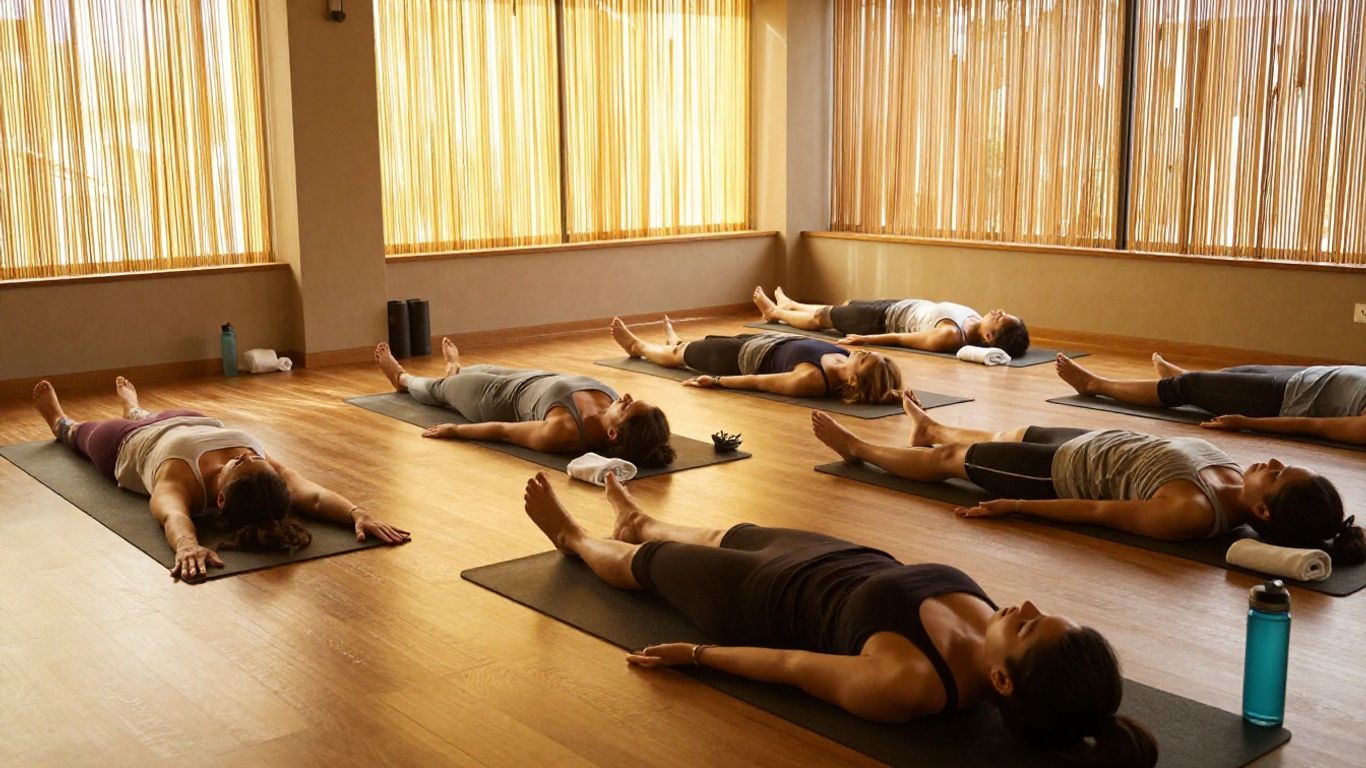
People often choose h yoga because it combines physical work with a focused, screen-free hour. The possible benefits depend on the sequence, room conditions, instructor, and your own starting point. A broader guide to the benefits of hot yoga can provide additional context, but no class should be treated as a guaranteed health remedy.
How heat may support flexibility and mobility
Warmth may help the body feel less stiff at the beginning of movement, which can make gradual mobility work more comfortable. It does not automatically improve flexibility, though; consistent practice, controlled range, and suitable instruction matter more than chasing the deepest possible stretch.
Move into a position until you feel steady tension, not sharp pain or a sense of instability. If a joint feels compressed or a muscle begins to tremble uncontrollably, reduce the range or come out of the pose.
Strength, balance, and cardiovascular conditioning
Many h yoga classes use repeated standing poses, lunges, transitions, and weight-bearing positions. Those patterns can challenge the legs, shoulders, trunk, and balance while raising the heart rate. The exact training effect varies widely between a slow class and a vigorous flow.
A useful way to understand the difference is to compare common class features:
| Class emphasis | Typical movement feel | Main demand |
|---|---|---|
| Gentle heated yoga | Slow holds and supported positions | Mobility and body awareness |
| Heated vinyasa | Repeated breath-led transitions | Coordination and stamina |
| Hot power yoga | Faster sequences and strength work | Muscular and cardiovascular effort |
| Structured hot yoga | Repeated postures in a set order | Consistency and concentration |
The table is only a guide, since instructors can shape the same format quite differently. Choose a class whose pace leaves room for good breathing and controlled movement rather than selecting the hardest label on the schedule.
Stress relief and mind-body awareness
Following breath and movement in a warm, quiet room can give the mind a single task. Some people leave feeling calmer because they have stepped away from ordinary distractions and paid closer attention to physical sensations.
That experience is personal, and it is not a promise that h yoga will treat anxiety, depression, or any other condition. A simple goal is enough: notice your breathing, observe tension, and practice responding without immediately pushing harder.
What research says about sweating and detox claims
Sweating cools the body and helps regulate temperature, but it should not be described as a cure-all detox process. The liver, kidneys, lungs, and digestive system handle the body’s routine waste processing; a heavier sweat does not prove that harmful substances have been removed.
A hot class can still feel refreshing, especially after movement and hydration, but the sensation should not encourage dehydration. Replace fluids sensibly and judge the session by how you feel during and after it, not by the amount of sweat on your towel.
Common h yoga styles and class formats
The words “hot yoga” cover several class experiences. Room temperature, humidity, sequence, music, pace, and teacher approach can all change the feel of a session. If you are unsure, read the class description or contact the studio before booking.
Hot yoga versus Bikram-style classes
General hot yoga may use many different sequences and teaching styles. A Bikram-style class is associated with a consistent series of postures practiced in a heated room, although studios may use different wording and policies.
Ask whether the class follows a fixed sequence, how long it lasts, and whether beginners are welcome. Knowing the structure in advance can make a first visit feel much less mysterious.
Hot power yoga for a more intense workout
Hot power yoga usually emphasizes continuous movement, strength, and a higher level of exertion. It may include repeated lunges, planks, balancing work, and transitions that keep the heart rate elevated.
This format can be satisfying for experienced practitioners, but it is not the only valid form of h yoga. Beginners can build capacity in gentler sessions before trying a faster class.
Heated vinyasa for flow and variety
Heated vinyasa links movement to breathing, often changing the sequence from one class to the next. The variety can keep practice interesting and may help you learn how postures connect rather than treating each pose as an isolated exercise.
For a beginner-friendly look at breath-led movement, this Vinyasa fundamentals guide may be useful. In class, prioritize clear transitions and stable foot placement over matching the pace of the person beside you.
Restorative and therapeutic heated sessions
Restorative heated sessions generally use fewer demanding transitions and may include longer supported holds. They can still feel warm and tiring, especially for someone who is not accustomed to the environment.
The word “therapeutic” should not be taken as a substitute for medical care. If you are managing an injury or health condition, ask a qualified professional whether heated exercise is appropriate before attending.
How to prepare for your first h yoga class
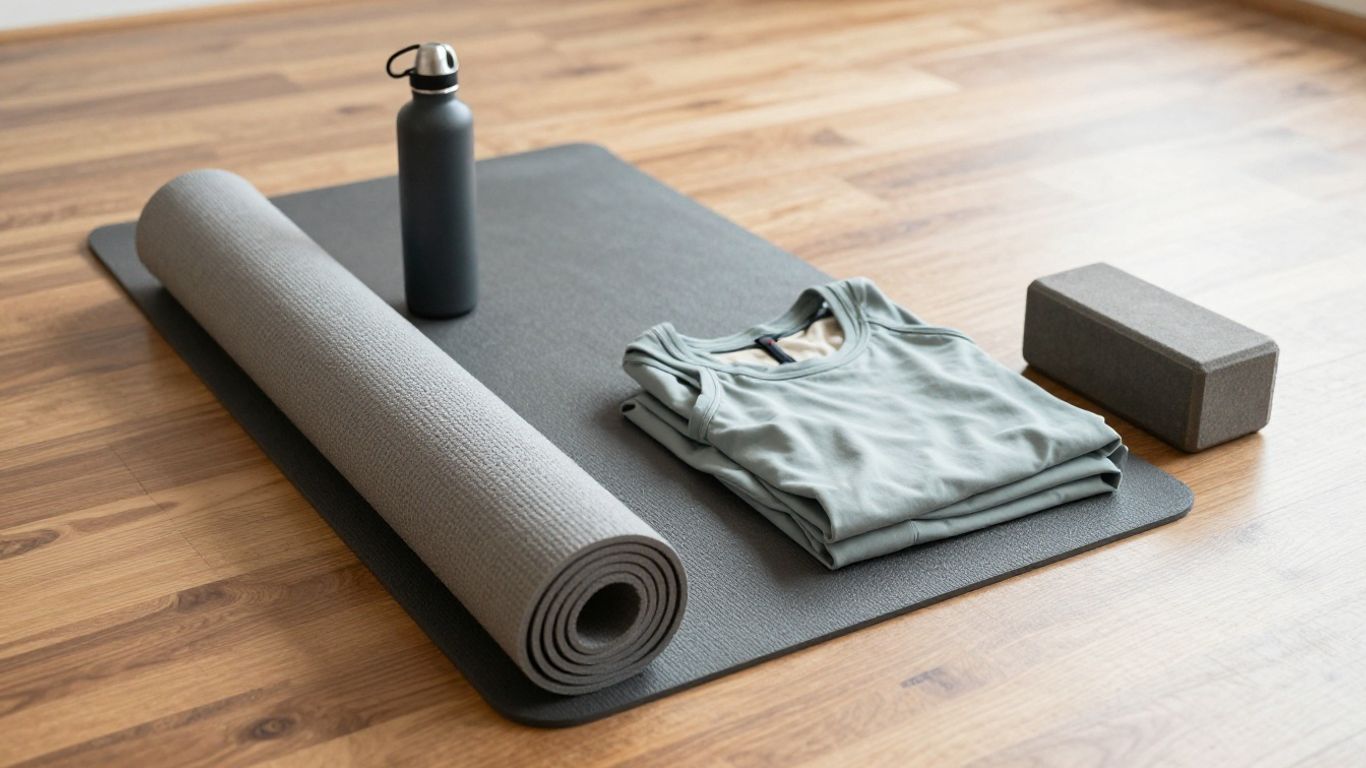
Preparation is mostly practical. Drink normally during the day, avoid arriving overly full, bring equipment that will stay stable when wet, and give yourself enough time to enter calmly. Portable equipment can also help when you practice away from a studio; Yune Yoga focuses on yoga mats and accessories designed for convenience and portability.
What to eat and drink before practicing
Have a light meal or snack with enough time to digest before class. A large, heavy meal immediately beforehand can feel uncomfortable during twists, inversions, or sustained movement.
Drink water regularly rather than trying to make up for poor hydration moments before class. If you have been ill, exercising outdoors in hot weather, or drinking alcohol, postpone the session until you feel normally hydrated.
Clothing, towels, mats, and other essentials
Choose breathable clothing that allows the teacher to see your alignment without restricting your movement. A towel can help with sweat and grip, while a reliable water bottle makes hydration easier.
A few simple preparations are especially helpful:
- Bring a mat with a surface that remains reasonably stable when damp.
- Pack an absorbent towel for your hands, face, or mat.
- Wear clothes that stay secure during forward folds and inversions.
- Bring water and, if permitted, any personal supports you already know how to use.
These details reduce distractions once class begins. Yune Yoga absorbent yoga towels are one practical option for people who want a portable way to manage sweat during heated practice.
How to pace yourself in a heated room
Start more gently than your enthusiasm suggests. Take child’s pose, lie down, or sit whenever you need a reset, and do not wait until you feel completely depleted.
A useful pacing check is whether you can breathe smoothly and understand the teacher’s instructions. If your breath becomes ragged, your balance changes, or your effort feels suddenly extreme, reduce the intensity before continuing.
Studio etiquette and beginner modifications
Arrive early enough to check in, place your mat, and ask about room procedures. Follow the studio’s rules about phones, late entry, equipment, and leaving the room. A quiet, considerate setup helps everyone concentrate.
If you need a block, a lower range of motion, or a rest, take it without apology. Practical planning can include everything from a Choate's pre-summer AC tune-up to HVAC SEO, but those home-maintenance resources are separate from yoga preparation; for class itself, focus on your body, gear, and studio instructions.
Key poses and movement patterns in h yoga
H yoga often draws from familiar movement families rather than requiring a special vocabulary. Standing work builds heat and stability, floor poses explore mobility, and transitions connect the sequence. A pose is useful when it can be performed with control, not simply when it looks deep or demanding.
Standing poses for strength and stability
Mountain pose, chair pose, warrior variations, and lunges commonly ask the feet, legs, and trunk to work together. Keep your stance wide enough to feel stable, and let the knee track in the same general direction as the toes.
In a warm room, fatigue can arrive quietly. Shortening a stance or lowering the arms may help you keep the essential shape without turning the pose into a test of endurance.
Hip openers and hamstring stretches
Low lunges, figure-four shapes, and seated forward folds can target the hips and backs of the legs. These areas may feel more open in heat, but the change in sensation is not a reason to force the range.
Keep some muscular engagement around the joints and move slowly between positions. If you feel pulling behind the knee, tingling, or a sharp sensation, come out and ask the teacher for an alternative.
Twists, backbends, and spinal mobility
Twists and backbends should involve the whole spine and surrounding body rather than being forced from one area. Lengthen before rotating, and create space before asking the back to extend.
Do not use sweat or warmth to ignore warning signals. A smaller twist with an even breath is generally more useful than a larger shape held with strain.
Balance poses and safe progression
Tree pose, dancer variations, and one-legged transitions challenge concentration as much as strength. Keep a hand near a wall or use a nearby support if the studio allows it.
Progress by improving steadiness, breathing, and control before adding height or complexity. Yune Yoga durable yoga straps can be useful in some general yoga settings, but use any prop only as instructed and never as a substitute for balance or supervision.
H yoga safety, risks, and who should avoid it
Heat adds stress to an otherwise familiar movement practice. Dehydration, overheating, faintness, slips, and strains are possible, particularly when someone is new to hot environments or tries to match an advanced class. This hot yoga studio guide also illustrates why practical details such as mats, towels, water, arrival time, and room policies matter.
Recognizing dehydration, overheating, and dizziness
Warning signs can include intense thirst, headache, nausea, weakness, confusion, unusual fatigue, chills, or dizziness. Heavy sweating alone is not necessarily an emergency, but it becomes concerning when paired with feeling unwell or losing coordination.
If symptoms appear, stop moving, sit or lie down safely, and tell the instructor. Do not treat discomfort as proof that the class is working.
When to modify or leave the room
Modify as soon as your breathing, balance, or form begins to deteriorate. Leaving the room is appropriate if you feel faint, confused, nauseated, unusually short of breath, or unable to move safely.
Cool down gradually and ask for assistance rather than trying to walk out unnoticed. Studio staff should be prepared to help, and there is no achievement in staying until the final minute while feeling ill.
Medical conditions that require professional guidance
People who are pregnant, have cardiovascular or respiratory conditions, have a history of heat illness, or take medication that affects hydration or temperature regulation should ask a healthcare professional before trying heated exercise. Recent surgery, acute illness, and significant injuries also deserve individual guidance.
A professional can help you understand whether the heat, intensity, and duration are appropriate. General online advice cannot account for your medical history or current medications.
How beginners can build a sustainable practice
Begin with a class whose description matches your current fitness and movement experience. Attend occasionally at first, notice how you recover afterward, and increase frequency only when your body responds well.
Sustainable practice usually looks unremarkable: enough rest, consistent hydration, honest modifications, and gradual learning. A simple home setup can complement studio visits, provided you have enough space and can practice without overheating or losing access to help.
Conclusion
H yoga can be a rewarding way to combine movement, concentration, and a stronger physical challenge, but the heat deserves respect. Start with a manageable class, bring practical equipment, move within your range, and treat rest as part of the practice. The most useful session is one that leaves you more informed about your body rather than simply more exhausted.
Frequently Asked Questions
Is h yoga the same as hot yoga?
H yoga is generally used as a shortened or informal term for hot yoga. The exact class format can vary, so check the studio description before attending.
Is h yoga suitable for complete beginners?
Many studios offer beginner-friendly heated classes, but beginners should choose a slower format, tell the instructor they are new, and take frequent rests. A demanding power class may not be the best first experience.
How much water should I drink during h yoga?
Hydration needs vary with body size, sweat rate, room conditions, and medical factors. Drink normally before class and take small, comfortable sips during and afterward rather than forcing a large amount at once.
Can h yoga improve flexibility?
Regular, controlled practice may support mobility, and heat can make movement feel easier. Flexibility develops gradually; forcing a deeper position in a heated room can increase injury risk.
What should I wear to h yoga?
Wear breathable, secure clothing that allows free movement and does not become distracting when damp. Many people also bring a towel and a water bottle.
What if I feel dizzy during class?
Stop, sit or lie down safely, notify the instructor, and leave the heated room if needed. Persistent, severe, or worsening symptoms require prompt medical attention.
How often should a beginner practice h yoga?
Start with a frequency that allows full recovery and leaves you feeling capable rather than depleted. One class a week may be enough while you learn how your body responds, and you can adjust gradually.