
Gaiam Evolve Yoga Mat review: features, comfort, care, and buying considerations
Key Takeaways
A good yoga mat should suit the way you actually practice, not simply look appealing online. The Gaiam Evolve Yoga Mat is best assessed through comfort, traction, size, care requirements, and the details of the specific listing.
- Check the exact dimensions, thickness, materials, and care instructions before buying.
- Look for enough cushioning to support joints without making balance feel unstable.
- Consider how the surface may behave during slow, dynamic, or sweaty practices.
- Compare weight and rolled size with the space you have at home and the way you travel.
- Read the return policy and current product information rather than relying on a name alone.
What the Gaiam Evolve Yoga Mat is designed for
The Gaiam Evolve Yoga Mat is presented here as a buying decision rather than a product specification sheet. A mat used for occasional stretching has different demands from one used for frequent flows, floor exercises, or home workouts. Since product listings can change, confirm the current measurements and materials before treating any feature as guaranteed. The wider Gaiam collection can also help place a particular mat in the context of yoga, fitness, and wellness equipment.
Intended uses for yoga, stretching, and home workouts
For gentle yoga and stretching, the main questions are whether the surface feels comfortable against the skin and whether the mat stays reasonably flat. Home workouts may add movements such as planks, kneeling exercises, or seated work, so a little extra surface comfort can matter. A mat does not need to be specialized for every activity, but it should match the movements you perform most often. If your routine changes frequently, favor a balanced design over a mat chosen for one narrow use.
Key design features to look for
Start with the practical specifications: dimensions, thickness, material, texture, weight, and cleaning instructions. These details tell you more than color names or lifestyle photography. Also check whether the listing describes a single usable surface, a reversible format, or a backing intended to contact the floor. The small specifications matter because they affect everyday handling, storage, and confidence during practice.
How its format compares with standard yoga mats
Most standard mats are built around a familiar rectangular format that gives enough room for standing poses and floor work. The meaningful differences are usually thickness, density, surface finish, and how easily the mat rolls or travels. A larger or softer mat can feel more welcoming at home, while a lighter one may be easier to take to class. The right comparison is not simply “standard versus special”; it is whether the format fits your available space and regular habits.
Who may benefit most from this mat
This type of mat may suit someone establishing a home practice and wanting one surface for yoga, mobility, and basic floor exercise. It can also appeal to shoppers who prefer to compare comfort and portability before committing to a more specialized mat. Someone practicing mostly outdoors or moving between locations should pay closer attention to weight and packability. A useful starting point is to browse a broad yoga mat collection and filter by the features that matter most to your routine.
Evaluating comfort and cushioning
Comfort depends on more than a thickness number. The density of the material, the floor underneath, and the amount of pressure placed on knees or wrists all change how a mat feels. A soft surface may be pleasant for seated poses but less reassuring in standing work. The Gaiam Evolve Yoga Mat should therefore be judged in relation to your body and practice, not by cushioning alone.
Support for knees, wrists, and joints
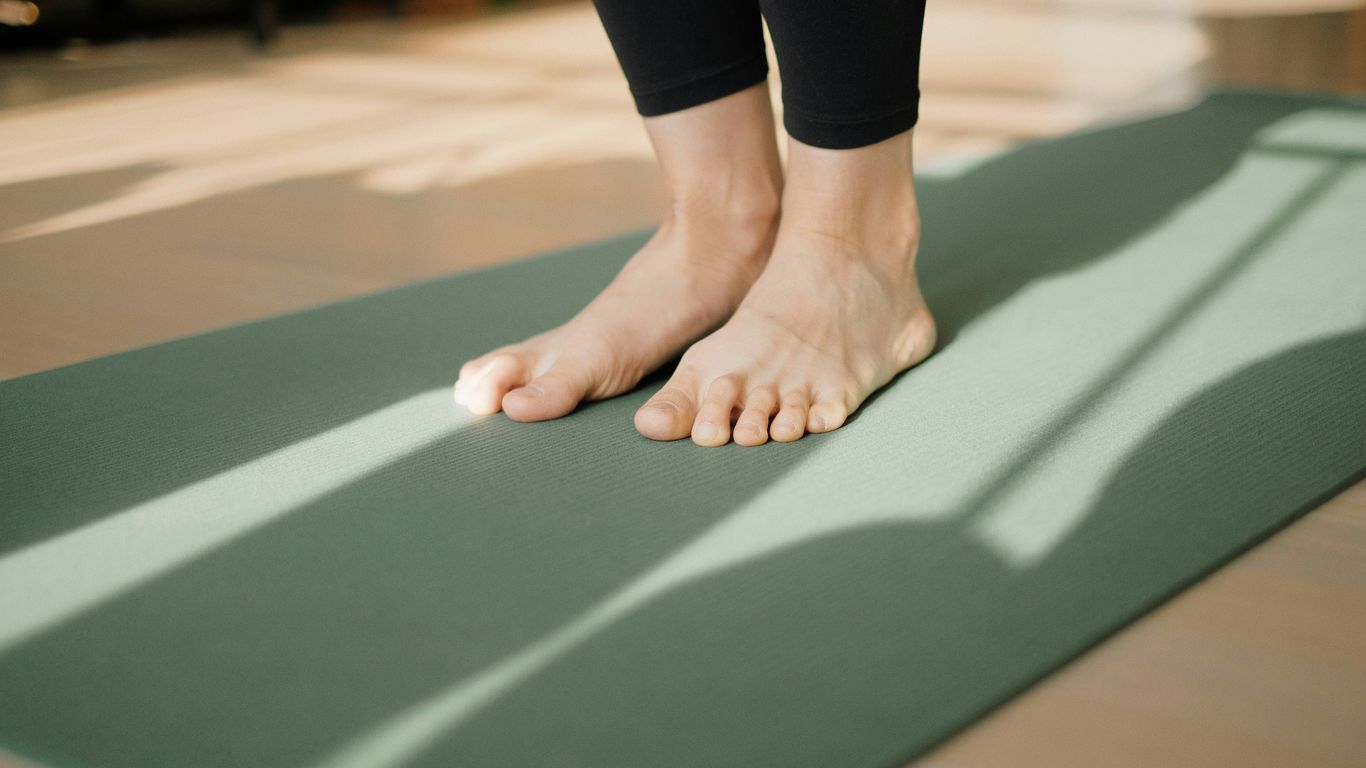
Kneeling and hands-and-knees positions reveal pressure points quickly. If your wrists or knees feel the floor through the mat, you may need more cushioning or a small folded towel for targeted support. Pay attention to whether the surface compresses evenly rather than creating a noticeable hollow under one joint. Comfort is personal, so a short trial at home is more informative than a photograph.
Balance between cushioning and stability
A mat needs to cushion contact with the floor while still allowing you to feel grounded. Excessive softness can make transitions feel less controlled, particularly when weight shifts from one foot or hand to another. Conversely, a very firm mat may feel precise but tiring during longer floor sessions. The best balance is the one that lets you move without constantly adjusting your hands, feet, or alignment.
How body weight and practice style affect comfort
A heavier practitioner may notice compression more quickly, while a lighter practitioner may prefer a softer-feeling surface. Dynamic practices also distribute pressure differently from restorative poses or long stretches. Consider the positions you hold longest, not only the ones that look most demanding. If you frequently alternate between standing and floor work, a middle-ground density is often easier to live with than an extreme choice.
When to consider a thicker or firmer mat
Choose additional thickness when joint contact is your main concern and you have enough stability underneath. Choose a firmer option when balance, controlled transitions, or a close connection to the floor matter more. The Galatea Yoga Mat, for example, is described as 6mm extra thick with cushioning and non-slip positioning, making it a useful comparison point for shoppers prioritizing those stated features. That comparison does not establish how another mat will feel; it simply shows why thickness and surface claims should be read together.
Assessing grip and performance
Grip is affected by the mat surface, moisture, pressure, and the cleanliness of both hands and feet. A texture that feels secure in a dry room may behave differently during a longer session or after repeated cleaning. Rather than asking whether a mat is universally non-slip, think about the conditions in which you will use it. This is especially relevant when comparing the Gaiam Evolve Yoga Mat with mats that publish more detailed surface descriptions.
Traction during slow-flow and static poses
Slow-flow and static poses give you time to notice whether your hands or feet gradually slide. Test the mat with a few familiar positions and observe whether you can hold them without gripping with your toes or shifting your palms. A textured finish can help create a more secure feel, although texture alone does not guarantee performance for every user. Stability should feel consistent rather than dramatic or sticky in only one position.
Performance during heated or sweaty sessions
Sweat changes the contact between skin and surface, so heated practice deserves separate consideration. Look for clear information about moisture resistance, washable materials, or intended use in sweaty sessions, and consider a yoga towel if your hands become damp. The Nagasawa Yoga Mat is described as offering traction that improves with heat and as suitable for hot yoga, so it illustrates the kind of specific claim worth seeking in a listing. Do not assume that a mat without similar wording will behave the same way.
How surface texture can affect stability
Texture influences how your palms and feet meet the mat, but it also affects cleaning and tactile comfort. Deep grooves may provide a pronounced feel, while a subtler finish may be more comfortable for seated movement. Examine close-up images where available and think about whether the texture will distract you during slower work. The goal is dependable contact, not the roughest possible surface.
Factors that may reduce grip over time
Body oils, dust, residue from unsuitable cleaners, and ordinary wear can all change how a mat feels. Repeated rolling and unrolling may also affect the surface or edges, especially when the mat is stored under pressure. Keep a simple record of when the mat begins to feel different rather than immediately blaming one practice session. Regular cleaning and complete drying are usually more useful than aggressive scrubbing.
Choosing the right size and portability
A mat can feel excellent in use and still be inconvenient if it does not fit your room or bag. Measure the place where you will practice, including clearance for arms and legs beyond the mat itself. Then consider how often you will carry it and whether you need room for other equipment. The Gabbro Trekk Travel Mat is listed at 24 by 72 inches, 5mm, and 2.5 pounds, which provides a concrete example of the specifications that make portability easier to judge.
Measuring available practice space
Clear a rectangle on the floor and measure it before ordering. Account for furniture, walls, pets, and the space needed to step safely on and off the mat. If you practice beside a bed or sofa, a standard length may be sufficient even when the room is narrow. A mat that fits naturally is more likely to be used regularly.
Mat thickness, weight, and transport
Thickness affects both comfort and the size of the rolled mat, while weight becomes noticeable on a walk to class. Product pages sometimes list these details separately, so compare them together rather than choosing based on thickness alone. A lighter mat may be preferable for commuting, while a heavier one may feel less likely to shift on the floor. Your transport routine should decide the compromise.
Storage at home or in a yoga bag
At home, store the mat loosely rolled in a dry place rather than compressed beneath heavy objects. If you use a strap or bag, make sure the mat is dry before enclosing it. Foldable designs can suit small spaces, but a rolled mat may be quicker to deploy between sessions. Think about the storage habit you will actually maintain, not the one that sounds ideal.
Portability for studios, travel, and outdoor use
Portability matters most when the mat moves between studios, hotel rooms, parks, or other temporary spaces. Before buying, compare the packed dimensions with your luggage and check whether the surface can be cleaned easily after outdoor use. A practical portability checklist includes:
- The mat’s listed weight and packed size.
- Whether it rolls, folds, or needs a separate strap.
- How easily dirt and moisture can be removed.
- Whether the practice surface is large enough for your usual movements.
These points help distinguish genuinely convenient gear from a mat that is merely light on paper. If you practice outside often, traction and cleanability should carry as much weight as transport.
How to clean and care for the mat
Cleaning should be simple enough to become part of the practice routine. Sweat, dust, and body oils accumulate gradually, and storage while damp can create unpleasant odors or affect the surface. Always give the product’s current care directions priority over general advice. For broader reading, this yoga mat care guide covers routine wiping, hand washing, drying, and ways to address slipperiness.
Recommended routine after each practice
After a normal session, wipe the surface with a clean, slightly damp cloth and allow it to dry fully before rolling it up. A quick wipe is usually easier on the material than waiting until residue becomes visible. Avoid saturating the mat unless the instructions specifically allow it. Consistency matters more than using a complicated cleaning system.
Dealing with sweat, dirt, and odors
For heavier sweat or outdoor dust, use a gentle cleaning approach suited to the listed material. A diluted, non-oil-based soap solution is a common general method, but check the manufacturer’s directions first. Persistent odor is a reason to improve ventilation and drying, not necessarily to use a stronger fragrance. If a towel is part of your routine, wash it separately and let both items dry thoroughly.
Cleaning products and methods to avoid
Avoid abrasive brushes, harsh solvents, oily conditioners, and unapproved disinfectants. These can leave residue, alter texture, or make the surface feel unexpectedly slippery. Do not assume that an essential-oil spray or vinegar mixture is appropriate for every material. When in doubt, test a mild method on a small inconspicuous area and follow the care label.
Drying and storing the mat properly
Dry the mat flat or loosely hung in a well-ventilated area, away from prolonged heat unless the instructions say otherwise. Roll it only when the surface is fully dry, and avoid leaving it in a hot car or direct sun for extended periods. Store it with the practice side protected from grime. Small habits such as these can preserve the original feel longer.
Comparing the Gaiam Evolve Yoga Mat with alternatives
A useful comparison separates known specifications from personal impressions. The Gaiam Evolve Yoga Mat should be compared with alternatives on dimensions, materials, grip, cushioning, weight, care, and price rather than on branding alone. Reversible, travel, and premium mats each solve somewhat different problems. The aim is to identify the trade-off that fits your practice.
Differences between basic and premium yoga mats
Basic mats often prioritize accessible pricing and straightforward construction. Premium options may add denser materials, more refined textures, longer stated durability, or better finishing, but a higher price does not automatically mean a better fit. Read the specifications and return terms carefully. A modest mat used consistently can be more valuable than an expensive one that stays in a closet.
Comparing reversible and single-surface designs
A reversible mat offers two usable sides when the product is designed that way, which can provide flexibility in texture or appearance. A single-surface mat may be simpler to orient, clean, and store. The reversible yoga mat collection is a useful reference for seeing how this category is presented, but shoppers should still verify the construction of the particular model. Two-sided use is only helpful if both surfaces suit your practice.
When a travel mat may be a better choice
A travel mat can make sense when you regularly practice in hotels, studios, parks, or shared spaces. Thinness and low weight are helpful, but they may involve a different cushioning trade-off from a roomier home mat. Foldability can also matter when luggage space is limited. If you need maximum comfort on a hard floor every day, a travel format may not be the most comfortable primary mat.
Features that justify paying more
Pay more when a documented feature solves a recurring problem for you, such as better portability, a surface suited to sweat, or cushioning that keeps you practicing comfortably. Be wary of paying for design alone when the practical specifications are unclear. A simple comparison table can make the trade-offs visible:
| Feature | Basic option | More specialized option | Why it matters |
|---|---|---|---|
| Cushioning | Thinner or firmer feel | More cushioning or denser construction | Changes joint comfort and stability |
| Surface | Straightforward texture | Texture designed for specific conditions | Affects traction and tactile feel |
| Transport | Standard rolled format | Lightweight or foldable format | Determines how easily it travels |
| Care | Basic wipe-down | Materials with clearer moisture or cleaning claims | Influences maintenance effort |
The table is a decision aid, not a promise about any unnamed product. Use the actual listing to fill in each column before purchasing, especially when comparing a home mat with a travel model.
Deciding whether the Gaiam Evolve Yoga Mat is right for you
The Gaiam Evolve Yoga Mat may be worth considering if its current specifications align with your space, practice, and budget. A product name alone cannot tell you whether the cushioning will feel right or whether the grip will suit sweaty sessions. Treat the purchase as a fit exercise, with your regular habits at the center. That approach also makes it easier to compare alternatives without getting distracted by appearance.
Matching the mat to your yoga style
Gentle, restorative, dynamic, and heated practices place different demands on a mat. Think about the balance between floor comfort and stable contact, then check whether the listed surface and thickness support that priority. If you mix styles, choose the compromise you can accept most days. A mat that works adequately across your routine is often more useful than one that excels only in a single class.
Considering durability and replacement needs
Durability is influenced by frequency of use, floor type, cleaning habits, and how the mat is transported. Inspect the edges, surface, and backing periodically for changes rather than waiting for a complete failure. A replacement is easier to justify when the mat has become uncomfortable, difficult to clean, or unreliable underfoot. Buying less often can also mean choosing care and storage habits deliberately.
Checking warranty, return, and product details
Before ordering, save or review the current product page, including measurements, materials, care instructions, warranty language, and return conditions. This is especially useful when different listings use similar names or images. The EMI calculation guide and moratorium period guide are examples of unrelated information pages, but they reinforce a useful general habit: read the terms and practical details before making a financial commitment. For business readers applying a similar evaluation mindset, an Account-Based Marketing guide offers another example of organizing a decision around fit and evidence rather than broad promises.
A practical checklist before buying
Take a final minute to answer the questions that are easiest to overlook. Confirm that the mat fits your practice area, can be stored conveniently, and has care instructions you are willing to follow. Also check the price, delivery terms, and return window. These details often decide whether a mat remains useful beyond the first enthusiastic week.
Conclusion
Choosing the Gaiam Evolve Yoga Mat comes down to matching verified product details with the way you practice, clean, store, and travel. Compare cushioning, grip, dimensions, weight, materials, and policies in that order of practical importance, then choose the mat that removes the most friction from your routine.
Frequently Asked Questions
What thickness is best for a yoga mat?
There is no universal thickness. A thicker mat may feel more comfortable for kneeling and floor work, while a firmer or thinner mat can provide a steadier feel for balance and transitions.
How do I know if a yoga mat has enough grip?
Consider the surface texture, your typical level of sweat, and whether the product gives specific traction or moisture-related information. If possible, test familiar poses and notice whether your hands or feet gradually slide.
Are thicker yoga mats better for joint comfort?
They can provide more separation from a hard floor, but softness and density also matter. Extra thickness may reduce stability for some movements, so comfort should be weighed against control.
How often should a yoga mat be cleaned?
A light wipe after regular practice is a sensible routine, with deeper cleaning when sweat, dirt, or odor builds up. Always follow the care instructions for the specific material.
Can I use a yoga mat for home workouts?
Many mats work for stretching, mobility, and low-impact floor exercises. Check that the dimensions and surface provide enough room and stability for the movements you plan to perform.
What should I consider in a travel yoga mat?
Focus on packed size, weight, foldability or rollability, surface grip, and how easily it can be cleaned after use outdoors or in shared spaces. Travel convenience may come with less cushioning.
When should I replace a yoga mat?
Consider replacement when the surface becomes unreliable, the mat no longer lies flat, cleaning no longer resolves odor or residue, or cushioning has changed enough to affect comfort and control.