

Yoga mat lightweight guide: How to choose the best portable mat
Key Takeaways
A portable mat should fit both your bag and the way you practice. Weight matters, but so do grip, cushioning, packed size, and ease of care.
- Compare weight alongside thickness and material.
- Choose foldable designs for luggage and backpacks.
- Match grip and cushioning to your practice style.
- Check packed dimensions before buying for air travel.
- Clean and dry the mat regularly to extend its life.
Understand what makes a yoga mat lightweight
A lightweight mat is easier to carry, but “light” can mean different things depending on its material, thickness, and construction. A thin travel mat may fold into a small rectangle, while a thicker mat may roll neatly but take up more room. The best choice depends on where you practice and how much support you need. For many travelers, the ideal portable yoga setup is one that disappears into a backpack without feeling flimsy on the floor.
Typical weight ranges by mat type
Travel mats commonly weigh less than full-size studio mats, though the exact figure varies with width, length, and material. Very thin foldable mats may weigh around 1–2 pounds, while cushioned travel mats often land closer to 2–3 pounds. A mat with extra padding, a wider format, or a reinforced base will usually weigh more. Treat the listed weight as a starting point, then consider what else you will carry with it.
The Alpha Lightweight Yoga Mat illustrates the kind of balance shoppers often seek: a 6mm mat weighing 2.5 pounds, with a dual-sided textured surface and cushioning for different yoga styles. That combination may suit someone who wants a travel-friendly mat without moving all the way to an ultra-thin design.
How thickness affects portability
Thickness affects both packed size and how the floor feels beneath your hands and knees. Mats around 2mm are easy to fold and layer, but they provide less separation from hard flooring. Mats around 5–6mm offer more cushioning while remaining manageable for studio or car commutes. Remember that thickness alone does not determine stability; a dense, well-made thin mat can feel steadier than a soft, bulky one.
If you practice in hotel rooms or on firm floors, consider whether you can add a towel or second layer when needed. That approach keeps your main mat light while giving you flexibility for occasional restorative sessions. For everyday use, choose the thinnest option that still feels comfortable in your most sensitive contact points.
Foldable versus rollable designs
Foldable mats bend along set lines and pack flat, which makes them useful for carry-on luggage, drawers, and small backpacks. Rolled mats preserve a familiar full-length practice surface and can be quicker to unroll at a studio or park. Folding may leave visible creases, while rolling can create curled edges when the mat is new or stored tightly.
A foldable surface is especially practical when your priority is compact storage rather than a plush feel. If you travel with clothing, books, or a laptop, a flat folded mat can use space more efficiently than a long cylinder. Either way, check how the mat behaves after unpacking before relying on it for a class.
When a lighter mat may compromise performance
Reducing material can mean less cushioning, less weight to keep the mat in place, or a surface that feels different underfoot. This is not automatically a drawback, particularly if you practice slowly or use the mat over carpet. It becomes more noticeable during balance work, transitions, and sessions on smooth floors.
Try to define the compromise you are willing to make. A traveler who practices occasionally may prefer the smallest possible mat, while someone who practices daily may want a little more density and support. The goal is not the lowest number on the scale; it is a mat you will actually enjoy carrying and using.
Choose the right material and construction
Material affects grip, odor, cleaning, flexibility, and long-term wear. Lightweight mats may use less material, but their surfaces can still feel very different from one another. Think about where the mat will be used, how sweaty your sessions become, and whether you have sensitivities to particular materials. Construction details such as texture, layers, and finish often matter as much as the material name.
PVC, TPE, rubber, and natural-fiber options
PVC can provide a familiar balance of grip, structure, and easy cleaning, while TPE is often chosen for its light, flexible feel. Natural rubber tends to feel dense and grippy, although it may have a noticeable smell at first and is not suitable for everyone with latex sensitivities. Natural-fiber surfaces can feel soft and breathable, but they may need different cleaning and drying habits.
Read the material description together with the care instructions. A mat marketed as eco-conscious still needs to suit your practical needs, including moisture exposure and storage. If you are sensitive to latex, phthalates, or strong odors, confirm the manufacturer’s material details rather than guessing from appearance.
Closed-cell surfaces for travel and hygiene
A closed-cell surface has fewer places for moisture and dirt to settle than a more porous surface. That can make it convenient for travel, especially when you need to wipe the mat after practicing in a hotel room or outdoors. It does not make the mat self-cleaning, however, and sweat still needs to be removed after use.
Choose a mild cleaner recommended for the material and avoid saturating the mat. A surface that dries quickly is useful when your itinerary leaves little time between practice and packing. For more travel-oriented ideas, this travel yoga mat guide also covers portable mats, carriers, and accessories.
Layered mats for cushioning and stability
Some mats combine a textured top with a denser or more supportive base. The top layer can influence traction and comfort, while the base helps the mat stay flatter against the floor. Layering can create a useful middle ground between a paper-thin travel mat and a heavy studio mat.
Look for layers that feel bonded rather than loose or spongy at the edges. A layered construction is most helpful when each part has a clear job: surface grip, impact absorption, or floor contact. Too much softness can make standing poses feel less secure, so test the mat in both kneeling and upright positions.
Durability differences between lightweight materials
A lightweight mat may last well if it is stored, cleaned, and transported carefully, but repeated folding, abrasive floors, and direct heat can shorten its life. Natural rubber and dense PVC can feel durable, while very soft foam may show dents or wear sooner. Printed finishes can also fade with sunlight and aggressive cleaning.
Look closely at seams, corners, and the area where your hands usually land. If the surface begins shedding, stretching, or becoming uneven, the mat may no longer provide consistent support. A slightly heavier mat that withstands frequent use can be a better value than an ultra-light option that needs early replacement.
Match the mat to your yoga practice
The right yoga mat lightweight choice is not universal because practices place different demands on the surface. Gentle work emphasizes comfort and warmth, while vigorous or heated sessions make grip and moisture management more urgent. Balance poses reveal whether the mat stays planted and whether the surface feels predictable. Start with your most common practice, then account for the places where you expect to use the mat.
Best features for gentle and restorative yoga
Restorative and gentle sessions usually benefit from comfortable cushioning, a surface that does not feel harsh, and enough width for relaxed positions. A 5–6mm mat can provide a more forgiving base on wood or tile. If you practice outdoors, also consider whether the underside can handle slightly uneven ground without bunching.
You may not need the strongest sweat grip for a slow session, but you still want reliable contact when moving between poses. A soft towel can add comfort without forcing you to carry a much thicker mat every day. Keep the packed size in mind if the mat travels often.
What to look for in hot yoga and sweaty sessions
Heat and moisture can change how a surface feels under your hands. Look for a texture that remains predictable when damp, and consider whether a towel is needed for extra absorption. A thin foldable mat with a sweat-activated vegan suede top, such as the Apollo Foldable Suede Yoga Mat, is documented as designed for hot yoga and offers grip that increases with sweat.
Do not assume that a dry-feeling surface will perform identically once perspiration builds. Bring a small towel, wipe the mat after class, and allow it to dry fully before folding it. That simple routine helps preserve both traction and freshness.
Stability requirements for balance poses
Balance poses need a mat that lies flat and does not slide across the floor. A firm base, moderate texture, and consistent thickness can make transitions feel more predictable. If the mat is extremely thin, the floor may feel direct and stable; if it is very soft, your feet may sink slightly and require more adjustment.
Test the mat with standing poses rather than judging it only from a seated stretch. Notice whether the corners lift, whether your feet shift during a slow transition, and whether the surface feels uniform from end to end. These small observations often tell you more than a product label.
Choosing a mat for Pilates, stretching, and fitness
Pilates and general fitness may call for cushioning, a wipeable surface, and enough length for lying-down movements. The Tofino Lightweight Mat is described as a 6mm, 2.5-pound mat for yoga, Pilates, and fitness, with a dual-sided textured surface and joint support. That kind of specification is useful when one mat needs to cover several activities.
For mixed workouts, check whether the mat stays stable during repeated movements, not just yoga poses. A surface that feels comfortable for stretching may be too soft for strength exercises. Portability is valuable, but versatility should not come at the expense of dependable floor contact.
Evaluate grip, cushioning, and support
Grip, cushioning, and support work together, but they are not interchangeable. A sticky surface cannot replace adequate padding for sensitive knees, and a thick mat cannot compensate for slipping hands. Your body position, moisture level, and floor type all affect the experience. Comparing these factors in person, when possible, is more reliable than choosing by thickness alone.
How surface texture affects traction
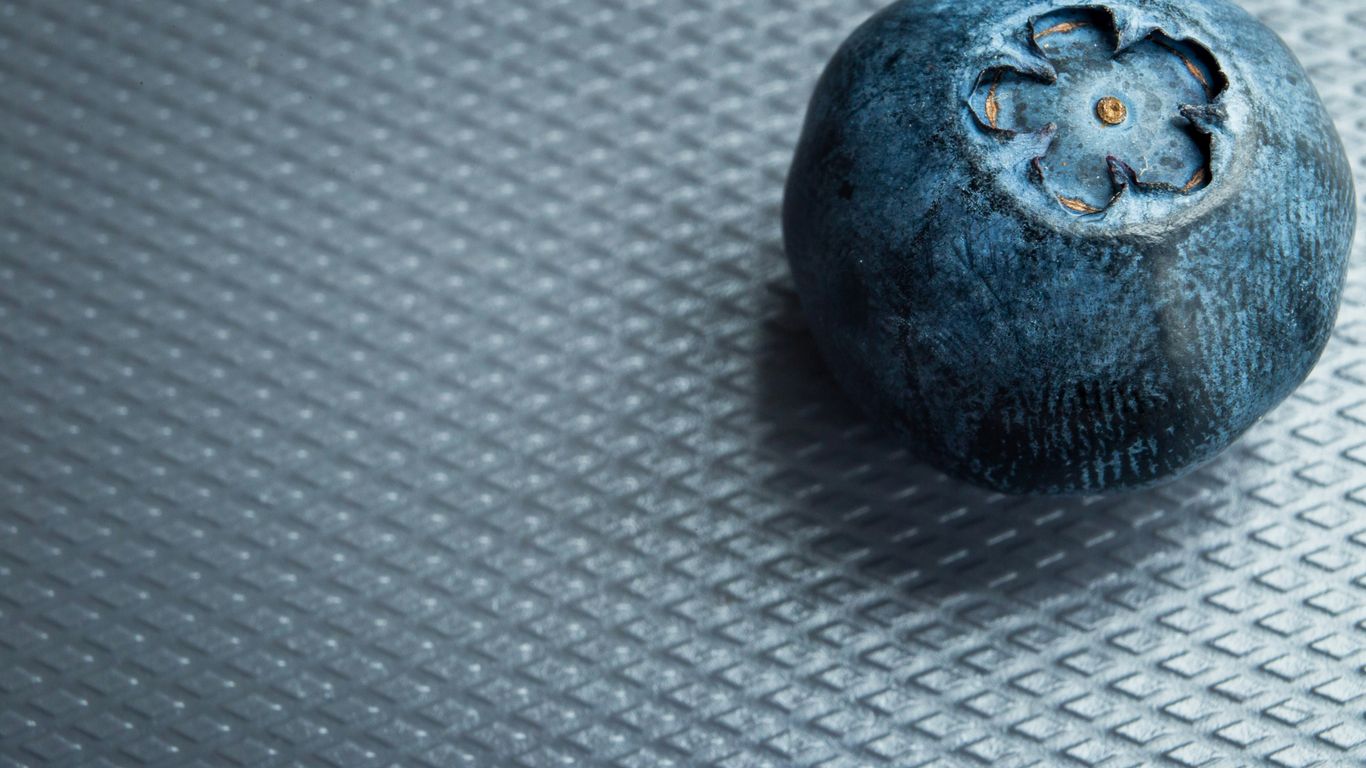
A ridged, pebbled, or lightly patterned surface can create more contact between your hands, feet, and the mat. Deep texture may feel secure but can be distracting during seated work. Smooth surfaces can feel comfortable and easy to clean, yet they may demand more attention when damp.
Look for texture that supports the movements you repeat most. If you move between downward-facing dog, lunges, and standing poses, test both palm and foot traction. A reversible mat may offer two different feels, but confirm that each side is intended for floor contact.
Finding enough cushioning for joints
Cushioning is most noticeable when kneeling, lying down, or holding poses for several breaths. A 2mm travel mat may be excellent for packing but feel spare on tile, while a 6mm option can be kinder to knees and elbows. The densest mat is not always the softest, so pay attention to both thickness and compression.
If you prefer a thin mat for travel, pack a folded towel to place beneath the knees when necessary. This is often more practical than carrying a thick mat everywhere. At home, you can keep a more cushioned option and reserve the lightweight one for trips.
Balancing comfort with stability
A comfortable mat should support you without making standing poses feel unstable. Excessively plush foam can allow feet to sink, while a very firm surface may become tiring during floor work. A moderate, dense construction often offers a useful compromise for mixed practices.
Use a simple comparison: stand still, shift weight from heel to toe, and hold a lunge. If the surface compresses unevenly or the mat moves, the extra cushioning may not be helping. Firm enough to balance is often a better target than maximum softness.
Testing grip in dry and damp conditions
Grip can change substantially after a few minutes of practice. Test the mat first with clean, dry hands, then with slightly damp palms if the manufacturer permits it. Pay attention to whether your hands slide gradually or lose contact suddenly, since sudden movement is harder to anticipate.
A short test sequence is more informative than pressing one hand against the surface. Try these checks in order:
- Hold a plank for several breaths.
- Move slowly through a lunge.
- Press down through the hands in a forward fold.
- Repeat one transition with slightly damp palms.
Afterward, compare how the mat feels under hands and feet. If traction improves with moisture, keep the surface clean and avoid packing it while wet; if it worsens, plan on using a towel during sweaty sessions.
Make portability part of the buying decision
Portability is more than a low listed weight. A mat can be light but awkward if it is too long for your bag, difficult to secure, or slow to flatten. Consider the full trip from your front door to the practice space. The right design should be easy to carry, unpack, use, and store again.
Foldability for carry-on luggage and backpacks
Foldable mats are usually the most efficient choice when luggage space is limited. They can fit between clothing layers or into a laptop backpack, and their flat shape avoids the long profile of a rolled mat. Check the folded dimensions rather than relying only on the word “travel.”
A 2mm foldable mat may be suitable as a primary travel surface or as a layer over another mat. Before buying, confirm that the folds do not interfere with the hand and foot positions you use most. A few creases are acceptable; a surface that shifts at every fold is not.
Rolled mats for cars and studio commutes
A rolled mat is convenient when you travel by car or carry gear over a short distance. It opens into a familiar uninterrupted surface and can feel more comfortable than a very thin folding mat. The tradeoff is a larger packed diameter and the possibility of curled ends.
If you commute to a studio, measure the space where you will store the mat at work or home. A carry strap can make a rolled mat manageable, but it will not solve a mismatch between the mat and your storage area. Let your regular route guide the format.
Carry straps, bags, and storage features
A strap is useful when it keeps the mat secure without pressing into the surface. A bag offers more protection from rain, dust, and contact with other items, especially during outdoor practice. Pockets can be helpful for a towel or small accessories, although extra features may add weight.
Choose accessories that simplify the habit of practicing. If a strap takes seconds to attach and the mat stays compact, you are more likely to bring it along. If you are researching travel gear broadly, this portable mat and accessory overview offers another way to compare weight, foldability, and care considerations.
Packed dimensions and airline travel considerations
Airline rules vary, so check the carrier’s current baggage and personal-item policies before departure. A mat that fits inside your carry-on is easier to manage than one attached awkwardly to the outside. Measure the folded or rolled package, including its strap or bag.
Also leave room for shoes, clothing, and toiletries. If the mat takes up most of the available space, a thinner foldable design may be more practical even if it provides less cushioning. For overseas expenses, a Forex Card can be part of a broader travel checklist, while a separate Forex Card guide may help with departure planning; neither changes the mat’s size requirements.
Care for a lightweight yoga mat
Lightweight materials can be easy to carry and easy to damage if handled carelessly. Sweat, grit, sunlight, and damp storage all affect the surface over time. A simple cleaning routine is usually better than occasional aggressive scrubbing. Care should fit the material, so follow the manufacturer’s instructions whenever they differ from general advice.
Cleaning methods for different materials
Wipe the mat with a soft cloth and a mild, material-safe solution after regular use. Avoid harsh solvents, abrasive sponges, and excessive water unless the care label specifically allows them. Natural rubber, suede-like surfaces, and printed finishes may each require different products.
Clean outdoor mats more carefully because sand and grit can act like fine sandpaper when folded. Let visible dirt loosen before wiping rather than rubbing it deeper into the texture. A small reusable cloth in your mat bag makes post-practice cleaning easier.
Drying and airing out the mat
Allow the mat to dry completely before rolling or folding it. Hang it loosely or lay it flat in a shaded, ventilated place, away from radiators and prolonged direct sun. Packing a damp mat traps odor and can encourage surface deterioration.
Airing out a new mat can also reduce manufacturing odors. Give it time rather than masking the smell with strong cleaners or fragrance. If the odor remains unusually intense, review the material information and consider whether the mat is suitable for your space.
Preventing odors, curling, and surface damage
Store a rolled mat with the top surface facing outward when the care instructions recommend it, and avoid compressing it under heavy gear. For foldable mats, keep the original fold pattern instead of creating random creases. Do not leave either style in a hot car for long periods.
Brush off sand before packing and keep sharp objects away from the surface. If corners curl after travel, lay the mat flat with light, even pressure rather than forcing it backward. These small habits protect the texture and help the mat settle more quickly.
Knowing when to replace the mat
Replace a mat when it no longer stays flat, the surface has worn smooth in key areas, or the layers begin separating. A persistent odor after proper cleaning may also signal that the material is no longer pleasant to use. Tears and uneven patches can affect both comfort and stability.
Inspect the mat every few weeks if you practice often. Replacement timing depends on use, storage, and material, not simply on a calendar. When the mat stops giving you consistent contact with the floor, its portability is no longer the main consideration.
Conclusion
The best lightweight yoga mat is the one that matches your practice, packs easily, and still feels dependable when you use it. Compare thickness, construction, grip, cushioning, and packed dimensions rather than chasing the lowest weight alone. With thoughtful care, a portable mat can make practice in a hotel room, park, or studio feel straightforward.
Frequently Asked Questions
What is a good weight for a lightweight yoga mat?
Many travel mats weigh roughly 1–3 pounds, but the right range depends on how much cushioning and stability you need. Always compare weight with thickness, size, and material.
Is a 2mm yoga mat comfortable enough?
A 2mm mat can work well for travel, layering, or firm floors, but it offers less cushioning than a 5–6mm mat. A towel or second layer can add comfort when needed.
Are foldable yoga mats better than rolled mats for travel?
Foldable mats usually fit luggage and backpacks more efficiently. Rolled mats may feel more familiar and open into a continuous surface, but they take up more room.
How do I choose a yoga mat for hot yoga?
Prioritize predictable traction when damp, moisture management, and easy cleaning. A towel can help absorb sweat and keep your hands and feet more secure.
What material is easiest to clean?
Many nonporous surfaces are straightforward to wipe, but cleaning requirements vary by material and finish. Follow the care instructions and avoid harsh products.
Can a lightweight mat provide enough joint support?
Yes, although support depends on thickness, density, and the flooring beneath you. If you need more cushioning, choose a denser thicker mat or use a towel beneath sensitive joints.
How should I store a travel yoga mat?
Store it clean and completely dry, following its intended fold pattern or rolling direction. Keep it away from heat, sharp objects, and heavy items that could deform the surface.

