

Folding yoga mat for travel: How to choose the best mat for every trip
Key Takeaways
A good travel mat should fit your luggage without making your practice feel cramped or unstable. Focus on the balance between packed size, grip, cushioning, cleaning, and the surfaces you are most likely to use.
- Choose folding designs when suitcase space matters most.
- Check grip in relation to sweat, temperature, and practice style.
- Expect thinner mats to trade cushioning for portability.
- Match the mat’s length and width to your normal movement.
- Clean, dry, and store the mat carefully between trips.
Understand what makes a yoga mat travel-friendly
A travel mat earns its place by solving a simple problem: how to keep practicing without carrying a bulky piece of equipment. The best option is light enough for your luggage but stable enough for the movements you actually enjoy. Before comparing colors or patterns, consider how the mat folds, what it weighs, and where it will be used.
Foldable versus rollable designs
A foldable mat collapses into panels, so it can slide into a suitcase, backpack, or tote without needing a long cylindrical space. A rollable mat may feel more familiar and can avoid some fold marks, but it usually takes up more length in your luggage. Folding is particularly useful for frequent flyers and anyone who wants to keep a mat flat under clothing or between packing cubes.
Fold lines are not automatically a flaw. They are part of the design, though the mat should still open reasonably flat and stay comfortable beneath hands and feet. If you prefer a clean, uninterrupted surface for slow movement, inspect photographs and product details closely before buying.
Weight, packed size, and luggage compatibility
Weight matters most when you are already carrying a laptop, shoes, toiletries, and clothing. A very thin mat may be easy to carry, while a thicker one may offer more comfort but compete with the rest of your packing list. Measure the folded dimensions against the inside of your usual carry-on rather than relying on a vague promise that it is “travel size.”
Think about the way you travel, too. A commuter who practices in several studios may want a mat that fits a shoulder bag, while a road-tripper can usually accept a little more bulk. The right choice is the one you will bring consistently, not the one with the smallest specification on paper.
Thickness, cushioning, and portability trade-offs
Thin travel mats are convenient, but they provide less separation from hard floors. That may be fine for standing sequences, stretching, or meditation, especially when the mat is placed over carpet or another soft surface. If your wrists, knees, or hips are sensitive, bring a small towel or knee pad rather than assuming a folding mat can replace a thick everyday mat.
There is no universal ideal thickness. Your practice comes first, followed by the surfaces you expect to encounter and the amount of space available in your luggage. A slightly heavier mat may be worth carrying if it helps you practice comfortably and regularly.
Materials, durability, and environmental considerations
Material affects feel, odor, grip, cleaning, and how well a mat handles repeated folding. Look for clear information about the surface and base, along with care instructions that fit your habits. PVC-free or recycled components may matter to you, but sustainability claims are most useful when they are specific rather than vague.
For a thin, compact option, the Iceland Foldable Travel Yoga Mat is described as PVC-free, non-slip, and designed to fold for storage and transport. Treat those details as a starting point, then compare them with your own needs for cushioning, sweat management, and frequency of use.
Choose the right folding yoga mat for your practice
A folding yoga mat for travel should match the kind of practice you can realistically fit into a trip. Ten quiet minutes in a hotel room calls for something different from a long, sweaty flow outdoors. Consider whether you need a portable surface mainly for hygiene, traction, comfort, or all three.
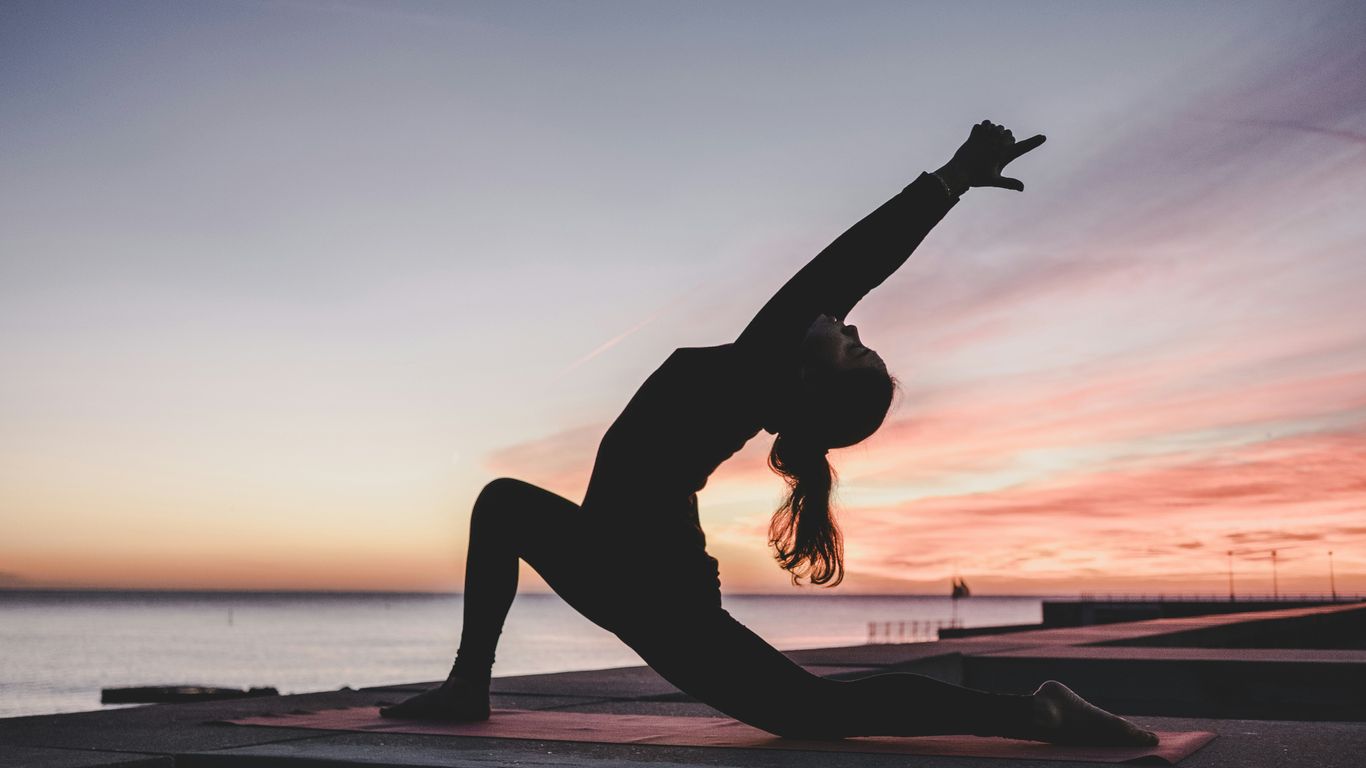
Mats for yoga, stretching, and meditation
For gentle stretching and meditation, a thin mat can be perfectly practical, particularly on carpet or a clean wood floor. Dynamic yoga asks more of the surface: it needs to remain aligned while you step, transition, and change direction. If you alternate between these uses, a reversible or textured design can give you more flexibility than an ultrathin sheet with little surface structure.
Travel plans can also shape your practice. A retreat may offer studio equipment, while a hotel stay may leave you practicing beside the bed. A guide to a Melbourne yoga retreat can be useful inspiration for planning what to pack when the trip itself includes scheduled sessions, outdoor activities, and downtime.
Grip requirements for hot or sweaty sessions
Grip is not a decorative detail. Sweat can change how your hands and feet behave, so a surface that feels secure when dry may feel different during a warm session. Look for descriptions that explain whether the surface is textured, moisture-absorbing, or intended to become grippier with sweat, and read the cleaning directions before committing.
The Apollo Foldable Suede Yoga Mat is described as having a recycled vegan suede top and a natural rubber base, with grip that is activated by sweat. That makes the documented feature relevant to hot yoga and vigorous practice, but it still pays to test your preferred hand placement and use a towel if sweat becomes excessive.
Cushioning needs for joints and sensitive floors
A travel mat cannot always provide the plush feel of a full-size studio mat. On tile, concrete, or thin hotel carpeting, you may notice that difference most during kneeling poses and low transitions. If cushioning is a priority, consider a 5 mm travel design or layer a thinner mat over a clean, stable base.
The surface underneath matters as much as the number printed in the product description. A mat can feel adequate on carpet and unforgiving on stone. Pack a compact folded towel for extra support, and avoid forcing a practice that makes a joint feel strained.
How mat size affects comfort and movement
A mat that folds small may still be full length when opened, but not every travel model offers the same width. Check both measurements, especially if you move widely in standing poses or tend to step outside the edges. A narrow mat can be manageable for meditation and stretching yet frustrating for flowing sequences.
If you are tall or enjoy expansive movement, compare the open dimensions with the mat you already use at home. A little extra length may be more valuable than saving a few ounces, because usable practice space determines whether the mat is genuinely convenient.
Evaluate performance on different travel surfaces
Your destination changes the job of the mat. A hotel floor is usually predictable, while grass, sand, and concrete introduce dust, moisture, texture, and unevenness. A sensible choice considers not only whether the mat fits in your bag, but also what lies beneath it when you unfold it.
Using a mat on hotel floors and carpets
Hotel rooms often have limited floor space and surfaces that range from smooth wood to thick carpet. Sweep away grit before setting up, and leave enough clearance for your arms and legs. On carpet, a thin mat may feel pleasantly cushioned, although deep pile can make balance less steady.
On a slick floor, the underside becomes especially important. Place the mat carefully, test it with a few slow movements, and shift furniture rather than practicing beside a sharp corner. A quiet setup routine prevents many small travel annoyances.
Practicing outdoors on grass, sand, or concrete
Grass can be comfortable but uneven, while sand shifts underneath every step. Concrete is stable but hard and unforgiving. Outdoors, choose a location that is as level and clean as possible, and accept that a travel mat is a barrier from the ground rather than a guarantee of a studio-like surface.
For outdoor plans, inspect the mat after practice and remove grit before folding it. Salt air, damp grass, and direct sun can all make cleaning and drying more important than they would be at home.
Improving stability on smooth or uneven surfaces
Stability starts with a clean underside and a surface that is fully unfolded. If the mat curls at the edges, give it time to relax before a demanding practice. Place your hands and feet with deliberate pressure, and reduce the range of movement if the ground is irregular.
A few simple checks help before you begin:
- Test the mat with downward dog or a gentle lunge.
- Check whether the corners lift or the panels shift.
- Move away from loose gravel, wet patches, and steep slopes.
- Keep a towel nearby for moisture and quick cleanup.
These checks take less than a minute but reveal whether the location and mat are working together. When they are not, a shorter, steadier practice is wiser than trying to recreate a full studio sequence.
When to pair a travel mat with a larger base mat
Layering can make sense when you want the portability of a thin folding mat and the cushioning of a larger mat at your destination. The base should lie flat and provide enough friction that the upper mat does not slide. This setup is more practical for car travel, retreats, or longer stays than for a tightly packed flight.
For a short hotel stay, the extra layer may be unnecessary. Decide based on the surface, the length of your session, and whether carrying two mats will discourage you from practicing at all.
Compare essential features before buying
Product descriptions often use similar words, but small differences can change the experience. Compare the surface, folding construction, cleaning requirements, and carrying method as a group. A mat that looks ideal in a product photo may be less useful if its care routine is too demanding for your travel style.

Surface texture and non-slip performance
Texture can provide traction, while absorbency can change how the surface behaves once you sweat. Neither feature should be judged in isolation: a grippy top is less useful if the underside moves on the floor. Look for specific descriptions of both sides, and consider whether you practice mostly dry, warm, or outdoor sessions.
The Juliet Trekk Travel Mat is described as having a soft, ridged top and a firmer, stickier bottom. It is also described as moisture-resistant and easy to clean, which makes those features relevant when you want one mat to cover varied travel settings.
Fold lines, seams, and long-term durability
Repeated folding puts stress on the same areas, so inspect the panel transitions and edges when possible. A good folding pattern should make packing simple without causing the surface to split, peel, or remain sharply distorted after normal use. Read the care instructions before storing the mat tightly folded for months.
If durability is a major concern, compare construction details rather than relying on a general phrase such as “built to last.” A slightly more substantial mat may be the better value if it survives frequent trips and remains pleasant to use.
Water resistance and easy-clean finishes
Travel mats encounter more than sweat. They may meet damp grass, sandy towels, sunscreen, or a hotel bathroom floor. A moisture-resistant surface can simplify the first wipe-down, but it still needs to be cleaned and dried properly rather than packed wet.
Use a soft cloth and the cleaner recommended for the material. Avoid harsh products unless the manufacturer specifically permits them, since aggressive cleaning can change texture or weaken the surface over time.
Included straps, bags, and carrying options
A strap or bag can make the difference between bringing a mat and leaving it at home. Check whether the carrying accessory is included, how it attaches, and whether it adds awkward bulk. For a mat that folds into a compact rectangle, a simple sleeve may be more useful than a long roll strap.
The Yogo Ultralight Folding Travel Yoga Mat is described as having hang-up straps and a fold-back feature intended to keep the bottom surface clean. Those details suit travelers who want a quick setup and fewer loose accessories in their luggage.
Pack and care for a folding yoga mat on the go
Care is part of portability. A mat that folds easily but is packed damp or covered in grit will become less pleasant to use, and its surface may wear faster. Build a short cleaning and drying routine into the end of every session, especially when you are moving between destinations.
Fitting the mat into carry-on luggage
Fold the mat along its intended panels and place it where the luggage remains easy to close without forcing the seams. Flat placement under clothing can help distribute pressure, while a sleeve protects the surface from zippers and shoes. If the mat is going in a backpack, keep it close to your back and balance it with softer items.
Before leaving, do a trial pack at home. This reveals whether the mat competes with essentials and whether you need a smaller toiletry bag, a separate strap, or a different carry-on arrangement.
Preventing creases and permanent folding damage
Do not improvise new fold points simply to make the mat fit. Repeatedly bending it across the wrong area can create stubborn creases or stress the material. When you arrive, unfold it and let the panels relax instead of storing it tightly compressed for the entire trip.
If the mat is designed to be folded, normal fold lines should be expected. The goal is not to eliminate every mark but to avoid sharp bends, excessive weight on the folded stack, and storage in hot places such as a parked car.
Cleaning the mat after outdoor or sweaty sessions
Wipe the mat soon after practice, before sweat and dirt have time to dry into the texture. Use a damp cloth or the cleaner recommended for the material, paying attention to edges and the underside. Outdoor practice may require a second pass because fine grit can hide in ridges and fold lines.
Keep the cleaning routine simple enough to repeat. A small cloth, a suitable spray, and a breathable bag are usually more useful on a trip than a large collection of specialized products.
Drying and storing it between trips
Always allow the mat to dry fully before folding it into luggage or a storage bin. Airflow matters more than speed; hanging or laying it flat in a shaded place is generally preferable to sealing in moisture. Once dry, store it loosely according to the maker’s directions.
For longer gaps between trips, inspect the mat before packing it away. A quick check for odor, residue, or damaged edges gives you time to replace a worn accessory or adjust your care routine before the next departure.
Avoid common buying mistakes
The cheapest or lightest option is not automatically the most useful one. A travel mat has to fit your actual habits, including how often you sweat, where you practice, and how much room you need to move. A little comparison before purchase can prevent a mat from becoming unused luggage.
Choosing the lightest mat without checking grip
Low weight is appealing, especially for air travel, but it should not be the only filter. Read how the surface is intended to perform and look for information about moisture, texture, and the underside. If you practice hot yoga, grip may matter more than saving a few additional ounces.
A practical comparison works better than a single ranking. The lightest mat is useful only if it stays in place and feels secure enough for the sessions you want to do.
Confusing compactness with usable practice space
A mat can fold into a very small bundle and still feel too narrow or short when opened. Check the full dimensions, then compare them with your normal stance and movement. If you often travel for organized classes, you can also look at local options such as Southwest Florida yoga studios and consider whether your mat needs to supplement studio equipment or serve as your main surface.
Packability is a means, not the final goal. Choose the smallest mat that still gives you enough room to practice without constantly stepping off the edges.
Overlooking odor, maintenance, and material quality
A new-material smell may be noticeable, and some surfaces require more drying or wiping than others. Read care instructions before purchasing, particularly if you expect to practice outdoors or in humid places. Material details also help you compare whether a mat is suitable for your preferences around PVC, latex, recycled content, or natural rubber.
The same careful approach applies to travel planning generally. A clear emigration planning guide, for example, emphasizes sorting major practical decisions before committing to a move; your mat purchase deserves a smaller version of that discipline. Know where it will go, how it will be cleaned, and whether you will actually carry it.
Matching the mat to your travel style and budget
A frequent flyer may prioritize a very thin folding mat, while a road-tripper can choose more cushioning and a larger open surface. Someone attending a retreat may value a washable finish, whereas a hotel-room practitioner may care most about quick setup. Set a realistic budget after identifying the feature you will use most often.
Do not confuse a higher price with a universal improvement. Compare the exact materials, dimensions, grip description, included accessories, and return policy, then choose the option that supports your own routine.
Conclusion
The best folding yoga mat for travel is not simply the thinnest or smallest model. It is the one that fits your luggage, offers dependable grip on the surfaces you encounter, provides enough comfort for your practice, and can be cleaned without fuss. Decide where and how you will use it first, then let weight, size, material, and price follow from that plan.
Frequently Asked Questions
Is a folding yoga mat better than a rollable mat for travel?
A folding mat usually packs more easily into a suitcase or backpack because it forms a compact rectangle. A rollable mat may feel more familiar and avoid some fold lines, so the better choice depends on luggage space and surface preference.
How thick should a travel yoga mat be?
Choose thickness according to your joints, practice style, and typical floor. Thinner mats save space, while thicker mats generally provide more cushioning but add weight and bulk.
Can I use a folding yoga mat outdoors?
Yes, but inspect the ground first and expect grass, sand, and concrete to feel different. Clean away grit afterward, let the mat dry completely, and avoid leaving it in direct sun for long periods.
How do I stop a travel mat from sliding?
Use it on a clean, level surface and make sure it is fully unfolded. Test the underside with a few gentle movements before starting a more active sequence.
How should I clean a folding yoga mat?
Wipe it with a damp cloth or a cleaner approved for its material, then allow it to air-dry fully. Avoid packing it while damp, since trapped moisture can create odor and affect the surface.
Will fold lines damage a yoga mat?
Normal fold lines are expected in a folding design, but sharp improvised bends and heavy compression can cause lasting damage. Follow the intended fold pattern and store the mat loosely when possible.
What should I pack with a travel yoga mat?
A small cleaning cloth, suitable mat cleaner, and a towel are useful additions. If you need extra knee or wrist support, bring a compact pad rather than choosing a much heavier mat solely for cushioning.


