

TJ Maxx yoga mat buying guide: How to choose the right mat for your practice
Key Takeaways
A good TJ Maxx yoga mat should suit your practice, fit your body, and hold up to regular use. Shop with a short checklist rather than choosing only by color or price.
- Match thickness and grip to the poses and classes you practice most.
- Inspect the surface, edges, backing, and flatness before paying.
- Compare the full value, including durability and included accessories.
- Check material details if odor, latex, or environmental impact matters to you.
- Clean, dry, and store the mat carefully so it lasts longer.
Understand what to look for in a TJ Maxx yoga mat
A TJ Maxx yoga mat can be a smart find, but closeout-style shopping often means comparing several unfamiliar options at once. Start with the features that affect how the mat feels under your hands and feet: cushioning, traction, size, and construction. A striking print is pleasant, yet it should come after performance basics. Take a few minutes to read the label and examine the roll before deciding.
Compare mat thickness and cushioning
Thickness changes the balance between comfort and control. A thicker mat can feel kinder beneath knees, wrists, and the spine during floor-based work, while a thinner mat usually gives you a closer connection to the floor for standing poses. If you move between gentle sessions and balance work, look for cushioning that does not feel soft or unstable.
Do not judge thickness by the number alone. Press the mat with your palm, notice how quickly it rebounds, and consider whether the foam compresses unevenly. Comfort should not erase stability, especially if you regularly move from kneeling positions into standing transitions.
Check grip, texture, and traction
Grip is more than a marketing phrase on a package. Run your hand across the top and look for a texture that feels secure without catching uncomfortably on skin. Then inspect the underside; a mat that slides across the floor can be frustrating even when its top surface feels pleasantly tacky.
If you often practice with sweaty hands, ask whether the surface is moisture-resistant, absorbent, or designed to become grippier with heat. Those descriptions suggest different care needs, so do not treat them as interchangeable. A towel may also be useful for a practice that gets damp.
Consider size, weight, and portability
A standard length works for many people, but taller practitioners may prefer extra room at the head and feet. Width matters too if you tend to move laterally or practice wide-legged poses. Measure the available space at home and in your usual studio before choosing an especially broad mat.
Weight becomes important when the mat travels by bus, bicycle, or airplane. A lightweight option is easier to carry, but it may sacrifice some cushioning or stay-flat behavior. For a travel-focused setup, the Juliet Trekk Travel Mat is described as a 2.5-pound, 24-by-72-inch, 5mm mat with a double-sided design, so those specifications offer a useful benchmark when comparing a discount-store find.
Identify materials and construction quality
Look beyond the front of the package for the material, surface finish, and care instructions. Check whether the edges are cleanly cut, whether the printed design is even, and whether the mat feels consistent from end to end. A dual-sided surface can be useful, but only if both sides remain intact and the backing grips your floor.
The TJ Maxx shopper's guide is another useful reference for comparing thickness, materials, size, and portability before a purchase. Use any guide as a starting point, then let the actual mat in front of you make the final case.
Match the mat to your yoga style
The best mat depends on what you ask it to do. Restorative poses call for a different feel than fast transitions, and a mat that works well in a cool living room may behave differently in a warm studio. Think about your most frequent practice, not the occasional class you might take someday. That simple distinction narrows the choice quickly.
Choose cushioning for restorative and gentle yoga
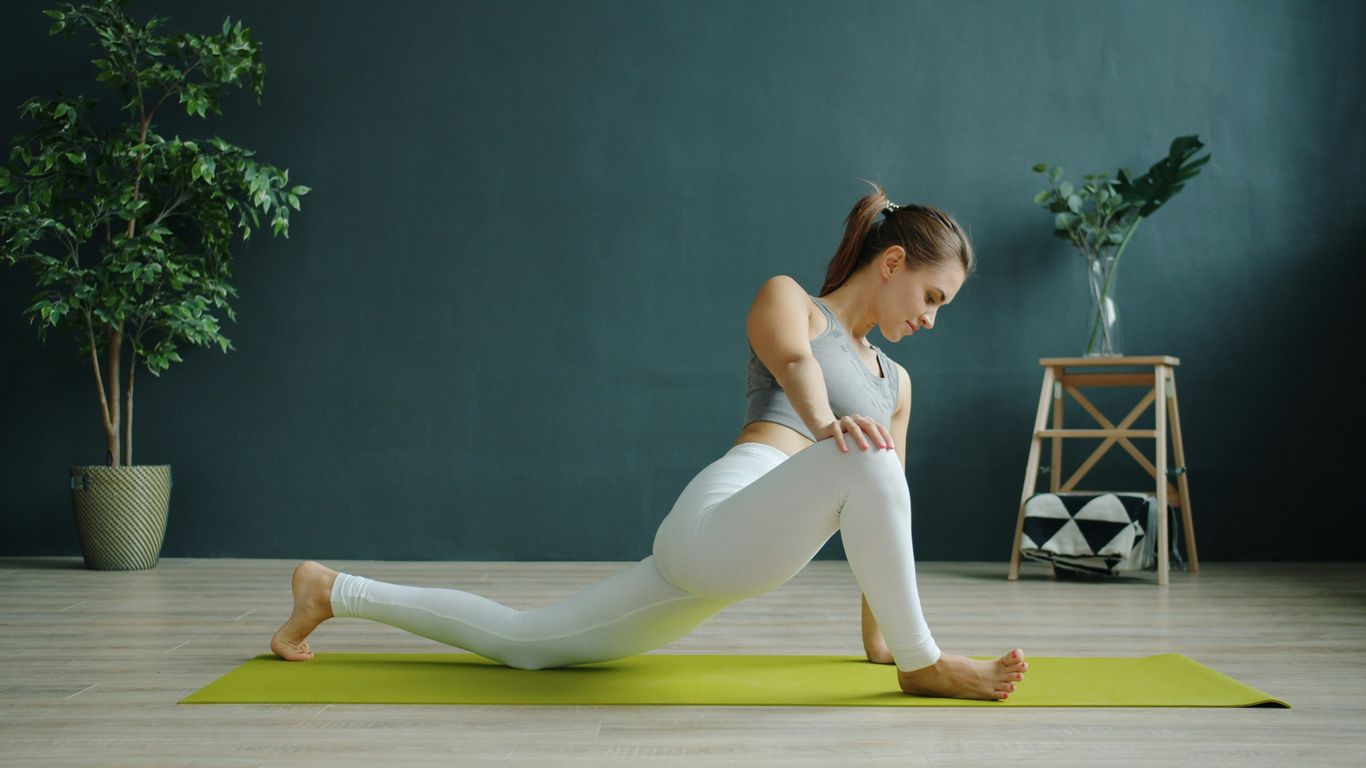
Slow practices often involve longer holds on the knees, hips, back, or elbows. Moderate cushioning can make those positions more comfortable, but excessive softness may make it harder to settle into a steady pose. If you use blankets or bolsters already, you may not need an extra-thick mat.
Look for a surface that feels pleasant against bare skin and does not shed when folded or rolled. The Teton Valley Yoga Mat is described as a 6mm eco-friendly mat with joint support, a textured grip, and suitability for restorative practice; those are the kinds of listed features to compare against any mat you find in store.
Prioritize stability for hatha and balance poses
Hatha practice and balance work reward a reliable floor connection. Test whether the mat compresses under one foot and whether the underside stays put when you shift your weight. A very plush mat can feel comfortable at first but may make small ankle adjustments more noticeable.
For balance poses, surface texture and firmness usually matter more than decorative details. Stand on the mat with feet hip-width apart, then slowly shift weight toward the edges. If the mat buckles, curls, or slides, keep looking.
Look for grip during hot yoga and power flows
Heat and perspiration put extra demands on a mat. Seek a surface that remains usable when damp, and consider whether you will bring a towel for heavier sweat. The mat should also recover from repeated movement without quickly becoming smooth in the places where your hands land most often.
The Hoth Yoga Mat is described as offering non-slip traction that improves as you heat up, along with balanced density and easy care. That description illustrates the sort of feature match to look for, but it is still wise to assess the specific TJ Maxx mat for texture and condition in person.
Consider portability for travel and studio classes
A mat that stays at home can be heavier than one you carry to a studio, park, or hotel room. Check whether it rolls tightly, fits inside your existing strap or bag, and can be lifted comfortably with one hand. Foldable mats may pack more easily, while rolled mats often provide more cushioning.
Make a quick portability checklist before you buy. It helps prevent a mat from becoming a good bargain that never leaves the closet.
- Measure the space in your usual practice area.
- Check the rolled diameter against your bag or locker.
- Lift the mat and walk with it for a minute.
- Confirm whether a strap or carrying bag is included.
Those small tests connect the product to your actual routine. If carrying it feels inconvenient in the store, it will probably feel even less appealing after a long class.
Inspect a yoga mat before buying
Discounted merchandise deserves the same inspection as a full-price purchase. Packaging can hide flattened corners, surface marks, or a lingering odor, so look at the mat itself whenever the store allows it. You are not trying to prove that a bargain is bad; you are checking that this particular item is usable. A careful inspection can also reveal whether the reduced price reflects a minor cosmetic issue or a real performance problem.
Examine the surface for cracks or peeling
Unroll enough of the mat to see the main practice area. Look for cracks, bubbles, peeling print, shiny patches, or spots where the texture has already worn smooth. Lightly run your fingers across the surface and check for loose material that could worsen with regular cleaning.
A small cosmetic mark may not matter, but damage in a hand- or foot-placement zone does. If the surface feels sticky in an uneven way or leaves residue on your fingers, choose another option.
Check the edges and backing for damage
Inspect all four edges for splitting, ragged cuts, or curling that does not relax after the mat is unrolled. Turn it over and look for missing sections, dents, or a backing that has separated from the top layer. These flaws can affect both comfort and how securely the mat meets the floor.
The backing should also be clean and free of grit from the shelf. A little dust is easy to remove; flaking or separation is a reason to pass.
Test whether the mat lies flat
Give the mat several minutes to relax on a flat surface. Walk around its perimeter and see whether corners lift or the center forms a ridge. A slight curl from storage may disappear, but a strong memory in the material can remain inconvenient during practice.
Imagine placing your hands on each corner during a sun salutation. If you would need to stop and flatten the mat repeatedly, the saving is unlikely to feel worthwhile.
Review labels, care instructions, and included features
Read the label for dimensions, materials, cleaning directions, and warnings. Check whether the package includes a strap, bag, or towel, and confirm that the accessory is actually present rather than pictured only for styling. Care instructions are especially useful because some surfaces tolerate mild soap while others need a simpler wipe-down.
Fit checks are a sensible shopping habit beyond yoga, too. For example, the advice on Tesla Model Y floor mats emphasizes checking contours, movement, and secure fit rather than assuming compatibility. The same principle applies here: examine how the item will function, not just how it looks on the shelf.
Decide whether the price is a good value
A low ticket price is only one part of value. Estimate how often you will use the mat, how far you will carry it, and whether it has the grip and cushioning your practice requires. A slightly more expensive mat may be cheaper over time if it stays comfortable and functional for longer. Conversely, paying for features you will never use does not make a bargain better.
Compare TJ Maxx pricing with specialty retailers
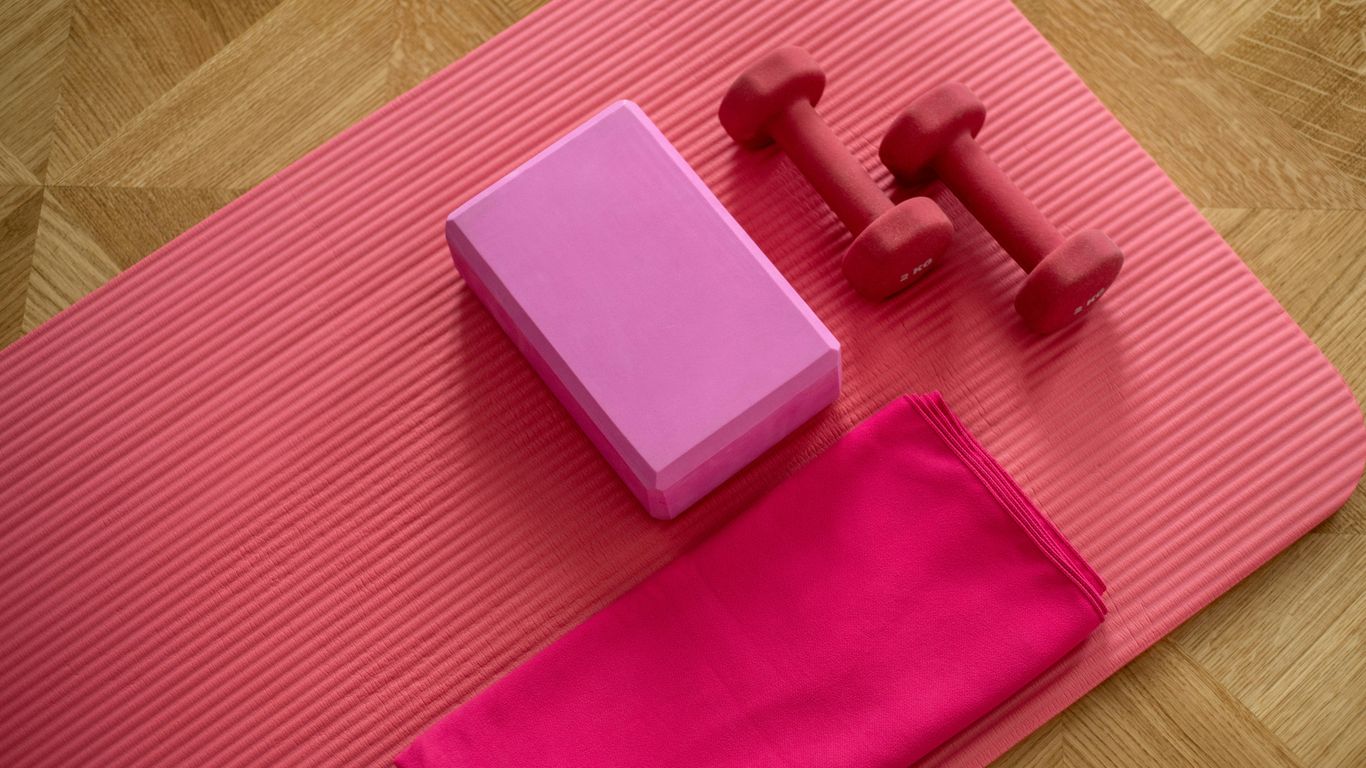
Before buying, search the exact product name or model on the package and compare its usual retail price. Do not assume every marked-down item is a deep discount; some labels describe a suggested price rather than a price you would actually pay elsewhere. Compare dimensions, materials, and included accessories alongside the dollar amount.
A broader TJ Maxx yoga mat comparison can help frame questions about materials, cushioning, durability, and price. Still, the condition of the individual mat in your hands should carry more weight than a general claim about a category.
Factor in durability and replacement costs
Consider how quickly the surface may wear under your usual practice. A mat used daily for power flows needs a different durability standard from one used occasionally for stretching. If the material begins peeling, becomes slippery, or develops permanent dents after a short period, replacing it can erase the original savings.
Keep the receipt and understand the store's return policy before leaving. A return option is useful, but it should not replace a careful inspection.
Evaluate accessories such as straps and carrying bags
An included strap or bag can add real value if you commute with the mat. Check whether the strap adjusts securely and whether the bag is large enough for the rolled mat without forcing the zipper. A small accessory is less useful if it tears, slips, or leaves the mat exposed to dirt.
For context, practical equipment shopping often centers on protecting gear and making transport easier. Even unrelated examples such as event flooring show why portability and surface protection can matter when equipment moves between locations. Apply that thinking narrowly: decide which accessory would genuinely improve your yoga routine.
Recognize when a low price may signal reduced performance
A very low price deserves a closer look, not automatic suspicion. It may reflect seasonal stock, a discontinued color, or a minor packaging flaw, but it can also accompany thin cushioning, weak traction, or damaged construction. Compare the mat's feel and condition with what your practice demands.
If the mat fails a basic test—sliding, peeling, curling badly, or producing an overwhelming odor—leave it behind. The cheapest option is not a value when it interrupts every session.
Choose the right yoga mat materials
Material affects feel, weight, odor, grip, cleaning, and longevity. There is no universal winner because the right choice depends on your priorities and sensitivities. Read the label carefully, especially when a package uses broad terms such as “eco-friendly” without naming the material. A clear description is more useful than a vague promise.
Compare PVC, TPE, rubber, and foam
PVC is often valued for durability and a familiar grippy feel, while rubber can provide strong traction but may be heavier and have a noticeable odor. TPE is generally lightweight and can offer a balance of cushioning and grip. Foam mats are often soft and inexpensive, though they may compress or mark more readily with repeated use.
Treat these as starting points rather than guarantees. The finish, density, and construction can change how a material behaves, so pair the label with a hands-on inspection.
Consider latex sensitivity and other material concerns
If you have a latex sensitivity, look for an explicit latex-free statement instead of guessing from the mat's appearance. You may also want to check for phthalates, dyes, or other substances that matter to you. Keep the packaging until you are sure the material information answers your questions.
A clear label can simplify the decision. If the information is missing or contradictory, choose a different mat rather than relying on a sales tag.
Balance eco-friendly features with performance
Environmental preferences are valid, but a mat still needs to work for the way you practice. Consider durability, cleanability, packaging, and whether the product is likely to remain in use for years. Replacing a poorly suited mat repeatedly can undermine the benefit of an appealing material claim.
The practical question is simple: does the mat meet your performance needs while aligning with the materials you are comfortable bringing home? Both parts belong in the decision.
Understand odor, cleaning, and break-in requirements
New mats can have an initial smell, particularly when sealed in plastic. Ask whether the label recommends airing the mat out before use and whether the surface needs a break-in period to reach its intended grip. Never assume that a strong odor will disappear immediately.
Cleaning directions matter just as much. Some mats tolerate a damp cloth, while others need a mild diluted cleaner and thorough drying. Follow the product label rather than applying a harsh household chemical that could damage the finish.
Care for your TJ Maxx yoga mat
Good care begins with treating the mat as practice equipment, not a permanent floor covering. Sweat, grit, sunlight, and repeated folding can all shorten its useful life. A few consistent habits keep the surface more pleasant and make changes in grip easier to notice. Care also protects the investment when the mat was bought at a discount.
Clean the mat without damaging its surface
Wipe the mat after sweaty sessions with a soft cloth and the cleaner recommended on its label. Avoid abrasive sponges, soaking, and strong solvents unless the manufacturer specifically permits them. Test any unfamiliar cleaning mixture on a small, inconspicuous area first.
Do not roll the mat while it is still damp. Trapped moisture can create an unpleasant smell and may affect some surface finishes.
Dry and store it properly
Let the mat dry fully in a ventilated spot away from intense, prolonged sunlight. Store it loosely rolled with the practice surface facing outward if that is what the care instructions recommend, and avoid placing heavy equipment on top. If you fold a travel mat, follow its natural fold lines rather than forcing a new crease.
A simple storage routine also makes the mat easier to use. When it is ready to grab, you are less likely to skip a session because setup feels like work.
Prevent slipping and premature wear
Practice on a clean, dry floor and keep grit away from the underside. Do not drag the mat across rough pavement, and use a towel when sweat is likely to overwhelm the surface. Rotate the mat occasionally if you always place your hands and feet in the same locations.
If you carry equipment to games or classes, a suitable pickleball accessories collection illustrates the broader value of keeping portable gear organized, though the same idea here is simply to use a clean strap or bag that does not scrape the mat.
Know when it is time to replace the mat
Replace the mat when it stays slippery after cleaning, develops deep tears, sheds material, or no longer lies securely on the floor. Persistent odor, compressed areas, and backing separation are also signs that the surface has passed its useful stage. A worn mat can distract you from movement and may force you to compensate during poses.
Do not wait for complete failure if the mat no longer supports your regular practice. Equipment should make movement easier to manage, not become another problem to work around.
Conclusion
Choosing a TJ Maxx yoga mat is less about finding the most eye-catching roll and more about matching comfort, grip, materials, portability, and condition to your actual routine. Inspect before paying, compare the full value, and care for the mat consistently once it comes home.
Frequently Asked Questions
How thick should a yoga mat be?
A moderate thickness often balances cushioning and stability, while extra thickness can feel more comfortable for floor-based poses. Choose based on your joints, balance needs, and how often you carry the mat.
Is a thicker yoga mat always better?
No. A thicker mat may provide more cushioning but can feel less stable during balance poses and may be heavier to transport. The best thickness is the one that supports your practice without making movement feel unsteady.
What type of yoga mat has the best grip?
Grip depends on the material, texture, moisture, and floor beneath the mat. Look for a surface that feels secure when dry and matches how much you sweat during practice.
How can I tell if a yoga mat is good quality?
Check for even construction, intact edges, a clean backing, consistent texture, and clear material and care information. A quality mat should also lie reasonably flat and remain stable on your floor.
Should I choose rubber, PVC, TPE, or foam?
Each material has trade-offs in weight, cushioning, odor, durability, and environmental impact. Compare the label with your sensitivities and practice habits rather than choosing from the material name alone.
How do I clean a yoga mat?
Use the cleaning method listed on the label, usually involving a soft cloth and a mild approved solution. Avoid soaking or harsh chemicals, and let the mat dry completely before rolling it.
When should I replace my yoga mat?
Replace it when it becomes persistently slippery, tears, peels, sheds material, or no longer lies securely on the floor. Wear that affects your confidence or movement is a practical reason to move on.

