

Exploring the Spectrum: A Comprehensive Guide to Different Types of Yoga
Yoga is a vast practice with so many different types, it can be a bit overwhelming to figure out where to start. Today, we're going to look at Ashtanga yoga, a specific style that's known for its set sequences and dynamic flow. But we'll also touch on how it fits into the bigger picture of yoga and how other styles can help round out your practice. Whether you're a seasoned yogi or just curious, understanding these different type yoga options can help you find what works best for you.
Key Takeaways
- Ashtanga yoga follows a set sequence of postures, linked together with breath and movement, creating an internal heat that purifies the body.
- The practice is guided by Tristhana: focusing on breath (Ujjayi), posture (Asana), and gazing point (Drishti) to build concentration.
- Mysore style classes offer personalized, self-paced practice with individual teacher guidance, while Led classes involve synchronized group movement called out by the teacher.
- Beyond the physical, Ashtanga is rooted in the Eight Limbs of Yoga, which include ethical guidelines, self-discipline, breath control, meditation, and spiritual absorption, offering a holistic approach to life.
- Complementary styles like Yin and Restorative yoga can balance Ashtanga's intensity by focusing on connective tissues and deep relaxation, promoting overall well-being.
Understanding Ashtanga Yoga's Core Principles
Ashtanga yoga is a pretty structured practice, and understanding its main ideas is key to getting the most out of it. It's not just about moving through poses; there's a whole system behind it that connects your body, breath, and mind. The whole point is to build a disciplined practice that leads to inner peace and physical well-being.
The Eight Limbs of Ashtanga Yoga
The name "Ashtanga" itself means "eight limbs" in Sanskrit. These aren't physical parts of your body, but rather eight steps or principles that guide you on the yogic path. Think of them as a framework for living a more mindful and ethical life, both on and off the mat. They were laid out a long time ago by a sage named Patanjali.
Here's a quick look at them:
- Yama: These are ethical guidelines for how we interact with others and the world around us. Things like not harming others, being truthful, and not stealing fall into this category.
- Niyama: These are personal observances, focusing on how we treat ourselves. This includes things like cleanliness, contentment, and self-study.
- Asana: This is what most people think of as yoga – the physical postures. In Ashtanga, these are practiced in specific sequences.
- Pranayama: This is all about breath control. Learning to manage your breath is a big part of calming the mind and building energy.
- Pratyahara: This is about withdrawing your senses from external distractions, turning your focus inward.
- Dharana: This is concentration, focusing your mind on a single point.
- Dhyana: This is meditation, a state of sustained focus.
- Samadhi: This is the ultimate goal, a state of deep absorption or enlightenment.
While modern yoga often emphasizes the physical poses, the eight limbs remind us that yoga is a much broader philosophy for living.
Tristhana: Breath, Posture, and Gazing Point
Within the practice of Ashtanga, there's a specific method called Tristhana. It's the combination of three key elements that work together: your breath, your physical posture (asana), and your gazing point (drishti). When you link these three, you create a powerful internal focus.
- Breath (Ujjayi): You'll hear a distinct sound with the Ujjayi breath, sometimes called the "oceanic breath." It's a steady, audible breath that helps build internal heat and keeps your mind present. It acts like an anchor for your attention.
- Posture (Asana): Ashtanga follows set sequences of poses. Each pose is held for a specific number of breaths, and the transition between them is just as important.
- Gazing Point (Drishti): Each pose has a specific spot to look at – maybe your nose, your navel, or up at the ceiling. This helps to steady your mind and prevent it from wandering.
The Role of Vinyasa and Internal Heat
Another big concept in Ashtanga is Vinyasa. This is the flow between poses, where your breath and movement are synchronized. It's like a dance that links one posture to the next. This continuous movement is what generates internal heat, often called "Agni" or digestive fire. This heat is believed to help purify the body and mind, leading to a cleansing sweat. It's a dynamic process that makes Ashtanga a vigorous practice, but it's all about building that internal energy and focus. Learning about Ashtanga yoga can give you a good sense of this dynamic flow.
Navigating Ashtanga Class Formats
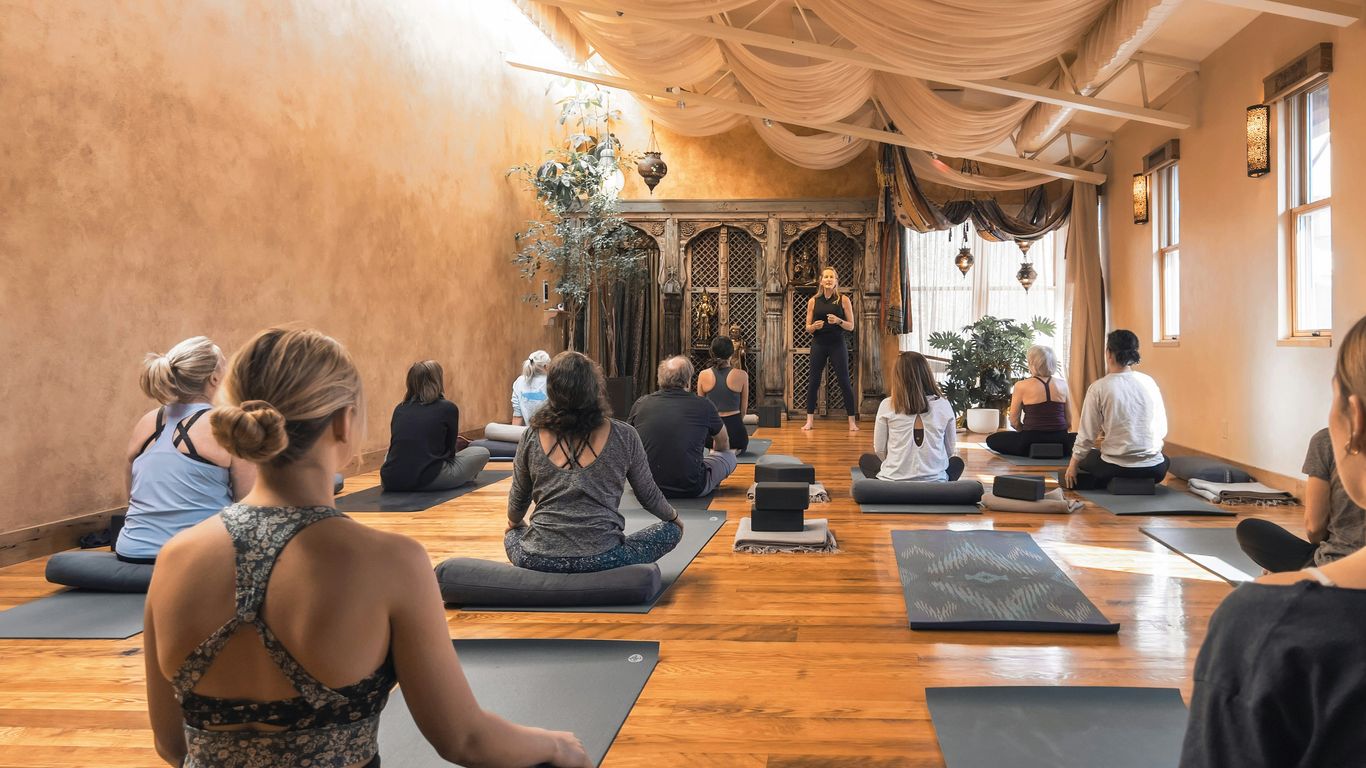
When you first start looking into Ashtanga yoga, you'll notice there are a couple of main ways classes are run. It's not just one-size-fits-all, and knowing the difference can really help you find what works best for you. The two big ones are Mysore style and Led classes.
Mysore Style: Personalized Practice
This is the traditional way Ashtanga is taught. Think of it like this: everyone is in the room, but you're doing your own thing, at your own speed. The teacher is there, walking around, offering individual help and adjustments. You memorize the sequence of poses, and you move through it as you learn it. It’s a really personal journey with a guide nearby. Beginners often find this format super helpful because you're not trying to keep up with a group. You can take your time with each pose before moving on. The practice time can vary a lot, from about 40 minutes for newcomers to over an hour for those who have been doing it for a while. You can usually drop in during a set window of time, which is pretty convenient.
Led Classes: Synchronized Group Flow
Led classes are different. Here, the teacher calls out the poses and the breath counts, usually in Sanskrit. Everyone moves together, breathing and flowing as a group. It’s a much more synchronized experience. These classes are pretty dynamic and work best if you already have some familiarity with the Ashtanga sequence. It’s a great way to refine your rhythm and keep your focus sharp when you're moving with others. You can find out more about the Primary Series which is often taught in led classes.
Choosing the Right Format for You
So, which one is better? Honestly, it depends on what you're looking for. If you like a more independent, self-paced approach with lots of individual attention, Mysore is probably your jam. It lets you really absorb the practice without feeling rushed. If you enjoy the energy of moving with a group and want to work on synchronizing your breath and movement with others, a Led class might be more your speed. Many people find that doing a mix of both works well for them. You get the personalized attention of Mysore and the group energy of Led classes. It's all about finding what helps you connect with your practice.
The Ashtanga system is built on a set sequence of poses. This means that once you learn a pose, it stays the same. The progression comes from deepening your connection to the breath, refining your posture, and increasing your focus on the gazing point. It’s a practice that rewards consistency and patience.
Here's a quick look at how they stack up:
| Feature | Mysore Style | Led Class |
|---|---|---|
| Pace | Self-paced | Group-paced |
| Instruction | One-on-one guidance | Group verbal cues |
| Sequence | Memorized by student | Called out by teacher |
| Suitability | All levels | Experienced |
| Start Time | Flexible window | Fixed start time |
| Duration | Varies | Fixed duration |
Beyond the Physical: The Deeper Aspects of Yoga
While the physical postures, or asanas, are often what draw people to yoga, they're really just the starting point. Ashtanga, like many yoga traditions, has a whole lot more going on beneath the surface. It's about building a stronger connection between your mind, body, and spirit. Think of the physical practice as a way to prepare yourself for the subtler work that follows.
Ethical Guidelines and Personal Disciplines
The first two limbs of Ashtanga, the Yamas and Niyamas, are all about how we interact with the world and ourselves. They're not just abstract ideas; they're practical guidelines for living a more mindful and ethical life. The Yamas focus on how we treat others – things like non-violence (ahimsa) and truthfulness (satya). The Niyamas, on the other hand, are about our inner world – practices like contentment (santosha) and self-study (svadhyaya).
- Ahimsa (Non-violence): This means being kind not just to others, but also to yourself. It's about avoiding harm in your thoughts, words, and actions.
- Satya (Truthfulness): Being honest about what you think, say, and do. This doesn't mean being blunt, but rather speaking with integrity.
- Santosha (Contentment): Learning to be happy with what you have, rather than constantly comparing yourself to others.
- Tapas (Discipline): Building inner strength through consistent effort and practice, whether on or off the mat.
- Svadhyaya (Self-study): Taking time to reflect on your experiences and learn from them. Journaling can be a great tool here.
These principles aren't meant to be rigid rules, but rather gentle reminders to live with more awareness and compassion. They help create a solid foundation for everything else in your practice.
Breath Control and Sense Withdrawal
Once you start getting comfortable with the physical poses, you begin to explore Pranayama, which is breath control. It's not just about breathing deeper; it's about using your breath to calm your mind and direct your energy. Following that, there's Pratyahara, or sense withdrawal. This is where you learn to turn your attention inward, away from the distractions of the outside world. It’s like learning to quiet the noise so you can hear your own inner voice more clearly. You might notice this happening naturally during Savasana (Corpse Pose), when you're lying still and aware, but not really reacting to your surroundings.
Concentration, Meditation, and Spiritual Absorption
As you get better at controlling your breath and withdrawing your senses, you naturally move towards Dharana (concentration) and Dhyana (meditation). Dharana is about focusing your mind on a single point, like your breath or a mantra. Dhyana is when that focus becomes effortless, and you enter a state of sustained meditation. The ultimate goal, Samadhi, is a state of profound peace and oneness. While it might sound lofty, moments of deep clarity and joy during your practice can be glimpses of this state. Regular practice can lead to improved mental well-being and a greater sense of inner calm.
Complementary Yoga Styles for a Balanced Practice
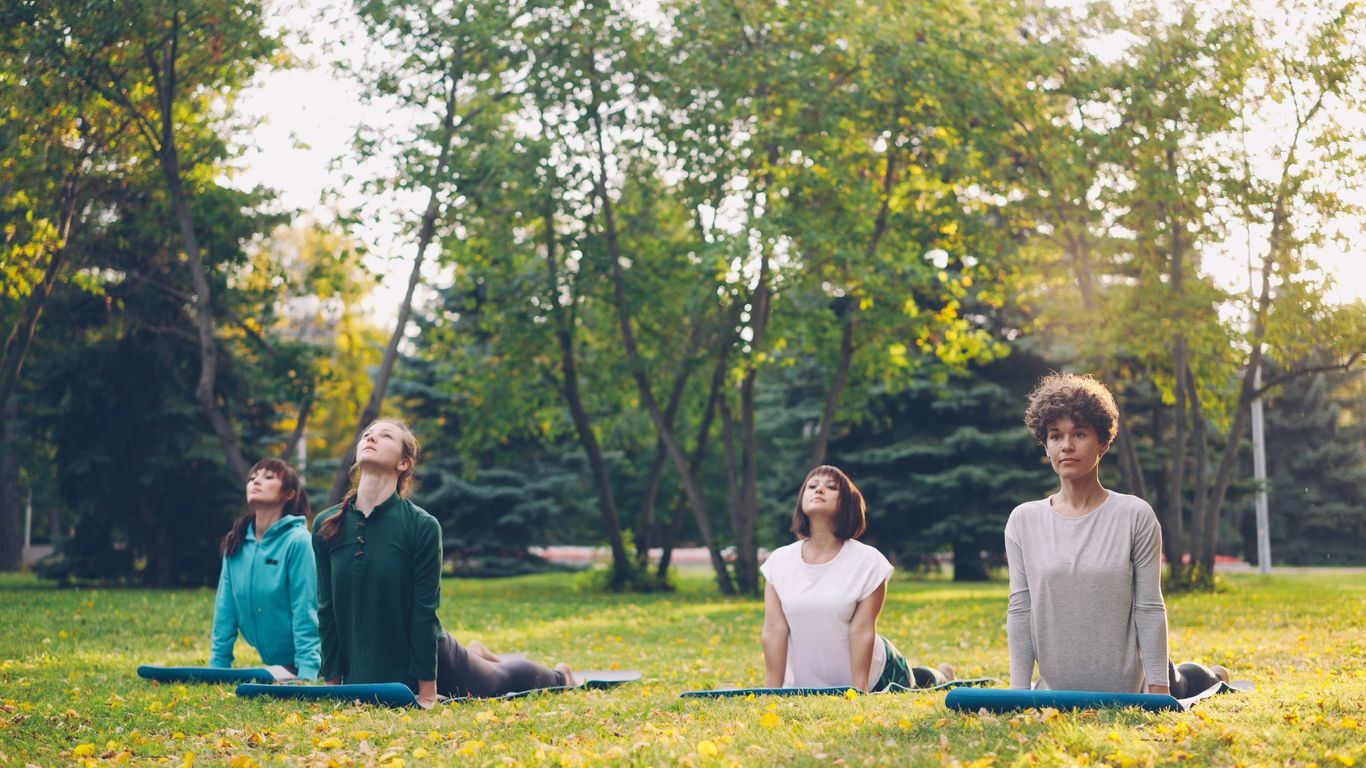
Ashtanga yoga is fantastic for building strength and discipline, but it can be pretty intense. To really get the most out of your yoga journey and avoid burnout, it's smart to mix in some other styles. Think of it like cross-training for your body and mind. Adding different types of yoga can help you recover, become more flexible, and just generally feel more balanced.
Yin Yoga for Connective Tissues
Yin yoga is the opposite of Ashtanga's fast pace. Instead of moving through poses, you hold them for a long time, usually 3 to 5 minutes, sometimes even longer. This targets the deep connective tissues in your body – things like your ligaments, joints, and fascia. It's not about building muscle; it's about increasing flexibility and improving joint mobility. This slow, passive stretching can feel really intense in a different way than Ashtanga, but it's incredibly beneficial for opening up areas that Ashtanga might not reach. It’s a great way to complement the more active, muscular work of Ashtanga, helping to prevent stiffness and improve your range of motion over time. You might find that holding poses in Yin yoga helps you access deeper versions of poses in your Ashtanga practice.
Restorative Yoga for Deep Relaxation
If Ashtanga gets you fired up, Restorative yoga is like a cool-down for your entire system. The whole point here is to relax. You use props like bolsters, blankets, and blocks to support your body in gentle poses, so you don't have to exert any effort. Poses are held for extended periods, allowing your nervous system to switch from 'fight or flight' mode to 'rest and digest.' This style is amazing for reducing stress, calming the mind, and promoting physical healing. It's perfect for days when your body feels tired or when you just need to recharge. A regular Restorative practice can help manage anxiety and improve sleep quality, making your Ashtanga practice feel more sustainable.
Integrating Different Types of Yoga for Holistic Health
So, how do you put it all together? It’s not about choosing one style over another, but about creating a routine that serves your whole self. You could do Ashtanga a few times a week to build heat and strength, then incorporate Yin yoga on another day to work on flexibility and joint health. Maybe you finish your week with a Restorative session to truly unwind. This kind of balanced approach helps prevent injuries, keeps your practice fresh and interesting, and supports your overall well-being. It’s about listening to your body and giving it what it needs on any given day. For example, if you're looking to improve your stability, incorporating poses that build balance can be very helpful in your overall practice.
The key is to see these different styles not as separate entities, but as pieces of a larger puzzle. Each offers unique benefits that can support and deepen your experience with Ashtanga, leading to a more resilient and well-rounded physical and mental state. It’s about finding a rhythm that works for you, honoring your body’s signals, and cultivating a practice that sustains you long-term.
Essential Etiquette for Ashtanga Practice
When you step onto the mat for Ashtanga, you're joining a tradition that values respect and mindful presence. It's not just about the poses; it's about how you approach the practice and share the space with others. Think of it as a quiet agreement among practitioners to keep the energy focused and calm.
Honoring Moon Days and Practicing on an Empty Stomach
Ashtanga yoga has a special relationship with the lunar cycle. Traditionally, classes are not held on full moon and new moon days. These are seen as natural rest days, a time to honor the body's rhythms and avoid pushing too hard. It’s a good reminder that rest is just as important as movement. Also, it's best to practice on an empty stomach. This usually means waiting at least two to three hours after your last meal. Practicing on a full stomach can feel uncomfortable, especially with the dynamic nature of Ashtanga, and it can disrupt the internal heat that builds during the practice.
Maintaining a Focused Environment
Keeping the practice space serene is key. This means arriving a few minutes early for led classes so you can settle in without rushing. When you're in the room, try to move quietly and keep conversations to a minimum. The practice room is a space for internal focus, not social chatter. This applies to electronics too – make sure your phone and any smartwatches are silenced or turned off completely. It’s also a good idea to avoid strong scents from perfumes or lotions, as these can be distracting to others. Using a yoga mat towel or a Mysore rug is helpful for managing sweat and keeping your mat clean, especially during more vigorous sessions.
Hydration and Gear Recommendations
Hydration is important, but timing is everything in Ashtanga. It's generally recommended to drink water after your practice, rather than during. This helps maintain the internal heat, known as Agni, which is believed to aid in detoxification. For your gear, a non-slip mat is a must. Many practitioners also use a dedicated yoga mat towel or a Mysore rug to absorb sweat and provide a cleaner surface. Comfortable, breathable clothing that allows for a full range of motion is also a good idea. Remember, the goal is to feel comfortable and unhindered as you move through the sequence.
Following these simple guidelines helps create a respectful and supportive atmosphere for everyone. It allows each person to connect more deeply with their own practice without unnecessary distractions. It’s about showing up prepared and mindful, ready to engage with the discipline of Ashtanga.
Finding Your Path on the Mat
So, we've looked at a bunch of different yoga styles, from the super structured Ashtanga to the really chill Restorative. It can feel like a lot, right? But the main thing to remember is that yoga isn't a one-size-fits-all deal. What works for your friend might not be your jam, and that's totally okay. Whether you're after a serious sweat session, a way to calm your mind, or just something to help you touch your toes, there's a yoga out there for you. Don't be afraid to try a few different things, listen to your body, and just go with what feels good. The most important part is showing up on your mat and doing the work, whatever that looks like for you.
Frequently Asked Questions
What's the main difference between a Mysore class and a Led class in Ashtanga?
In a Mysore class, you practice the yoga poses on your own, at your own speed, and the teacher helps you one-on-one. In a Led class, the teacher calls out all the poses and movements, and everyone does them together at the same time. Mysore is great for learning step-by-step, while Led classes help you keep a good rhythm.
Why do Ashtanga classes usually take a break on full and new moon days?
It's a tradition to rest on these days to honor the natural energy cycles of the moon. The idea is that the moon affects our bodies, and taking a break helps prevent injuries and encourages us to listen to our bodies.
Can someone who has never done yoga before start with Ashtanga?
Absolutely! Ashtanga, especially in the Mysore style, is very beginner-friendly because you get personal help. You learn each pose slowly and build up your strength and flexibility over time. It's a great way to start a yoga journey.
How does Ashtanga yoga help with more than just physical fitness?
Ashtanga yoga is about more than just the poses. It teaches you to focus your mind, control your breath, and live by certain ethical rules. It helps calm your mind, improve your focus, and can bring a sense of peace to your daily life.
What is 'Tristhana' in Ashtanga yoga?
Tristhana is like the heart of Ashtanga yoga. It means combining three things: your breath (how you breathe), your posture (how you hold your body), and your gazing point (where you look). When you link these three, your practice becomes more focused and powerful.
Is it okay to drink water during an Ashtanga yoga class?
It's generally recommended to avoid drinking water during the practice itself. The idea is to build internal heat, which helps cleanse your body. It's best to drink water before and especially after your practice to stay hydrated.


