

Your First Flow: Essential Yoga Videos for Beginners
Getting into yoga can feel a bit daunting, especially when you're just starting out. There are so many videos out there, it's hard to know where to begin. But don't worry, we've got you covered. This guide is all about finding the right yoga videos for beginners to help you get moving and feeling good. Whether you have 10 minutes or 30, there's a flow for you. Let's make yoga simple and accessible, right from your own space.
Key Takeaways
- Start with short, gentle yoga videos for beginners to get a feel for the practice.
- Focus on simple movements and clear instructions in your first sessions.
- Don't worry about fancy gear; a yoga mat is usually all you need to begin.
- Listen to your body and modify poses as needed, especially when you're new.
- Explore different types of yoga videos for beginners, like slow flow or restorative, to find what works best for you.
Getting Started With Beginner Yoga Videos
So, you're thinking about trying yoga, huh? That's awesome! It can feel a little daunting at first, especially with all the different styles and poses out there. But honestly, starting with online videos is a super accessible way to begin. You don't need fancy gear or a studio membership to get going. The most important thing is just showing up for yourself.
Understanding Yoga Fundamentals
Before you jump into a video, it helps to know a few basics. Yoga isn't just about stretching; it's a practice that connects your mind and body. You'll hear a lot about breath, or 'pranayama,' and how it guides your movements. Alignment is also key – it's about setting up your body in a way that's safe and effective for each pose. Don't worry about being perfect; it's about finding what feels right for your body today.
What to Expect in Your First Session
Your first few video sessions might feel a bit awkward, and that's totally normal. You'll likely start with some gentle warm-ups, move through a series of basic poses (asanas), and finish with a period of rest, often called Savasana. The instructor will guide you through each step, and they usually offer modifications, which are ways to adjust poses if they're too difficult or if you have any physical limitations. You might feel a little sore afterward, especially if you're new to movement, but it's usually a good kind of sore.
Essential Gear for Your Practice
When it comes to gear, you really don't need much to start. A yoga mat is pretty helpful to give you some cushioning and grip, preventing slips. You can find decent ones without breaking the bank. Beyond that, comfortable clothing that allows you to move freely is a must. Some people like to use yoga blocks or straps to help them get into certain poses, but these aren't necessary when you're just beginning. You can often use household items like books or a belt as substitutes. For a truly beginner-friendly experience, check out a routine specifically designed for absolute beginners.
Remember, yoga is a personal journey. What works for one person might not work for another. Be patient with yourself and celebrate the small victories, like holding a pose a little longer or feeling more relaxed after a session.
Foundational Flows for New Yogis
When you first start yoga, everything can feel unfamiliar—the movements, the pacing, when to breathe. But there are beginner yoga flows designed to help you feel comfortable and confident from the start. Consistent, simple routines lay down the groundwork for your practice to grow. Let's look at a few flows that let you ease in and notice what your body can do, without making things complicated.
10 Minute Gentle Yoga for Beginners
If you only have a short window to fit in yoga, a 10-minute gentle routine can offer real benefits. Here's what you might expect:
- Slow transitions between mostly floor-based poses, giving you time to adjust and breathe.
- Simple alignment tips for classic beginner poses like Cat-Cow, Child’s Pose, or gentle twists.
- Focus on feeling where your body is—no need to keep up with anyone else.
Try making this quick session a regular part of your week. Even a few minutes can add up and make a difference in how you move and feel.
To read more about basic poses and structure, explore these 12 fundamental yoga poses often included in beginner practices.
15 Minute Gentle Yoga Flow
Ready for a little more movement? This flow often starts with neck and shoulder stretches and gradually adds in some active poses to wake up your body:
- You’ll usually explore gentle standing movements, but nothing intense or rushed.
- Options for easier versions are always given, and you’re invited to go at your own speed.
- Many find that just this short routine noticeably releases tension, especially after a day of sitting.
A gentle background soundtrack and the invitation to modify moves make this kind of class welcoming to all.
Easy Yoga Stretch for Tension Relief
Some days, all you want is to stretch out and let go of built-up tension. Easy yoga stretch videos usually focus on:
- Full-body stretches, often performed on your back or seated.
- Guided instructions to move at your own pace, sometimes replacing classic moves with whatever feels best.
- Encouragement to listen to your body—if moving your hips in a circle is what you need, that’s what you do.
Here’s what you might notice after a few sessions:
| Session Length | Key Focus | Typical Benefits |
|---|---|---|
| 10 minutes | Stretch & Ease | Reduced tightness, calm |
| 15 minutes | Gentle Flow | Loosened muscles, steady |
Many beginners find these foundational flows provide the best introduction. You don’t need to be flexible or strong—just show up and follow along. If you want approaches that break down movement even further, check out the Beginner Flow Foundations series for more support as you get started.
Exploring Vinyasa and Feel-Good Practices
If you feel ready to step beyond gentle stretches and want something a little more energetic but still totally doable, vinyasa and feel-good yoga flows are a great step up. This section breaks down a few beginner-friendly classes that are easy to follow, fun, and surprisingly rewarding, especially when you want a bit more movement without feeling out of your depth.
30-Minute Yoga for Beginners
This 30-minute practice is a gentle introduction to vinyasa—the style where you link your movement with your breath and move from one pose to another. It’s active, but you won’t be rushed. The teacher usually reminds you to breathe and rest when you need to. Expect basic postures like Downward Dog, Warrior 1, and simple core work near the end.
Benefits of a 30-Minute Flow:
- Gives you enough time to get warm and actually settle in—no need to hurry
- Lets you try a wide range of beginner poses
- Helps you learn how to link breath and movement without overwhelm
Even if you’re brand new, these longer classes can leave you feeling accomplished and calmer, even on a hectic day.
Yoga Flow for Beginners
If you ever found regular classes move too fast, look for an intro flow designed for newcomers. These classes focus on slow, clear transitions between poses, often giving you space to figure things out before moving on. You get to use props or blocks if you have them—think of it as a gentle way to learn how one pose connects to the next, using practical props when needed.
Sections commonly included:
- Warm-up (with breath and stretches)
- Standing poses, one at a time, with detailed explanations
- Use of props for support where needed
- Cooling down with ease
A great example video can be found in this curated yoga video selection for beginners.
Feel-Good Flow and Stretch
Not every yoga session is about intensity. Sometimes the best flows are the ones that just feel good—where you move slowly, focus on how your body feels, and don’t worry much about how you look. This type of session will often begin with simple warm-ups and gradually include classic poses like Warrior 2, Triangle, and maybe some balancing postures, but always with the option to modify.
Key traits of a "feel-good" beginner flow:
- The teacher encourages you to move at your own pace
- Lots of reminders to check in with how your body feels in each shape
- Poses are held long enough to feel the stretch and get comfortable
And if you’re interested in learning more about the vinyasa style, there are also some beginner-focused vinyasa series that explain how to link your breath and movement from the ground up.
Overall, these flows help you build confidence, find your pace, and start to enjoy moving your body in a way that feels just right for you. There’s no rush—just show up, breathe, and let each pose teach you something new about your practice.
Deepening Your Practice
Focusing on Breath and Alignment
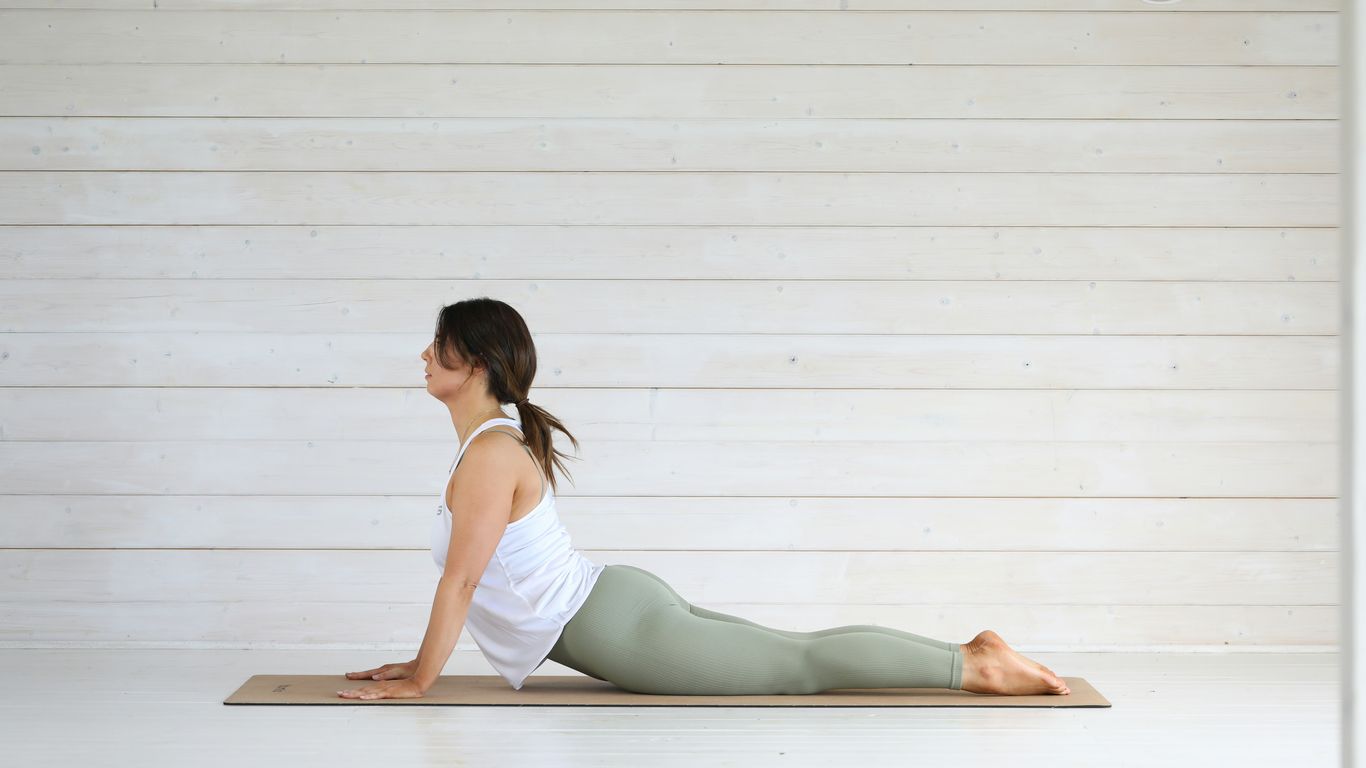
As you get more comfortable with the basic movements, it’s time to really pay attention to the details. Yoga isn't just about striking a pose; it's about how you get there and how you feel while you're there. Your breath is your guide. Try to sync your inhales and exhales with your movements. For example, inhale as you lift your arms, and exhale as you fold forward. This connection between breath and body helps calm your mind and makes the poses feel more fluid. Don't worry if you don't get it perfect right away; it takes practice. Paying attention to alignment means making sure your body is in the right position to get the most benefit and avoid strain. This might mean adjusting your feet a little wider in a standing pose or making sure your knee is stacked over your ankle in a lunge. Videos that offer cues on alignment are super helpful here.
Modifying Poses with Props
Sometimes, a pose just doesn't feel right, or you can't quite reach the full expression. That's totally okay! Props like blocks, straps, and blankets are your best friends. They aren't a sign of weakness; they're tools to help you find the right shape for your body. For instance, if you can't touch the floor in a forward fold, placing your hands on yoga blocks can bring the ground closer to you. A strap can help you reach your foot in a seated stretch if your hamstrings are tight. Using props allows you to experience the benefits of a pose safely and comfortably, even if your flexibility isn't there yet. It's all about making the practice work for you, not the other way around. You can learn key techniques and gradually build strength over time with this guide discover yoga poses tailored to your skill level.
Listening to Your Body's Needs
This is perhaps the most important part of deepening your practice. Your body will tell you what it needs if you just listen. Some days you might feel energetic and ready for a more challenging flow, while other days call for rest and gentle movement. Don't push yourself into pain. If something feels sharp or uncomfortable, back off. It's perfectly fine to skip a pose or take a modification. Remember, yoga is a personal journey. What works for one person might not work for another, and what works for you today might be different tomorrow. Embrace the variations and modifications offered in videos; they are there to support your unique practice. For example, if a pose like Pyramid pose feels too intense, you can always modify it to suit your current flexibility Pyramid pose is a key intermediate yoga posture.
Yoga is not about competition or perfection. It's about showing up for yourself, being present, and moving with kindness. Every body is different, and every day is different. Honor that.
Choosing the Right Yoga Videos for Beginners
So, you've decided to give yoga a try with online videos. That's awesome! But with so many options out there, how do you pick the ones that are actually good for someone just starting out? It can feel a bit overwhelming, I get it. Think of it like picking a recipe when you're new to cooking – you want something straightforward, with clear instructions, and that won't leave you with a mess.
Slow Flow for Learning Poses
When you're brand new, trying to keep up with a super fast-paced flow can be frustrating. You might end up just trying to copy movements without really understanding what you're doing or why. That's where slow flow videos come in handy. They give you the time to actually see what the instructor is doing, hear the cues about how to position your body, and feel the pose. It's like learning the alphabet before trying to write a novel. You'll find that these slower practices often focus on basic poses and give you plenty of chances to get them right. Look for videos that explicitly say "for beginners" or "slow flow." Many instructors, like Yoga With Adriene, have specific videos designed to introduce you to the basics of vinyasa, which links poses together, giving you time to adjust between movements. It's a great way to build a solid foundation.
Restorative Yoga for Relaxation
Sometimes, the goal isn't to break a sweat or master a complex pose. Maybe you're just looking to unwind after a long day, ease some muscle tension, or simply find a moment of calm. That's where restorative yoga shines. These practices are all about gentle stretching and deep relaxation. They often use props like blankets and pillows to support your body in comfortable positions for longer periods. It's less about active movement and more about passive release. Think of it as a guided meditation for your body. If you're feeling stressed or just need to decompress, a restorative session can be incredibly helpful. You can find some great morning yoga videos that incorporate these relaxing elements to start your day peacefully.
Hatha Yoga for Deliberate Movement
Hatha yoga is often a good middle ground for beginners. It typically involves holding poses for a few breaths, which allows you to focus on proper alignment and the sensations in your body. Unlike a fast vinyasa flow, Hatha classes tend to be more deliberate and less about continuous movement. This style is excellent for building strength and flexibility while also paying attention to your breath. Many instructors offer Hatha classes specifically for beginners, breaking down each pose with clear instructions. It’s a style that really helps you connect with the physical aspects of the practice. You can find a wide variety of instructors and styles on platforms like YouTube, with channels like Yoga With Tim offering accessible routines.
When choosing a video, don't be afraid to try a few different instructors and styles. What works for one person might not be the perfect fit for another. Pay attention to how you feel during and after the practice. Are you feeling more relaxed? Energized? Less tense? Your body will often tell you what it needs.
Ready to Flow?
So there you have it – a few solid ways to get started with yoga right from your living room. Remember, the most important thing is just to begin. Don't worry about getting every pose perfect or keeping up with the instructor. These videos are here to help you find your rhythm and connect with your body. Take your time, listen to what feels right for you, and enjoy the process. You've got this!
Frequently Asked Questions
Do I need special gear to start yoga?
Not really! You can totally start with just some comfy clothes and enough space to move around. A yoga mat is super helpful for grip and cushioning, but if you don't have one, a rug or even a towel can work in a pinch. Some people like using things like books or pillows to help them with certain poses, which is totally fine too!
What should I wear for my first yoga video?
Wear whatever makes you feel comfortable and allows you to move freely. Think stretchy pants or shorts and a t-shirt or tank top. The most important thing is that your clothes aren't too tight or too loose, so you can focus on your poses, not your outfit. And definitely go barefoot – no shoes or socks needed!
What happens in a beginner yoga video?
Most beginner yoga videos start with a gentle warm-up to get your body ready. Then, you'll move through a series of simple poses, often linked together with your breath. The instructor will guide you with clear instructions on how to get into each pose and how to breathe. Don't worry if you can't do every pose perfectly; the goal is to explore and feel good in your body.
How often should I do yoga videos?
Consistency is key! Even doing a short 10-minute video a few times a week can make a difference. Many people find it helpful to practice daily, even if it's just for a short time. Listen to your body – if you feel good doing a video every day, go for it! If you need rest days, that's perfectly okay too.
What if I can't do a pose the way the instructor shows it?
That's completely normal! Yoga is about working with your own body. If a pose feels too hard or causes discomfort, there are usually easier ways to do it, or you can skip it. Many videos offer modifications, and using props like blocks or pillows can help. The most important thing is to honor your body and do what feels right for you.
Why is breathing so important in yoga?
Breathing is a huge part of yoga! It helps connect your mind and body, calms your nervous system, and can even help you move more smoothly between poses. You'll often hear instructors talk about inhaling and exhaling at specific times. Paying attention to your breath can make your practice feel more mindful and relaxing.


