

How to Train to Be a Yoga Instructor: A Comprehensive Guide
Thinking about how to train to be a yoga instructor? It's a path many people consider, and for good reason. Teaching yoga can be really rewarding, helping others find some peace and strength. Whether you're already deep into your practice or just starting to explore, this guide is for you. We'll break down what you need to know to get started on this journey.
Key Takeaways
- Figure out why you want to teach yoga. Your reasons will guide you through the training and beyond.
- Look into different yoga teacher training programs. Check out what they teach, how long they are (like 200-hour or 500-hour), and if they're local, online, or overseas.
- Understand what's covered in training: yoga history, how the body works (anatomy), and how to actually teach classes.
- After training, get practical experience. Teach friends, family, or offer free classes to build confidence and skill.
- Once you're ready, start looking for places to teach, whether it's studios, gyms, or even online, and think about what makes you unique as a teacher.
Understanding Your Motivation To Train To Be A Yoga Instructor
So, you're thinking about becoming a yoga teacher. That's awesome! But before you even look at training programs, let's get real about why you want to do this. It's not just about striking a perfect Warrior II pose or knowing all the Sanskrit names. Figuring out your 'why' is the bedrock of this whole journey. It's going to keep you going when things get tough, and trust me, they sometimes do.
Exploring Personal And Spiritual Growth
Lots of people start teacher training because they want to go deeper with their own practice. Maybe you've been doing yoga for a while and feel like there's more to it than just the physical stuff. You might be curious about the philosophy behind yoga, the meditation side, or how it can help you feel more centered in your everyday life. This training is a fantastic way to explore that. It's like getting a backstage pass to yoga's deeper workings, not just for teaching, but for your own life too. It's a chance to really connect with yourself on a level you might not have before. This training is ideal for those seeking to solidify their commitment to yoga and gain the confidence to share its benefits with others [66d5].
Aligning Your Aspirations With Your Path
Think about what you hope to get out of teaching. Do you want to help people manage stress? Are you passionate about making yoga accessible to everyone, regardless of their fitness level? Or maybe you're looking for a career change that feels more meaningful. Whatever it is, make sure your training choice lines up with those goals. For instance, if you're really into the spiritual side, you'll want a program that emphasizes philosophy and meditation. If you're more focused on the physical aspects and anatomy, look for a program that really digs into that. It's about making sure the path you choose actually leads you where you want to go.
The Transformative Journey Of Becoming A Yoga Teacher
Becoming a yoga teacher is more than just a job; it's a personal transformation. You'll learn a lot about yoga, sure, but you'll also learn a ton about yourself. You'll probably step outside your comfort zone, face challenges, and discover strengths you didn't know you had. It's a process that can change how you see the world and your place in it. The training itself is a big part of this, offering a supportive environment to explore yoga's philosophy and techniques, helping you grow both personally and as an instructor.
Here are some common motivations:
- Deepening Personal Practice: Wanting to understand yoga on a more profound level.
- Sharing the Gift: Feeling a calling to help others experience yoga's benefits.
- Self-Discovery: Using yoga as a tool for personal growth and self-awareness.
- Health and Wellness: Inspiring a healthier lifestyle for yourself and others.
- Career Change: Seeking a fulfilling career that aligns with your passion.
The decision to become a yoga instructor is deeply personal and often rooted in a combination of physical, mental, emotional, and spiritual aspirations. It's a path that can lead to significant personal growth and a more meaningful way of life.
Choosing The Right Yoga Teacher Training Program
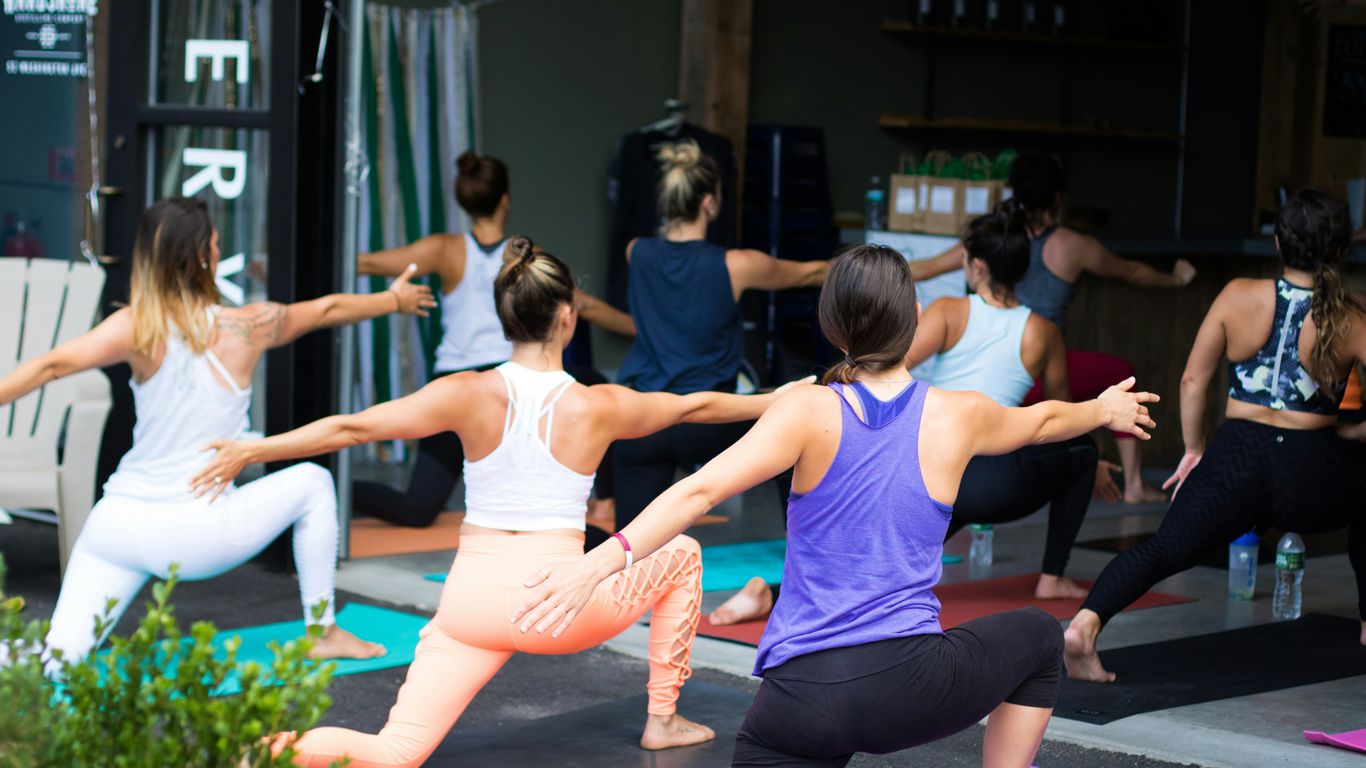
So, you've decided you want to teach yoga. That's awesome! But before you start planning your first class, you need to pick the right training program. This isn't a small decision; it's a big one that sets the stage for your whole teaching journey. Think of it like choosing a college major – you want something that fits you, right?
Evaluating Training Program Syllabi
When you look at different training programs, the first thing you should check out is what they actually teach. This is usually laid out in the syllabus. Don't just skim it; really read through what topics are covered. Are you interested in the history and philosophy of yoga, or are you more focused on the physical poses and anatomy? Some programs might be really heavy on chanting and meditation, while others focus more on alignment and sequencing for different body types. It's important that the curriculum speaks to your interests and what you hope to get out of the training. You want to make sure the program covers the basics like anatomy, physiology, and teaching methodology, but also touches on areas that excite you personally. If a program seems vague about its syllabus, that might be a red flag.
Understanding 200-Hour And 500-Hour Certifications
Most people start with a 200-hour training. This is like the foundation. It covers all the core stuff you need to know to start teaching. After you've got your 200-hour certificate and some teaching experience, you can go for a 500-hour training. This one goes deeper into things like advanced anatomy, teaching different populations, and refining your sequencing skills. It's not just about more hours; it's about more depth. Some people might jump straight into a 500-hour program if they're really serious about a deep dive, but for most, the 200-hour is the way to go first. It's a big commitment, so think about what level of training feels right for you right now.
Here's a quick look at what each typically covers:
- 200-Hour Training:
- Basic yoga philosophy and history
- Foundational anatomy and physiology
- Asana (pose) breakdown and alignment
- Introduction to pranayama (breathing techniques)
- Basic teaching techniques and practice teaching
- Ethics for yoga teachers
- 500-Hour Training:
- Advanced anatomy and biomechanics
- In-depth yoga philosophy and spiritual aspects
- Advanced sequencing and thematic class planning
- Specialized populations (e.g., prenatal, seniors)
- Business of yoga and marketing
- Refining teaching voice and style
Exploring Local, Overseas, And Online Training Options
Where you do your training matters too. You can find programs right in your own town, which is super convenient. You save money on travel and accommodation, and you can often keep up with your regular life more easily. Then there are overseas trainings, often called 'destination trainings.' These can be amazing because you get to immerse yourself completely in yoga, often in beautiful places. It's a big adventure, but it can be pricey and requires taking significant time off. Finally, online training has become really popular. It offers a lot of flexibility, letting you study on your own schedule from anywhere. This can be a great option if you have a busy job or family commitments. However, you miss out on the in-person community feel and direct feedback you get from being in a room with a teacher and other students. Each has its pros and cons, so think about what fits your budget, your schedule, and your learning style best. The cost of these programs can really vary, with some training programs costing over $5,000. It's worth looking into programs like Soma Yoga Institute to see what they offer, whether online or in person.
Choosing a training program is a personal journey. Don't just pick the cheapest or the closest one. Think about the teachers, the style of yoga, the program's vibe, and whether it feels like a good fit for your own practice and your goals for teaching. It's a significant investment of time and money, so make sure it's one you feel good about.
Key Components Of Yoga Teacher Training
So, you're thinking about becoming a yoga instructor. That's awesome! But before you start planning your first class, let's talk about what actually goes into a good yoga teacher training program. It's not just about knowing a bunch of poses; it's a much deeper dive than that. A solid training program will give you the tools to teach safely and effectively.
Exploring Yoga's Philosophical And Historical Roots
Yoga isn't just about stretching. It's got a whole history and a bunch of ideas behind it that are pretty interesting. Your training will likely cover where yoga came from, looking at old texts like the Yoga Sutras and the Bhagavad Gita. You'll learn about different types of yoga and how people used to live and practice. It helps you understand the 'why' behind the poses and the whole practice. It's like learning the backstory before you jump into the main story.
Mastering Anatomy And Physiology For Safe Instruction
This part is super important. You need to know how the human body works, especially when people are doing all sorts of shapes on the mat. Training programs will teach you about bones, muscles, and how everything moves. This knowledge helps you guide your students so they don't hurt themselves. You'll learn about proper alignment and how to suggest modifications for people who might have different bodies or injuries. Think of it as becoming a knowledgeable guide for your students' physical journey.
Developing Effective Teaching Methodologies
Knowing anatomy is one thing, but actually teaching it is another. This is where you learn the art of instruction. You'll figure out how to plan a class, sequence poses logically, and use your voice to give clear instructions. You'll also learn how to offer hands-on adjustments (if that's your style) and how to make everyone in the room feel welcome and comfortable. It's about building confidence in your ability to lead a class that flows well and makes sense for everyone involved. A good program will also touch on the business side of things, like ethics and managing a class. You can find programs that focus on effective cueing and instruction techniques.
Gaining Practical Teaching Experience
Theory is great, but you really learn by doing. Most good teacher trainings will give you plenty of chances to practice teaching. You'll probably teach short sequences to your classmates and get feedback. This is where you start to put everything together. You'll learn how to handle nerves, how to adjust your teaching on the fly, and how to connect with your students. It's the part where you really start to feel like a teacher. This hands-on part is often considered one of the essential pillars of yoga teacher training, alongside study and community.
Achieving Yoga Teacher Certification
So, you've finished your training program. That's a huge accomplishment! But what's next? Getting your official certification is the next step to actually teaching. It's not always a strict legal requirement everywhere, but most studios and centers really want to see it. It shows you've put in the work and met a certain standard. Think of it as your professional stamp of approval.
The Role of Yoga Alliance Accreditation
When you're looking at training programs, you'll probably see "Yoga Alliance" mentioned a lot. This organization is pretty much the main body that sets the standards for yoga teacher training programs worldwide. They accredit schools and register teachers. Getting certified through a program that's registered with Yoga Alliance means your credential will be recognized by a lot of places. It's a good idea to look for schools that are Registered Yoga Schools (RYS). This way, you know the training meets their guidelines. Yoga Alliance is dedicated to making yoga accessible and welcoming to everyone. They support yoga teachers, schools, and advocates in their efforts to broaden access and cultivate inclusive communities within the yoga world. Yoga Alliance is a big deal in the yoga community.
Eligibility for Registered Yoga Teacher (RYT) Credentials
Once you've completed your training at a Registered Yoga School, you're usually eligible to apply for a Registered Yoga Teacher (RYT) credential. The most common starting point is the RYT 200, which means you've completed at least 200 hours of training. There are also RYT 500 programs for those who want to go deeper. You'll apply directly through Yoga Alliance after finishing your program. It's a pretty straightforward process, but make sure you have all your program completion documents ready.
Benefits of Yoga Teacher Certification
Getting certified opens up a lot of doors. For starters, it makes you a more attractive candidate for teaching positions at studios, gyms, and wellness centers. It also gives you a public profile on the RYT directory, which can help people find you and your classes. Plus, it's a personal milestone that validates your hard work and dedication. It's more than just a piece of paper; it's a step towards sharing your passion with others.
- Wider Job Opportunities: Many employers specifically look for RYT credentials.
- Credibility: It builds trust with potential students.
- Community Access: You become part of a larger network of certified teachers.
- Personal Achievement: It's a significant marker of your commitment to yoga.
Completing a yoga teacher training program is the first major step. The certification process that follows validates your training and prepares you to step into the role of an instructor with confidence and recognition within the yoga community. No prior qualifications are necessary before enrolling in such a program, making it accessible to dedicated practitioners. To become a yoga instructor, you need to complete a yoga teacher training program to gain certification.
Here's a quick look at the common RYT levels:
| Credential | Minimum Training Hours | Description |
|---|---|---|
| RYT 200 | 200 | Foundational training in yoga techniques, philosophy, anatomy, and ethics. |
| RYT 500 | 500 | Advanced training for deeper knowledge in teaching methodology and advanced practices. |
| E-RYT 200 / E-RYT 500 | Varies | Experienced-level credentials recognizing teachers with additional teaching experience. |
Gaining Essential Teaching Practice
So, you've finished your yoga teacher training. That's awesome! But now comes the really important part: actually teaching. It's one thing to learn about poses and philosophy in a classroom, and quite another to guide a room full of people through a flow. Don't worry, though, everyone starts somewhere, and there are plenty of ways to get those hours in.
Leveraging Training Program Opportunities
Most teacher training programs build in opportunities to practice teaching. This is your first chance to get real-time feedback and see what works. You might teach short sequences to your fellow trainees or even lead a practice session for the public as part of the course. Treat these moments as gold – they're designed to help you build confidence and refine your style. Pay attention to how students respond, what cues land well, and where you might need to adjust your approach. It’s a safe space to make mistakes and learn from them.
Seeking Mentorship and Shadowing Opportunities
Once your formal training is done, consider finding a seasoned instructor to learn from. Shadowing an experienced teacher means you get to observe their class firsthand. You'll see how they manage the room, handle questions, and sequence their classes. Some mentors might even let you co-teach a session or take over a portion of their class. This kind of direct guidance can be incredibly helpful as you figure out your own teaching voice. Building connections within your local yoga community by attending classes and workshops is a great way to find these mentors.
Practicing With Friends, Family, and Free Lessons
Don't underestimate the power of teaching your friends and family. They're likely to be supportive and can give you honest feedback without judgment. It’s a low-pressure way to practice your sequencing, cueing, and timing. You could also offer free community classes at a local park or community center. This not only gives you more teaching experience but also helps spread the word about yoga. Remember, students aren't usually critiquing your every word; they're just looking for a good class. Sharing your practice authentically is key.
The journey from trainee to confident instructor is paved with practice. Each class you lead, whether it's for a paying student or your best friend, adds to your experience and helps you grow. Embrace the learning process, stay open to feedback, and trust that your unique teaching style will emerge.
Establishing Your Yoga Teaching Career
So, you've got your certification, you've practiced a bit, and now you're ready to actually teach yoga for a living. It’s a big step, and honestly, it can feel a little overwhelming at first. Where do you even begin? Well, there are a bunch of different paths you can take, and figuring out what works best for you is key.
Finding Work In Studios, Centers, And Gyms
This is probably the most common route for new yoga teachers. Studios, community centers, and even gyms are always looking for instructors. It’s a great way to get consistent teaching hours and be part of an established community. When you're applying, make sure your resume highlights your training and any specific styles you're comfortable teaching. Sometimes, studios will even let you guest teach a class to see how you do before offering you a regular spot. It's a good idea to visit a few places, get a feel for their vibe, and see if it aligns with your own teaching style. Building relationships with studio owners and managers can really help you get your foot in the door.
Exploring Private, Online, And Corporate Teaching
Beyond the studio scene, there are other avenues. Private sessions are fantastic for giving students really personalized attention. You can work with individuals or small groups, tailoring the practice to their specific needs. This often pays more per hour, but you're responsible for finding your own clients. Online teaching has exploded, too. You can offer live classes through video calls or create pre-recorded content. This gives you a lot of flexibility and a potentially global reach. Don't forget about corporate yoga. Many companies are realizing the benefits of offering yoga to their employees to help with stress and well-being. Reaching out to businesses directly can open up a whole new market for you. Having a strong online presence is super important for all these options.
Developing A Unique Personal Brand
In a world with so many yoga teachers, you need to figure out what makes you stand out. What's your unique spin? Maybe you focus on a specific style like restorative or power yoga, or perhaps you have a knack for making complex poses accessible to beginners. Think about the kind of community you want to build around your teaching. Creating a simple website or even just a dedicated social media page can help people find you and understand what you're all about. Share your journey, your philosophy, and what yoga means to you. People connect with authenticity, so let your personality shine through. It’s not just about the poses; it’s about the experience you create for your students.
Building a career as a yoga instructor takes time and effort. Be patient with yourself, celebrate the small wins, and keep showing up for your students and your practice. The connections you make and the impact you have will be incredibly rewarding.
Here are some ways to get started:
- Network with other teachers: Connect with instructors at studios you admire or attend yoga events. They can be a great source of information and potential job leads. You might even find opportunities through yoga teacher associations.
- Offer free or donation-based classes: This is a fantastic way to gain experience and build confidence without the pressure of paid classes. Consider community classes or teaching friends and family.
- Seek feedback regularly: Ask your students for honest feedback on your classes. This will help you identify areas where you can improve and grow as an instructor.
- Stay curious and keep learning: The world of yoga is vast. Continue your education through workshops, advanced training, and personal practice to deepen your knowledge and teaching skills.
Wrapping It Up
So, you've made it through the guide on becoming a yoga instructor. It's a path that takes dedication, sure, but it's also incredibly rewarding. Remember, it's not just about learning poses; it's about connecting with yourself and others, and sharing something truly special. Whether you're drawn to a fast-paced intensive or a more spread-out weekend course, find what fits your life. Keep practicing, keep learning, and most importantly, trust your gut. The yoga world needs your unique voice and energy. Go share the good vibes!
Frequently Asked Questions
Why should I become a yoga teacher?
Becoming a yoga teacher is a great way to share something you love with others. It's not just about doing poses; it's about helping people feel better, both in their bodies and minds. Many people find that teaching yoga helps them grow personally and spiritually, and it's a rewarding way to connect with a community.
What's the difference between a 200-hour and a 500-hour training?
A 200-hour training is usually the first step and covers the basics of yoga, like poses, how the body works, and yoga's history. It's enough to start teaching. A 500-hour training is more advanced and lets you dive deeper into specific areas of yoga or learn how to teach other teachers.
Do I really need to get certified?
While it's not always a strict rule everywhere, most yoga studios and gyms want you to have a certification, like the Registered Yoga Teacher (RYT) credential, before they hire you. It shows you've completed a recognized training program and are ready to teach safely.
Can I do my yoga teacher training online?
Yes, you can! Online training is a popular choice for people who need more flexibility. Just make sure the online course is interactive and that your teacher gives you personal feedback so you still get a good learning experience.
How do I get teaching experience after training?
Your training program might give you chances to teach. After that, you can practice by teaching friends and family, offering free classes to get more comfortable, or even watching experienced teachers to learn their methods. Logging your teaching hours is important.
How can I find a job as a yoga teacher?
You can teach in studios, gyms, or community centers. Many teachers also offer private lessons, teach online, or even work with companies to lead yoga classes for their employees. Building your own unique style and presence can help you stand out.


