
Discover the Diverse Names of Yoga Exercises: A Comprehensive Guide
Yoga is way more than just stretching; it's about connecting your mind and body. Each pose, or asana, has a unique name and purpose, often linked to its Sanskrit origins. Knowing these names and their meanings can really deepen your practice. Let's explore some popular yoga posture names and what they represent. We'll look at the names of yoga exercises, what they mean, and why knowing them matters.
Key Takeaways
- Understanding the names of yoga exercises, often in Sanskrit, connects you to yoga's history and the meaning behind each pose.
- Sanskrit names for yoga poses frequently describe their shape or are inspired by nature, offering clues to their practice.
- Different categories of yoga poses exist, like seated, standing, and inversions, each serving different physical and mental needs.
- Exploring names across various yoga styles, such as Kundalini, Hatha, Ashtanga, and Vinyasa, reveals diverse approaches to practice.
- Knowing the names of yoga exercises can improve your physical health, mental focus, and your connection to yoga's rich tradition.
Understanding The Names Of Yoga Exercises
Yoga is way more than just stretching; it's about connecting your mind and body. Each pose, or asana, has a unique name and purpose, often linked to its Sanskrit origins. Knowing these names and their meanings can really deepen your practice. Let's explore some popular yoga posture names and what they represent.
The Importance Of Sanskrit Names
Ever wonder why yoga poses have those long, kind of intimidating names? That's Sanskrit, the ancient language of India, and it's super important in yoga. The Sanskrit names often give you a clue about the pose itself – its shape, the action involved, or even what it symbolizes. For example, "Tadasana" translates to Mountain Pose, which instantly brings to mind feelings of strength and stability. Learning these Sanskrit names isn't just about memorization; it's about connecting with the history and tradition of yoga. It's like unlocking a secret code that gives you a deeper understanding of the practice. Plus, knowing the names helps you follow along better in class!
The Spiritual Essence Encoded In Yoga Asana Names
Yoga isn't just about physical exercise; it's a holistic practice that integrates your body, mind, and spirit. When you perform a yoga pose, it affects more than just your muscles and flexibility. It can influence your mood, enhance your focus, and even alleviate stress. Different poses have different effects, allowing you to tailor your practice to your specific needs. It's like each pose has its own unique energy and intention. By understanding the spiritual essence encoded in yoga asana names, you can deepen your connection to the practice and experience its transformative benefits on all levels.
What Does 'Asana' Mean?
So, you've probably heard the word "asana" thrown around in yoga classes. But what exactly are yoga asanas? Well, simply put, they're the physical postures in yoga. Think of them as specific poses designed to bring balance to your body, mind, and spirit. Traditionally, these poses were developed to prepare the body for long periods of meditation. It's pretty amazing how they link the physical and mental aspects of yoga together. They're not just about stretching; they're about connecting with yourself on a deeper level. It's like each yoga pose has its own story to tell, and by practicing them, you're participating in that story.
Yoga postures, or asanas, play a key role in balancing the body and mind. Sanskrit names of poses often reflect their shape or inspiration from nature. Different categories of asanas serve various purposes, such as calming or energizing. Incorporating a mix of yoga postures into your routine can create a balanced practice. Breath awareness is essential to maximize the benefits of each yoga pose.
Exploring Foundational Yoga Exercise Names
When you first start yoga, some of the names can sound a little intimidating, right? Sanskrit words like "Adho Mukha Svanasana" might make you wonder if you're in a yoga class or a language lesson. But honestly, these names aren't just fancy labels; they often give you a hint about what the pose is supposed to feel like or what it looks like. Let's break down a few of the most common ones you'll probably encounter.
Tadasana: Mountain Pose
This is pretty much the starting point for a lot of standing poses. Tadasana, or Mountain Pose, is all about standing tall and strong, like a mountain. It might seem super simple – just standing there – but it's actually about finding your center, feeling your feet grounded on the mat, and lengthening your spine. It teaches you how to be present and stable.
- Grounding: Feel your feet connect with the earth.
- Alignment: Lengthen your spine, drawing energy up.
- Awareness: Notice your posture and how you hold yourself.
It's the pose that teaches you how to stand with intention.
Adho Mukha Svanasana: Downward-Facing Dog
Ah, Downward-Facing Dog. You'll see this one a lot! The name literally means "downward-facing dog" in Sanskrit, and it kind of looks like a dog stretching. It's a pose that works your whole body. Your arms and legs get a good stretch and build strength, and it helps lengthen your spine. For beginners, it can feel a bit challenging, but it often becomes a resting pose for many practitioners.
This pose is great for getting your blood flowing and can help clear your head. It's like a mini reset button for your body and mind.
Bhujangasana: Cobra Pose
Bhujangasana is the Cobra Pose. The "bhujanga" part means cobra in Sanskrit. This pose is a gentle backbend that opens up your chest and strengthens your back muscles. You lift your chest off the floor, arching your spine slightly, much like a cobra rising up. It's a good one for counteracting all the time we spend hunched over computers or phones, helping to improve posture and relieve some tension in the back.
- Chest Opener: Helps you breathe more freely.
- Spinal Strength: Builds support for your back.
- Posture Corrector: Counteracts slouching.
Learning these basic names and what they represent can make your yoga practice feel more accessible and meaningful. It's like getting a little peek behind the curtain of each movement.
Categorizing Yoga Exercise Names By Pose Type
Yoga isn't just one big blob of poses; it's actually broken down into different types, and knowing these categories can really help you figure out what you need from your practice on any given day. It's like having a menu of options for your body and mind. We can sort these exercises based on how you're positioned, which tells you a lot about what they'll do for you.
Seated Yoga Positions
These are the poses where you're sitting down. They're often really grounding and great for calming things down. Think of them as the chill-out zone of yoga. They usually involve some gentle stretching, which is awesome for your posture and can help loosen up your hips and your spine. I find these super useful for starting or ending a session, or honestly, anytime I just need to take a breather. Some common ones include:
- Sukhasana (Easy Pose): Just a simple cross-legged seat, perfect for meditation or just finding your center.
- Paschimottanasana (Seated Forward Bend): A deep stretch for the back of your body, great for calming the nervous system.
- Baddha Konasana (Butterfly Pose): Opens up the hips and groin, often called the 'cobbler's pose'.
Standing Yoga Poses
Standing poses are all about building strength, balance, and just generally feeling more stable. They work a lot of your big muscles and can get your heart rate up a bit. Plus, they're really good for improving your focus and how coordinated you are. It's like building a really solid foundation for everything else. Here are a few you'll see a lot:
- Tadasana (Mountain Pose): The starting point for so many standing poses, it teaches you to stand tall and strong.
- Vriksasana (Tree Pose): A classic balance pose that strengthens your legs and improves concentration.
- Virabhadrasana II (Warrior II Pose): Builds strength in the legs and opens the hips and chest, promoting a sense of power.
Inversion Yoga Poses
Inversions are the ones where your head is lower than your heart. They can feel a bit more advanced, but they're fantastic for getting your blood flowing and can really boost your energy. They also offer a totally new perspective on things, literally! Just remember to be careful and maybe get some guidance when you're starting out with these. Some examples are:
- Adho Mukha Svanasana (Downward-Facing Dog): While often used as a resting pose, it's technically an inversion that stretches the whole body.
- Sirsasana (Headstand): A more challenging inversion that requires significant strength and balance.
- Sarvangasana (Shoulderstand): Another inversion that can help calm the nervous system and improve circulation.
Understanding these different categories helps you choose poses that match your energy levels and what your body needs at any given moment. It's not just about doing the moves; it's about knowing why you're doing them.
Discovering Names In Different Yoga Styles
Kundalini Yoga Names
Kundalini yoga, brought to the West in the late 1960s, focuses on awakening what's called "life force energy." The Sanskrit word for this is "Kundalini." This style uses specific sequences, called kriyas, that combine poses, breathing techniques, and chanting. The names in Kundalini yoga often reflect the energetic or meditative quality of the practice. For instance, a kriya might be named "Release the Past" or "Strengthen Your Aura," guiding the practitioner toward a specific mental or energetic outcome rather than just a physical shape.
- Focus on energy flow: Names often hint at the internal experience.
- Chanting and mantras: These are integral, with names sometimes derived from the sounds used.
- Kriyas: Specific sets of exercises with unique names and purposes.
Hatha Yoga Names
Hatha yoga is a broad term that often refers to the physical practice of yoga. Many of the foundational poses we see across different styles originate from Hatha. The names here are typically direct translations of the pose's form or inspiration. Think of names like Tadasana (Mountain Pose) or Adho Mukha Svanasana (Downward-Facing Dog). These names are descriptive, helping you visualize the posture. It's like getting a little hint about what you're supposed to be doing just from the name itself.
Ashtanga Yoga Names
Ashtanga yoga is known for its set sequences, which are always practiced in the same order. The names of the poses in Ashtanga are almost exclusively Sanskrit. The practice is divided into series, like the Primary Series, Intermediate Series, and so on. Each pose within these series has a traditional Sanskrit name. For example, you'll encounter names like Navasana (Boat Pose) or Marichyasana (Pose dedicated to the sage Marichi). Learning these names is part of mastering the sequence.
| Series | Example Pose Name | English Translation |
|---|---|---|
| Primary | Padmasana | Lotus Pose |
| Intermediate | Bhujapidasana | Shoulder Press Pose |
| Advanced A | Natarajasana | Lord of the Dance Pose |
Vinyasa Yoga Names
Vinyasa yoga is characterized by its flowing movements, linking breath with pose. While Vinyasa classes often use Sanskrit names, instructors might also use English names or descriptive phrases to guide the flow. You might hear "Sun Salutation A" or "a gentle backbend." The emphasis is on the transition between poses, so the names might be less about the static posture and more about the movement. It's common to hear a mix of Sanskrit and English, making it accessible for many practitioners.
In Vinyasa, the names often serve as cues for the dynamic nature of the practice. The focus is on the journey from one pose to the next, guided by the rhythm of the breath. This style encourages a creative approach, so you might encounter variations in how poses are named or sequenced.
Benefits Of Knowing Yoga Exercise Names
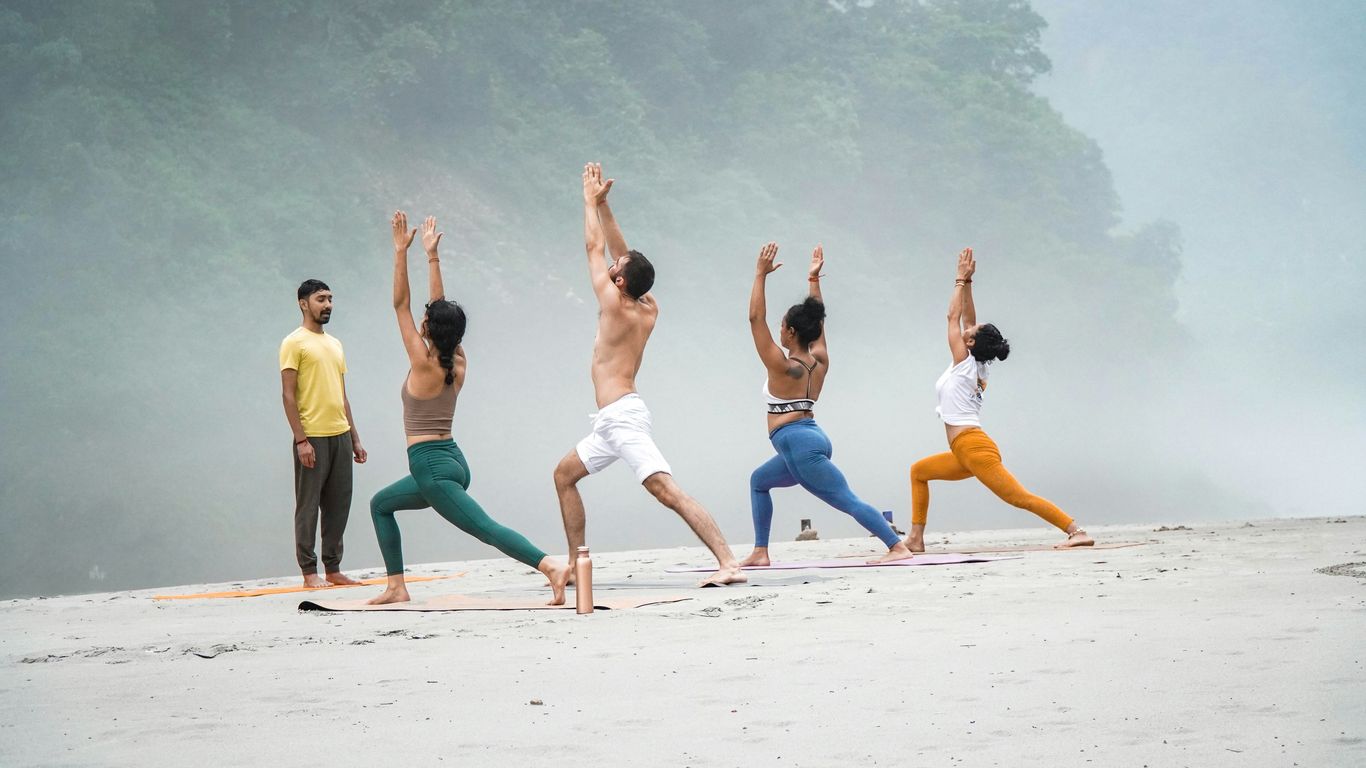
So, why bother learning all those Sanskrit names? It’s more than just memorizing trivia for your next yoga class. Understanding the names of yoga exercises, or asanas, actually adds a whole new layer to your practice. It’s like getting a backstage pass to the deeper meaning behind each movement.
Physical Health Improvements From Practice
Knowing the names can help you understand the purpose of a pose. For instance, Tadasana, or Mountain Pose, isn't just about standing still; it's about cultivating stability and grounding. When you know this, you can focus on feeling that rootedness in your feet and the length in your spine. Similarly, understanding Adho Mukha Svanasana (Downward-Facing Dog) as a pose that stretches the entire back body can help you engage your muscles more effectively. This awareness can lead to better alignment and a more effective workout. It’s about making each stretch count.
Mental Clarity And Focus Through Poses
There's a mental side to this, too. When you hear "Bhujangasana" and know it means Cobra Pose, you might visualize the snake rising, which can help you engage your back muscles and open your chest more intentionally. This connection between the name, the imagery, and the physical action sharpens your focus. It pulls you out of your head and into your body. This kind of present-moment awareness is a big part of what makes yoga so good for your mind. It’s a way to quiet the mental chatter.
Connecting With Yoga's History
Learning the names is also a way to connect with the roots of yoga. These names come from Sanskrit, an ancient language, and they often describe the shape of the pose or its inspiration from nature. It’s a nod to the tradition and the people who developed this practice centuries ago. It makes the experience feel richer, more meaningful. You’re not just doing a stretch; you’re participating in a lineage. It’s a way to honor the journey of yoga and discover 78 essential yoga poses like the iconic Lotus pose.
The names aren't just labels; they're like little keys. Each one can unlock a better understanding of how the pose works, what it's meant to do for your body, and even how it might affect your mind. It’s a simple step that can make a big difference in how you experience your time on the mat.
Here’s a quick look at how names can hint at benefits:
- Stability Poses: Names often suggest grounding or strength (e.g., Mountain Pose).
- Stretching Poses: Names might describe elongation or opening (e.g., Downward-Facing Dog).
- Backbends: Names can relate to animals or elements that suggest flexibility and strength (e.g., Cobra Pose).
- Restorative Poses: Names often imply comfort or ease (e.g., Child's Pose).
It’s a subtle thing, but paying attention to the names can really change how you approach your practice, making it more mindful and rewarding.
Keep Exploring Your Yoga Journey
So, we've looked at a bunch of yoga poses and their cool names. It's pretty neat how each one, or 'asana' as they're called, has its own meaning and purpose, often coming from Sanskrit. Whether you're just starting out or you've been doing yoga for a while, knowing these names can make your practice feel more connected. Remember, it's not about being perfect. It's about finding what works for you and enjoying the process. Keep practicing, stay curious, and have fun on your mat. It's your own yoga path, so make it yours.
Frequently Asked Questions
What does 'asana' mean in yoga?
The word 'asana' comes from an old Indian language called Sanskrit. It basically means a 'pose' or 'position' that you hold with your body. In yoga, asanas are the different physical shapes you make to help your body and mind feel balanced and calm.
Why do yoga poses have Sanskrit names?
Most yoga poses have names from Sanskrit because yoga started in India a very long time ago. These names often describe what the pose looks like, like 'Tadasana' which means 'Mountain Pose' because you stand tall and strong like a mountain. Knowing the names helps you understand the pose better and connect with yoga's history.
Are yoga names hard to remember?
Some of the Sanskrit names can sound long or tricky at first, like 'Adho Mukha Svanasana' for Downward-Facing Dog. But don't worry! Many teachers use the English names too, and you'll start to recognize them as you practice more. The important thing is how the pose makes you feel, not just memorizing the name.
What's the difference between Hatha and Vinyasa yoga names?
Hatha yoga is a more general term for physical yoga, often focusing on holding poses and breathing. Vinyasa yoga is known for flowing smoothly from one pose to the next, like a dance. While both use Sanskrit names, the way they are practiced and the sequence of poses can be quite different.
Can knowing yoga pose names help my practice?
Yes, absolutely! When you know the name and what it means, you can better understand the pose's purpose. For example, knowing 'Bhujangasana' is Cobra Pose helps you imagine the shape and feel the stretch in your back. It makes your practice more meaningful and helps you connect with the intention of each pose.
Are there yoga poses named after animals?
Yes, many! You'll find poses named after animals because their shapes often inspired the original yoga practitioners. Famous examples include 'Adho Mukha Svanasana' (Downward-Facing Dog), 'Bhujangasana' (Cobra Pose), and 'Marjaryasana' (Cat Pose). It makes learning the poses more fun and easier to visualize!


