
Mastering the Basics: Your Guide to Easy Yoga Poses for a Healthier You
Getting started with yoga doesn't have to be complicated. You might think yoga is all about fancy poses you see online, but really, it's about finding what feels good for your body and mind. This guide is here to show you some really simple yoga poses easy enough for anyone to try. We'll go through some basic moves that can help you feel better, stronger, and more relaxed. No need to be a pro; just roll out a mat and let's begin.
Key Takeaways
- Basic yoga poses help your body and mind work together better.
- Start with simple yoga poses for relaxation and feeling steady.
- Standing poses build leg strength and help with balance.
- Seated poses are good for flexibility and finding calm.
- Listen to your body and adjust poses as needed.
Foundational Yoga Poses For A Strong Start
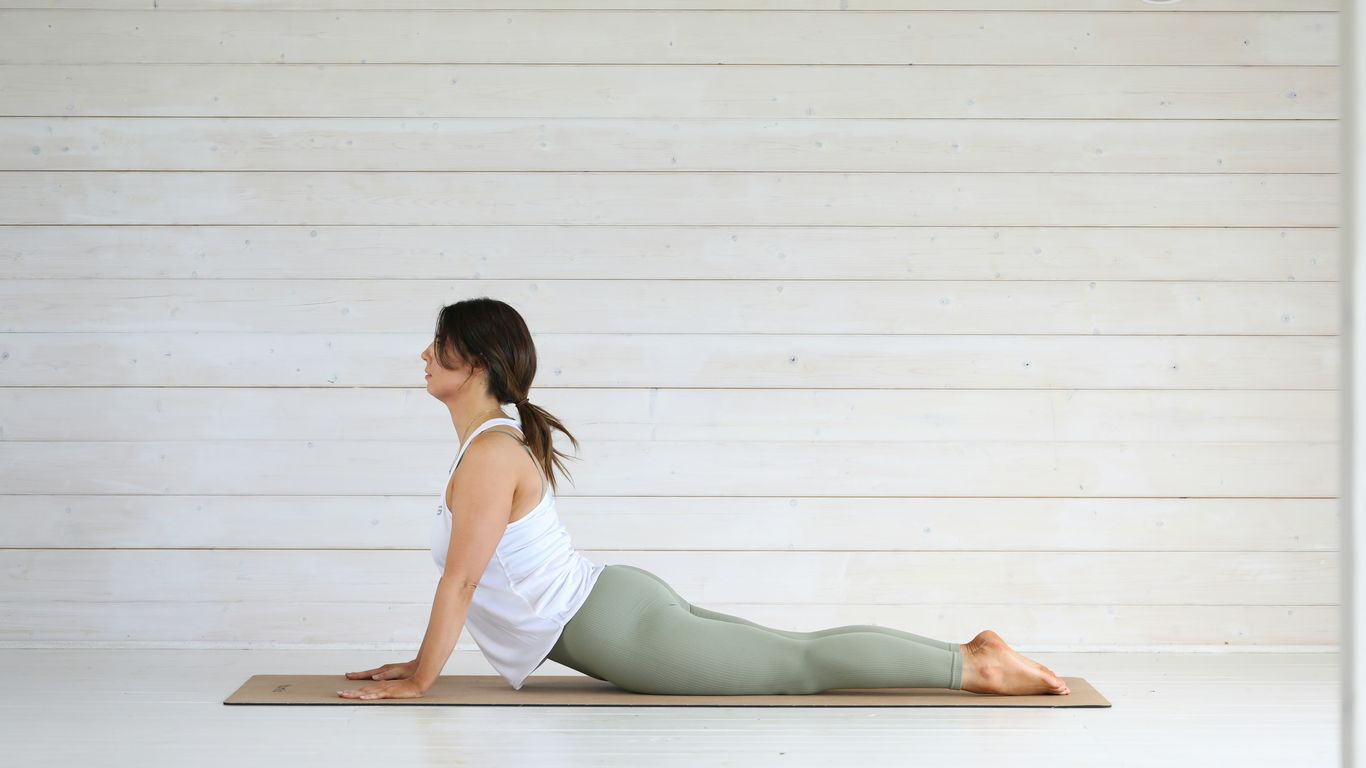
Starting your yoga journey can feel a bit like learning a new skill, and honestly, it is! But the good news is that focusing on the basics is a really smart way to build confidence and get a feel for what yoga is all about. These initial postures aren't about being perfect; they're designed to help you settle in, find your balance, and start to connect with your breath. Think of them as your yoga building blocks, the foundation upon which everything else is built.
Understanding The Importance Of Basic Yoga Poses
These foundational yoga positions, often called asanas, are truly the bedrock of a solid practice. They help build strength, improve your flexibility, and, importantly, make you more aware of your own body. Getting these right helps you understand how you move and where you are in space, which is super helpful for preventing injuries as you try more complex moves later on. Plus, starting with these simpler poses helps you get a handle on your breathing and focus, which are big parts of yoga.
- Builds Body Awareness: Helps you notice how your body feels and moves.
- Improves Posture: Encourages you to stand and sit taller.
- Connects Breath and Movement: Teaches you to coordinate your breath with physical actions.
- Prevents Injury: A strong foundation makes more challenging poses safer.
Starting with the basics isn't a sign of being a beginner; it's a sign of being smart about your practice. These poses teach you the core principles of alignment and mindful movement that will serve you well no matter how advanced you become.
Mountain Pose For Stability And Posture
Mountain Pose, or Tadasana in Sanskrit, is where many people begin their yoga practice. It might seem almost too simple – just standing there – but it’s actually a powerful pose for setting up good posture and balance. You stand with your feet together or hip-width apart, arms relaxed by your sides, and shoulders relaxed down your back. Really feel your feet grounding into the floor, engage your leg muscles a bit, and lengthen your spine. This pose teaches you to feel steady and connected to the earth. It’s a great way to check in with yourself before moving into other poses.
Key elements of Mountain Pose:
- Feet: Grounded firmly, either touching or hip-width apart. Feel the four corners of your feet pressing down.
- Legs: Engage your thigh muscles slightly, lifting your kneecaps.
- Spine: Lengthen your spine, imagining a string pulling you up from the crown of your head.
- Shoulders: Relax your shoulders down and away from your ears.
- Arms: Let them hang naturally by your sides, palms facing forward or towards your body.
Child's Pose For Relaxation And Rest
Child's Pose, or Balasana, is a wonderfully restorative pose that offers a gentle break and a chance to reconnect with your breath. It's a resting posture that can be used anytime during your practice when you need a moment of calm. Kneel on the floor with your big toes touching and your knees hip-width apart (or closer together if that feels better). Then, fold forward from your hips, resting your torso between your thighs. Your forehead can rest on the mat, and your arms can extend forward or rest alongside your body. This pose helps to calm the nervous system, relieve stress, and gently stretch the back and hips. It’s a safe haven on your mat.
- Benefits: Calms the mind, relieves stress and fatigue, gently stretches the hips, thighs, and ankles, and can help relieve back pain.
- Variations: You can widen your knees for more hip opening, or rest your forehead on a block or folded blanket if it doesn't reach the floor comfortably.
- When to use: Use it as a resting pose between more challenging poses, or at the end of your practice for a final moment of stillness.
Standing Yoga Poses For Strength And Balance
Alright, let's talk about standing poses. These are the ones that really help you feel grounded and strong, like you've got your feet planted firmly on the earth. They're not just about looking good; they're about building real stability in your legs and core, which is super useful for everything you do, on and off the yoga mat. Plus, they're fantastic for improving your posture. Think of them as your go-to moves when you want to feel more capable and centered.
Mountain Pose: The Cornerstone Of Standing Poses
Mountain Pose, or Tadasana, might seem almost too simple, but don't let that fool you. It's the foundation for so many other standing poses. The trick is to do it with awareness. Stand with your feet about hip-width apart, or even with your big toes touching and heels slightly apart. Feel your weight evenly distributed through both feet. Lengthen your spine, drawing your shoulders down and back, and let your arms hang by your sides. It’s all about finding that tall, steady, yet relaxed posture.
Warrior II: Building Leg Strength And Hip Opening
Warrior II, or Virabhadrasana II, is a powerhouse pose. You step one foot back, turn it out slightly, and bend your front knee over your ankle, keeping your torso facing the side. Extend your arms out parallel to the floor, gazing over your front fingertips. This pose really works your leg muscles, builds stamina, and opens up your hips. It teaches you to stand strong and steady, facing whatever comes your way.
Here’s a quick breakdown:
- Stance: Step your feet wide apart, about the length of one of your legs.
- Front Foot: Turn your front foot out about 90 degrees, and your back foot in slightly.
- Legs: Bend your front knee directly over your ankle. Keep your back leg straight and strong.
- Arms: Extend your arms out to the sides, parallel to the floor, shoulders relaxed.
- Gaze: Look over your front middle finger.
Triangle Pose: Stretching The Sides And Improving Balance
Triangle Pose, or Trikonasana, is brilliant for stretching the sides of your body, from your hips all the way up to your fingertips. You start standing with your feet wide apart, similar to Warrior II, but your legs stay straight. Then, you hinge at your hip, reaching your front hand down towards your shin, ankle, or a block, while your other arm reaches straight up towards the ceiling. This pose is a fantastic way to create space in your torso and really challenge your balance. It’s a great one for opening up the chest and shoulders too.
When you're practicing standing poses, remember to breathe steadily. Your breath is your anchor, especially when you're working on balance. If you wobble, that's totally okay! Just gently come back to your feet and try again. It's all part of the process.
Seated Yoga Poses For Flexibility And Calm
Once you've found your footing with standing poses, it's time to settle in and explore the world of seated yoga. These postures are fantastic for winding down, working on flexibility, and bringing a sense of peace to your practice. They're perfect for those days when you want to slow things down and connect with your inner self.
Easy Pose: A Simple Seat For Stress Relief
Easy Pose, or Sukhasana, is exactly what it sounds like – an easy way to sit. It's a great starting point for any seated sequence, helping you find a comfortable cross-legged position. The key here is to sit tall, lengthening your spine and relaxing your shoulders. This simple act of sitting with awareness can be incredibly grounding and help quiet a busy mind.
Here’s how to get into it:
- Sit on the floor with your legs crossed. You can place a cushion or folded blanket under your hips if that makes it more comfortable.
- Let your knees relax down towards the floor.
- Rest your hands on your knees, palms up or down, whatever feels natural.
- Gently lengthen your spine, imagining a string pulling you up from the crown of your head.
- Relax your shoulders away from your ears.
Seated Forward Bend: Releasing Tension In The Back Body
Seated Forward Bend, known as Paschimottanasana, is a pose that really lets you stretch out the entire back side of your body. From your hamstrings all the way up your spine, this pose offers a deep release. It’s a wonderful way to let go of built-up tension, especially if you spend a lot of time sitting. Remember, the goal isn't to touch your toes, but to move with your breath and find a comfortable stretch.
When you're doing this pose, try to keep your spine long as you hinge forward from your hips. It’s okay to bend your knees if your hamstrings feel tight. You can find a great introduction to seated yoga poses that covers this and other beneficial postures.
This pose is a gentle reminder that flexibility isn't just about how far you can bend; it's about being kind to your body and respecting its limits. Listen to what your body is telling you and adjust accordingly.
Awakening The Spine With Gentle Movement
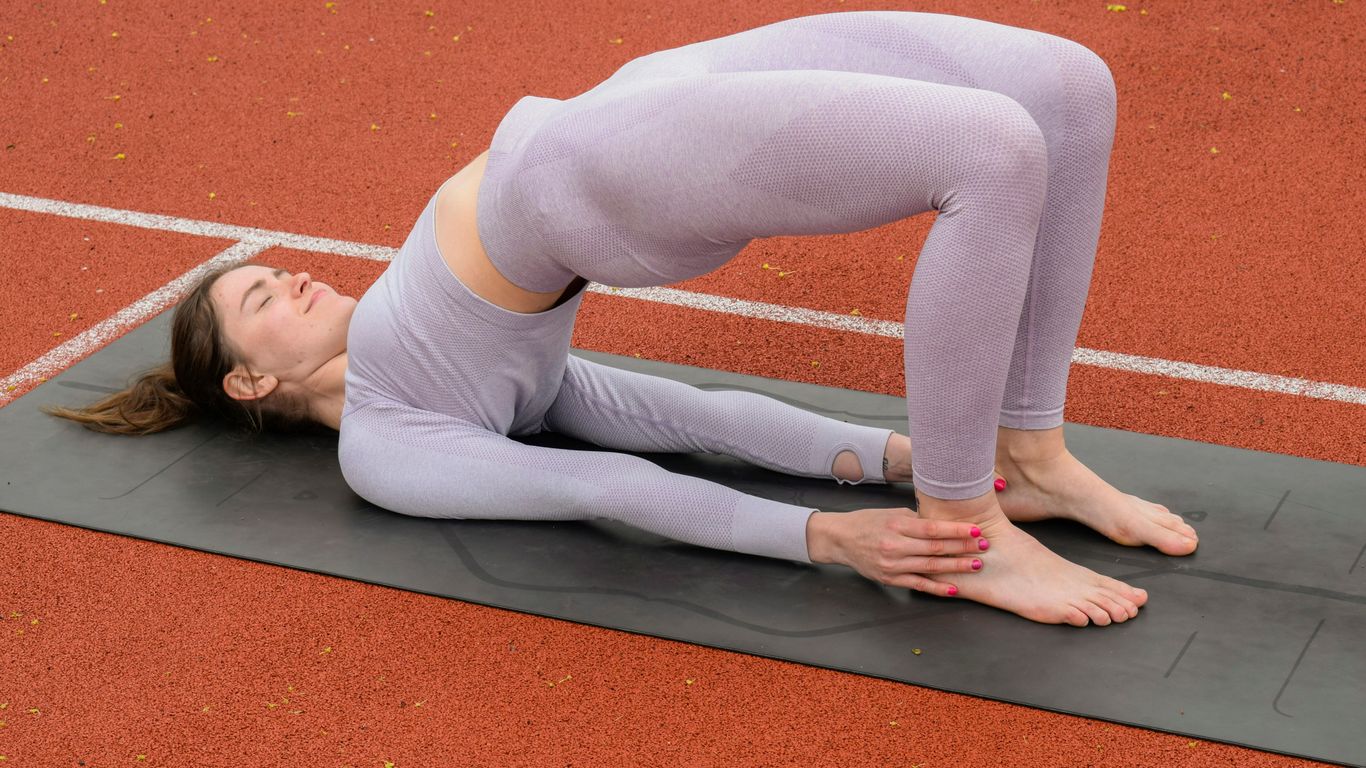
Our spine is pretty important, right? It keeps us upright and lets us bend and twist. But let's be honest, a lot of us spend hours hunched over desks or phones, and our spines can get pretty stiff. That's where these next two poses come in. They're all about waking up that spine with some gentle, controlled movement.
This is a classic for a reason. Cat-Cow, or Marjaryasana-Bitilasana, is like a gentle massage for your spine. It moves it through flexion and extension, which can really help loosen things up, especially if you've been sitting for a while. It's also great for coordinating your breath with movement, which is a big part of yoga.
Here's how to do it:
- Start on your hands and knees. Make sure your wrists are right under your shoulders and your knees are under your hips. Spread your fingers wide.
- For Cow Pose (Bitilasana), inhale. Drop your belly towards the mat, lift your chest and tailbone towards the sky. Look slightly forward, but don't crane your neck.
- For Cat Pose (Marjaryasana), exhale. Round your spine towards the ceiling, tuck your chin towards your chest, and let your tailbone drop. Imagine you're pushing the floor away with your hands.
- Flow back and forth between these two poses, matching your breath to the movement. Try to do this for about 5-10 rounds.
This pose is fantastic for relieving tension in the back and neck.
Remember, the goal here isn't to force a huge arch or curve. It's about moving with your breath and feeling the gentle stretch along your spine. If your knees are sensitive, you can put a folded blanket under them.
Twisting poses are like giving your spine a gentle squeeze, helping to release built-up tension. They can also be really good for digestion and just generally making you feel more mobile. This seated version is accessible and you can do it just about anywhere.
Here's how to get into it:
- Sit up tall with your legs extended in front of you. You can sit on a cushion if that helps you keep your spine straight.
- Bend your right knee and place your right foot flat on the floor, either outside your left thigh or inside your left thigh if that feels better.
- Inhale and lengthen your spine. As you exhale, gently twist your torso to the right. You can bring your left elbow to the outside of your right knee, or hug your right knee with your left arm.
- Keep your left leg extended or bend it and bring your left foot towards your right hip if that's comfortable.
- Gaze over your right shoulder, but don't force your neck. Keep both sitting bones grounded.
- Hold for a few breaths, then gently unwind on an exhale. Repeat on the other side.
This kind of movement helps keep your spine healthy and can make everyday movements feel easier. It's a simple way to add a lot of benefit to your day.
Enhancing Your Practice With Props
Sometimes, you might feel like you're hitting a wall in your yoga practice. Maybe a pose just doesn't feel quite right, or you're struggling to get the full benefit. That's where props come in! They're not just for beginners; experienced yogis use them all the time to get more out of their poses and to make sure they're doing them safely. Think of them as helpful tools to guide you.
Using Blocks For Better Alignment
Blocks are super handy for adjusting the height of the floor. If you're doing a pose like Triangle Pose and your hand can't quite reach your shin or the floor, placing a block under your hand makes a world of difference. It helps you keep your torso long and your body in a nice, straight line without having to hunch or strain. It's all about finding that sweet spot where you can feel the stretch without forcing it. Blocks can also be used under your hips in seated poses to help you sit up straighter, especially if your hamstrings are feeling tight.
- Triangle Pose: Place a block under your bottom hand to support your torso and maintain length in the spine.
- Seated Forward Bend: Sit on a block to elevate your hips, making it easier to hinge forward from your hips rather than rounding your back.
- Warrior II: Use a block under your front forearm to help keep your torso lifted and open.
Props help you find the correct alignment in a pose, allowing you to experience the intended benefits without unnecessary strain. They are bridges to deeper sensation and better body awareness.
Straps To Deepen Stretches Safely
Straps are fantastic for poses where you need a little extra reach. In poses like Seated Forward Bend or a Reclining Hand-to-Big-Toe Pose, a strap can bridge the gap between your hands and your feet. This lets you focus on lengthening your spine and getting a good stretch in your hamstrings and back, rather than just trying to grab your foot. It's about creating space and allowing your body to open up gradually. Using a strap means you can work on flexibility without compromising your posture or risking injury. It's a gentle way to explore your edge.
- Seated Forward Bend: Loop a strap around your feet to pull yourself forward gently, focusing on a long spine.
- Cow Face Pose Arms: Use a strap to connect your hands behind your back if they can't reach each other, improving shoulder mobility.
- King Dancer Pose Prep: A strap can help you reach your lifted foot, building balance and hamstring flexibility.
Using props is a smart way to make your yoga practice more accessible and effective. They allow you to work with your body's current limitations and gradually build strength and flexibility over time.
Listening To Your Body In Yoga Poses
So, you've been practicing your yoga poses, and maybe you're feeling a bit stuck, or perhaps you're just looking to get more out of your time on the mat. That's totally normal! It's not always about learning a brand-new, super-hard pose. Sometimes, it's about refining what you already know and making it work better for you.
Understanding Discomfort Versus Pain
Your body is pretty good at telling you what it can and can't do. Really pay attention to how you feel when you're in a pose. A little bit of discomfort as you stretch is normal, like a gentle pull. It's your muscles waking up and getting longer. But sharp pain? That's a signal to back off immediately. It's your body's way of saying, "Whoa there, slow down!" Don't push through anything that feels like a sharp jab or a burning sensation. That's not what yoga is about.
Modifying Poses For Your Needs
It's easy to look at pictures or watch others and feel like you're not doing it right. But here's the secret: yoga is adaptable. You don't have to force yourself into a shape that doesn't feel good. That's where props come in handy. For example, if your hand can't quite reach the floor in Triangle Pose, put a block under it. It helps you keep your body in a good line without straining. If you're doing a Seated Forward Bend and can't reach your feet, a strap around them can help you lengthen your spine instead of just rounding your back. These tools aren't cheating; they're smart ways to make the pose work for your body.
Here are a few common modifications:
- Triangle Pose: Use a block under your bottom hand if you can't reach the floor comfortably.
- Seated Forward Bend: Use a strap around your feet to help you lengthen your spine.
- Warrior II: If your front knee feels unstable, focus on pressing your heel firmly into the mat.
The Personal Journey Of Yoga Practice
Yoga is a personal journey. What feels right for one person might not feel right for another, and that's perfectly okay. Your body changes day to day, too. Some days you might feel more open and flexible, while other days you might feel a bit stiffer. It's about showing up and doing what feels good for you in that moment. Don't compare your practice to anyone else's. Celebrate the small wins and enjoy the process of learning what your body can do.
Remember, progress, not perfection, is the goal. Yoga is about exploring your body's capabilities and finding a sense of peace within yourself, not about achieving a perfect shape. Enjoy the process of learning and growing.
Keep Moving Forward
So, that's a look at some basic yoga poses to get you started on a healthier path. Remember, it's not about being perfect right away, or even about mastering every single pose. It's really about showing up for yourself, even just for a few minutes each day. Listen to your body, breathe deep, and celebrate the small wins. Whether you're just starting out or have been practicing for a while, these simple movements can make a real difference in how you feel, both inside and out. Roll out your mat, take a breath, and enjoy the journey.
Frequently Asked Questions
What are the most important yoga poses for beginners?
For beginners, poses like Mountain Pose are super important for learning to stand strong and balanced. Child's Pose is great for taking a break and relaxing. Downward Dog helps stretch your whole body and build some strength. These poses build a solid base for everything else you'll learn.
How do yoga poses help with flexibility and strength?
Yoga poses, or asanas, work by stretching and strengthening your muscles. Holding a pose for a while makes your muscles more flexible over time. Poses that require you to hold your body weight, like standing poses, build muscle strength. It's like a gentle workout that makes your body more capable and resilient.
Is it okay to use props like blocks or straps in yoga?
Absolutely! Props are fantastic tools for everyone, not just beginners. Blocks can help you reach the floor in poses where you might feel tight, so you can keep your body in the right position. Straps help you extend your reach in poses that need a bit more flexibility. They help you get the most out of a pose safely and comfortably.
What's the best way to improve my balance in yoga poses?
To get better at balancing, focus on engaging your core muscles – that's your stomach and back. Keep your gaze steady on one spot in front of you. Slow, deep breaths also help calm your mind and steady your body. Practicing poses like Tree Pose regularly, and even using a wall for support at first, will make a big difference.
How important is breathing during yoga poses?
Breathing is super important in yoga; it's often called the 'breath of life.' Connecting your breath to your movements helps you go deeper into poses and also calms your mind. Deep, steady breaths can help you relax and focus, making your yoga practice more effective and peaceful. It's like the rhythm that guides your body.
Can beginners teach themselves yoga safely?
Yes, if they focus on paying attention to how each pose feels for their body, and adjusting when necessary. It's important to listen to your body and not push into pain. Starting with basic poses and gradually exploring more challenging ones is a safe way to learn.

