

Best yoga mat: 10 top picks for every practice and budget
Key Takeaways
The best yoga mat depends on where and how you practice, not simply on its price or thickness.
- Choose a stable, comfortable surface that suits your usual style.
- Prioritize grip for sweaty or fast-moving sessions.
- Look for extra cushioning if kneeling comfort matters most.
- A thin, light mat is easier to pack and carry.
- Clean and store your mat regularly to preserve its feel.
1. Best overall yoga mat
The best overall yoga mat should feel steady in standing poses, comfortable during floor work, and practical enough for regular use. A medium thickness is usually the safest starting point because it offers some cushioning without making balance work feel unstable. Texture matters just as much as softness, especially if your practice moves quickly.
Before choosing, think about the setting where you practice most often. A mat that stays in a home studio can be heavier and denser, while one that travels between classes needs a manageable weight and a surface that is easy to wipe clean. This yoga mat comparison guide is also useful when you want to compare practice styles, materials, and portability in one place.
Here is a simple way to weigh the main trade-offs:
| Priority | What to look for | Best suited to |
|---|---|---|
| Balance | Moderate thickness and firm support | Mixed daily practice |
| Grip | Textured or naturally tacky surface | Vinyasa and active flows |
| Cushioning | Softer, thicker construction | Kneeling and floor work |
| Portability | Lower weight and compact storage | Commuting and travel |
No single surface wins for every person, but a balanced mat is the most dependable starting point. If you are unsure, choose stability first, then add comfort or portability based on the sessions you actually do.
2. Best budget yoga mat
A budget mat can be a smart first purchase when you are still learning what you like. Focus on a surface that lies flat, has enough traction for basic standing poses, and does not feel so thin that every hard floor comes through. You do not need premium materials to begin building a consistent routine.
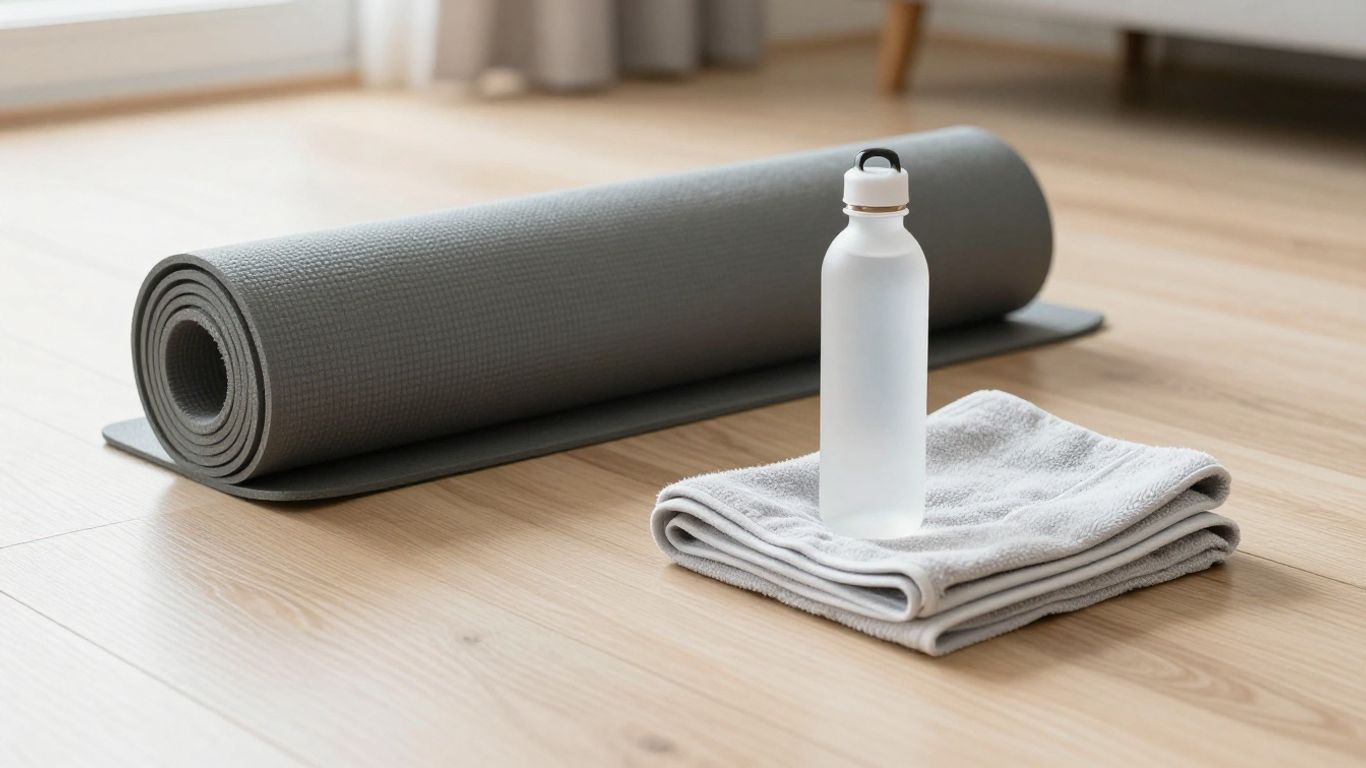
Price should be considered alongside likely use. If you expect to practice several times a week, a slightly more durable surface may cost less over time than replacing a very thin mat repeatedly. This yoga mat buying guide offers another practical look at materials, size, maintenance, and features across different price ranges.
A low-cost mat is easiest to live with when you keep expectations realistic. It may have less refined texture, a stronger initial smell, or less plush cushioning than a premium model, but those differences do not automatically prevent a good session. Clean it according to the maker’s instructions and store it away from prolonged heat or direct sun.
3. Best yoga mat for hot yoga
Hot yoga puts extra demands on a mat because moisture can change how your hands and feet feel against the surface. Grip should be the first consideration, followed by a material that can be cleaned regularly without becoming unpleasant to use. A towel can also create a more comfortable, absorbent layer during especially sweaty classes.
A surface that feels merely smooth in a cool room may become difficult to manage once the session heats up. Look for traction that remains predictable rather than relying on a soft, slippery finish. The hot yoga mat guide gives useful context on why grip matters more during vigorous and heated practice.
Keep a simple care routine after each class. Air the mat out, remove moisture before rolling it, and avoid harsh cleaners that may change the texture. For many people, the right combination is a grippy mat underneath and an absorbent towel on top when needed.
4. Best yoga mat for beginners
Beginners usually benefit from a mat that feels forgiving without being excessively soft. Moderate cushioning can make kneeling and seated work more comfortable, while a stable base helps new practitioners feel less distracted during standing poses. A clear, uncluttered surface is often easier to use than one with many visual features.
It also helps to choose a mat that matches the space available at home. Measure the area where you plan to practice, especially if furniture limits how far your arms and legs can extend. Short sessions are easier to repeat when the mat is quick to unroll and does not become another complicated piece of equipment.
A beginner-friendly setup can be built around a few straightforward choices:
- Select moderate thickness rather than the plushest option.
- Choose enough length for a comfortable lying position.
- Favor a surface that feels secure under bare hands and feet.
- Pick a color and finish that make cleaning easy to see.
These details remove small frustrations while you learn the basics. For a calmer start, some readers may also appreciate these short meditation techniques as a separate way to settle into a regular routine.
5. Best yoga mat for extra cushioning
Extra cushioning is useful when your practice includes frequent kneeling, seated stretches, or long periods on the floor. It can also make a hard surface feel less punishing during restorative sessions. The trade-off is that very soft mats may feel less stable when you shift weight from one foot to the other.
Thickness is not the only measure of comfort. Density, rebound, and how quickly the mat compresses under your hands all affect the experience. A thick mat that bottoms out easily may feel less supportive than a moderately thick, firmer option.
Consider where comfort matters most before buying. If your sessions combine standing and floor poses, seek a compromise rather than choosing the softest mat available. You can also use a folded blanket under especially sensitive areas, which gives targeted support without changing the entire surface.
6. Best travel yoga mat
The best travel yoga mat is light enough to carry without becoming a chore and thin enough to fit in a suitcase or day bag. Foldable designs are especially convenient for hotel rooms, parks, beaches, and other temporary practice spaces. They may offer less cushioning than a home mat, so a carpet or towel underneath can help when the floor is hard.
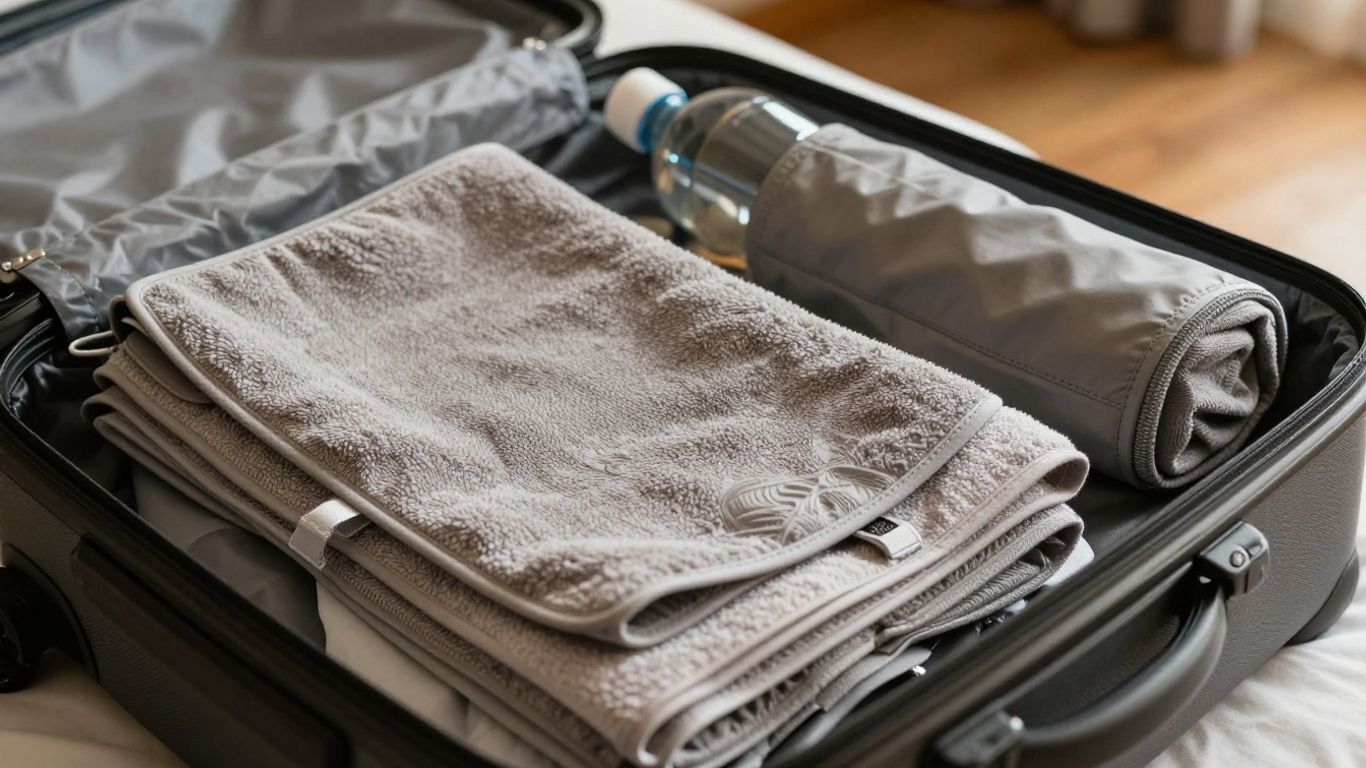
Yune Yoga is a natural fit for this category because its range focuses on highly portable, foldable mats designed to make practicing in different locations convenient. Its positioning centers on mats that are thin, light, and easy to pack, which is exactly what frequent travelers tend to value. A dedicated travel yoga mat guide can help you compare portability, grip, durability, and materials before making a choice.
Packability is only part of the decision. Check how the mat behaves when unfolded, whether its corners settle quickly, and whether it can be wiped down after outdoor use. For a small travel kit, a mat, towel, and strap are often enough to create a workable setup without filling an entire bag.
7. Best non-slip yoga mat
A non-slip yoga mat should give you confidence when your hands are planted and your feet are moving between poses. The best texture is personal: some people prefer a pronounced pattern, while others like a smoother surface with a tacky feel. Either way, traction should remain consistent throughout a session.
Sweat, dust, and product residue can all affect grip. A quick wipe after practice and a deeper clean when needed will usually do more than simply replacing the mat at the first sign of reduced traction. The non-slip mat roundup provides additional ideas for comparing grip, cushioning, and intended use.
Yune Yoga offers non-slip mats with an emphasis on stability and support, making that feature relevant for people who want a more secure surface during challenging poses. Still, no mat can replace careful placement and controlled movement. Put it on a clean, level floor and give yourself enough room to move around its edges.
8. Best eco-friendly yoga mat
An eco-friendly yoga mat starts with material choices, but the wider picture includes durability, care, and how long you expect to use it. Natural rubber and cork are common options to investigate, though their feel, weight, and maintenance needs can differ. Read the material details carefully rather than relying on a broad sustainability label.
Odor and cleaning are worth considering too. Some materials have a noticeable smell when new, while others respond poorly to aggressive cleaners or long periods of damp storage. A mat that remains usable for years may be a more practical choice than one that needs frequent replacement.
Think about your priorities in order. If your main concern is reducing replacement waste, durability may matter most; if you also carry the mat often, weight and folding may become equally important. Material, comfort, and everyday convenience should work together rather than being treated as separate decisions.
9. Best yoga mat for home workouts
A home workout mat needs to handle more than yoga if it will share space with strength work, mobility drills, or light floor exercises. A stable surface with enough width can make transitions feel easier, while a finish that is simple to wipe down is useful after a more active session. Consider the floor underneath, since tile and wood create different comfort needs.
Storage can matter as much as performance in a small room. A mat that rolls tightly or folds neatly is less likely to become a permanent obstacle between sessions. Keep a clear area around it so that a wide stance or extended arms do not send you into furniture.
For a mixed routine, avoid choosing purely for softness. Too much give can make balance work feel awkward and may not suit movements that require a firm base. A moderately cushioned mat is often the most flexible choice for a household setup that needs to serve several purposes.
10. Best yoga mat for advanced practice
Advanced practitioners often notice small differences in grip, density, length, and recovery because the mat becomes part of a highly familiar routine. A reliable surface can reduce distractions during transitions and more demanding balance work. The ideal choice is usually less about novelty and more about predictable performance.
Yune Yoga’s Ascend Yoga Mats are positioned for experienced yogis seeking high performance, so they fit this category without needing claims beyond that documented focus. Experienced users should still assess the mat against their own practice, including how it feels during long holds and how easily it travels to class or retreats.
Durability becomes especially valuable when a mat is used often. Look for construction that can handle repeated rolling, regular cleaning, and frequent contact with hands and feet. The best advanced-practice mat is the one that supports your established habits without demanding constant adjustment.
Conclusion
The best yoga mat is the one whose grip, cushioning, size, and portability fit the way you actually practice. Start with your most common setting, decide which trade-off matters least, and choose a surface you will be happy to unroll again tomorrow.
Frequently Asked Questions
How thick should a yoga mat be?
A moderate thickness is a practical starting point for most people because it balances cushioning and stability. Choose more padding if floor comfort is your priority, and less if portability or balance work matters more.
Is a thicker yoga mat always better?
No. Extra thickness can feel comfortable during kneeling and seated poses, but a very soft surface may feel less stable during standing work. Density and firmness matter alongside the thickness measurement.
What makes a yoga mat non-slip?
Surface texture, material, moisture, and cleanliness all affect traction. A mat may feel grippy when dry but need a towel or more frequent cleaning during sweaty sessions.
Can I use one mat for yoga and home workouts?
Yes, if it offers enough stability and cushioning for both activities. A moderately cushioned mat is often more versatile than one designed only for gentle floor work or only for intense training.
How do I clean a yoga mat?
Follow the care instructions supplied with the mat. In general, wipe away sweat after use, use a suitable gentle cleaner when needed, and let the surface dry fully before rolling it.
Are travel yoga mats comfortable?
Travel mats are usually designed to be thin and light, so they may provide less cushioning than full-size home mats. Using one over carpet, a towel, or another soft surface can improve comfort.
How often should I replace a yoga mat?
Replace it when the surface loses dependable grip, the material starts breaking down, or it no longer lies flat. How quickly that happens depends on frequency of use, cleaning, storage, and material.


