

How to choose the best hot yoga yoga mat for grip, comfort, and durability
Key Takeaways
A hot yoga yoga mat needs to manage heat, moisture, movement, and repeated cleaning without becoming unstable or unpleasant to use. The best choice depends on how much you sweat, where you practice, and how often you carry the mat.
- Prioritize wet grip over impressive-looking dry grip.
- Choose material and surface texture together, not separately.
- Balance cushioning with the stability needed for standing poses.
- Plan for regular cleaning and thorough drying after every heated class.
- Consider portability, expected lifespan, and total value before price alone.
Understand what makes a hot yoga yoga mat different
A heated room changes the demands placed on a mat. Sweat can turn an otherwise comfortable surface into a slippery one, while warmth may soften some materials or make odors more noticeable. The mat also has to remain stable during transitions, balance work, and repeated contact with damp hands and feet. Before comparing colors or patterns, decide how the surface will behave under those conditions.
Why heat and sweat change mat performance
Heat increases perspiration, and perspiration changes friction between your skin and the mat. A surface that feels pleasantly smooth in a cool room may not provide enough traction once your palms are wet. Sweat can also collect in texture, seams, or porous material, so the way a mat absorbs or sheds moisture affects both immediate grip and later cleaning.
This is why a hot yoga yoga mat should be judged in terms of wet performance, not only how grippy it feels when new and dry. If possible, read care instructions before buying. A mat that requires a particular cleaner or long drying period may be less practical if you attend heated classes several times a week.
Grip, cushioning, and stability priorities
Grip is the first practical test, but it is not the only one. Cushioning can make kneeling and floor-based poses more comfortable, while too much softness can make standing balances feel less certain. Stability also comes from weight, density, and a backing that stays planted rather than curling at the corners.
Look for reliable wet traction and a surface that does not feel gummy or unpredictable. The right combination lets you move without constantly tightening your fingers or shifting your feet to find a dry patch. A little cushioning is useful, but a stable foundation matters more than maximum thickness for many heated flows.
How hot yoga differs from regular yoga
Regular yoga may take place in a cooler, less humid room, so a mat can be selected mainly for comfort, alignment, or travel. Hot classes add sweat, faster surface changes, and more frequent laundering or wiping. They can also expose weaknesses in coatings: a finish that feels smooth at first may wear unevenly with repeated moisture and cleaning.
Practice style matters too. A slower heated class may reward cushioning and a forgiving surface, while a vigorous flow may call for firm traction and enough length for wide transitions. A useful hot yoga mat comparison can help you frame those trade-offs, but your own room temperature, sweat level, and class rhythm should guide the final decision.
When a towel or yoga rug may be necessary
A towel is useful when sweat pools faster than the mat surface can manage. It can give your hands and feet a more absorbent layer, protect the mat from heavy moisture, and simplify cleanup after class. Some practitioners use a full-length towel from the start; others keep a small hand towel nearby for particularly damp sessions.
A yoga rug may suit people who prefer a fabric-like feel or need a larger absorbent layer over a firm mat. It can shift more easily than a well-designed yoga mat, however, so check that it has enough contact with the surface beneath it. The goal is not to add equipment automatically, but to create a setup that stays dependable when your practice gets sweaty.
Choose the right mat material
Material affects grip, cushioning, smell, weight, and maintenance all at once. No single material is perfect for every practitioner, and labels such as “natural” or “non-slip” do not tell the entire story. The surface finish and backing often matter just as much as the material beneath them.
Think about where the mat will live between classes. A dense studio mat may feel reassuring but be cumbersome to carry, while a thin travel mat may be easy to pack but less comfortable on a hard floor. The material and grip guide is a useful starting point for comparing those characteristics without treating one material as universally best.
Natural rubber for traction and cushioning
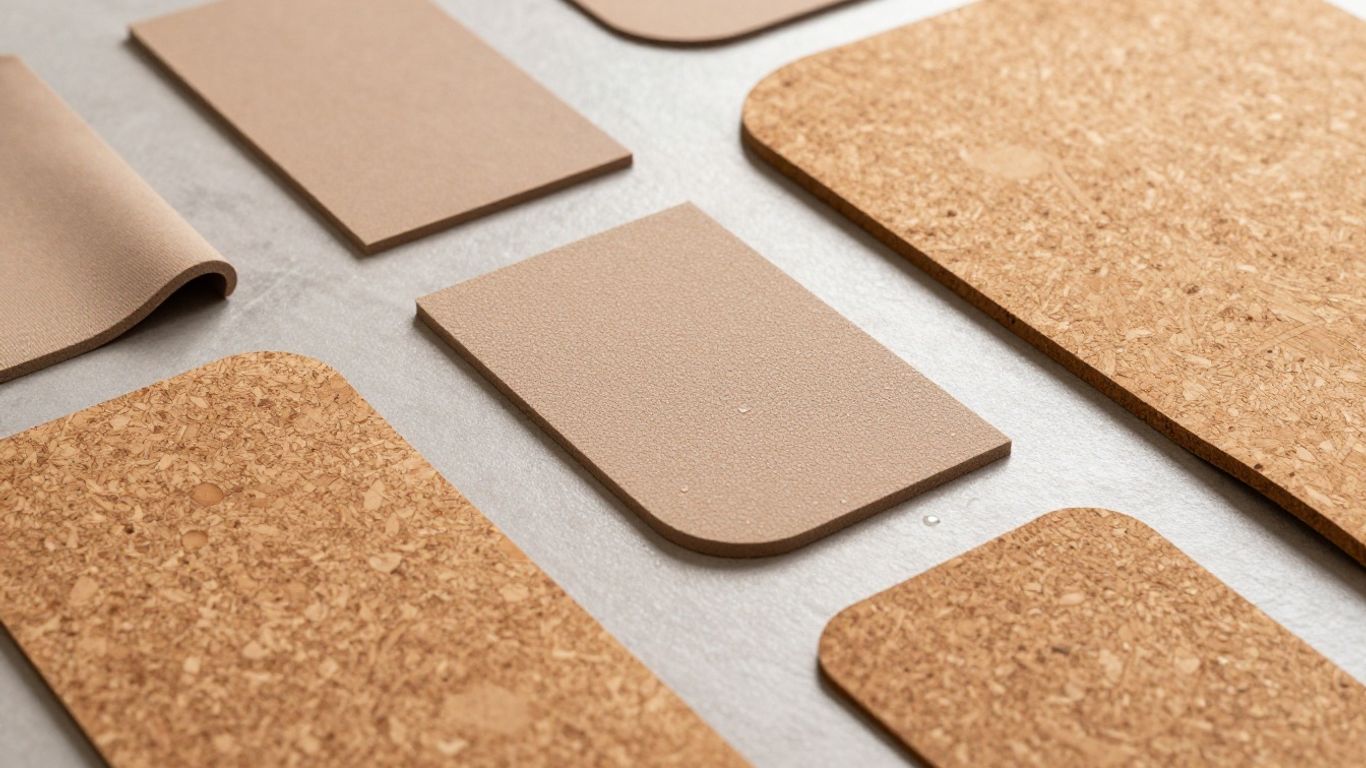
Natural rubber often appeals to practitioners who want a substantial, planted feel with dependable traction. It can provide useful cushioning without being excessively soft, and its weight may help it stay flat during movement. Rubber can have a noticeable scent when new, so ventilation and care instructions deserve attention before the first class.
Check whether you have a latex sensitivity before choosing this category. Also consider the mat’s surface layer: a rubber base alone does not guarantee comfortable wet grip. A coated or textured top may behave differently from exposed rubber, particularly after repeated cleaning and exposure to heat.
Polyurethane and textured surfaces for wet grip
Polyurethane and other coated surfaces are commonly selected for a smooth, confident feel when moisture appears. Their performance depends heavily on the finish. A surface can be excellent when damp but less absorbent than a fabric-like material, meaning sweat may sit on top and need to be wiped away during or after practice.
Texture changes the experience as well. Fine texture may feel comfortable under bare feet, while deeper patterns can give moisture somewhere to move. Look for a coating that is bonded evenly and does not show thin spots, bubbles, or early peeling around the edges.
Cork and other moisture-resistant materials
Cork can feel warm and natural underfoot, and its relatively firm surface suits practitioners who prefer a stable rather than plush base. It may become grippier with some moisture, although the exact result depends on the cork finish and the backing underneath. Cork is also worth considering if you want a surface that wipes clean without holding onto as much dampness.
Moisture-resistant materials are not maintenance-free. Sweat can still collect at the edges and on the underside, and a mat should be dried fully before it is rolled. The sweaty-practice mat guide offers another way to compare absorption, wet grip, and cushioning when narrowing your options.
PVC and synthetic mats for durability and value
PVC and other synthetic materials can offer consistent dimensions, straightforward cleaning, and a lower entry price. Their firmness varies widely, so check density and thickness rather than assuming every synthetic mat feels the same. Some are smooth and easy to wipe, while others use raised textures to improve traction.
Value is more than the amount paid at checkout. A synthetic mat that remains flat, resists surface wear, and cleans easily may be a sensible choice for regular practice. Conversely, a low-cost mat that flakes, curls, or becomes slick after a short break-in period may cost more when replaced repeatedly.
Evaluate grip and sweat management
Grip is not a single specification. It is the result of material, surface pattern, moisture level, body position, and how clean the mat is that day. A mat may feel excellent beneath dry feet yet require a towel once the room becomes humid. Testing these distinctions helps prevent the common mistake of choosing a mat based on showroom feel alone.
When comparing options, imagine the moments when grip matters most: the first downward-facing dog, a transition from lunge to standing, or a damp hand supporting a side plank. Those moments reveal whether the surface gives traction, absorbs moisture, or simply feels sticky until sweat begins to move.
Dry grip versus wet grip
Dry grip describes how firmly your skin holds to the surface before sweating. Wet grip describes what happens once moisture forms between your skin and the mat. For heated practice, wet grip usually deserves greater weight, but dry comfort still matters because a surface that feels harsh or overly adhesive can distract you during warmup.
Ask whether the product’s grip depends on a towel, whether the finish becomes more secure with moisture, and how it should be cleaned. Reviews can be helpful, but reports from another person may not match your sweat level or the humidity of your studio. If you frequently slide, prioritize predictable traction over a soft, velvety feel.
Open-cell and closed-cell surfaces
Open-cell surfaces can absorb some moisture and offer a tactile feel, but they may require more careful drying and cleaning. Closed-cell surfaces tend to keep moisture closer to the top, which can make wiping easier but may create a slick film during a very sweaty class. Neither construction is automatically right or wrong.
The choice depends on whether you prefer absorption during practice or quick cleanup afterward. If you practice in shared spaces, consider how easily the mat can be dried completely. A surface that stays damp inside a tightly rolled mat can become unpleasant even if its initial grip is excellent.
How mat texture affects traction
Texture changes how your skin contacts the mat. Small raised patterns can add friction without feeling rough, while deeper grooves may help move water away from contact points. Texture can also collect lotion, dust, and cleaning residue, so a grippy pattern loses some value if it is not easy to rinse or wipe.
Run your fingertips across a sample if you can. Notice whether the texture feels consistent from the center to the edges and whether it catches on dry skin. A practical non-slip texture guide can help you compare patterns, materials, and sweat management before committing to a particular surface.
Pairing a mat with a hot yoga towel
A towel is a practical backup when your hands and feet become wetter than the mat can handle. Choose one that covers the working area, stays reasonably flat, and can be washed often. An absorbent towel may also reduce the amount of sweat that reaches the mat, which makes post-class care simpler.
Yune Yoga offers absorbent yoga towels as part of its accessory range, a useful option for practitioners who want a portable sweat-management layer. Keep the towel clean and avoid folding it away while damp. It should improve contact with the mat, not introduce another wet surface that shifts beneath you.
A towel works best when the mat underneath is already stable. If the base slides across the floor, adding fabric on top will not solve the underlying problem. Test the complete setup before relying on it for a fast-paced class.
Match thickness, weight, and portability to your practice
Thickness affects more than softness. It changes balance, packing size, floor contact, and how much space the mat takes in a studio or hotel room. Weight can improve stability, but it can also make a daily commute frustrating. The best hot yoga yoga mat is one you will actually bring to class consistently.
Start with the places where you practice most. Someone who drives to one studio may appreciate a dense, full-size mat, while someone who moves between hotels, parks, and classes may value a thin mat that folds into a small bag. The yoga mat thickness guide can help clarify how portability and cushioning trade places across different designs.
Choosing between travel and studio-friendly mats
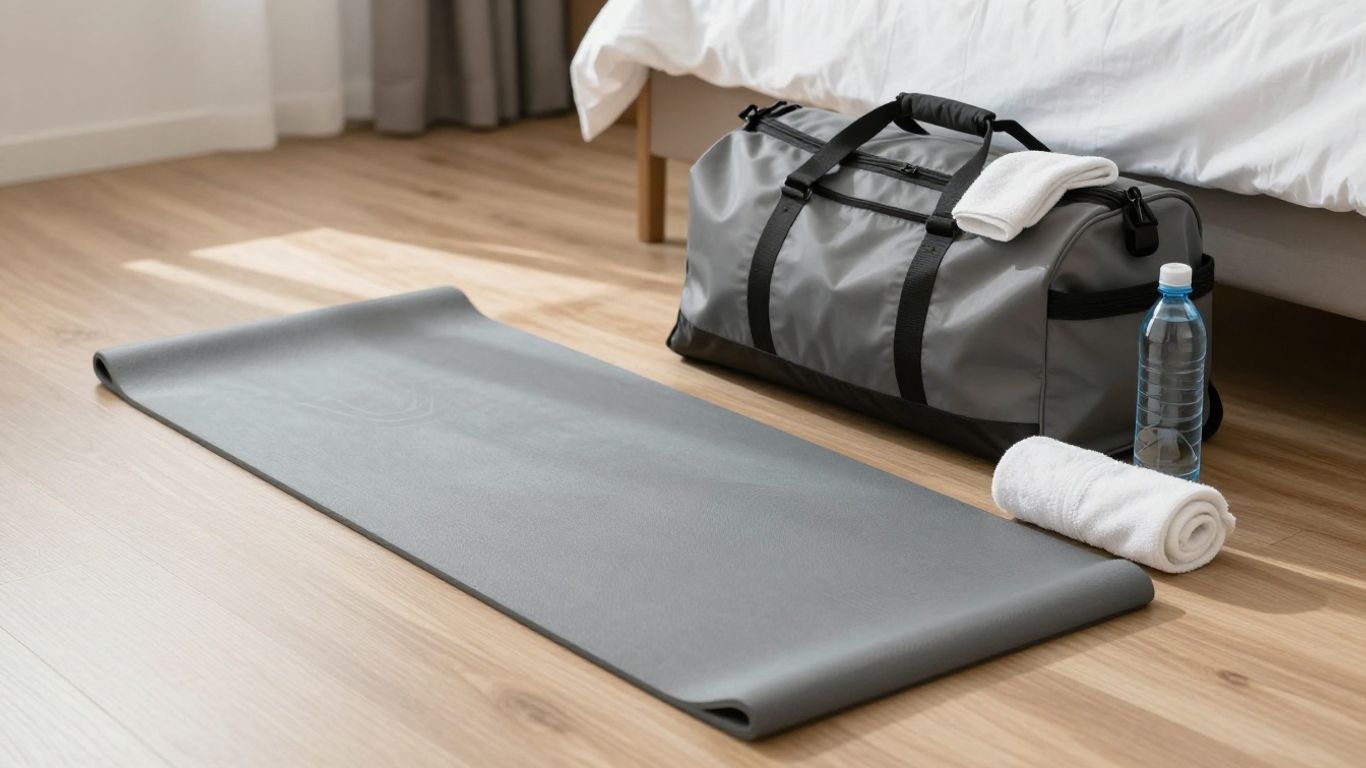
Travel mats are generally thinner, lighter, or designed to fold rather than roll. They work well over carpet, a hotel floor, or another mat when you need a clean practice layer. On a hard floor, though, a very thin travel mat may provide less comfort and may require a towel or supportive base beneath it.
A studio-friendly mat is often larger and denser. It can feel more secure during transitions, but its size may make public transport or air travel awkward. Yune Yoga focuses on portable and foldable mats designed to make practicing in different locations more convenient, which fits practitioners who do not want their practice tied to one studio.
How thickness affects balance and joint comfort
Thin mats keep you close to the floor and can make standing poses feel direct. They are easier to pack, but knees, wrists, and hips may notice the lack of padding on a hard surface. Thicker mats provide more cushioning, although excessive softness can make balancing less steady and may increase the effort required to transition.
There is no universal ideal thickness. Consider the floor beneath you, the amount of kneeling in your routine, and whether you already use a folded towel for extra support. The thick mat overview is useful when comparing cushioning and stability, especially if you alternate between heated flow and slower floor-based sessions.
Finding the right mat length and width
Your mat should give you enough room to move without forcing your hands or feet onto the floor during common poses. Extra length can help with tall frames and long transitions, while extra width may be welcome if you move broadly or prefer more space around your body. Larger dimensions also mean more weight and more drying area after class.
Measure the space where you normally practice before choosing an oversized model. In a crowded studio, a very wide mat may overlap neighboring spaces. At home or outdoors, that extra room can be more comfortable. The right size supports movement without becoming a burden to carry or store.
When extra weight improves stability
A heavier mat can resist curling and sliding, particularly on smooth floors. That stability may feel reassuring during quick transitions or when a towel is placed on top. The downside is simple: every additional ounce travels with you from the car to the studio, and a dense mat may take longer to dry.
Use weight as a practical choice rather than a quality signal. If you practice mostly in one place, extra density may be worthwhile. If you regularly fly, walk, or change locations, a lighter mat paired with a reliable towel may be the more sustainable routine.
Compare maintenance, hygiene, and durability
A mat used in heat needs a care routine that fits real life. Wiping the surface after every class is usually easier than trying to rescue a neglected mat later, especially when sweat has reached textured areas or the underside. Read the manufacturer’s directions before using essential oils, strong disinfectants, or a washing machine.
Durability also depends on storage. A mat should be rolled or folded as instructed, kept away from prolonged direct sunlight, and allowed to dry before it is put away. A little routine protects grip and makes the mat more pleasant to use over time.
Cleaning your mat after every heated session
Start by removing visible moisture with a clean cloth or the recommended mat cleaner. Pay attention to the center, edges, and underside because sweat can travel beyond the area where your hands and feet land. Let the mat air-dry fully before rolling it, even if that means leaving it open for a while at home.
Avoid assuming that more soap means better hygiene. Residue can make a surface slick and may gradually affect its finish. If you attend class frequently, keep a small cleaning cloth in your yoga bag so the care step happens before the mat is forgotten.
Preventing odor, bacteria, and surface buildup
Odor often comes from trapped moisture, residue, or a mat that is stored while damp. Use clean towels, wash reusable covers regularly, and give the mat enough airflow between sessions. Do not leave it compressed in a hot car for long periods, since heat and poor ventilation can accelerate unpleasant smells and material changes.
A consistent routine is easier than occasional aggressive scrubbing. If the mat develops a persistent odor, check the care instructions and consider whether the surface has absorbed moisture beyond what normal wiping can address. The hot yoga hygiene guide provides another useful checklist for cleaning, slip resistance, and regular upkeep.
Understanding break-in periods and peeling
Some mats feel different after several sessions. A surface may become less slick as it is used, or a natural material may soften slightly. That can be normal, but flaking, bubbling, cracking, and peeling are warning signs rather than a desirable break-in process.
Inspect the mat before and after class, especially around the edges and where you place your hands most often. Keep proof of purchase and review the warranty when available. A mat that changes gradually while retaining an even surface is different from one whose top layer separates after minimal use.
Assessing eco-friendly materials and certifications
Environmental claims should be specific enough to evaluate. Look for clear material information, responsible manufacturing statements, and certifications that explain what they cover. A natural material may still require significant resources to produce, while a synthetic mat may last longer and avoid frequent replacement.
Your practical use matters too. Choosing a mat that survives regular practice can reduce waste compared with replacing several inexpensive mats. If sustainability is a priority, compare the full picture: material, lifespan, packaging, care requirements, and whether the manufacturer provides credible documentation.
Select the best mat for your needs and budget
The best purchase is the one that matches your actual practice rather than an imagined ideal routine. Consider class frequency, sweat level, floor type, transport, and tolerance for cleaning. Then compare a short list using the same criteria instead of chasing every new feature.
For a quick decision, separate needs from preferences. Wet grip and stable backing are functional needs for many heated practitioners; color, alignment marks, and a particular finish may be preferences. This hot yoga buying guide can help organize the comparison around grip, thickness, durability, and care.
What beginners should prioritize
Beginners usually benefit from a forgiving, stable surface that is easy to clean. Moderate cushioning can make early practice more comfortable, but too much softness may make balance work feel uncertain. A mat with clear care instructions and a manageable size is more useful than one with a long list of unfamiliar features.
Start with the conditions you know. If classes are very sweaty, prioritize wet traction and leave room in the budget for a towel. If you are still exploring yoga styles, choose a versatile thickness that will not feel out of place in slower or more dynamic sessions.
Features for advanced and frequent practitioners
Frequent practitioners may notice small differences in surface wear, edge stability, drying time, and comfort over long sessions. A dense mat that remains flat can be worth the extra cost if it reduces distractions every day. Those who travel often may instead prefer a foldable design and a separate absorbent layer.
For regular use, assess replacement intervals rather than the first week of performance. A surface that stays predictable after months of cleaning has greater value than one that feels extraordinary only when new. Keep a simple note of how the mat changes so you can identify recurring weaknesses before buying again.
Choosing a mat for Bikram and hot vinyasa classes
Bikram-style classes tend to be long and consistently heated, so sweat management, comfort, and easy cleanup are especially important. Hot vinyasa can involve more transitions and varied loading, making traction and a stable base central concerns. In both settings, the mat should remain usable through the final poses rather than becoming slick halfway through class.
Match the setup to the room and your body. A towel may be essential for one studio and unnecessary in another. If you move between class types, choose a surface that handles both still holds and active transitions instead of optimizing for only one format.
The following comparison can help turn broad preferences into a practical shortlist:
| Practice situation | Useful priority | Possible compromise |
|---|---|---|
| Very sweaty, heated classes | Wet grip and an absorbent towel | More frequent washing and drying |
| Daily studio practice | Dense backing and durable surface | Greater carrying weight |
| Travel or hotel-room practice | Thin, foldable construction | Less cushioning on hard floors |
| Kneeling-heavy or slower sessions | Moderate cushioning | Slightly less direct balance feel |
Use the table as a starting point, not a rigid formula. If you travel to heated classes, portability may matter more than density; if your mat stays in one studio, stability may reasonably win. The right decision is the one that removes the most friction from your regular routine.
How to compare price with long-term value
Compare the purchase price with how often you practice, how difficult the mat is to clean, and how likely you are to carry it with you. A moderately priced mat that gets used several times a week may offer better value than a premium mat left at home because it is too heavy. Accessories such as a towel or strap can also change the total cost of a portable setup.
Yune Yoga also makes durable yoga straps, which can be useful when building a compact kit for practice away from home. The broader value is convenience: a setup that packs easily and stays organized is more likely to support a consistent routine. Price matters, but practical use matters longer.
Warning signs of a poor-quality mat
Be cautious when a mat has an overpowering odor that does not improve with ventilation, an uneven coating, curled edges, or vague care instructions. A surface that feels slippery when lightly damp deserves extra scrutiny, even if it has impressive dry grip. Also inspect the backing for movement on your floor before committing to a fast-paced class.
A short product description cannot answer every question, so look for clear dimensions, material details, return information, and realistic cleaning guidance. Avoid buying solely because a mat is unusually cheap or heavily described with broad promises. Consistent construction and honest specifications are better signs of value than dramatic language.
Conclusion
Choosing a hot yoga yoga mat becomes easier when you judge it under the conditions you actually practice in: heat, sweat, repeated movement, cleaning, and transport. Focus first on wet grip and stability, then balance cushioning, material, size, and price. A mat that fits your routine and is cared for properly can make heated practice feel simpler from the first warmup to the final rest.
Frequently Asked Questions
What makes a hot yoga yoga mat different from a regular mat?
It is designed or selected with heat, sweat, and frequent cleaning in mind. Wet traction, moisture management, stable backing, and durable construction usually matter more than they do for a mat used only in a cool, dry room.
Is a thicker mat better for hot yoga?
Not necessarily. Extra thickness can make kneeling more comfortable, but too much softness may reduce balance and stability. Choose thickness according to the floor, your joint comfort, and the amount of standing work in your practice.
Do I need a towel with a hot yoga mat?
You may need one if your hands and feet become very sweaty or if the mat surface becomes slick during class. A full-length absorbent towel can improve moisture management, while a smaller towel may be enough for lighter perspiration.
How often should I clean a mat used for hot yoga?
Wipe it after every heated session and let it dry completely before storing it. Follow the care instructions for the specific material, since strong cleaners, excess soap, or improper washing can damage the surface.
Are open-cell mats suitable for sweaty practice?
They can be, especially for practitioners who prefer a surface that absorbs some moisture. They may require more careful drying and cleaning than a closed-cell surface, so storage and maintenance should be part of the decision.
Can I use a travel mat for hot yoga?
Yes, if it provides enough grip and works with the floor beneath it. Thin travel mats are convenient, but they may offer less cushioning and can benefit from being placed over a stable base or used with a suitable towel.
How long should a hot yoga mat last?
Lifespan depends on material, frequency of use, sweat, cleaning, storage, and body weight applied during practice. Replace a mat when it repeatedly slips, peels, cracks, loses its structure, or can no longer be cleaned effectively.

