A complete guide to balancing your energy with chakras yoga
Key Takeaways
Starting a practice centered on the body's energy nodes helps bring focused intention and physical stability to your daily routine. By moving with awareness, you can create a more balanced experience both on and off the mat.
- Learn the ancient origins of energy centers and their physical associations.
- Practice specific postures to ground your body and clear energy blocks.
- Use controlled breathing to stabilize your mental state during movement.
- Integrate core-focused flows to boost physical confidence and strength.
- Customize your sessions to suit your skill level and available space.
Understanding the foundational energy centers
Energy centers in the body have been studied for centuries, acting as theoretical focal points for self-reflection and physical coordination. By exploring the history of energy centers, practitioners can grasp the symbolic meanings assigned to different parts of the torso and spine. When you integrate these concepts, your time on the mat becomes more than just stretching; it becomes a deliberate act of connecting with your own physiology.
The history and philosophy of chakras
The systems used today often stem from various Eastern traditions that view the body as a network of internal pathways. This ancient wisdom of chakras provides a framework for understanding how we carry stress and tension. Rather than viewing these as mystical, many contemporary practitioners see them as useful metaphors for emotional and physical states.
How yoga acts as a conduit for energy flow
Yoga poses serve as a practical way to manage your internal sensation of lightness or heaviness. As noted in everyday yoga connections, your asana sequence helps purify the channels in the body. When you maintain a consistent practice, you become more attuned to how simple movements influence your overall feeling of well-being.
Identifying signs of blocked or imbalanced energy
Stiffness or an inability to focus often points to areas of the body that require more attention during your next session. Recognizing those patterns allows you to adjust your routine accordingly without needing specialized equipment. If you want to review our policies on account data collected during your engagement with these resources, please see our Privacy Policy.
Grounding through the root and sacral centers
Establishing a steady base is the first step toward a successful practice, especially when you are working with limited space in a park or hotel room. Our foldable travel mats are designed to provide the grip you need to maintain balance, ensuring your feet stay firmly planted even on slick surfaces. By focusing on your connection to the contact point, you build a foundation that supports your entire posture.
Muladhara: Poses for stability and security
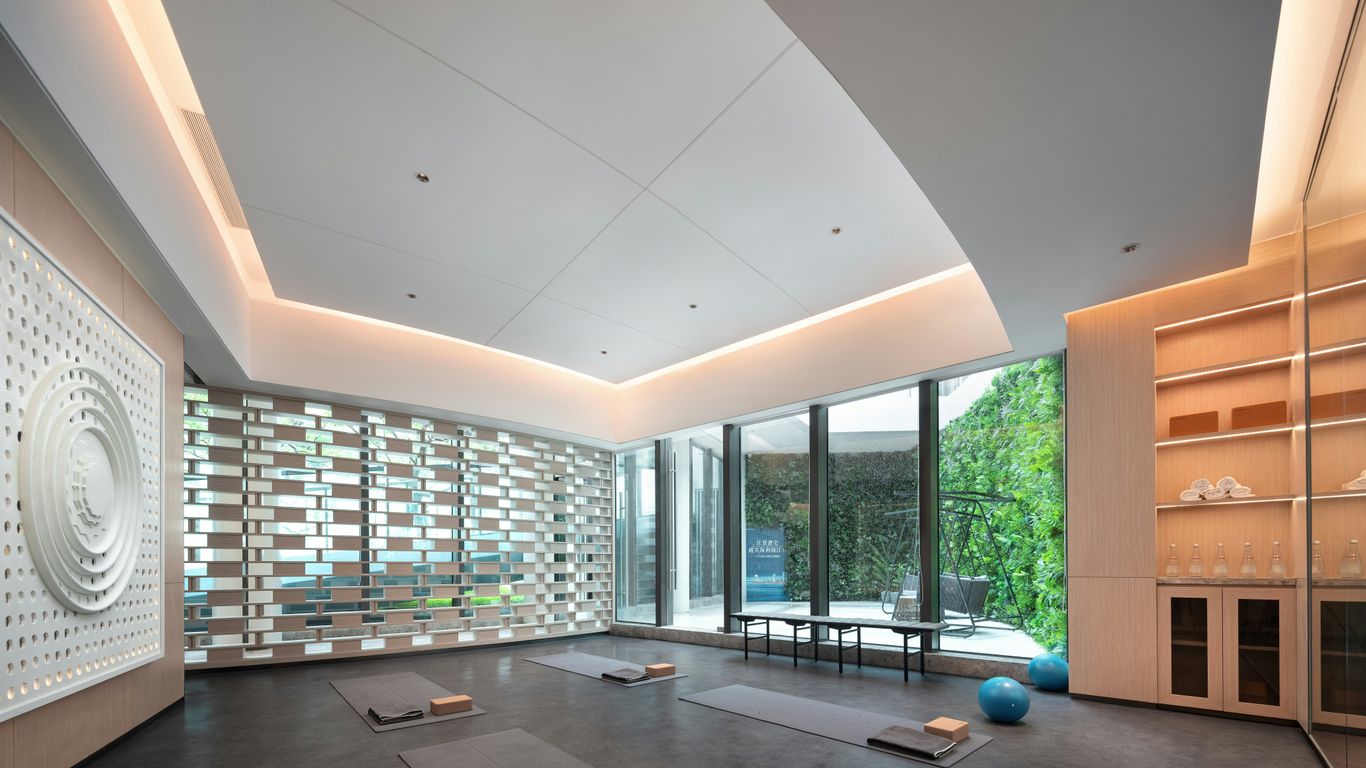
Focusing on the base of the spine helps cultivate a sense of being anchored regardless of your surroundings. Standing poses such as Mountain Pose or Warrior II are excellent for this purpose, as they demand total engagement with the ground beneath you. When you hold these positions, feel the connection to earth and notice how your posture shifts from shaky to steady.
Svadhisthana: Flowing movements for creativity and passion
Once grounded, the focus shifts to the pelvic area, where fluid motions inspire a freer range of movement. This stage of your practice shouldn't feel rigid, but rather like water moving through a stream. You might incorporate hip circles or lunges to release stored tension in the lower body, allowing for a more natural expression of strength.
Breathing techniques to support lower chakra health
Controlled breathing provides the rhythm for your entire sequence. By lengthening your inhalations and exhalations, you signal to your nervous system that it is safe to relax during intense poses. This practice effectively bridges the gap between physical exertion and mental calm.
Expanding personal power at the solar plexus
This area is often associated with your drive and confidence, making it a critical focus for building physical heat. When you engage your abdomen, you are essentially activating the engine that powers more complex movements across the entire body. The following breakdown shows how different physical goals relate to your core engagement level.
| Focus Area | Core Engagement | Benefit |
|---|---|---|
| Stability | Low to Moderate | Foundation building |
| Power | High | Heat generation |
| Presence | Constant Activation | Sustained balance |
Manipura: Engaging the core for inner strength
To really challenge yourself, look for poses that require your abdominal muscles to work against gravity. Holding a plank or boat pose forces you to maintain firmness throughout your center, which builds the internal stamina needed for more difficult sessions. It creates a practical shift in how you handle physical pressure.
Yoga flows that generate heat and confidence
When you move quickly between standing poses, you naturally elevate your heart rate and produce internal heat. This is useful for clearing lethargy and feeling ready to tackle the rest of your day. By moving with purpose, you define the quality of the session.
Integrating affirmations into abdominal poses
Sometimes, positive mental framing helps get you through a difficult hold. While maintaining a focused stance, choose words that remind you of your capability. This habit turns physical exercises into mental conditioning, allowing you to move through challenges with more grace.
Cultivating heart and throat communication
Opening the chest and relaxing the neck are essential for maintaining a sense of openness throughout your day. When you sweat during these focused sessions, our absorbent yoga towels help maintain your focus by keeping your equipment dry and clean. They offer the practical benefit of a non-slip surface, which is vital when holding chest openers like Camel or Cobra pose.
Anahata: Chest openers for openness and compassion
Backbends are arguably the most effective way to open the thoracic cavity and counteract a slumping posture. By expanding the chest, you physically release the weight you hold in your shoulders, which often feels like a release of tension. As you stretch, focus on wide, expansive breaths that fill your entire ribcage.
Vishuddha: Neck stretches to improve self-expression
The neck is a common holding place for daily stress, particularly if you spend hours at a desk. Incorporating gentle neck rolls or supported movements can alleviate that tightness quickly. It is all about finding where you feel restricted and using movement to grant yourself more freedom.
The importance of meditation in opening upper centers
Meditation is the final, quiet piece of this puzzle, allowing the body to settle after the more active parts of your practice. Sitting in silence allows you to process the physical work you just performed. Below is a list of ways to integrate this quiet period into your routine:
- Choose a dedicated space away from distractions.
- Use a soft cushion to maintain a neutral spine.
- Observe your thoughts without trying to force them away.
- Return your attention to your breathing whenever your mind wanders.
Elevating consciousness through the brow and crown
This final, meditative phase of your session is all about stillness. By shifting your attention inward, you move from physical exertion to a state of calm observation. It is here that you learn to listen to the subtle cues your body gives you regarding rest and recovery.
Ajna: Focus and stillness for mental clarity
Focusing your gaze on one fixed point helps quiet the chatter of the mind. This single-pointed focus is a practical discipline that you can return to whenever you feel overwhelmed during the day. It turns the practice into a training ground for calm action.
Sahasrara: The state of universal connection in Savasana
Savasana is the most important pose for integrating everything you have done on the mat. By lying flat and releasing all effort, you allow your muscles to recover and your thoughts to settle. It provides the necessary space to step away from your practice feeling rested.
Sequencing for silent reflection and awareness
After your final rest, take a few minutes to sit in reflection before jumping back into your daily tasks. Being intentional about how you conclude your session ensures that the benefits of your work persist. Treat yourself with patience as you transition out of your mat space.
Sequencing a full-body chakras yoga practice
Building a sequence takes practice, but it becomes much simpler when you follow a logical flow from the base upward. Using our durable yoga straps allows you to maintain correct alignment even if your hamstrings feel tight. Proper gear is often the difference between struggling through a pose and finding a comfortable, sustainable shape.
Pacing movements to transition between energy levels
Every session should start slow and gradually increase in intensity before tapering off again. This bell-shaped curve of effort is the most efficient way to work with your energy levels. If you push too hard too early, you risk fatigue; if you don't push enough, you miss the benefits.
Using intention setting to focus on specific chakras
Before you even step on your mat, define what you want to achieve. This could be as simple as wanting to feel more grounded or seeking more clarity on a specific challenge. Your intention acts as a compass, keeping you focused on the goal throughout the session.
Adapting poses for different skill levels and physical needs
There is no single "right" way to perform any movement; the right way is what you can do safely today. Modifications are not a sign of weakness, but a tool for sustainability. Whether you are using props or taking breaks, prioritizing your long-term health is the most important part of complete chakra guides.
Conclusion
Balancing your energy via chakras yoga is a practical, ongoing journey that rewards consistency and self-awareness rather than perfection. By utilizing quality tools and listening to what your body needs in each moment, you can create a sustainable rhythm that supports your physical and mental well-being in any environment, from your living room to your workspace.
Frequently Asked Questions
Do I need to be flexible to start a chakras yoga practice?
You do not need any specific level of flexibility to begin, as the practice is intended to work with your current range of motion rather than force you into advanced shapes.
How often should I practice to see improvements?
Consistency is more important than duration, so aim for short sessions two or three times a week rather than trying to do long, infrequent practices that are hard to maintain.
Can I practice these sequences if I am a complete beginner?
Yes, the focus on individual energy centers allows you to adjust the intensity of your movements, making it a very accessible entry point for those new to yoga.
How long should each section of my practice last?
You can tailor the time spent on each center based on your schedule, but spending at least a few minutes on each area will help you feel a more comprehensive effect by the end of your session.
What should I do if I feel overwhelmed during a session?
If you feel overwhelmed, stop, sit in a comfortable position, and focus entirely on your breath until your heart rate slows and your mind feels settled.
Are the chakras related to any particular religious belief?
While they originate in certain traditions, they are effectively used as tools for self-care and mental well-being across many different lifestyles and belief systems.
How do I know if I am focusing on the right energy center?
Pay attention to where you hold tension during the day; if you have neck pain, focus on the throat, or if you feel anxious, focus on the grounding poses for the root.