

The complete guide to stress reducing yoga for beginners
Key Takeaways
Starting a practice of stress reducing yoga helps you build resilience against daily pressures through gentle movement and breath work. Use our guide to create a routine that fits your lifestyle regardless of your experience level.
- Consistency matters more than the duration of each session.
- Proper breathing techniques instantly help calm the nervous system.
- Your environment influences your ability to unwind effectively.
- Simple props like Yune Yoga foldable travel mats make practicing accessible anywhere.
- Mindfulness transitions between poses enhance the overall mental benefits.
Understanding the physiological benefits of yoga for stress
Yoga serves as a practical tool for many individuals looking to create downtime amid busy schedules. By choosing to move your body with awareness, you can manage the physical manifestations of pressure that often surface throughout your day. Whether you are at home or traveling, having gear that facilitates movement helps maintain this helpful habit.
How yoga regulates the nervous system
Engaging in slow, controlled movements helps shift the body away from heightened alert states. You don't need intense athletic ability to experience these changes in your physical state, as simple stretches can encourage relaxation after a long afternoon. This systematic review from PMC suggests that such practices help the body transition into a more balanced, resting mode.
The role of cortisol reduction in daily practice
Daily movement helps you manage your physical response to environmental triggers. Consistent cycles of effort and release assist in regulating your body's base stress levels over time. As you practice, you may notice that you feel more capable of handling tasks without feeling completely overwhelmed.
Impact of movement on mental clarity and focus
Moving your body through simple sequences clears the mental clutter that accumulates during work hours. You can explore how effective yoga techniques assist in centering your attention on the immediate moment. By removing distractions and settling into your practice, you gain a refreshed perspective on your responsibilities.
Connecting physical posture to emotional stability
The way you hold your body affects how you interact with the world. By maintaining comfortable alignment during your sequences, you build a steady base that supports your emotional equilibrium. Using reliable accessories like high-grip yoga towels helps you stay stable in every pose, ensuring you focus on your physical mechanics rather than slipping.
Key breathing techniques for instant anxiety relief
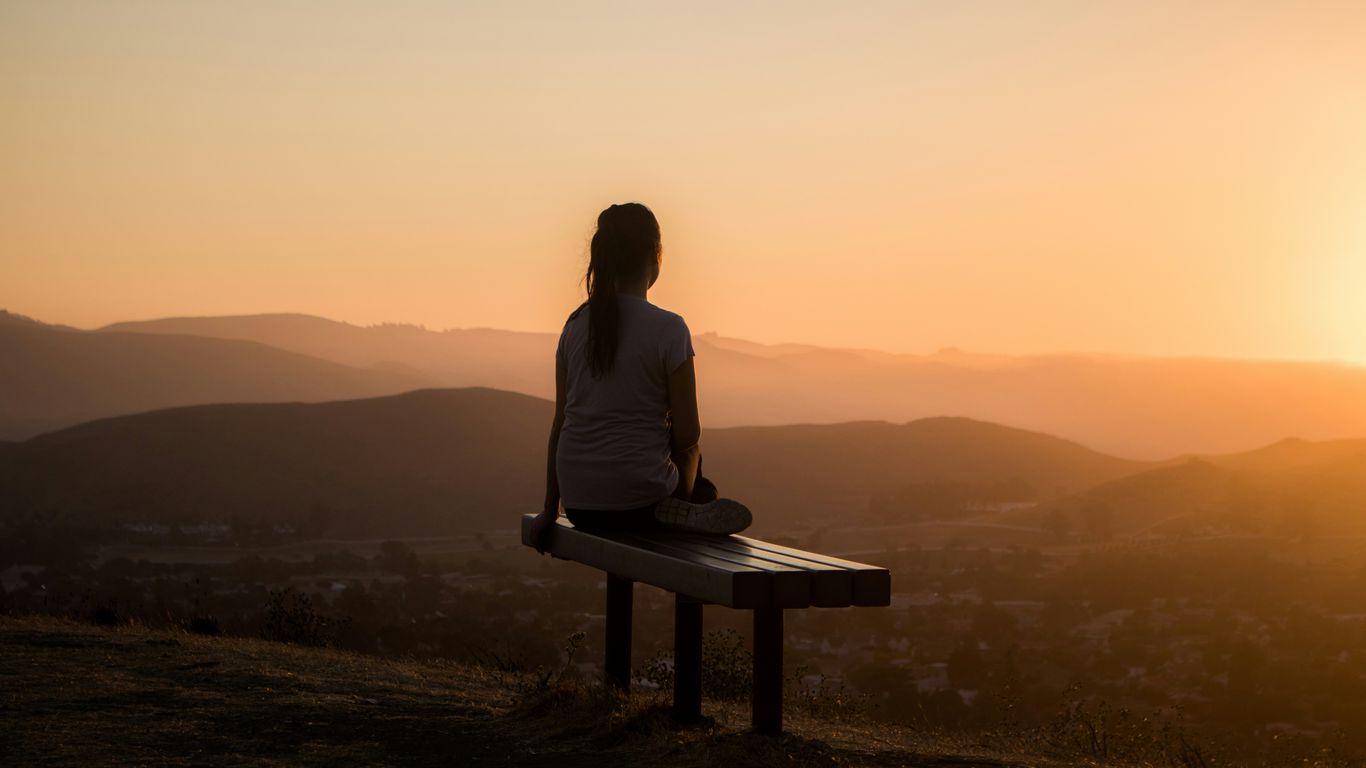
Controlled breathing is perhaps the most accessible way to influence your mood in real-time. These techniques don't require any equipment or specific locations, allowing you to use them at your desk, in a hotel room, or at a park. These methods provide a quick way to regulate your breathing rate whenever you feel a spike in tension.
Practicing deep belly breathing or diaphragmatic breathing
Deep belly breathing involves expanding your abdomen rather than your chest with every inhale. This method encourages the diaphragm to engage fully, which is an effective method for signaling physical relaxation. When you focus on the rhythm of your breath, you naturally pull your focus away from external worries.
The cooling benefits of sheetali pranayama
This specific technique uses a curled tongue to draw air into the body, creating a refreshing sensation. It is particularly helpful when you feel physically warm or agitated, as the incoming air feels crisp and calming. It is a simple tool to add to your toolkit for warm days.
Using alternate nostril breathing to balance energy
By gently closing one nostril at a time, you encourage a steady, bilateral flow of air. This process demands concentration and physically balances the breathing pattern. It works well if you feel as if your energy is scattered or if you need to prepare for a moment that requires calm focus.
Breath retention techniques for calming the mind
Holding your breath for comfortable counts after an inhale or exhale introduces a pause in your biological cycles. This pause acts as a brief buffer, allowing your busy mind to settle before continuing. It is essential not to push these holds to the point of discomfort; keep them gentle and light.
Essential stress reducing yoga poses
Developing a sequence of poses provides a structured way to release physical tension. By focusing on specific areas of the body where we typically carry stress, such as the back, neck, and hips, you quickly alleviate discomfort. Incorporating 9 effective yoga poses as suggested by physical therapists can help you ensure your movements are restorative and safe.
Grounding through child's pose
Child's pose serves as a primary resting position that encourages a folding motion of the spine. When you place your forehead against your mat, you create a sense of containment and safety. This pose is perfect for moments when you need to retreat and recalibrate your focus.
Releasing physical tension with forward folds
Forward folds allow gravity to gently lengthen your hamstrings and back muscles. This simple stretch is helpful for letting go of accumulated daily tension. Ensure you keep a slight bend in your knees to protect your lower back while you reach toward your feet.
Gentle spinal twists for bodily relaxation
Twisting movements assist in releasing tightness across the mid-back and shoulders. A gentle rotation allows your torso to lengthen and breathe more freely. These are effective to do at the end of the day to prepare your body for rest after long periods of sitting.
Restorative benefits of legs-up-the-wall pose
This pose is a cornerstone for nervous system recovery, requiring zero effort to maintain. Resting your legs vertically against a solid surface encourages circulation and provides a change of pace from upright living. It is a calm, quiet way to conclude any period of activity.
| Pose Name | Key Benefit | Suggested Duration |
| --- | --- | --- | --- |
| Child's Pose | Spinal release | 3-5 minutes |
| Forward Fold | Hamstring stretch | 2-3 minutes |
| Spinal Twist | Gentle back relief | 1-2 minutes per side |
Building a consistent home yoga practice
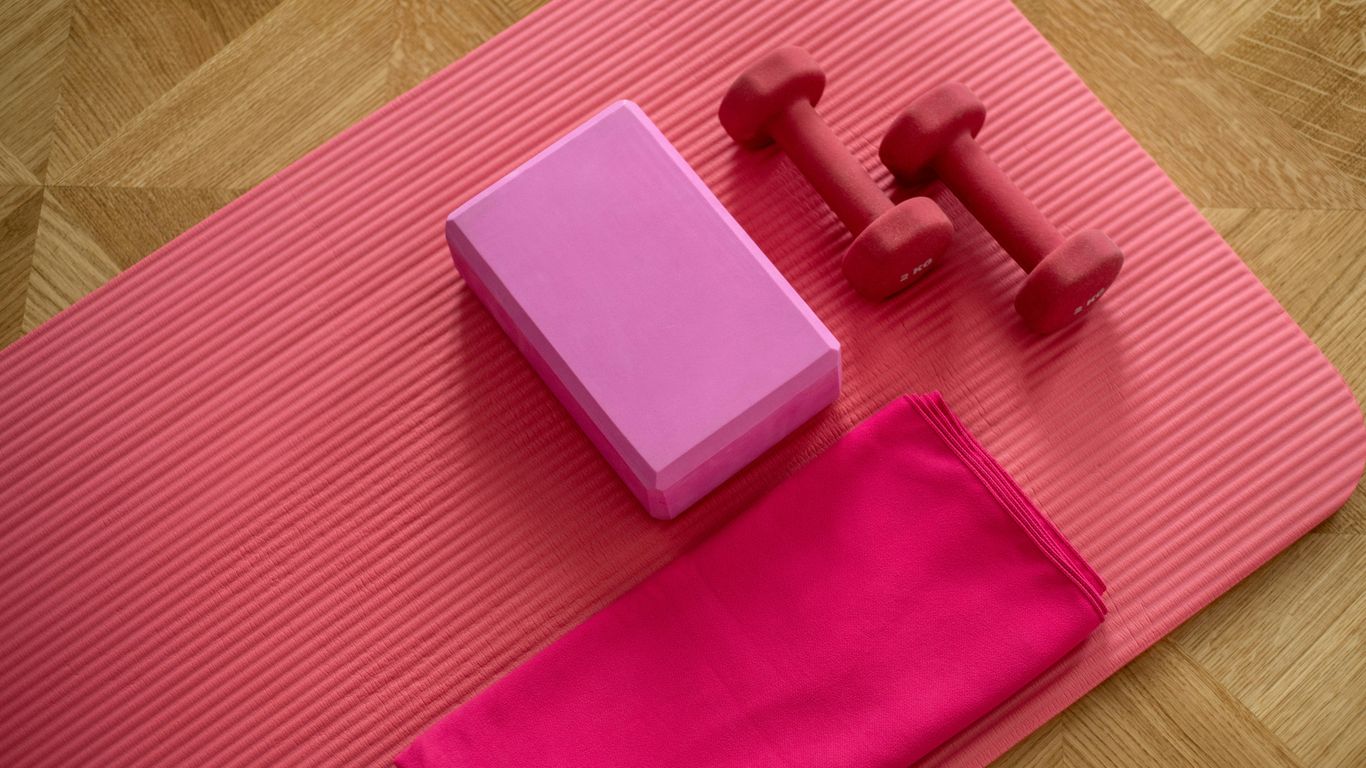
Consistency happens when you make the process convenient and welcoming. By keeping your gear ready to go, you remove the friction that prevents frequent practice. Our foldable travel mats from Yune Yoga are specifically designed to be lightweight and easy to pack, making it simple to maintain your routine even if your designated space changes from day to day.
Allocating a dedicated space for tranquility
You do not need a large room to have a dedicated practice area. Even a small corner where you can roll out your mat and stash your accessories helps form a habit. When you step into this space, your mind automatically recognizes it as a time for relaxation.
Selecting the best time of day for mental health
Choosing a moment that suits your personal rhythms is vital for long-term adherence. Some people benefit from a morning stretch to set their intent, while others prefer a sequence in the evening to release the hours of the day. The best time is the one you will actually use.
Utilizing props to support different body types
Props aren't just for beginners; they help align the body and make poses safer for everyone. Whether you need a strap to reach a stretch or a block to lift the floor, using these tools creates extra space for your joints. It helps ensure you find a comfortable space for every movement you make.
Avoiding burnout through balanced intensity
It is easy to overdo your activity if you feel you need to earn your relaxation. Balance your stronger, more active sessions with plenty of quiet, restorative work. Monitoring your own energy levels ensures you stay consistent without feeling the need to quit.
Incorporating mindfulness and meditation into your flow
Mindfulness keeps you grounded in your current sensations rather than worried about tomorrow. By observing your thoughts without judgment, you create space for calm to take root. This habit allows you to reduce stress consistently by using your practice as a bridge to quiet reflection.
Setting intentions at the start of your practice
Before you begin, take a moment to define why you are on the mat today. Whether it is to find patience, build focus, or simply move, naming it provides a framework for the session. This small act ties your physical efforts to your clearer mental goals.
Maintaining presence during transitions between poses
The way you move between one pose and the next is just as important as the pose itself. Pay attention to how your weight shifts and how your breath guides your path. Staying focused on these small movements prevents your mind from wandering back to your daily to-do list.
Closing with savasana for nervous system resetting
Savasana, or corpse pose, is the essential final step of any sequence. By lying still and completely yielding your weight to the floor, you invite your entire body to absorb the work you have done. It is the most effective way to reset after a full session.
Practicing gratitude to shift your mindset
Ending your flow with a few moments of gratitude focuses your mind on what is going well. This transition helps you step off the mat while keeping a positive frame of mind as you move back into the rest of your day. It is a powerful technique for shifting perspective before you face other demands.
Precautions and modifications for safe practice
Safety is a primary factor in maintaining a long-term, stress reducing yoga habit. Working with an effective yoga approach allows you to customize your sessions to fit your actual capacity. It is better to move with a smaller range of motion than to risk injury by pushing beyond your current limits.
Listening to physical limits and pain signals
Never ignore sharp or persistent pain while you practice. A good stretch should feel like gentle tension or a release, but it should never be agonizing. Pay close attention to what your body tells you, as it is your best teacher during any sequence.
Adapting poses for injury recovery
You can always modify a pose to suit your needs if you are recovering from a previous issue. Use blocks, cushions, or simply reduce the depth of your hold until you feel stable. Being smart about these changes keeps you in the game longer.
Consulting healthcare professionals before starting
It is always wise to discuss new movement routines with a doctor or physical therapist if you have concerns. They can offer personalized advice on which poses to avoid or which to emphasize. This professional perspective keeps you moving toward your wellness goals safely.
Knowing when to pause and rest during a sequence
You do not have to move through every second of a scheduled session. If you feel tired or lightheaded, take a child's pose immediately and wait for your breath to level out. Resting is a proactive way to make your practice more sustainable and effective.
Conclusion
Building a steady practice of stress reducing yoga involves patience, the right tools, and an encouraging mindset. By focusing on your breathing, adapting poses to your own body, and staying consistent, you create a reliable way to manage tension in your daily life. Remember that your journey is unique, and prioritizing these small, manageable acts of care is the best way to ensure long-term ease.
Frequently Asked Questions
Do I need to be flexible to start yoga?
No, yoga is for everyone regardless of their initial flexibility. The practice itself is how you develop that flexibility over time, so begin exactly where you are today.
How long should a daily practice last?
Even five or ten minutes of consistent movement is more beneficial than an hour of intense practice once a week. Focus on building the habit first before extending your time.
Can I practice yoga if I have back pain?
Many poses help with back tension, but it is important to avoid anything that causes sharp pain. Consult a medical professional for guidance and always prioritize gentle, restorative movements.
What should I wear during my practice?
Wear comfortable clothing that allows you to move freely without being restricted by tight seams or heavy fabrics. Choose items that let you focus on your breath instead of your outfit.
Is it normal to feel emotional while doing yoga?
It is quite common to feel a release of emotions during deep stretching or breathing work. Recognize this as a natural part of the process and allow yourself the space to breathe through these feelings.
How often should I practice to see benefits?
Consistency is the key to seeing changes. Practicing a few times a week can provide noticeable benefits for your mood and stress levels over the course of a month.
Can I do yoga at home without an instructor?
Yes, many people develop a successful home practice using reliable educational guides or online demonstrations. Start with simple poses you feel confident in and grow your routine gradually as you increase your experience.

