A beginner’s guide: Manduka yoga strap how to use
Key Takeaways
Learning to use a strap helps bridge the gap between your current flexibility and your desired pose depth, making your practice safer and more effective. Follow this guide to master your setup, maintenance, and technique.
- Straps provide critical support for difficult binds and deep stretches.
- Choosing the right strap length ensures you can hold poses comfortably.
- Proper maintenance of buckles and fabric extends the life of your equipment.
- Using props in restorative poses encourages passive release rather than active straining.
- Always listen to your body to avoid over-stretching and injury.
Understanding your Manduka yoga strap design
Anatomy of the Manduka AligN strap
The Manduka AligN strap features a thoughtful construction modeled after historical designs, emphasizing durability and reliable performance. This tool is built from natural, unbleached cotton that feels soft against the skin while remaining strong enough for repetitive use. By supporting your body, a high-performance strap allows you to maintain optimal form while working toward deeper intensity. It remains a staple for practitioners who value simple, functional gear that stands up to daily wear.
Choosing the right length for your height
Selecting a strap length depends largely on your height and the specific poses you intend to practice most often. A standard 6-foot strap generally covers most needs for seated forward folds and basic arm extensions. However, taller practitioners or those focusing heavily on restorative sequences might benefit from 8-foot or 10-foot options to accommodate larger spans. Think of this selection as part of a versatile and conscious addition to your personal yoga equipment setup.
The mechanics of the Manduka buckle system
The strap’s buckle is where the design truly shines, utilizing a secure interlock system made from zinc alloy. This component holds tension without slipping, ensuring that your strap stays exactly where you set it during a pose. If you have ever adjusted your form during a class, you will appreciate how this slip-free support keeps training safe. It balances ease of use with the reliability required for both casual practice and more demanding sessions.
Using a strap to improve pose alignment
Finding balance in standing poses
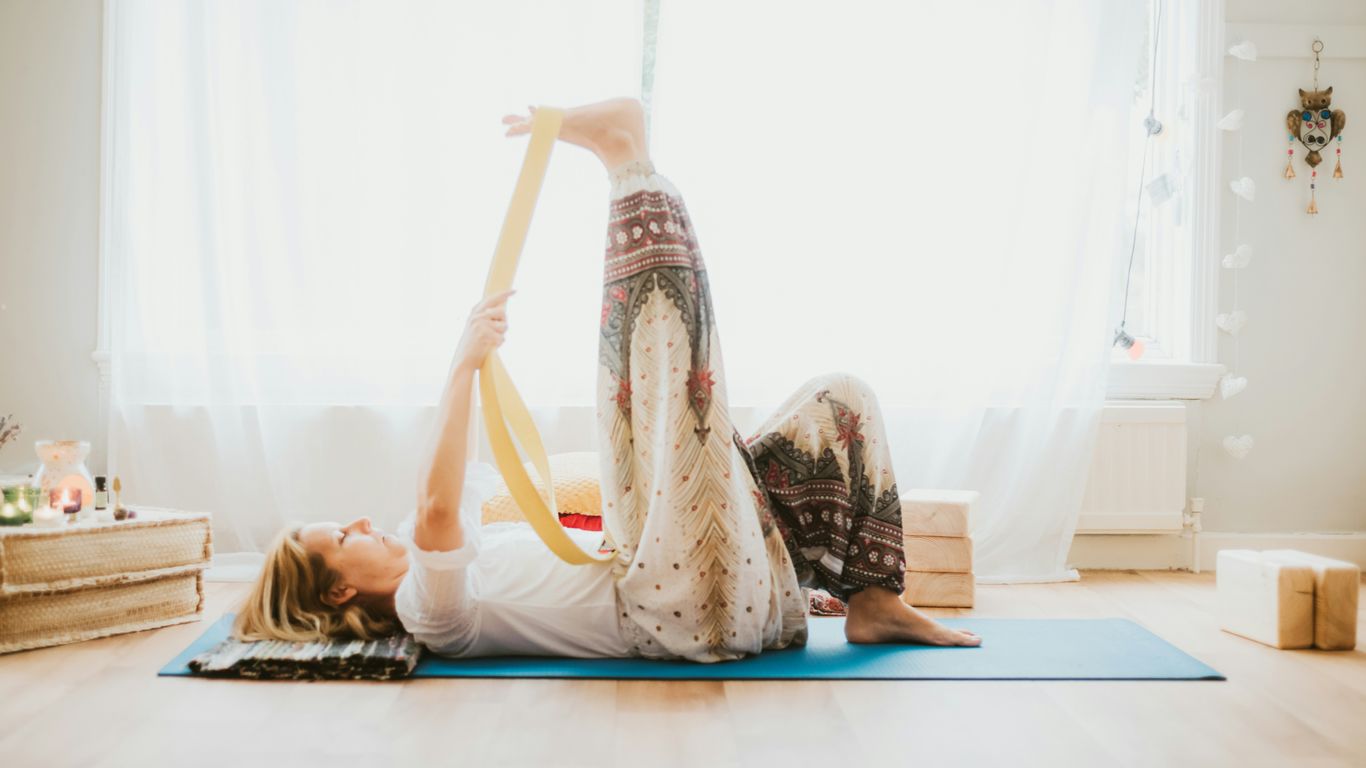
When working on standing balances, using a strap can keep your posture upright and your shoulders neutral. By looping the strap around the lifted foot, you prevent the common tendency to round the back or lean forward. This allows you to stand tall while you maintain a straight and aligned spine throughout the balance. As you find your center, the strap provides just enough extra reach to keep your chest open and your gaze steady.
Maintaining spinal integrity in seated forward folds
Seated forward folds often cause individuals to collapse the chest to reach their toes. By using a strap around the balls of your feet, you can pull gently to keep your spine long and your shoulders rolling back. This simple adjustment shifts the focus from reaching your extremities to working the muscles in your back and hamstrings correctly. It turns an otherwise straining movement into a controlled stretch.
Correcting shoulder positioning in backbends
Backbends are notorious for compressing the shoulders if you are not careful about your alignment. Holding a strap between your hands allows you to keep those shoulders engaged and prevents them from shrugging toward your ears. This technique creates a sense of space in the chest that is essential for progressing safely. It also helps those practicing sustainable craftsmanship in their routines by encouraging proper movement patterns.
Increasing flexibility with progressive stretching
Deepening hamstring stretches safely
Hamstrings require time and consistent pressure to open, and a strap acts as an extension of your own reach. Rather than forcing your hands to touch a target, you can grip the strap and slowly walk your hands closer to your feet. This approach ensures you are not creating unnecessary muscle strain while trying to force a result. It allows you to feel a steady sensation that you can breathe into until your flexibility improves over several weeks.
Opening the chest and shoulders for better posture
Posture work often centers on counteracting the tightness that comes from long hours at a desk. Using a strap in simple chest-opening exercises allows you to broaden your collarbones and stretch the front of the body. You can utilize the following routine to gradually increase your range of motion over time:
| Stretch Type | Goal | Frequency |
|---|---|---|
| Overhead Reach | Upper back release | Daily |
| Behind-the-Back | Chest expansion | 3x weekly |
| Shoulder Rotation | Mobility gains | Daily |
After working through these movements, you will likely notice a significant difference in how your upper body feels during daily activities. Incorporating long and short yoga straps into your work breaks might even help mitigate shoulder tension.
Using tension to reach further in binds
Binds are often limited by the length of our arms, but a strap removes that limitation entirely. By holding onto the strap with both hands, you can create a bridge across your body, allowing you to grip and work the pose without needing physical contact right away. This builds muscle memory for the moment when you might eventually reach for your fingers comfortably. It is a practical way to continue working on your form when your body is not quite ready for the full expression of an advanced bind.
Integrating straps into restorative yoga sequences
Achieving passive release in reclining poses
Restorative yoga focuses on holding postures for extended periods, and the strap is essential for achieving true passive release. In a reclining butterfly or a supported side-stretch, the strap holds the tension of the weight so your muscles do not have to. This allows the nervous system to calm down because the body feels completely supported by the props.
Supporting the body during long-hold meditation
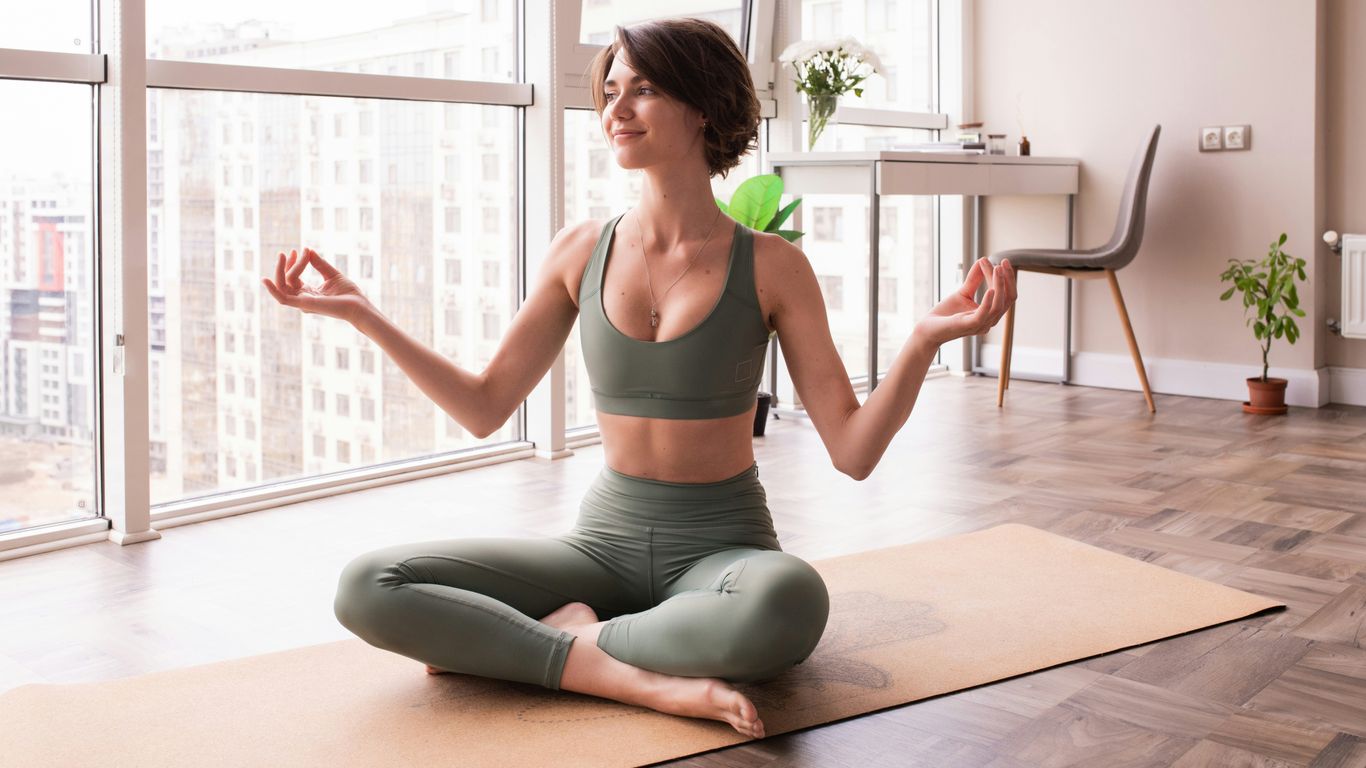
Meditation often requires sitting firmly, which can be taxing if your hips or back feel tight. A strap can be tied to support the connection between your knees and your base, helping you maintain a stable sitting posture for longer periods without wobbling. It ensures your skeleton can hold your weight so your muscles can stay soft and relaxed throughout the session.
Reducing strain in active relaxation positions
Active relaxation is a balancing act of engaging enough to be supported but staying loose enough for recovery. Using a strap around your thighs or torso gives you a physical guide for alignment that requires minimal active thought. It means you can focus entirely on your breath while the durable and comfortable strap holds everything together for you.
Caring for your Manduka yoga strap
Routine spot cleaning for cotton webbing
Cotton webbing is resilient, but it can trap sweat and dust over time. To keep your strap fresh, simple spot cleaning with a damp cloth and mild soap is usually enough to remove surface dirt. Avoid using harsh chemicals that could degrade the organic fibers or cause irritation to your skin during future sessions.
Ensuring the buckle mechanism stays clear of debris
Because the buckle is precision-engineered, you should check it periodically for any buildup of debris from the studio floor. A quick wipe down ensures the metallic teeth remain free of grit, maintaining a secure grip on the strap. Keeping it clean ensures the device remains as reliable as the day you first picked it up.
Proper storage techniques to prevent environmental wear
When you are not using the strap, store it in a cool, dry place away from direct sunlight. Excessive exposure to UV rays can weaken natural cotton over time, making it brittle. Consider rolling it up or hanging it neatly to ensure it keeps its shape and stays ready for your next practice.
Safety tips and common mistakes to avoid
Avoiding over-stretching and muscle strain
The biggest mistake beginners make is using the strap to pull themselves into a position too quickly. Always prioritize a gentle build-up of sensation instead of trying to reach a depth that causes tension or pain. If you feel any sharp discomfort, back away immediately and respect your current limits.
Checking your strap for fraying or structural damage
Even quality gear requires attention, so inspect your strap regularly for any signs of loose threads or fraying near the buckle. If you notice structural compromise, it is definitely time to replace the piece to keep your practice stable and secure. Never take risks with equipment that shows visible signs of heavy wear.
Identifying when you no longer need the support
Progression is the goal, and eventually, you may find that you can reach your toes or perform a bind without the strap. That is a sign your flexibility is improving, but you can continue using the strap for different training angles or support. There is no shame in using props; they are tools for refining your movement, not crutches that you must eventually discard.
Conclusion
Mastering your yoga strap is a lifelong process that significantly enhances your connection to your body. By integrating this simple tool into your alignment, flexibility, and restorative routines, you create a more supportive and sustainable practice that evolves right alongside your progress.
Frequently Asked Questions
Can I use a strap if I am a complete beginner?
Absolutely, a strap is one of the most useful tools for beginners because it allows you to access deep poses safely while your range of motion is still developing.
How do I know if my strap is tight enough?
The strap is properly adjusted when it provides moderate resistance that allows you to deepen a stretch without forcing any part of your body into a painful position.
Does the material of the strap matter?
Natural materials like cotton provide a more comfortable grip and are generally more durable than synthetic alternatives that might fray or become slippery when you sweat.
Should I wash my yoga strap in a machine?
Check the manufacturer's care instructions, but most high-quality cotton straps can be machine washed on a gentle cycle, preferably inside a laundry bag to protect the buckle.
Can a yoga strap help with my posture at home?
Yes, by using a strap for shoulder-opening exercises, you can combat a rounded back and encourage a more upright and open chest position throughout the day.
What length should I buy if I am taller than average?
A longer strap, generally 8 feet or more, is recommended for taller practitioners to ensure there is enough length to comfortably loop it around limbs or assist in deep binds.
Is a yoga strap only for stretching?
No, it serves as a multi-functional tool that can also act as a mat carrier, a support for restorative meditation, or an aid for maintaining alignment during challenging balance poses.