

The best yoga mat: Reddit’s top recommendations and real-world reviews
Key Takeaways
Finding the right surface for your practice is a common challenge, with many enthusiasts constantly debating which mats hold up best over years of regular use.
- Grip, durability, and joint support are the top three factors Reddit users prioritize when selecting a new mat.
- Natural rubber remains a favorite for its traction but requires more frequent cleaning and care than synthetic materials.
- Polyurethane-topped mats offer exceptional slip-resistance during hot yoga sessions but demand careful handling to avoid surface wear.
- High-density closed-cell mats are the go-to recommendation for practitioners who need long-term stability and firm cushioning.
- Portability is essential for travelers, leading many to seek out foldable or thin, lightweight options designed for easy transport.
Understanding why the Reddit community values specific yoga mats
When you start digging into the forums, you quickly realize that the search for the best yoga mat reddit enthusiasts recommend is less about brand names and entirely about real-world performance. People share stories of mats that lasted decades or failed after only a few months of home use. This community focus on brutal honesty helps sort through marketing hype, allowing users to find gear that actually stands up to sweaty, daily practice.
The importance of grip for sweat-heavy hot yoga sessions
Grip is the single most discussed feature on community forums because falling out of a pose due to a slippery mat is both frustrating and potentially dangerous for your joints. For hot yoga, practitioners prioritize materials that either wick moisture away or provide a tacky friction that increases with heat. While some prefer standard mats, others find that specialized surfaces provide the security needed to hold transitions comfortably.
Prioritizing long-term material durability and eco-consciousness
Many users express a strong preference for materials they can trust to last for years rather than needing a replacement every season. There is a general consensus that while entry-level mats serve as a starting point, investing in higher-quality items reduces waste. The community frequently highlights mats that are free from harmful chemicals, prioritizing long-term safety alongside the longevity of the product itself.
Sorting through paid sponsorships versus genuine user feedback
One of the most valuable aspects of community discussions is the ability to filter out paid influencer content. Redditors often provide raw, unvarnished descriptions of their gear, noting exactly where it fails or excels. This skepticism helps new yogis avoid common pitfalls like buying into aesthetic fads that lack the technical performance required for a serious practice.
Identifying the role of initial break-in periods for performance mats
Not every high-performance mat works perfectly right out of the packaging. A common discussion point involves the necessary "break-in" phase where a new mat might feel slightly slick until the surface develops a bit of texture through consistent use. Understanding that your mat might need a few weeks to reach its peak grippy potential is a recurring piece of advice for newcomers who might otherwise return a great product too early.
Top-rated rubber mats for superior traction and performance
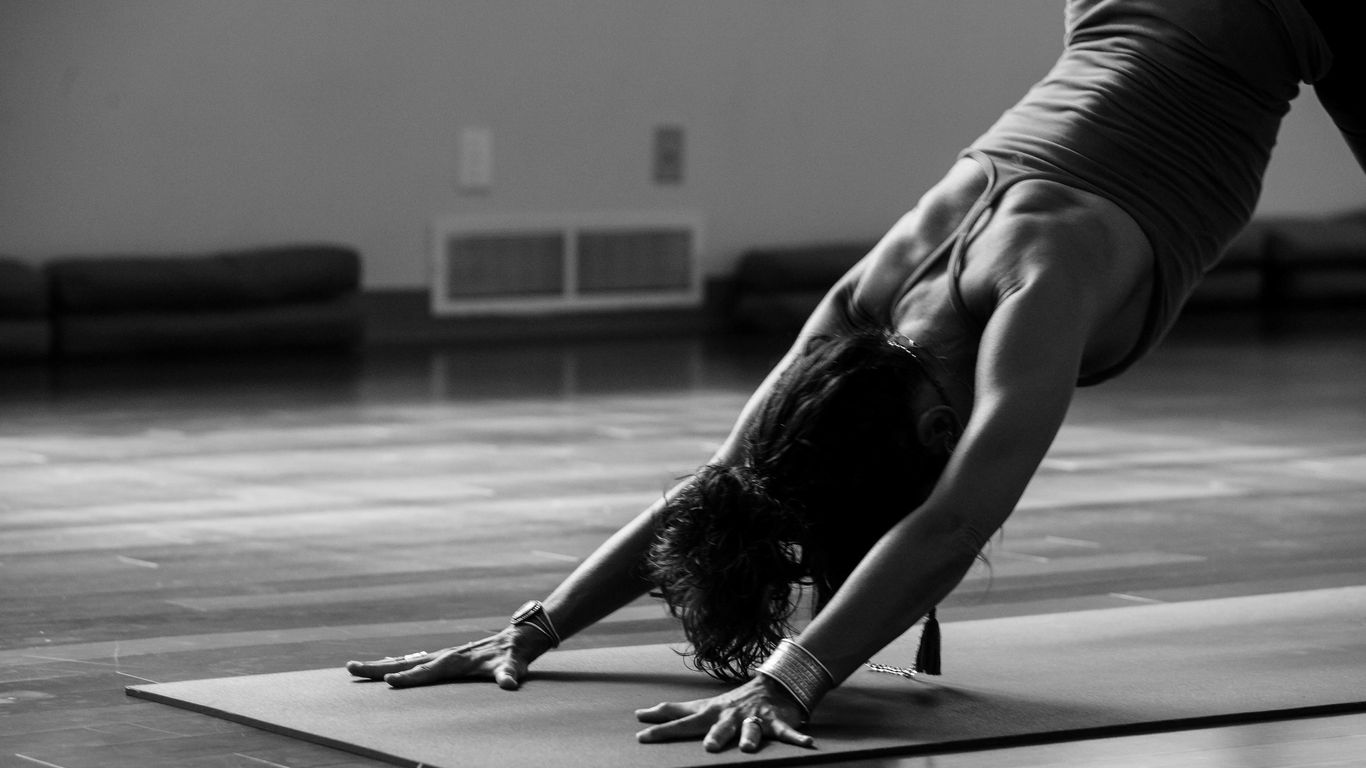
Natural rubber mats are frequently lauded for their unparalleled traction, which is often considered the gold standard for those who do not use an additional towel. These mats rely on the inherent properties of the material to provide a stable, non-slip base. Because rubber is a natural product, it has a unique feel and smell that some users love for the grounding effect it brings to their morning routine.
Why Jade Yoga is a frequent mention for natural grip
Jade Yoga mats are consistently mentioned for their excellent natural grip, which helps practitioners maintain alignment without sliding. Many users report that these mats feel sturdy and reliable from the very first day. Their popularity stems from providing a high-friction surface that works well for those who prefer not to use an extra mat towel during their sessions.
The specific trade-offs of using porous natural rubber
Because rubber is a porous material, it naturally absorbs moisture, which can be both a benefit and a challenge. While it prevents sweat from pooling on the surface, it can also trap bacteria if not allowed to dry thoroughly. This is why many experienced users emphasize that these mats are best suited for those who are diligent about their cleaning rituals.
Proper maintenance tips for keeping rubber mats slip-free
Maintaining the performance of a natural rubber mat is quite different from caring for closed-cell surfaces. To ensure your mat remains reliable, follow these habits to prevent degradation and buildup:
- Wipe the mat down after every single session to remove sweat oils.
- Use only water or heavily diluted gentle soap for deeper cleans.
- Keep your mat stored out of direct, harsh sunlight to prevent cracking.
- Allow the mat to air-dry completely before rolling it up for storage.
These simple steps will keep your mat in peak condition for years of practice.
How environmental factors impact rubber decomposition
Natural rubber is biodegradable, which is a major draw for eco-conscious yogis, but it does mean the material is sensitive to its environment. Factors like high heat, direct sunlight, and excessive moisture can cause the mat to break down faster than intended. Users in sunny climates or those who keep their mats in hot car trunks often notice that their rubber gear requires more frequent replacement compared to synthetic alternatives.
Popular polyurethane options for high-intensity practice
Polyurethane (PU) mats have carved out a significant space in the market because they handle heavy sweat better than almost any other material. These mats typically feature a top layer of thin, high-grip material over a supportive base, allowing for a smooth practice even in the most humid studio environments. They are particularly popular among those who engage in high-intensity Vinyasa flows and need to move quickly without losing footing.
Why the Lululemon Reversible mat sustains a cult following
Lululemon mats are frequently cited as the go-to for those who value superior grip during intense, sweat-heavy workouts. Users often note that the moisture-wicking surface feels incredibly secure, and the mat's density provides a solid, flat foundation. The "reversible" aspect also adds a layer of versatility that appeals to those who like to have two different textures for different days or styles of practice.
How polyurethane tops handle heavy moisture during Vinyasa
In a fast-paced Vinyasa flow, your body can produce a significant amount of sweat in a short time. PU tops are designed to effectively manage this, preventing the liquid from creating a slipping hazard. Instead of the surface becoming slicker as you sweat, the top layer allows you to hold your ground, which is essential for maintaining proper form during balance poses and transitions.
Recognizing signs of wear and surface degradation in PU
As much as users love the grip, they are also very clear about the durability limitations of PU mats. Over time, the top layer can show signs of peeling or thinning, especially in areas where your hands and feet are placed most frequently. Understanding that this is a common occurrence can help you choose the right mat for your specific intensity level:
| Feature | PU-Topped Mat | Rubber/PVC Mat |
|---|---|---|
| Surface | High-friction PU layer | Textured/Closed-cell |
| Sweat | Absorbs/Wicks well | Repels/Stays on top |
| Lifespan | Moderate (high wear) | Long (durable) |
| Best For | Hot Yoga/Vinyasa | Gentle/Restorative |
Selecting based on frequency of use ensures you aren't disappointed when the surface shows signs of age.
When to avoid specific PU-topped mats for sensitive skin
While PU mats offer great grip, some users with sensitive skin or allergies prefer to look elsewhere. The process used to achieve that super-tacky finish can potentially irritate or cause a reaction in certain individuals. Always keep this in mind if you have historically had difficulty with synthetic materials or tactile sensitivities, and consider a hypoallergenic PER option instead.
Premium closed-cell mats for longevity and joint support
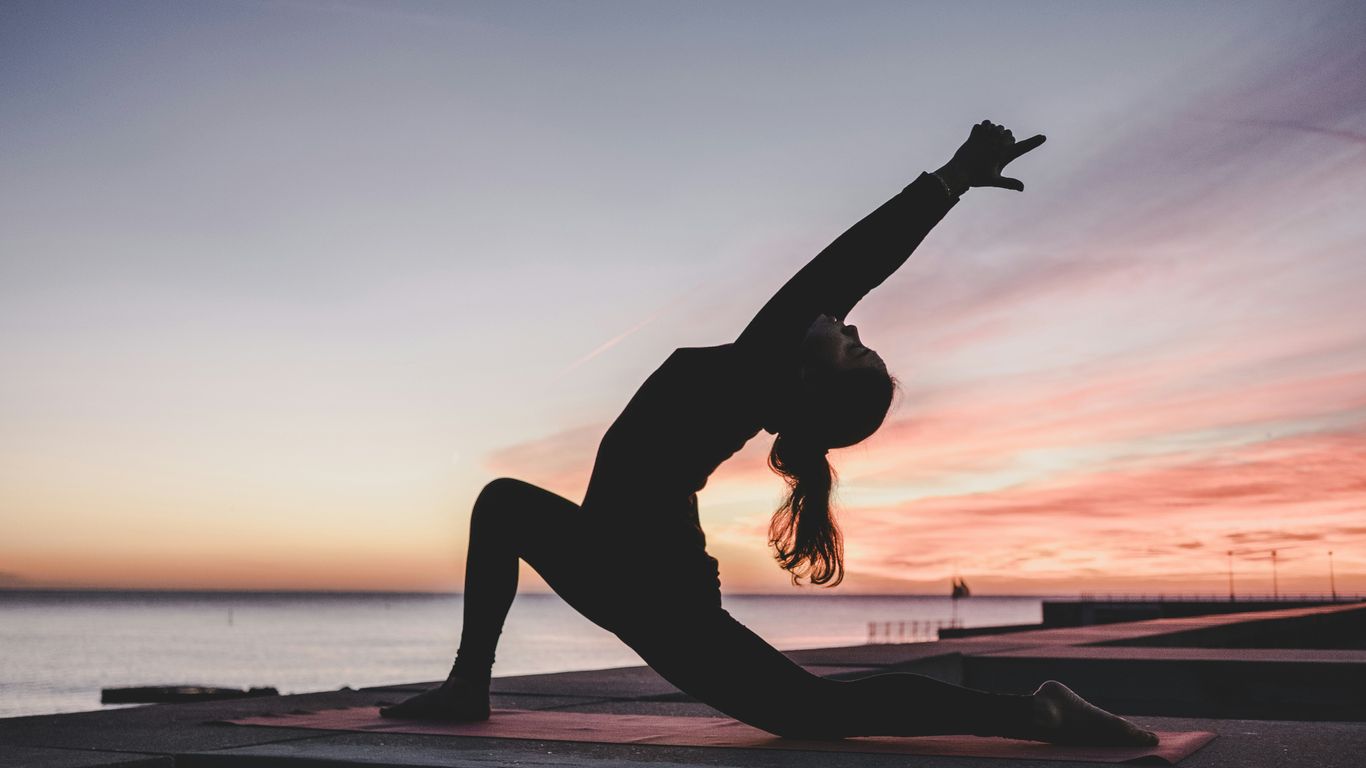
For those who prefer a firm, rock-solid surface, closed-cell materials are often the final destination in the hunt for the perfect mat. These mats are manufactured in a way that prevents moisture from soaking into the material, which makes them incredibly hygienic and long-lasting. They don't typically offer that soft, squishy feeling, but they provide the kind of unwavering support that is vital for protecting your joints during longer holds.
The gold standard reputation of the Manduka PRO series
The Manduka PRO series is widely regarded on Reddit as one of the best long-term investments in the yoga world. Owners regularly share stories of using the same mat for over a decade. Its high-density construction is specifically engineered to provide a lifetime of support, which helps mitigate the cost of the initial purchase by reducing the need for replacements.
Choosing between standard, extra-long, and travel-sized versions
One of the benefits of premium closed-cell lines is the range of sizes available to suit different body types and practice styles. Whether you need a standard length, an extra-long version for tall practitioners, or a smaller travel-sized mat that fits in your carry-on, these professional-grade options provide consistency across their entire range. This reliability is why so many studios opt for these mats for their communal collections.
Why the break-in period is a critical discussion point for professionals
A common warning in online threads is that these professional-grade mats can be incredibly slippery when brand new. Because they do not have a porous top, they require a period of usage or a salt-scrub treatment to provide the best possible grip. It is a classic point of contention where some users find the extra effort worth it for the long-term quality, while others prefer ready-to-use options.
The unique benefits of high-density PVC for joint sensitivity
High-density materials are excellent for people who struggle with knee or wrist sensitivity. Because the mat is dense, it won't bottom out while you are kneeling or balancing, nor will it stretch in a way that compromises your stability. Think of it as a solid, grounded platform that stays where you put it, regardless of the intensity of your movement.
Lightweight and travel-friendly Reddit favorites
For those who practice away from home, finding a mat that is both light enough to carry and supportive enough to practice on can feel like a contradiction. Reddit users often favor thinner, foldable versions that can be stashed in a suitcase or strapped to a backpack. These mats are generally not meant for everyday, hour-long studio sessions, but they excel in hotel rooms, on vacation, or for quick workouts in the park.
Balancing packability with necessary cushioning depth
There is always going to be a trade-off between the weight of your mat and how much cushioning it provides. To save space, many people look for a thickness that lands right around the middle of the spectrum—thick enough to protect your knees, but thin enough to fold cleanly. Exploring products like foldable mats can often mean you are giving up some of that "plush" feel for true portability.
Using thin travel mats as grippy layerable toppers
One popular strategy among frequent fliers is to use a very thin, lightweight mat as a travel overlay. By placing it over a thicker, communal mat at your destination, you get the hygiene of your own personal surface with the cushioning provided by the studio gear. This is a very efficient way to keep your practice feeling consistent without hauling around a massive, seven-pound mat.
Evaluating folding versus rolling techniques for portability
Rolling is the standard for most mats, but folding really changes the game for packing efficiency. If you are a frequent traveler, choosing a mat that is specifically designed to be folded or tightly snapped is a much better choice than trying to force a standard roll into a carry-on bag. Just look for materials that won't show permanent creases even after hours of being tucked away tight.
Best cleaning practices for travel-specific materials
Travel mats see more dirt and more varied environments than home-bound mats, so cleaning them becomes a bit more urgent. Because they are often made of lighter, synthetic, or blended materials, simple sanitizing wipes—used sparingly—and a quick rinse are usually enough to keep them fresh. Avoiding harsh chemicals is still the rule, but you can certainly be more systematic about your cleaning schedule after every beach or park session.
How to match your mat choice to your specific yoga style
Choosing the right equipment depends heavily on what you actually do on your mat. A restorative yoga practitioner has very different needs than a power Vinyasa instructor who is dripping sweat by the end of the first sequence. Your choice should support your practice, not hinder it, which is why aligning your material with your movement style is considered the most practical advice for any yogi.
Selecting materials for restorative versus power Vinyasa flows
Restorative sessions often benefit from a softer, plush surface that allows you to sink into your poses safely. Conversely, a power Vinyasa flow requires a firm, high-traction surface that won't buckle or slide when you move dynamically. Knowing whether your focus is on slow, mindful grounding or fast, heat-building intensity is the single most important filter to use when reading through recommendations.
Considerations for studio owners and frequent communal use
If you are setting up a studio space, the requirements change from personal preference to general resilience. Durability is king when you are buying mats for dozens of different users, and the ability to wipe things down with high-frequency cleaning solutions is vital. You want to choose equipment that can maintain its shape and hygiene despite consistent, heavy usage from many different body types and styles.
Aligning mat thickness with joint protection requirements
Thickness is subjective but necessary to consider when joint comfort is the goal. If your practice involves a lot of kneeling or floor-based work, a 6mm mat often provides the perfect buffer. If you prefer to feel the floor for a better sense of balance in standing postures, you might find that a thinner, denser mat allows for a more connected and stable experience, especially during balance-heavy work.
Determining the right size based on height and practice style
Don't forget to look at your own dimensions before hitting 'add to cart.' A standard 68-inch mat is often too short for taller yogis, and a standard 24-inch width can feel claustrophobic if you want to spread out your limbs. Getting an extra-long or wide mat can genuinely improve your practice by giving you enough space to move and extend safely, ensuring your hands and feet stay on the mat through every reach.
Conclusion
Choosing the right yoga mat is a deeply personal decision that balances your specific movement needs, the intensity of your sessions, and your individual sensitivity to materials like rubber or synthetic polymers. By leaning on the collective wisdom of practitioners who share their honest, long-term experiences online, you can sift through the marketing clutter to find a foundation that truly supports your practice. Whether you prioritize the high-friction grip of a natural rubber mat, the reliable durability of a dense closed-cell model, or the portability of a travel-ready design, there is a perfect product out there to help you show up on your mat with confidence and comfort every single day.
Frequently Asked Questions
How often should I truly replace my yoga mat?
Most mats will show clear signs of wear like flaking, thinning, or loss of grip when they are near the end of their life, which typically happens every one to three years for regular users. If you are practicing daily, you might notice your mat wearing out faster, while occasional practitioners might get many more years out of theirs.
Can I wash my yoga mat in a machine?
Most mats are not built for machine cycles and, even when they are, the agitation can damage the structural integrity or grip of the surface. Stick to hand-washing or light wiping with a soft cloth and a gentle cleaning solution to ensure your mat lasts as long as possible.
Is there a difference between studio-grade and home-grade materials?
Studio-grade mats are often built for high-frequency use and are designed to hold up against standard disinfectant sprays used in communal settings. Home-grade options might focus more on comfort or specific textures that could degrade faster under the heavy-duty cleaning regimens used in commercial gyms.
Why does my new mat have a strong chemical smell?
Some mats, particularly those made from certain synthetic materials, undergo a process that leaves behind a temporary odor when first unrolled. This is usually not harmful and typically dissipates within a week or two if you leave the mat unrolled in a well-ventilated space.
Should I use a yoga towel for better grip?
Yoga towels are a great way to add a layer of hygiene and grip to your practice, especially if you tend to sweat heavily. They can effectively transform a slippery surface into a stable one and are easy to throw in the laundry after a hot, intensive session.
Is a thicker mat always better for comfort?
While a thicker mat offers more cushioning for your knees, it can actually make balance poses more difficult because your feet might sink into the soft surface. The best choice is often a balance between enough cushioning for joint support and enough density to provide a stable foundation for standing work.
What should I look for if I am new to yoga?
Start with a mat that provides a good, balanced mix of traction and support without requiring specialized care or a lengthy break-in period. Many beginners find that a standard medium-firm mat works perfectly to help them practice basic poses comfortably while they determine what they prefer for their long-term gear.

