

How to choose the best hot yoga mat for your practice
Key Takeaways
Finding the right mat involves balancing grip, comfort, and portability to ensure your practice remains steady and enjoyable. These essential factors guarantee comfort during even the most demanding sessions:
- Prioritize materials that handle moisture effectively to prevent slipping during intense heat settings.
- Select a thickness that provides sufficient cushioning for sensitive joints without sacrificing stability.
- Consider weight and foldability if your practice involves travel or frequent outdoor movement.
- Inspect surface textures for reliable traction during high-sweat poses and sequences.
- Choose durable, non-toxic materials that support long-term use and maintain hygiene standards.
Material and grip technologies
When exploring the foundation of your practice, understanding how different materials handle sweat is a game changer for safety. Selecting the ideal hot yoga mat best suited to your needs requires looking beneath the surface.
Understanding open-cell versus closed-cell foam
Open-cell mats act like a sponge, drawing moisture away from the surface to maintain friction, while closed-cell designs rely on surface texture to keep you stable. Closed-cell options, such as the Yune Yoga Hatsumi Non-Slip Yoga Mat, are often easier to keep clean because they do not absorb perspiration into the material core. Understanding this distinction is vital, especially if you prioritize hygiene alongside grip consistency.
The importance of moisture-wicking and absorption properties
Absorbent properties are critical when things heat up, as sweat creates a slippery barrier between you and your mat. The Yune Yoga Tofino Mat is specifically engineered with traction that becomes more effective as it warms, ensuring that your hands and feet stay connected to the surface. Effective moisture management allows you to focus on your alignment instead of worrying about sliding mid-pose during hot yoga mats comparison trials.
Testing surface textures for stability during heavy sweat
Surface texture serves as the final line of defense against slippage, providing the physical ridges needed to maintain grip. Texture types vary from subtle embossing to more pronounced patterns, each affecting your glide differently during movement. Professionals often suggest exploring ultimate non-slip yoga mat options to ensure that the texture works in harmony with your body heat, delivering the friction required for challenging balancing postures.
Essential sizing and thickness considerations
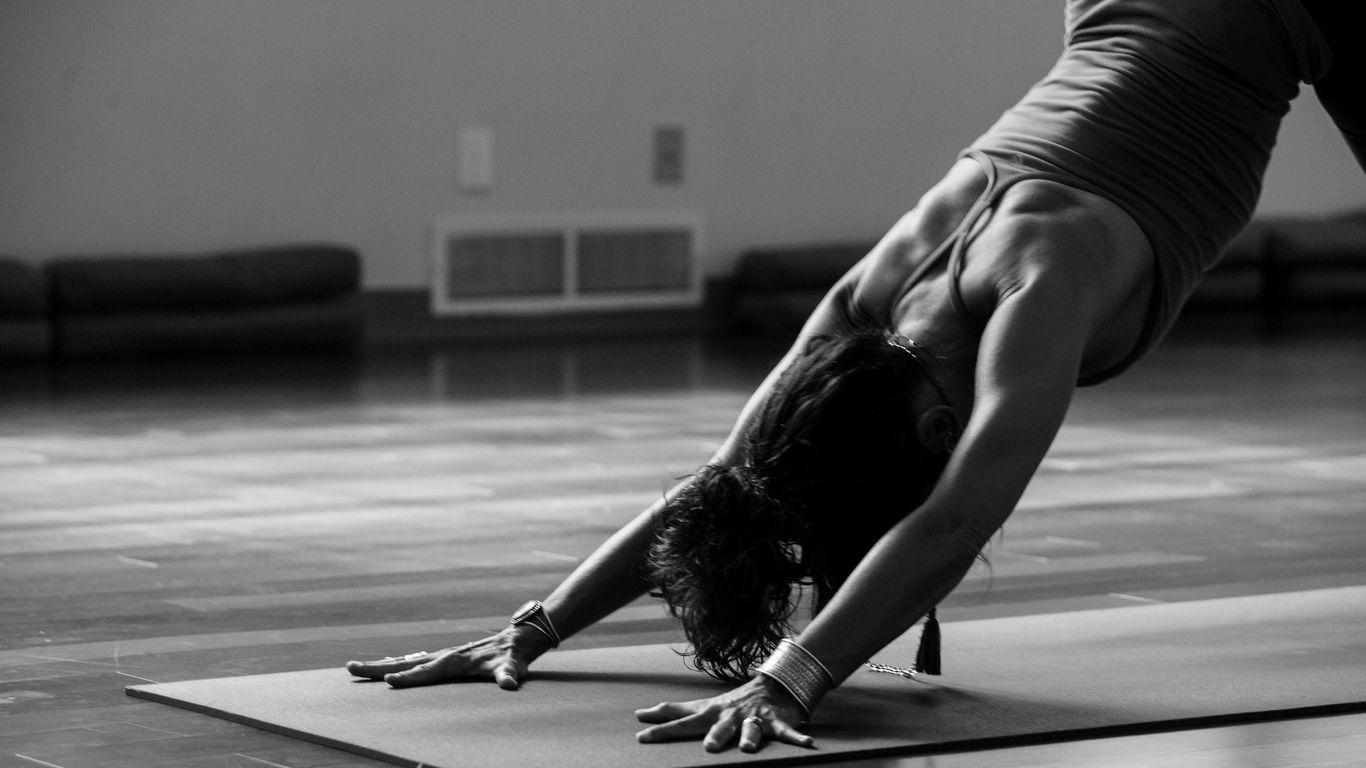
Choosing the right dimensions ensures you have enough room to flow without feeling cramped or off-balance. Finding the perfect mat proportions is a fundamental step in setting up a Yune Yoga Obsidian Ridge Mat or similar setup for daily practice.
Ideal mat thickness for joint support and balance
Mat thickness typically ranges from 1mm up to 6mm, with higher numbers offering more cushioning for the knees and wrists during floor work. Conversely, thinner mats provide a more direct connection to the ground, which is often preferred for advanced balancing poses where proprioception is key. The table below illustrates common thickness ranges and their primary benefits for practitioners.
| Thickness | Best For | Stability Factor |
|---|---|---|
| 1.5mm - 3mm | Travel & Balance | High Stability |
| 4mm - 5mm | Everyday Practice | Balanced Choice |
| 6mm+ | Joint Comfort | Soft Support |
Determining the right length for your height and reach
Your mat length should ideally exceed your height by a few inches to ensure your head and feet remain fully supported during savasana or full-length extensions. Using a mat that is too short forces you to constantly adjust your positioning, which can disrupt your rhythm during a fast-paced vinyasa flow. Always measure your reach including overhead extensions to guarantee complete coverage when working on home exchange market trips or studio visits.
Width requirements for wide-stance postures and flow
Standard mats typically offer enough width for most practitioners, but wide-stance postures like goddess pose or warrior II may require additional edge space. If your practice emphasizes broad alignment, ensuring your foundation is wide enough prevents your limbs from dipping off the mat onto the floor. Proper spacing is a basic aspect of best Hawaiian island travel prep, ensuring you can practice comfortably in varied environments.
Durability and long-term performance
Maintaining the structural integrity of your equipment is essential for protecting your investment against the harsh realities of regular use. Factors like heat, humidity, and constant friction eventually take a toll, requiring deliberate maintenance to stay in top shape.
How extreme heat affects material degradation
High temperatures common in hot yoga can cause some materials to thin or lose their elasticity over time. Investing in quality items like those from BluRock Services for flooring or similar durable surfaces is important, but your mat also needs robust construction to withstand thermal stress. Mats that resist curling or premature breakdown under high heat usually feature reinforced internal layers.
Assessing wear patterns in high-friction use areas
Keep an eye on areas where your hands and feet consistently land, as these are the first zones to show signs of thinning or texture loss. Early identification of wear allows you to rotate your practice or place your mat strategically to prevent deeper damage. This vigilance is part of best IT company level quality management for your personal gear.
Balancing cushioned comfort with rigid material density
Finding the sweet spot between soft cushioning and firm density is standard for long-term comfort. A mat that is too soft might feel comfortable initially but can cause instability; conversely, a mat that is too rigid may lead to joint fatigue. Look for options that provide a springy rebound, ensuring the material retains its shape even after thousands of repetitions.
Maintenance and hygiene standards
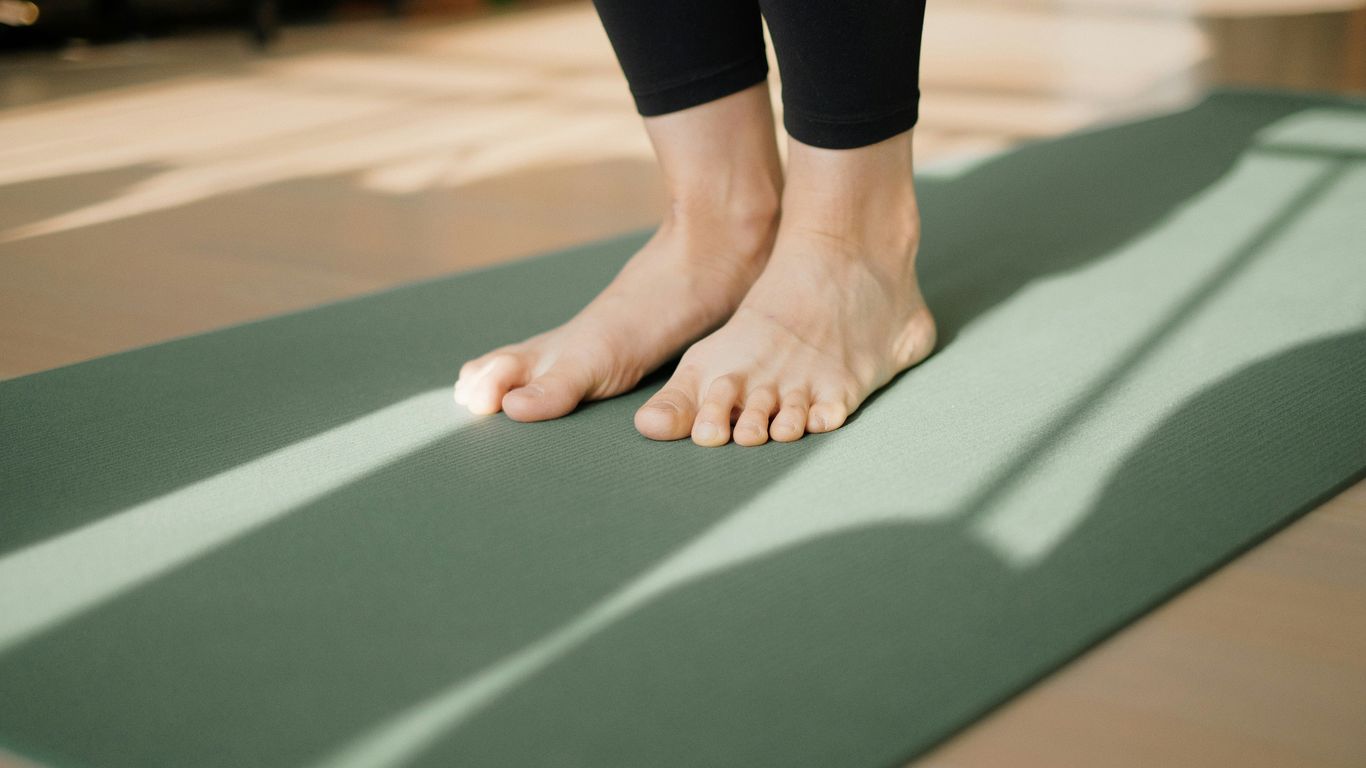
Keeping your equipment spotless prevents the accumulation of sweat, dust, and microscopic debris that can cause odors. A consistent care routine is the best way to extend the lifespan of your Yune Yoga Pagoda Yoga Mat and keep your practice space inviting.
Proper cleaning protocols for bacteria-resistant surfaces
Most modern materials thrive with simple maintenance consisting of mild soap and water applied with a soft cloth. Harsh chemicals should be strictly avoided as they can break down the surface coating and compromise the anti-slip properties. Adopting a quick-wipe routine after every session prevents the need for deep, intensive cleaning later.
Effective drying techniques to prevent mold and odors
Never roll up your mat while it is still damp, as trapped moisture is the primary culprit for mold and unpleasant smells. Hang your mat over a sturdy railing or use a flat, airy space out of direct sunlight for optimal drying. Air circulation is the most effective method for maintaining hygiene and ensuring your next session starts on a fresh surface.
Signs that indicate it is time to replace your mat
The following list highlights key indicators that suggest your mat has reached the end of its functional life cycle:
- Significant crumbling or surface peeling in high-use areas.
- A persistent, unpleasant odor that remains even after deep cleaning.
- Increased slipperiness that no longer improves with cleaning.
- Visible thinning or loss of cushioning that causes joint discomfort.
- Structural tearing along the edges or through the center.
Monitoring these signs ensures your practice foundation remains as reliable and safe as it was when first purchased.
Portability and weight factors
For the frequent traveler, portability is often just as significant as grip or cushioning. Understanding the trade-offs between a lightweight travel mat and a robust studio-grade alternative helps you choose the right gear for your specific needs.
Choosing between travel-light mats and studio-grade options
Lightweight mats designed specifically for transport are thinner and often fold, making them perfect for stuffing into carry-on bags. In contrast, studio-grade mats prioritize maximum cushion and stability, which makes them heavier and sometimes cumbersome to lug around daily. Determine how much travel you actually do before opting for ultra-portable, minimal cushioning.
Evaluating integrated carrying systems and storage convenience
Many manufacturers offer built-in straps or wraps that simplify the process of packing and storing your mat. Look for systems that are simple to use and don't require complicated folding, ensuring that you can transition from practice to transit in seconds. Ease of use is a core benefit, especially when moving between different urban environments or locations.
How total mat weight impacts structural integrity during movement
Heavier mats usually feel more grounded and secure on the floor because their density keeps them from shifting or bubbling. Lightweight mats may require more care to lay flat or might be prone to slightly more sliding if not anchored correctly. Balancing weight with your need for a stationary, sturdy base is the final step in selecting the correct equipment for your movement practice.
Sustainability and non-toxic materials
Choosing gear built with health and environmental consciousness in mind aligns your practice with mindful values. High-quality production methods often incorporate safer chemistry to ensure you are not breathing in harmful particles during deep breathing sessions.
Evaluating eco-friendly certifications for yoga equipment
Certification labels often act as a beacon for quality, indicating that the materials used have been tested for environmental safety. Researching brand claims regarding eco-friendly practices allows you to feel confident that your equipment supports a healthy lifestyle. Look for transparent manufacturing processes at Legarreta Eye Care as a benchmark for how transparency in materials benefits consumers.
Understanding the potential health risks of certain PVC compounds
Some older or low-cost mats contain phthalates or heavy metals often found in generic PVC compounds. Avoiding these materials is a priority for those who spend significant time in close contact with their mat surface. Modern, safer alternatives provide similar grip without the risks associated with non-regulated plastics.
Looking for circular manufacturing and recycling programs
Brands that offer recycling programs or utilize recycled materials demonstrate a deeper commitment to the long-term health of our planet. Supporting these initiatives helps drive the industry toward more sustainable manufacturing cycles overall. Seek out companies that show clear evidence of waste reduction in their production chains, ensuring your purchase contributes to a cleaner practice experience.
Conclusion
Selecting the right mat is a deeply personal process that balances your unique physical needs with the logistical realities of your practice. By evaluating the material grip, thickness, and portability of your options, you build a sustainable foundation that supports you through years of movement, ensuring your experience remains grounded, comfortable, and safe.
Frequently Asked Questions
Is it necessary to buy a specific mat for hot yoga?
While you can practice on any mat, specialized hot yoga mats offer superior moisture-wicking and grip that handle sweat effectively, significantly reducing your risk of sliding.
How often should I clean my yoga mat?
It is best to give your mat a quick wipe down after every session, with a more thorough, deep cleaning performed once or twice a month depending on how intensely you practice.
Can thick mats hurt my balance?
Yes, very thick mats can create a squishy, uneven surface that makes balancing poses more challenging by reducing your ability to feel the floor beneath you.
Should I prioritize grip or cushioning?
This depends on your primary yoga style, but for most practitioners, a balance—where the mat is cushioned enough for joints but grips well under sweat—is the ideal middle ground.
How can I make my current mat less slippery?
Using a yoga towel laid across the top surface can immediately improve traction, while regularly cleaning the mat surface helps maintain its natural grip.
How do I stop my mat from curling at the edges?
Rolling your mat properly or storing it flat can prevent curling, but if it happens, try rolling it in the opposite direction for a few hours to flatten the material.
Do I need to buy a specific mat bag for travel?
While not strictly necessary, a high-quality mat bag or dedicated carrying strap makes transit much easier and helps protect the edges of your mat from wear and tear during travel.

