10 Essential poses every beginner for yoga should try
Key Takeaways
Starting a practice as a beginner for yoga is an rewarding way to enhance your physical activity and find moments of calm in your schedule. Here are the main focal points for your journey:
- Establish a solid physical foundation to prevent injury.
- Use proper equipment to maximize your comfort.
- Consistency beats intensity when learning new postures.
- Focus on steady breathing during each movement.
- Listen to the signals your body provides.
1. Tadasana, the mountain pose foundation
Tadasana acts as the bedrock for all standing postures. By aligning your feet and engaging your core, you create a sense of stability that carries over into more complex balance work. It might look simple, but the internal focus required to maintain this poise is significant.
Many practitioners find that using a foldable travel mat from Yune Yoga provides just enough grip and cushioning to maintain this position anywhere. When you stand on your mat, try to distribute your weight evenly across both feet. Feel the ground beneath you as you reach your crown toward the ceiling.
This pose is a deeply grounding experience that encourages posture awareness throughout the day. Even without complex movements, holding this stillness helps center your attention. It serves as a gentle opening to your daily routine whenever life feels a bit chaotic.
2. Adho mukha svanasana for full body stretching
Downward Dog is excellent for lengthening the hamstrings and calves while building shoulder strength. The key is to form an inverted V shape by pushing your hips toward the ceiling. You do not need your heels to touch the ground immediately, so move at your own pace.
As you press your hands into your mat, feel the space expanding between your shoulders. This stretch helps address the stiffness that accumulates from sitting at a desk for long hours. Focus on elongating your spine rather than forcing your legs into a perfectly straight line.
Regular practice helps build familiarity with your own range of motion. Once you feel comfortable, notice how the blood flow shifts. It is a fundamental position that bridges the gap between relaxation and active stretching in your practice.
3. Balasana to recover between sessions
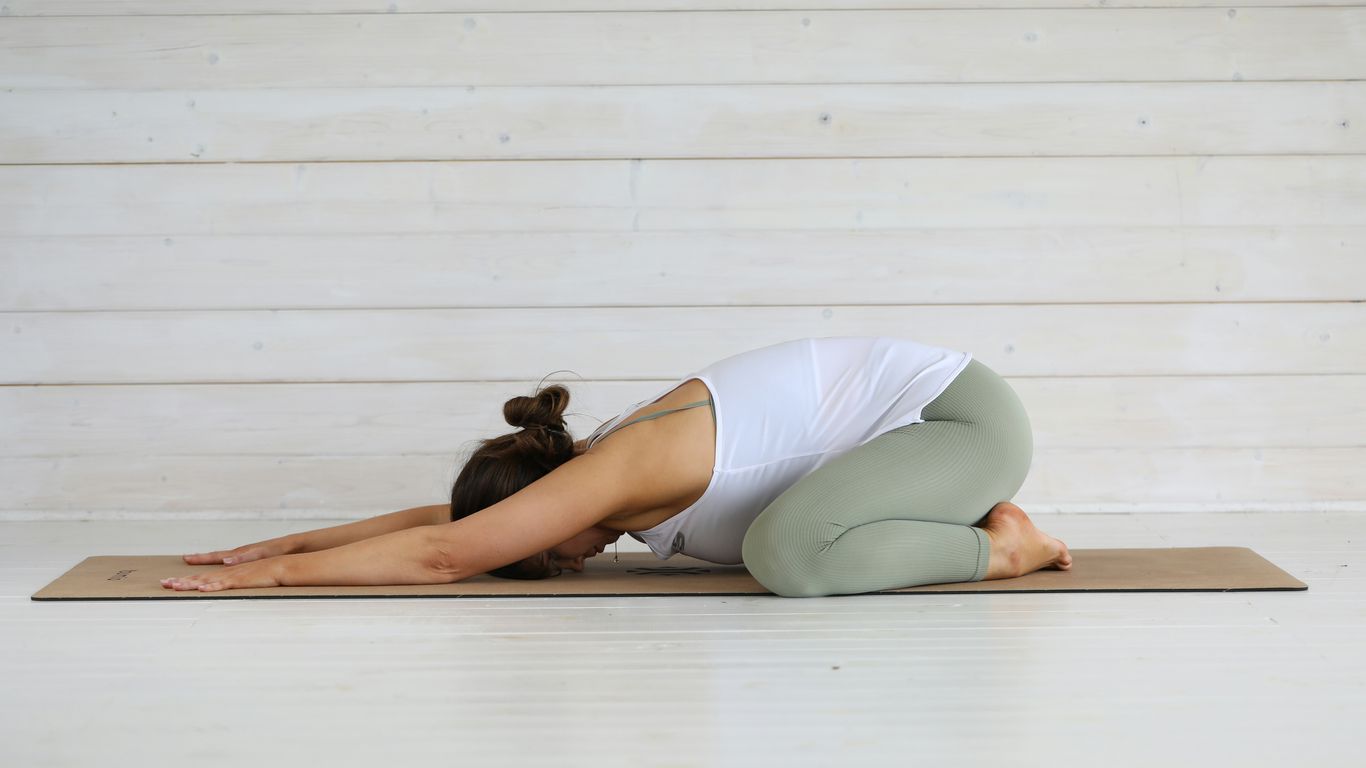
Child’s Pose serves as a essential resting point during any first yoga class. When your heart rate climbs or your muscles feel tired, simply lower your hips to your heels and extend your arms forward. It offers a gentle stretch for the lower back and shoulders.
Taking time to rest is not a sign of weakness, but a smart approach to long-term progress. You can stay in this position for as long as you need to catch your breath. It encourages you to stay present and mindful of your physical capacity.
This posture is deeply comforting and helps calm the nervous system. By closing your eyes and focusing on your breath, you create a dedicated space for mental reset. Use this whenever you need to find perspective before continuing.
4. Virabhadrasana i for building leg strength
Warrior I is a powerful sequence for building lower body confidence and stability. Start by stepping one foot forward and bending the knee into a deep lunge while keeping the back heel planted. This action requires focus and core engagement to stay steady.
Sometimes, having durable yoga straps can assist beginners if they lack the initial flexibility to reach their arms comfortably. These accessories help you maintain the integrity of your posture without compromising your form. As you build muscle memory, the pose becomes increasingly natural.
Building strength in your quadriceps and glutes contributes to better balance in your daily life. The steady nature of this pose helps you cultivate a focused mindset. It is one of the most effective ways to feel strong and capable on your mat.
5. Vrikshasana to improve balance and focus
Tree Pose challenges your coordination and center of gravity. Stand on one leg while placing the sole of your other foot on your calf or thigh. Avoid pressing directly against the knee joint to ensure your joints remain safe and protected.
Your eyes act as a significant tool for balance, so identify a fixed point in front of you. This technique helps stabilize your focus when the body begins to wobble. It is a playful exercise that invites you to be patient with your own progress.
If you find balancing difficult, start by hanging onto a wall or chair for extra support. Over time, your stabilizing muscles will strengthen, allowing you to lift your arms toward the sky. It is a beautiful way to practice finding equilibrium.
6. Marjaryasana to mobilize the spine
Moving between Cat and Cow poses releases tension in the hips and neck. Start on your hands and knees, syncing your breath with the curvature of your spine. As you inhale, drop the belly; as you exhale, arch the back toward the ceiling.
This fluid motion is incredibly helpful for anyone who feels stiff from inactivity. The repetition mimics the natural movement of the spine, which helps improve overall flexibility. Focus on the feeling of each vertebra moving independently during the transition.
Many beginners discover that this movement is the most enjoyable part of their session. It requires very little equipment and can be done comfortably anywhere. The goal is to maximize range of motion rather than focusing on how high you can arch your back.
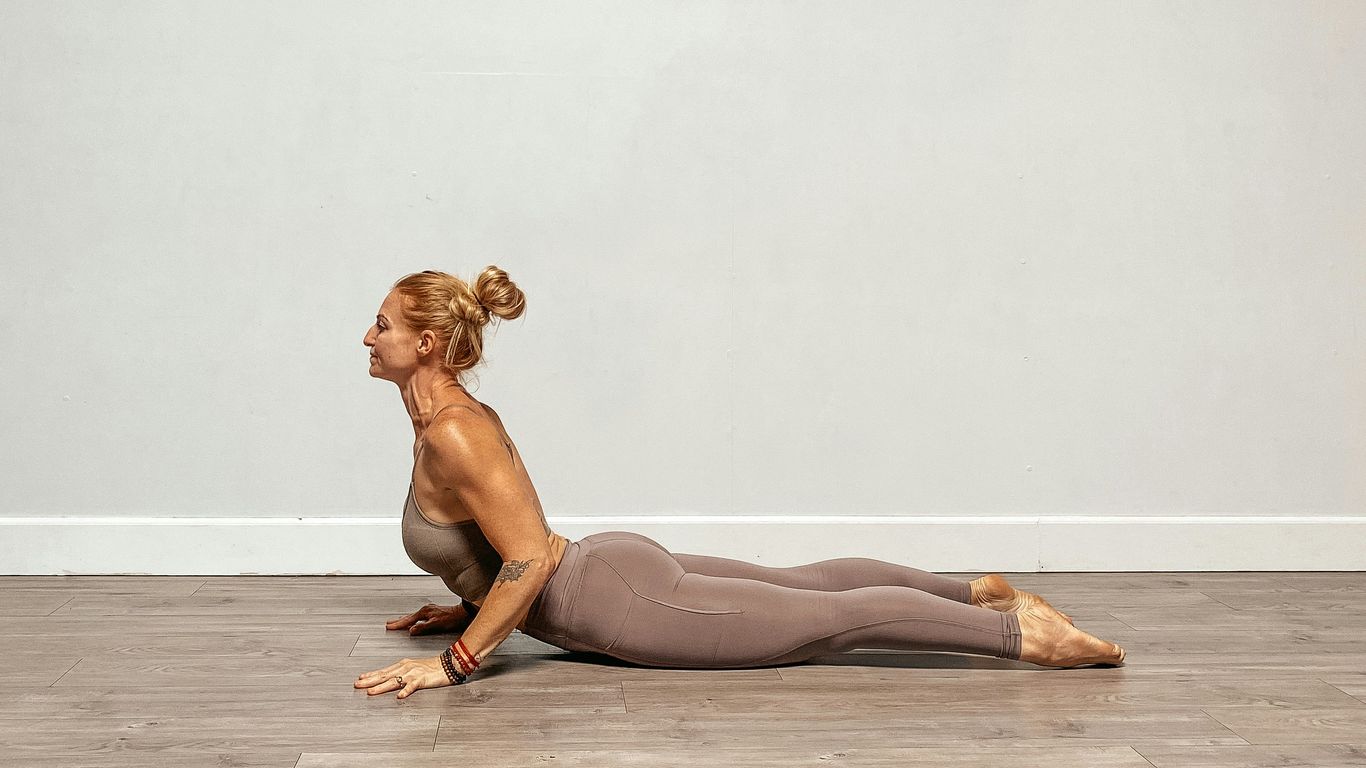
7. Bhujangasana to open the chest area
Cobra pose targets the abdominal muscles and encourages an open chest. Start lying flat on your stomach, placing your hands under your shoulders. Slowly lift your head and chest away from the floor by engaging your back muscles.
| Feature | Benefit |
|---|---|
| Chest Opening | Improves posture |
| Back Strength | Reduces stiffness |
| Breath Control | Deepens relaxation |
It is beneficial to keep your elbows slightly bent to maintain a safe range of motion. Here is how you can effectively perform this movement:
- Keep your hips rooted firmly to the floor.
- Engage your core to protect the lower spine.
- Draw your shoulders down and away from ears.
- Breathe steadily to hold the position safely.
This posture is excellent for counteracting the forward slouch often found in modern work environments. By creating length in the front body, you invite a greater sense of openness into your daily movement patterns.
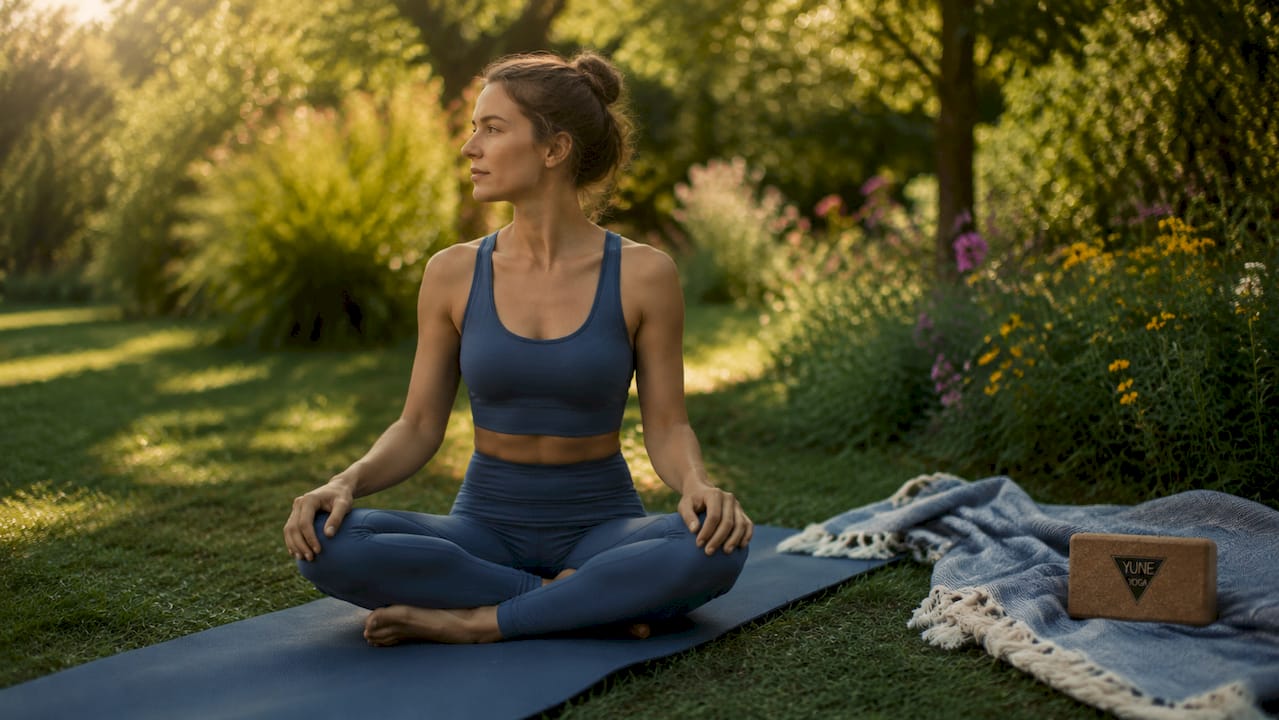
8. Sukhasana for grounded meditation practice
Easy Pose allows for a comfortable seat during meditation. Sit with your legs crossed and your spine tall, using a cushion if your hips feel tight. This position is ideal for focused breathing and quiet contemplation.
Finding a position where you can remain still is a key part of the yoga experience. If your knees are higher than your hips, sitting on a prop will immediately improve your alignment. This small adjustment allows for easier breathing and longer periods of comfort.
Most practitioners use this time to reflect on their thoughts or simply count their inhalations. It is a simple practice that fosters a lasting sense of internal quiet. Take these few minutes to observe your mind without judgment.
9. Setu bandhasana to engage the glutes and core
Bridge pose is a gentle inversion that helps stimulate the circulation and strengthen the posterior chain. Lie on your back, bend your knees, and lift your hips toward the ceiling. Keeping your feet hip-width apart ensures proper alignment.
Using absorbent yoga towels from Yune Yoga can improve your grip if you find yourself slipping during more intense movements. When your base is secure, you can focus entirely on activating your glutes and supporting the lower back. This pose is both strengthening and restorative.
This movement is highly accessible and provides a good stretch for the neck and chest. Many people enjoy the sensation of the heart being lifted higher than the head. It is a reliable pose for energizing the body before finishing your session.
10. Savasana to master deep relaxation
Corpse pose is the final resting position of your practice. Lie completely flat on your back, allowing your feet to fall outward and your arms to rest by your sides. The goal is to release every ounce of tension from your muscles.
Do not worry if your mind continues to race with thoughts during this phase. Simply return your focus to the natural rhythm of your breath as a anchor. This is a vital time to let your nervous system integrate the benefits of your work.
Most beginners report that this is their favorite segment of the entire routine. It provides an essential pause in a busy day. Allow yourself to be still, resting your body entirely on the mat, and enjoy the feeling of total relaxation.
Conclusion
Exploring these foundational poses provides a solid start for any beginner for yoga looking to prioritize movement in their day. By engaging with these shapes consistently, you will notice improvements in both physical strength and mental clarity while building a sustainable habit that supports your well-being.
Frequently Asked Questions
Can I practice without buying fancy gear?
Yes, you can practice without specialized equipment initially, though a quality mat is helpful for comfort and stability.
How many times a week should I do yoga?
Starting with two or three short sessions per week is a sustainable approach for anyone building a new habit.
Is yoga dangerous for people with back pain?
Gentle stretching can be beneficial, but always consult a medical professional before starting if you have existing injuries or chronic conditions.
Do I need to be flexible to start?
Flexibility is a result of consistent practice rather than a requirement to begin your journey on the mat.
When is the best time of day for yoga?
There is no perfect time; choose a period in your schedule that allows you to feel consistent and committed to your routine.
How long should each session last?
Even ten or fifteen minutes can provide significant benefits when you practice regularly and with focused attention.
How do I know if I am doing the poses correctly?
Focus on comfort and alignment rather than mimicry; if a pose feels sharp or painful, ease back until you find a sustainable stretch.