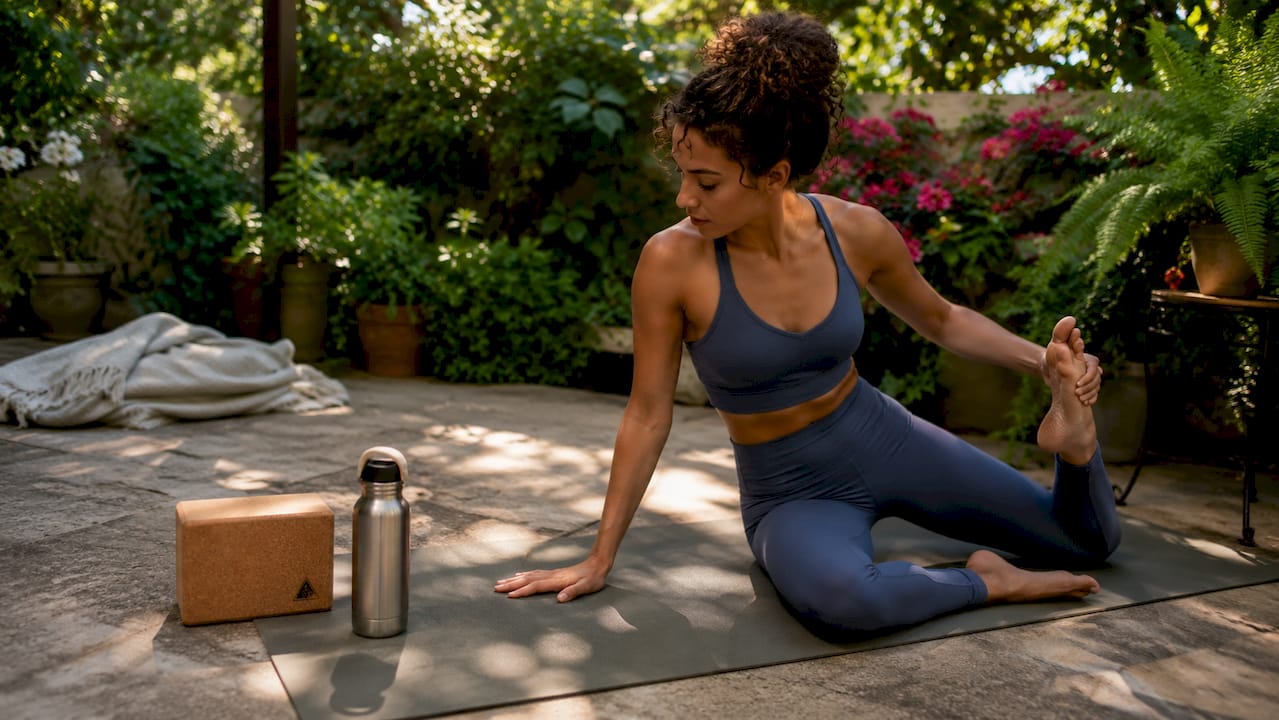
10 effective yoga mat workouts for a full-body burn
Key Takeaways
Implementing consistent movement at home requires little more than dedication and a reliable surface for your practice. These yoga mat workouts provide a versatile way to build strength, mobility, and cardiovascular health without needing a gym membership.
- Incorporate rhythmic, high-intensity intervals to elevate your heart rate and improve stamina.
- Focus on alignment and slow, controlled holds to develop foundational stability.
- Prioritize core activation to support everyday posture and protect your spine during motion.
- Utilize floor-based strength moves to sculpt muscle groups effectively without heavy equipment.
- Always allocate time for restorative recovery to keep your body resilient and energized long-term.
1. High-intensity interval training for cardio health
Cardio health does not always require running miles or using heavy exercise equipment. You can effectively spike your heart rate in your living room by performing rhythmic, explosive movements that emphasize speed and effort. These variations allow you to tailor the intensity to your current fitness level while keeping your focus entirely on the space provided by your mat.
To keep things structured, many people rely on specific timing cycles. Consider the following breakdown for a productive interval session that fits easily into a busy schedule.
| Exercise | Duration | Rest Period |
|---|---|---|
| High Knees | 45 Seconds | 15 Seconds |
| Mountain Climbers | 45 Seconds | 15 Seconds |
| Burpees | 45 Seconds | 15 Seconds |
By keeping your movements fast and deliberate, you maximize the efficiency of each session. This approach prevents time from becoming an excuse, allowing you to bridge the gap in your fitness goals regardless of your surroundings. Using resources like an Airstream Mt. Hood Yoga Mat helps ensure you have a comfortable base while pushing through these demanding sequences.
2. Beginner-friendly yoga sequences for stability

Starting a new fitness habit can feel daunting, but stability-focused yoga sequences provide an excellent gateway. These movements encourage you to slow down and notice how your body responds to gravity and balance. By finding stillness in poses like tree or warrior, you build the internal awareness needed for more complex movements later.
When you are ready to explore your practice, the Yune Yoga Tofino Yoga Mat is a great choice as it offers confidence-building, non-slip traction that improves with heat and provides supportive cushioning for joint-friendly comfort. Creating a consistent routine is much easier when you feel grounded, safe, and supported by your equipment.
Focusing on these foundational postures serves as a check-in for your physical health. Understanding your current limits before advancing ensures you maintain proper form and avoid unnecessary strain. If you find yourself distracted by household chores, remember that this time is purely for your own restoration and development, much like how one might use an effective bed bug heat treatment in DFW homes checklist to organize a complex home project.
3. Core-focused strength routines using body weight
Developing a strong center is essential for every human, whether you are an athlete or simply moving through daily life. Your core acts as the primary stabilizer for your spine and limbs, meaning that exercises which target this area provide huge returns on your investment of energy. You can start by engaging those deep abdominal muscles through simple isometric holds and controlled leg raises on your mat.
Most people ignore the potential for strengthening their core while simply lying on the floor. However, when you perform movements like dead bugs or forearm planks, you force your body to work against its own weight rather than relying on external resistance. This builds functional strength that carries over into every physical action you take, from lifting groceries to sitting upright at a desk.
As you progress, try experimenting with different arm positions to challenge your stability further. Think of your core as a foundational pillar that needs constant care and effort to remain firm. It is helpful to research effective home workouts using only a yoga mat to see how simple adjustments can transform the difficulty level of even the most basic plank sequence.
4. Dynamic stretching sessions for flexibility
Achieving better range of motion is a marathon, not a sprint. Dynamic stretching focuses on moving through comfortable positions rather than holding them statically for long periods. This gently warms up your joints while increasing the elasticity of the connective tissues surrounding them, which is incredibly beneficial before or after a workout.
If you want to maintain long-term physical health, consider integrating a few of these movements into your morning routine. A gentle reach toward the toes or a rhythmic lunge sequence can wake up your entire system. It helps to approach these movements with patience, letting your body dictate how far you can stretch on any given day.
Think of these stretches as a form of maintenance for your body’s mechanics, ensuring that your joints don't get stiff from long hours of sitting. Just as you might study investir dans l'immobilier français depuis Hong Kong to ensure your long-term financial health, you should treat your physical flexibility as a long-term investment. Consistency is far more important than attempting to force a deep stretch quickly.
5. Pilates-inspired movements for muscle toning
Pilates emphasizes small, controlled movements that target deep muscle fibers, often focusing on the smaller stabilizers that broader strength training misses. By utilizing consistent tension rather than heavy weights, you create a lean and structured physique. These movements are often low-impact, making them a perfect complement to more strenuous cardio or heavy lifting days.
Many of these routines are designed to be performed entirely on your back or all fours, which keeps your joints safe and minimizes pressure on your knees and wrists. This allows you to focus purely on the firing of the muscles you are trying to tone. It is a slow, methodical practice that rewards those who pay close attention to the details of each movement.
Incorporating these exercises does not require an expensive gym setup or complex machines. You can find many routines in a complimentary, AI-researched competitive intelligence report if you are interested in how efficiency is maximized across different disciplines. Just keep your focus on the burn in your muscles, recognizing that true toning often comes from the sustained effort rather than the size of the weight you hold.
6. Full-body sculpting flows without equipment
Full-body sculpting involves linking movements together so that no single part of your system gets missed. By creating a flow, you keep your heart rate up and ensure every muscle group gets activated throughout the session. This is an efficient way to get a complete workout in a limited amount of time.
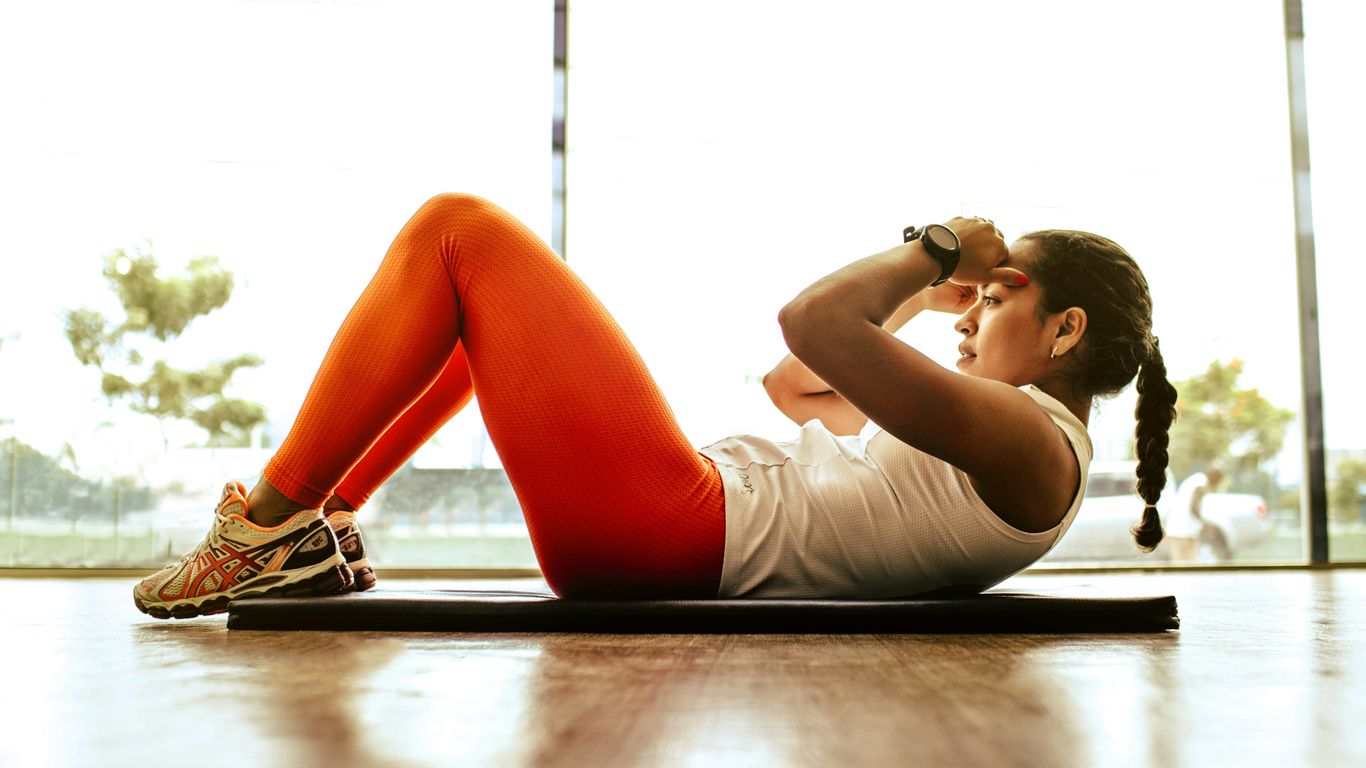
When putting together your own routine, follow these steps to ensure you hit all the major bases:
- Start with standing movements to warm the legs and glutes.
- Move through a series of lunges or squats to engage your lower body.
- Transition to the floor for push-up variations and planks.
- Finish with a series of bridges or prone back extensions.
Using a Yune Yoga Skaro Yoga Mat is a great way to maintain your momentum during these flows, as it provides a rock-steady grip and balanced cushioning that lets you stay focused on your breath and alignment. By grouping your exercises logically, you keep your session rhythmic and minimize the time spent switching between different configurations.
7. Functional movement patterns for everyday mobility
Functional training is all about preparing your body for the physical demands of daily life. This means working on the patterns you use most often, such as hinging at the hips, squatting to pick up objects, and pushing or pulling as you navigate your home or office. By training these specific movements on your mat, you build a foundation of strength that makes life outside of your workout routine significantly easier.
Focusing on these patterns helps identify any imbalances you might have in your musculature. If you notice it is harder to lunge on one side than the other, you now have the clarity to work on that specific area until it matches your dominant side. This purposeful practice is the hallmark of a body that feels capable and ready for anything.
Always prioritize quality over velocity when practicing these patterns. You want to train your nervous system to move efficiently and safely, not just quickly. It is about longevity and ensuring your movement remains free of pain as you age and stay active.
8. Restorative routines for active recovery days
Active recovery is perhaps the most important part of any fitness journey. On these days, your goal is to promote blood flow without adding unnecessary stress to your muscle fibers. Gentle poses, rolling out stiff muscles with a towel, and mindful breathing provide a refreshing break that prepares you for your next intense session.
Think of these routines as a chance to assess your physical state and listen to what your body needs. Sometimes, after a long week, what you need is not a heavy lift, but a series of slow, deliberate movements that release accumulated tension. This practice is just as vital as the heavy lifting, as it prevents burnout and keeps you engaged with your fitness for years to come.
Ensure you understand your rights regarding data and how your personal choices shape your routine, similar to how FLOW THE KITCHEN's Cookie Policy explains how digital habits are managed. When you give yourself permission to recover properly, you actually increase the performance you get out of your harder work days.
9. Low-impact floor exercises for joint health
For those seeking to protect their joints while still getting a solid workout, floor-based exercises are the gold standard. By removing the weight-bearing element of standing, you take significant stress off your knees, ankles, and hips. These routines allow you to challenge your muscles through extensive range of motion while maintaining constant contact with the ground.
Movements like leg lifts, glute bridges, and side-lying clam shells target the lower body beautifully without any of the jarring impacts associated with box jumps or sprinting. This is an excellent way to maintain muscle tone while you are recovering from injury or simply trying to stay conservative with your joint health. It is never about doing the most intense thing, but rather the most sustainable thing.
Consider the surface you use for these sessions carefully. You want a mat that provides enough cushion for your spine and joints but also enough density that you do not feel like you are sinking or losing grip. Having a proper premium flooring solutions from Emily's Interiors, Inc. background or equipment setup makes the difference between a pleasant experience and an uncomfortable one.
10. Balance training techniques for improved posture
Balance is a subtle skill that requires constant refinement. By challenging your equilibrium, you recruit all the tiny, stabilizing muscles that support your major joints and maintain your posture. Whether it is standing on one leg while practicing a yoga posture or moving through a series of slow transitions, you are training your brain and body to coordinate together.
When you work on your balance using a Yune Yoga Sabertooth Warrior Design Yoga Mat, you get the benefit of a surface designed with an exceptional grip that helps you maintain your footing. Improving your physical posture leads to a more confident appearance and can alleviate the chronic aches associated with slouching or poor alignment at work.
Try to make your balance practice playful. Stand on one leg while brushing your teeth, or perform slow, controlled movements while watching a video. These small, daily challenges accumulate, turning into a more stable and resilient physical presence as you go about your life.
Conclusion
Building a personal routine with these diverse yoga mat workouts allows you to stay active and strong while keeping your exercise accessible, inexpensive, and entirely within your control. Consistency, rather than intensity, serves as the true driver of your long-term success, so take the time to find routines that make you feel energized and capable in your body every single day.
Frequently Asked Questions
How often should I practice these routines?
Frequency depends on your goals, but aiming for three to five sessions per week allows your body enough recovery time while maintaining steady progress.
Can I lose weight by only using a yoga mat?
Weight management involves several lifestyle factors, but consistent physical activity using a mat can improve your body composition by building muscle mass and boosting metabolism.
Do I need to be flexible to start yoga mat workouts?
Flexibility is a result of consistent practice, not a requirement to begin, so you can safely start even if you currently have a limited range of motion.
Can these exercises help with back pain?
Many floor-based exercises target the core and glutes, which help stabilize the spine and alleviate pain caused by muscle weakness or poor posture.
Should I practice on an empty stomach?
Practicing on an empty stomach is generally recommended, as moving while your body digests can lead to discomfort during floor-based exercises.
How do I clean my yoga mat properly?
Most mats benefit from light, regular cleaning with mild soap and water, ensuring it is completely air-dried before storing to maintain the life of the surface.
Are these moves suitable for all ages?
Yes, these mat-based exercises are generally low-impact and easily modified, making them approachable for a wide range of skill levels and physical needs.