

10 best quality yoga mats for every practice and budget
Key Takeaways
The best quality yoga mats balance the things that matter most to your practice: grip, cushioning, stability, durability, and portability. The right choice depends less on a universal ranking and more on where, how, and how often you practice.
- Choose cushioning that supports your knees without making standing poses unstable.
- Look for dependable traction if your practice is vigorous or sweat-heavy.
- Consider weight and portability if you practice away from home.
- Natural and recycled materials can make a mat a more considered purchase.
- A reasonably priced mat can still be a reliable everyday option.
1. Manduka PRO for long-term durability
A mat intended for years of regular use should feel steady beneath the hands and feet, with enough structure to keep it from becoming flimsy over time. The Manduka PRO is often considered by shoppers who want firm padding and a substantial practice surface. That extra density can feel reassuring during slow transitions and balance work.
The trade-off is portability. A heavier mat is less convenient for a short walk to class or a weekend trip, so this style makes the most sense when the mat will usually stay at home or in a studio. If you value a planted feel more than a light shoulder load, it belongs on a durability-focused shortlist.
Care also matters when judging long-term value. Wipe the surface according to the maker’s care guidance, let it dry fully, and avoid storing it while damp. For a broader look at durable options, this yoga mat brands guide can help you compare materials, pricing, and intended use before buying.
2. Lululemon The Mat 5mm for cushioning and grip
A 5mm mat sits in a useful middle ground for many practices. It can provide a little more comfort for kneeling and floor-based work than a very thin travel mat, while remaining manageable for standing sequences. The right amount of cushioning should soften contact without making the surface feel spongy.
Grip is just as personal as thickness. Some practitioners prefer a slightly tacky surface, while others like a more textured feel that gives the hands a clear point of contact. Before choosing, think about whether you practice mostly dry, whether you use a towel, and how much cleaning you are willing to do after class.
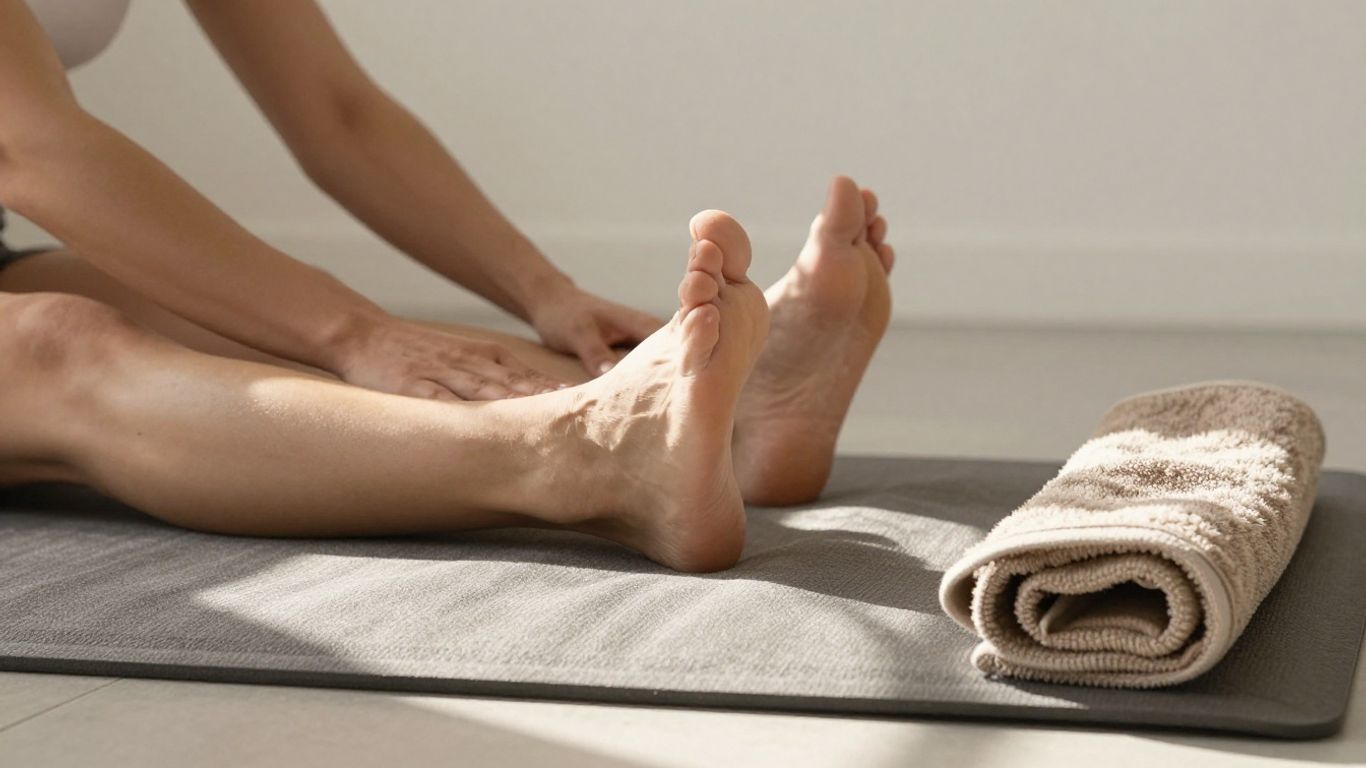
A mat in this category works well when comfort and control need to coexist. A balanced surface matters more than chasing the thickest possible option, especially if your routine includes both standing poses and seated stretches.
3. JadeYoga Harmony for eco-conscious practice
Material choice can be part of the buying decision, particularly for people who want a mat made with a more natural-feeling material. The JadeYoga Harmony is associated with that eco-conscious part of the market, where the texture and composition are considered alongside everyday performance. It may appeal to shoppers who want their gear choices to reflect their wider preferences.
Natural rubber surfaces can have a distinct feel and scent when new, so it is sensible to check care instructions and allow ventilation before a first session. Anyone with a rubber sensitivity should also review the material information carefully. A responsible purchase starts with knowing what the mat is made from, not just how it looks online.
Eco-minded choices still need to match the practice itself. Consider grip, thickness, cleaning, and storage as carefully as the material story. A mat that suits your routine is more likely to be used consistently, which is ultimately more useful than buying an appealing material that does not fit your needs.
4. B MAT Strong for everyday stability
Everyday stability is less about dramatic features and more about confidence in ordinary movements. A dependable mat should stay reasonably flat, offer a consistent contact surface, and feel secure as you move from plank to downward-facing dog. Those qualities are valuable whether you practice for twenty minutes at home or attend several classes each week.
Thickness also changes the character of a mat. A firmer, supportive option can make standing work feel more grounded, while a softer one may feel nicer during kneeling and restorative poses. There is no perfect setting for everyone, so pay attention to the balance between joint comfort and steadiness.
The best way to compare options is to write down the conditions that matter in your own routine. This compact guide can make the decision clearer:
- Note whether your sessions are mostly standing, seated, or mixed.
- Decide how much weight you are comfortable carrying.
- Check whether the mat will be used on carpet, wood, tile, or studio flooring.
- Think about how often you are willing to clean and air it out.
After that, the choice becomes more practical and less driven by isolated specifications. A stable daily mat should disappear into the routine in a good way: easy to unroll, comfortable to use, and simple to maintain.
5. Alo Warrior Mat for hot yoga sessions
Heat changes what you notice first on a mat. As the room warms and perspiration increases, a surface that felt perfectly adequate at home may begin to feel less secure. For hot yoga, shoppers often prioritize traction, a surface that is easy to wipe down, and enough cushioning for repeated floor contact.
A towel can also change the setup. It may absorb moisture and create a more familiar hand and foot feel, but it adds another item to wash and carry. If you practice in heated rooms regularly, test your complete setup rather than judging the mat in isolation.
Ventilation is worth planning for as well. Allow the mat and towel to dry fully after class, especially before rolling them together. For more practice-specific comparisons, this mat guide by yoga style offers another way to think about differences between gentle, dynamic, and heated sessions.
6. Hugger Mugger Para Rubber Mat for natural traction
Rubber mats are often chosen for the distinct traction they can provide under the hands and feet. A natural-traction surface may feel especially reassuring during transitions, but it can also require a short adjustment period if you are used to a smoother material. Texture, pressure, and moisture all affect how secure a pose feels.
The surrounding floor matters too. A mat may behave differently on polished wood than on carpet or a studio floor, and uneven ground can change the experience entirely. If you practice outdoors, check the area for grit, moisture, and small debris before unrolling.
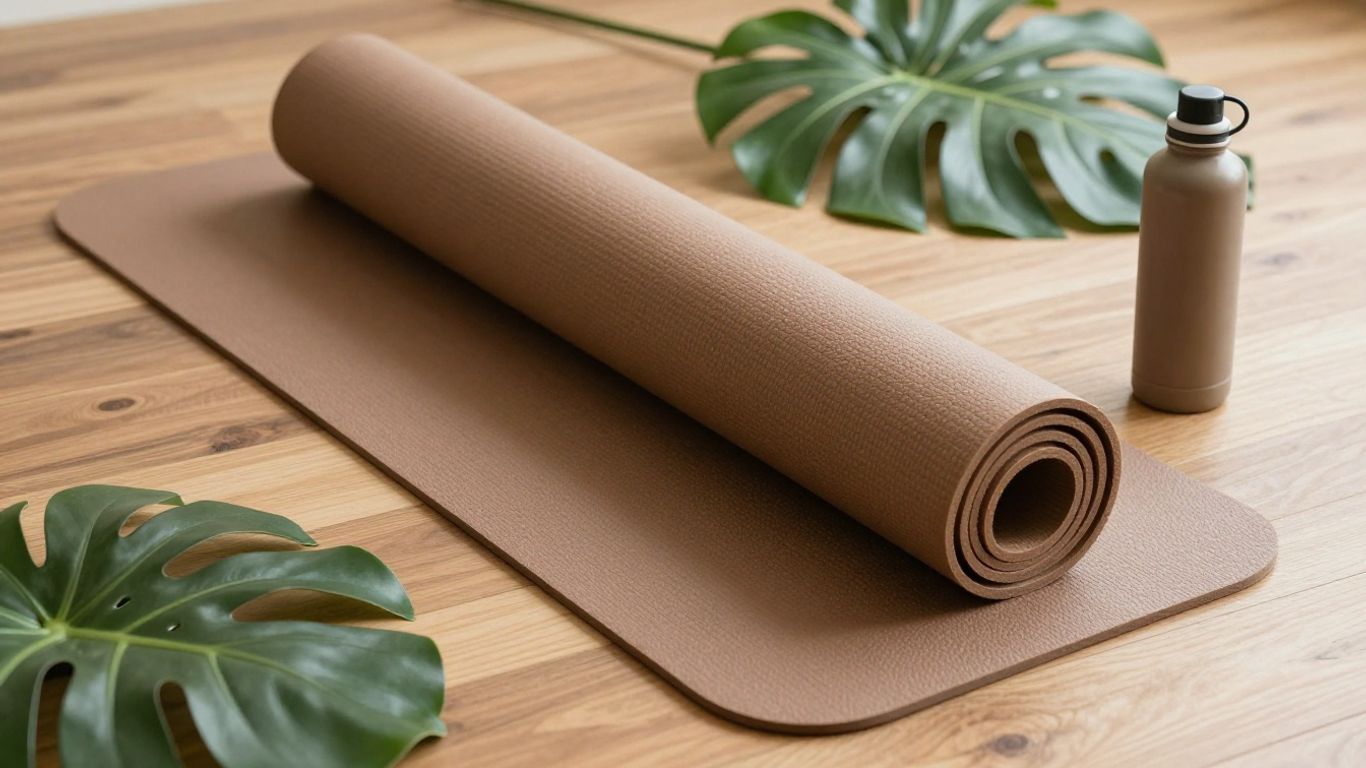
Because rubber can be heavier than thin synthetic materials, storage and transport deserve a little thought. Keep it rolled as recommended, clean it gently, and let it dry before putting it away. Those simple habits help preserve the feel you liked in the first place.
7. Yoloha Original Cork Mat for sweat-resistant grip
Cork has become a popular choice for practitioners who want a distinctive surface and a material with a natural look. It can feel relatively firm and smooth when dry, while moisture may change the way it grips. That makes it worth considering for people who want a mat that behaves differently from a conventional sticky surface.
As with any sweat-focused mat, the details of your practice matter. A short, gentle session and a long, heated flow place different demands on the surface. If you sweat heavily, try to understand whether the mat is intended to be used alone or with a towel.
Cork also brings a visual simplicity that suits home studios and travel setups alike. Pair the mat with a breathable storage solution, and avoid sealing it away while damp. This cork yoga mat collection gives useful background on cork surfaces, sizes, and material considerations.
8. Manduka eKO Lite for lightweight performance
A lighter mat can make the difference between practicing and skipping a session when you are traveling. It fits more easily into a car, suitcase, or carry-on setup, and it is less tiring to take from one location to another. That convenience matters for hotel rooms, parks, beaches, and small home spaces.
The compromise is usually felt in cushioning and structure. Lightweight mats may pack down more easily but provide less padding than dense studio mats. If you often kneel or practice on hard floors, consider whether you need a separate towel or a softer layer underneath.
Portability should also include the way the mat stores between sessions. A foldable or thin design may work better than a bulky roll for limited closets and shared spaces. For more ideas, this travel mat guide compares the practical needs of practitioners who take their setup on the road.
9. Gaiam Premium Extra-Thick Mat for beginners
Beginners often benefit from a forgiving surface while they learn how poses feel and how much space each movement requires. An extra-thick mat can make kneeling and seated positions more comfortable, particularly on a firm floor. It may also feel welcoming during early home sessions when confidence is still developing.
There is a balance to watch, though. Very soft cushioning can make standing poses feel less stable, and a thick mat may be heavier to carry. If you expect to move between home and class, choose a thickness that supports comfort without becoming a burden.
A simple care routine helps a first mat last longer. Wipe it after use, keep it away from direct heat, and allow moisture to evaporate before storage. New practitioners may also find this beginner yoga mat guide helpful when comparing cushioning, grip, and everyday ease of use.
10. BalanceFrom GoYoga Mat for affordable quality
A lower price does not automatically mean a mat is unsuitable. For someone starting a regular practice, an affordable option can provide a sensible way to learn what thickness, texture, and size feel right before making a larger investment. The most useful budget mat is one that you will actually unroll often.
Check the basics before buying: dimensions, thickness, surface texture, cleaning instructions, and whether a carrying strap is included. Also consider how quickly the mat may show dust or wear, particularly if it will be used outdoors or moved between locations. Clear expectations make an inexpensive purchase feel much more successful.
Budget shoppers can compare several categories rather than searching for one universal winner. This yoga mat comparison is a useful starting point for weighing portability, cushioning, material, and practice style. A practical choice does not need to be extravagant; it needs to fit the way you live.
Conclusion
The best quality yoga mats are the ones that match your actual practice, space, and budget. Start with grip and cushioning, then weigh durability, material, cleaning, and portability; a mat that suits those everyday conditions will be far more useful than one chosen for a single headline feature.
Frequently Asked Questions
What thickness is best for most yoga practices?
A medium thickness is a versatile starting point because it offers some cushioning without making standing poses feel overly unstable. People with sensitive knees may prefer more padding, while frequent travelers may choose something thinner.
Is a thicker yoga mat always more comfortable?
Not necessarily. Extra thickness can feel pleasant for kneeling and seated poses, but too much softness may reduce stability and make the mat harder to carry. Comfort depends on the floor, the practice, and personal preference.
How can I improve grip during sweaty sessions?
Choose a surface suited to moisture, keep the mat clean, and consider using a yoga towel if your hands or feet become very wet. Drying the mat fully after practice also helps preserve its feel.
Are natural-material yoga mats difficult to maintain?
They can require more careful cleaning and ventilation than some synthetic options, but the routine is usually straightforward. Follow the maker’s instructions and avoid storing any mat while it is damp.
What should beginners prioritize in a yoga mat?
Beginners should usually focus on comfortable cushioning, dependable traction, manageable size, and a price that feels reasonable. A simple mat that encourages regular practice is a strong first choice.
Are lightweight mats good for daily use?
They can be, especially when portability is a major priority. However, people who practice on hard floors or need more joint cushioning may prefer a denser mat for regular home sessions.
How often should a yoga mat be cleaned?
Wipe the mat after sweaty sessions and clean it more thoroughly as needed based on use and the manufacturer’s directions. Always let it dry completely before rolling it up.

