

How much is yoga mat? A complete price guide by material, quality, and use
Key Takeaways
Yoga mats can cost less than $20 or well over $100, depending on material, construction, grip, and intended use.
- Budget mats suit occasional practice, but may wear faster or offer less grip.
- Mid-range mats usually provide the best balance of comfort, stability, and durability.
- Premium pricing can make sense for frequent practice, demanding conditions, or sensitive joints.
- Accessories, shipping, cleaning, and eventual replacement belong in the real budget.
- The best value comes from matching the mat to your practice rather than chasing the highest price.
Typical yoga mat prices by category
When people ask, “how much is yoga mat,” they are usually looking for a useful range rather than one fixed number. In the US, a basic mat may cost around $10 to $20, while a dependable everyday option often sits between $20 and $60. Specialty and premium mats can reach $60 to $150 or more. These ranges are a starting point, since sales, size, and material can shift the final price.
Budget mats under $20
Budget mats commonly use simple PVC, foam, or lightweight synthetic construction. They can be perfectly serviceable for occasional stretching, beginner classes, or a home routine that does not involve much sweating. The trade-off is often thinner cushioning, a shorter useful life, or a surface that becomes less dependable with repeated use.
A low price is most sensible when you are still testing whether yoga will become a regular habit. Check that the mat lies flat, does not crumble when rolled, and gives you enough traction for the poses you actually practice.
Mid-range mats from $20 to $60
The $20-to-$60 range is where many shoppers find a practical everyday mat. These products tend to offer better texture, more consistent cushioning, and materials that tolerate regular rolling and cleaning. They are often a good fit for someone attending classes weekly or using one mat for yoga, Pilates, and floor exercise.
A mid-range purchase should still be judged by construction rather than price alone. A $30 mat with a stable surface and sensible thickness may serve you better than a heavily discounted mat with poor grip.
Premium mats over $60
Premium mats generally charge more for denser materials, refined surface texture, greater durability, larger dimensions, or specialized performance. Some are made for sweaty rooms, frequent studio use, or practitioners who want a particularly stable foundation. At this level, the mat may also feel more substantial and stay flatter after repeated transport.
That does not mean every expensive mat is a better choice for every person. If you practice twice a month on carpet, you may never use the features that create the premium price.
Travel and specialty mat price ranges
Travel mats often cost about $20 to $80, with thin foldable designs at the lower end and more durable specialty versions at the higher end. Extra-large mats, alignment-focused mats, and mats designed for hot or very sweaty practice may also command a premium. A portable option is especially useful for hotel rooms, parks, beaches, or small apartments.
Yune Yoga focuses on thin, light, foldable travel mats that are easy to pack, making portability a practical feature rather than an afterthought. For a wider look at price tiers and buying priorities, this yoga mat budget guide offers another useful comparison.
What determines the cost of a yoga mat
Price reflects a bundle of decisions, not just the material named on the label. Thickness, density, texture, manufacturing consistency, and expected lifespan all affect what you pay. Two mats can look similar online while feeling very different under hands and feet.
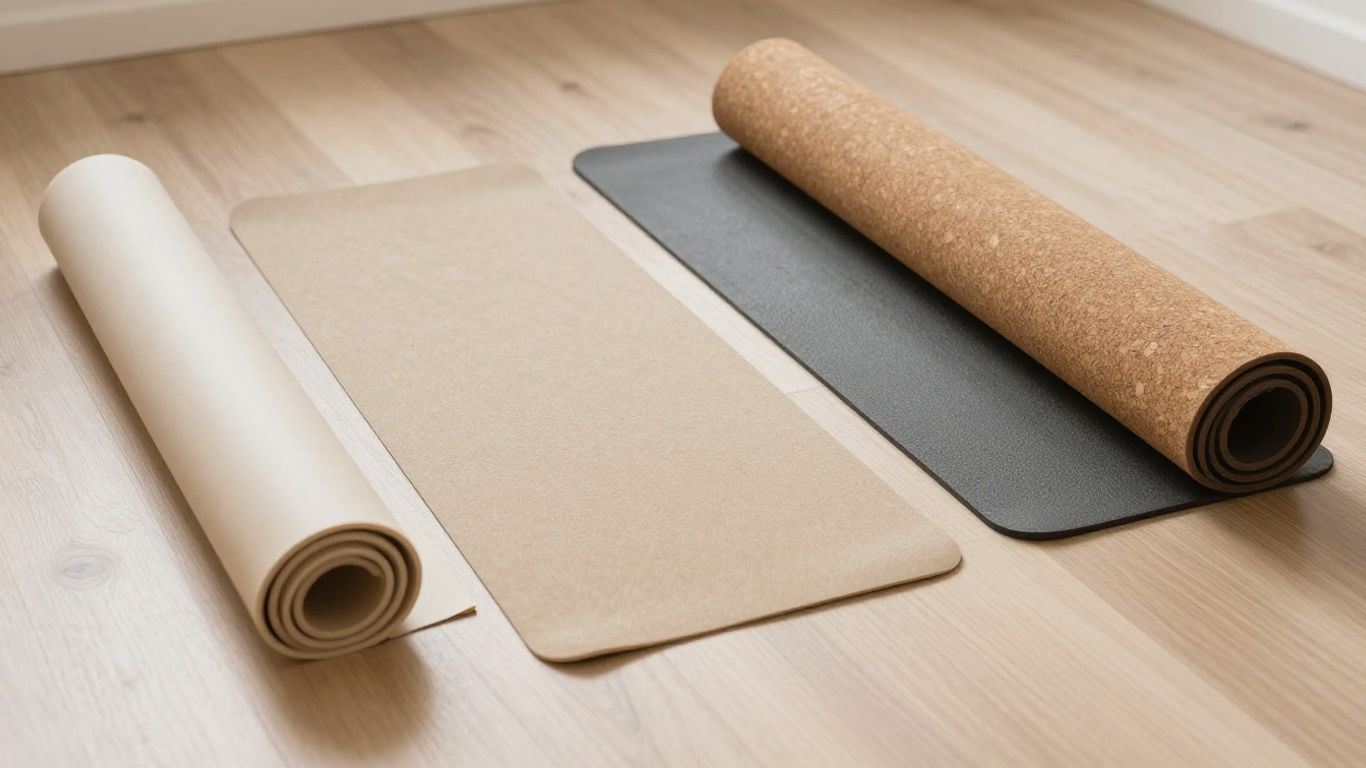
Materials such as PVC, TPE, rubber, and cork
PVC is often affordable and can provide a durable, consistent surface, while TPE is usually lightweight and flexible. Natural rubber may offer strong traction but can be heavier and may not suit people with latex sensitivities. Cork has a distinctive feel and can appeal to shoppers prioritizing natural materials, although its grip may behave differently in dry and damp conditions.
For a more detailed material comparison, see this yoga mat materials guide. The right choice depends on how the mat feels during use, how you plan to clean it, and whether material sourcing matters to you.
Thickness, cushioning, and durability
Thicker mats usually provide more cushioning for knees, wrists, and floor exercises, but excessive softness can make balance work feel less steady. Thin mats are easier to carry and may give you a closer connection to the floor. Density matters as much as the thickness printed on the package, because two mats with the same measurement can compress very differently.
Think about storage and transport as well as comfort. A mat that is difficult to roll, heavy to carry, or prone to permanent creases may become frustrating even if it feels pleasant during the first class.
Grip, texture, and moisture resistance
Grip is one of the clearest reasons prices differ. A surface may feel tacky when dry but lose traction when your hands become damp, while another may use texture or absorbency to remain more dependable. If you practice hot yoga or sweat heavily, look for care instructions and reviews that discuss damp conditions rather than relying on a product photograph.
The quality yoga mat features guide is helpful when comparing surface texture, thickness, and maintenance considerations. Reliable grip matters most when it supports the movements you repeat, not simply because it sounds impressive in a product description.
Brand reputation and manufacturing standards
A familiar brand may charge more for design development, quality control, warranty administration, or more consistent manufacturing. That premium is only useful if the finished mat delivers a meaningful improvement for your routine. Look for clear dimensions, material details, cleaning guidance, and a return policy before treating reputation as proof of value.
Independent reviews can add useful context, especially when they describe long-term wear rather than first impressions. Still, no brand name can replace checking whether the mat fits your floor, practice, and storage needs.
Choosing a yoga mat for your practice
The best price depends on how and where you practice. A person doing gentle sessions at home has different requirements from someone carrying a mat to a heated studio several times a week. Start with the conditions you can describe clearly: frequency, floor type, sweat level, transport, and desired cushioning.
Mats for beginners and occasional use
Beginners often do well with a reasonably priced mat that is comfortable, stable, and easy to clean. Spending $15 to $35 can be enough to learn what thickness and texture feel natural before making a larger investment. A very cheap mat may work, but inspect it for strong odor, curling edges, and a slippery surface.
If you are unsure where to start, this beginner yoga mat guide explains how material, thickness, grip, and durability affect a first purchase. Buying a straightforward mat now can leave room in the budget for classes or accessories.
Mats for yoga, Pilates, and general fitness
A general-purpose mat should balance cushioning with stability. Pilates and floor exercises may benefit from more padding, while standing yoga poses often feel better on a firmer surface. If the mat will serve several activities, choose a texture that feels comfortable against bare skin and does not shift on your usual floor.
Measure your available storage space too. A mat that is technically suitable but awkward to store may be used less often, which lowers its real value.
Mats for hot yoga and sweaty practices
Hot and sweaty sessions place greater demands on grip and cleaning. A surface that feels fine in a cool room may become distracting when moisture builds up, so reviews that mention damp hands and feet are particularly useful. A separate towel can also protect the mat and make cleanup easier.
Yune Yoga offers absorbent yoga towels and grippy accessories for people who want a more practical setup in sweaty conditions. The mat itself still needs to match your practice, but the accessory cost may be worthwhile if it helps you keep using the same dependable mat.
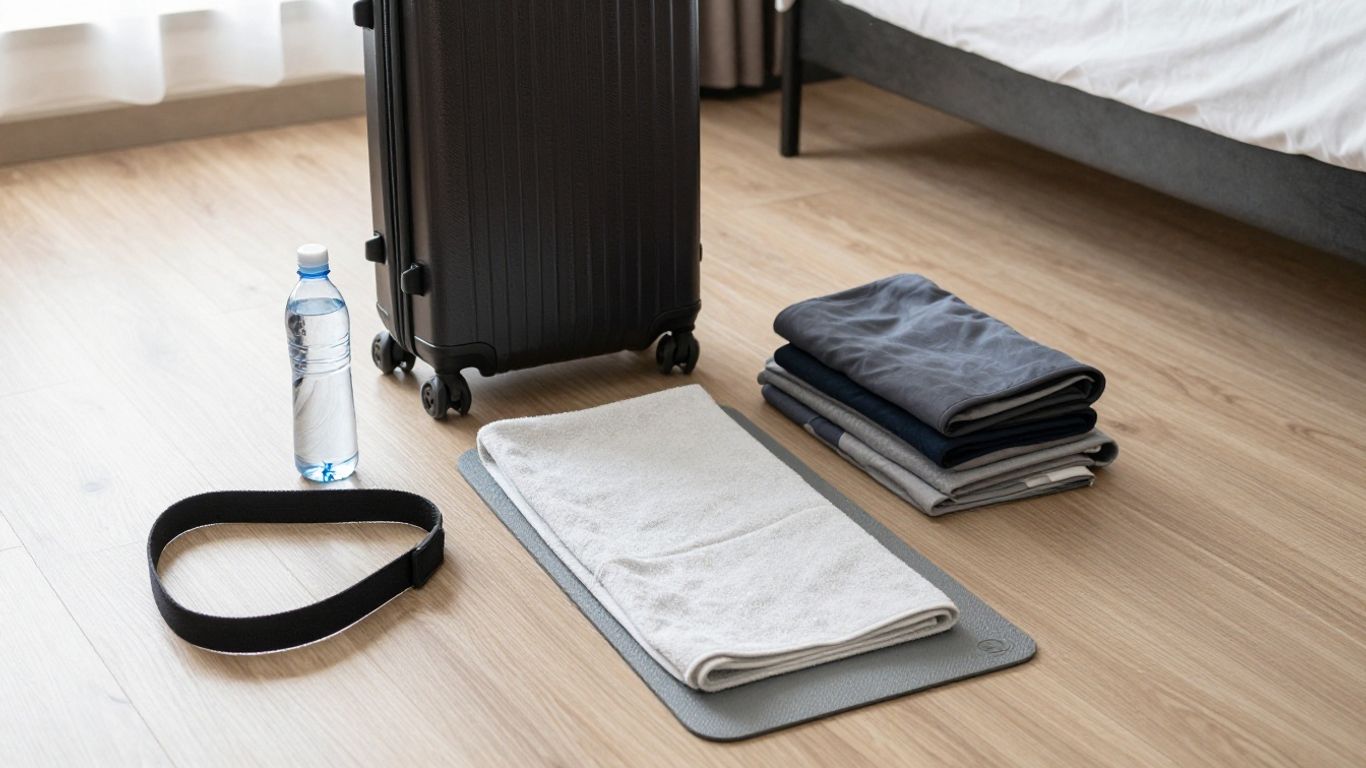
Mats for advanced or frequent practitioners
Frequent practitioners can justify a higher price when a mat receives heavy use, travels often, or needs to perform consistently across many sessions. Dense construction, dependable traction, and resistance to surface wear may reduce replacement frequency. Size and weight matter too if you carry the mat to class several days a week.
Before paying more, identify the specific problem the upgrade solves. A premium mat is easier to justify when it improves a repeated part of your routine rather than merely adding a feature you rarely notice.
Extra costs to include in your budget
The sticker price is only one part of ownership. Delivery charges, tax, a carrying solution, cleaning supplies, and eventual replacement can change the total considerably. A realistic budget makes comparison less surprising and helps you avoid choosing a mat that is cheap only at checkout.
Shipping, sales tax, and import fees
Online prices may exclude sales tax or charge extra for oversized shipping. International shoppers may also face customs or import fees, while a heavy rubber mat can cost more to deliver than a thin travel model. Add these charges before comparing two seemingly similar offers.
Local studios and sporting goods stores may let you feel the surface before buying, while online sellers may offer a wider selection. This guide to finding a yoga mat nearby covers both shopping routes and questions worth asking.
Mat bags, towels, and cleaning products
A bag or strap protects the mat during transport, and a towel can help manage moisture. Cleaning supplies are another small but recurring cost, particularly when the mat is used in shared studios or warm rooms. Yune Yoga also makes durable yoga straps, which can be useful when portability and simple storage are part of the setup.
Keep accessories proportional to your needs. A basic home user may need only a washable cloth and a way to carry the rolled mat, while a frequent traveler may value a lighter, more complete kit.
Replacement costs over time
Every mat eventually shows wear. Peeling, persistent odor, reduced traction, crumbling edges, and deep compression are signs that replacement may be sensible. A $25 mat replaced every year can cost more over several years than a $70 mat that remains usable for much longer.
Maintenance can extend useful life, but it cannot make a worn surface safe or stable again. Follow the maker's cleaning instructions and store the mat away from prolonged heat and direct sunlight.
Warranties and return policies
A warranty can protect against manufacturing defects, while a return period matters when you cannot test the mat before purchase. Read the exclusions: normal wear, stains, odor, and damage from unsuitable cleaning may not qualify. Keep the receipt and inspect the mat soon after delivery.
Price comparisons are clearer when you include this protection. A slightly higher price with a reasonable return window may be preferable to a bargain that cannot be returned once unrolled.
How to compare value before buying
Value is personal, but it can be assessed systematically. Compare what the mat helps you do, how often you will use it, and how long it is likely to remain comfortable and stable. A useful value-based pricing guide offers a broader way to think about paying for outcomes rather than features alone.
Expected lifespan and cost per use
Estimate your likely use over the next year, then divide the purchase price by that number of sessions. A $40 mat used 100 times costs less per session than a $15 mat used only 10 times because it is uncomfortable or slippery. This simple calculation keeps the focus on actual behavior.
Here is a rough comparison using assumed lifespans rather than promises:
| Mat price | Assumed useful life | Approximate cost per year |
|---|---|---|
| $15 | 1 year | $15 |
| $35 | 2 years | $17.50 |
| $70 | 4 years | $17.50 |
| $120 | 5 years | $24 |
The table is not a forecast for any particular product. It simply shows why purchase price alone can be misleading when durability and frequency of use differ.
Comfort, stability, and injury prevention
A mat should feel supportive without making balance unnecessarily difficult. Cushioning can make kneeling more comfortable, while a stable surface may reduce the need to adjust your hands and feet repeatedly. It is better to describe these as practical comfort and stability considerations than to assume any mat prevents injury.
Try to assess the mat on the floor where you will use it. A surface that works on studio wood may move on tile, laminate, or carpet.
Sustainability and ethical materials
Material choices affect weight, odor, end-of-life disposal, and sometimes manufacturing standards. Natural materials may appeal to shoppers who want to reduce reliance on certain synthetics, but they still require careful sourcing and maintenance. Ask whether the seller provides specific information instead of assuming that a natural-sounding label tells the whole story.
The final cost of living and household spending can shape what sustainability choices are realistic; even broader living cost comparisons can be a reminder to judge purchases within a complete budget. The goal is a mat you can use and maintain for a long time.
Reviews, warranties, and trial periods
Reviews are most helpful when they describe months of use, cleaning, odor, curling, and grip under real conditions. Look for patterns rather than one unusually positive or negative comment. A trial or return period is especially valuable when texture is difficult to judge online.
You can also compare a seller's policies with the product's claims. Clear information about materials, dimensions, and care usually signals a more considered purchase than vague language and a very low price.
When a more expensive yoga mat is worth it
A higher price is reasonable when it solves a problem that would otherwise keep you from practicing comfortably or consistently. Frequent use, demanding conditions, and the need for reliable transport are common reasons to spend more. The decision should still be specific, because premium features vary widely.
Paying for better grip and support
Better grip may be worth paying for if your current mat slips during repeated transitions or becomes unreliable when damp. More supportive construction can also make floor-based practice feel less distracting. Test the actual feel whenever possible, because a grippy surface can be pleasant for one person and too resistant for another.
Investing in long-term durability
Durability has value when the mat is used often, carried around, or cleaned regularly. Dense materials and reinforced construction may withstand repeated rolling better than a very light budget mat. Consider weight as part of durability: a mat that is too heavy to carry may not receive enough use to justify its price.
Choosing premium materials for sensitive users
Some users prefer a particular material because of odor, texture, or skin sensitivity. Natural rubber, cork, TPE, and PVC each have different characteristics, and a premium version may provide a more carefully finished surface or clearer material information. Anyone with a known latex sensitivity should check the product details rather than guessing from the appearance.
Recognizing features that are not worth the markup
A feature is not automatically valuable because it raises the price. Decorative finishes, unnecessary extras, oversized packaging, or a fashionable label may add cost without improving your practice. Before buying, list the two or three qualities you will notice every session and ignore the rest unless they solve a real problem.
This approach also helps when comparing genuine vehicle parts, inherited-property costs, or unrelated household purchases: checking long-term value is more useful than reacting to a suspiciously low or high number. For a yoga mat, the test remains simple—will it feel stable, remain usable, and fit your routine?
Conclusion
Yoga mats range from inexpensive starter options to premium products built for frequent or specialized use, but the right choice is rarely the most expensive one. Set a realistic total budget, compare material and grip, account for accessories and replacement, and choose a mat that suits where and how you practice. A well-matched mid-range or travel mat can be better value than a premium model whose features never enter your routine.
Frequently Asked Questions
How much is yoga mat on average?
A basic yoga mat often costs around $10 to $20, a reliable mid-range mat about $20 to $60, and a premium or specialty mat $60 to $150 or more.
Is a $20 yoga mat good enough?
It can be sufficient for beginners, occasional practice, and light home use. Check its grip, thickness, odor, edge quality, and return policy before buying.
What makes a yoga mat expensive?
Materials, density, cushioning, surface grip, manufacturing consistency, size, durability, and brand support can all increase the price.
Is a thicker yoga mat better?
Not always. A thicker mat can provide more cushioning, while a thinner and denser mat may feel steadier for balance poses and be easier to carry.
How often should a yoga mat be replaced?
Replace it when the surface peels, crumbles, loses reliable traction, develops persistent odor, or becomes too compressed to provide comfortable support.
Do I need a yoga mat towel?
A towel can be useful for hot or sweaty practice because it helps manage moisture and may reduce the need to clean the mat after every session.
Should I buy a travel yoga mat?
A travel mat makes sense if you practice away from home, have limited storage, or value a light and foldable setup. Make sure its thinner construction still suits your comfort needs.

