
Your Ultimate Guide: Yoga PDF Free Download for All Levels
Here are the main points to remember from our guide on getting a yoga PDF free download to kickstart your practice.
Key Takeaways
- Yoga is a practice that connects the mind and body, offering benefits for both physical health and mental well-being.
- Starting a yoga practice at home is easy with a good guide and a quiet space.
- There are many different styles of yoga, like Hatha, each with its own focus.
- Proper clothing and timing (like practicing on an empty stomach) can make your yoga sessions more effective.
- Consistent yoga practice can help with weight loss, stress reduction, and overall happiness.
Understanding Your Yoga PDF Free Download
So, you've stumbled upon the idea of a free yoga PDF download, and you're probably wondering what all the fuss is about. Let's break it down. Yoga, at its core, isn't just about bending yourself into a pretzel. It's an ancient practice that connects the mind, body, and spirit. Think of it as a way to get to know yourself better, both inside and out.
What is Yoga?
At its heart, yoga is a discipline that aims to bring harmony between the mind and the body. It's a system of physical, mental, and spiritual practices that originated in ancient India. While many people associate yoga with physical postures, that's only one part of the picture. Yoga also involves breathing techniques, meditation, and ethical principles. The ultimate goal for many is self-realization or enlightenment, but even if that sounds a bit too grand, the everyday benefits are plenty.
The Science of Asanas
Those poses you see in yoga classes? They're called asanas. But they're not just random stretches. Each asana is designed to work with your body in a specific way. The 84 classical yogasanas, for instance, are thought to represent 84 different alignments. When you practice them, you're not just building strength or flexibility; you're also working on your body's energy flow and internal balance. It's like giving your body a tune-up, making sure all the parts work together smoothly. If you're curious about specific sequences, you might find resources on Ashtanga yoga intermediate series helpful.
Benefits of Yoga for Mind and Body
The benefits of a regular yoga practice are pretty wide-ranging. Physically, you can expect improved flexibility, better balance, and increased strength. But it doesn't stop there. Mentally, yoga is fantastic for reducing stress and calming a busy mind. It can help you feel more present and less caught up in worries about the past or future. It's a way to build resilience, both in your body and your mind.
Here are just a few things you might notice:
- Reduced feelings of stress and anxiety.
- Improved sleep quality.
- Greater body awareness.
- A general sense of well-being.
The whole system of yoga is about enhancing perception. It's about becoming more aware of yourself and the world around you, not just on a physical level, but on a deeper, more subtle one too. This heightened awareness can change how you experience everything.
Getting started with a free PDF can be a great way to explore these benefits without any initial commitment. It's a low-barrier entry point to a practice that could genuinely change your life for the better. You might even find yourself looking into professional services for home improvements, like expert brick paving services, to create a more peaceful environment for your practice.
Getting Started with Your Yoga Practice
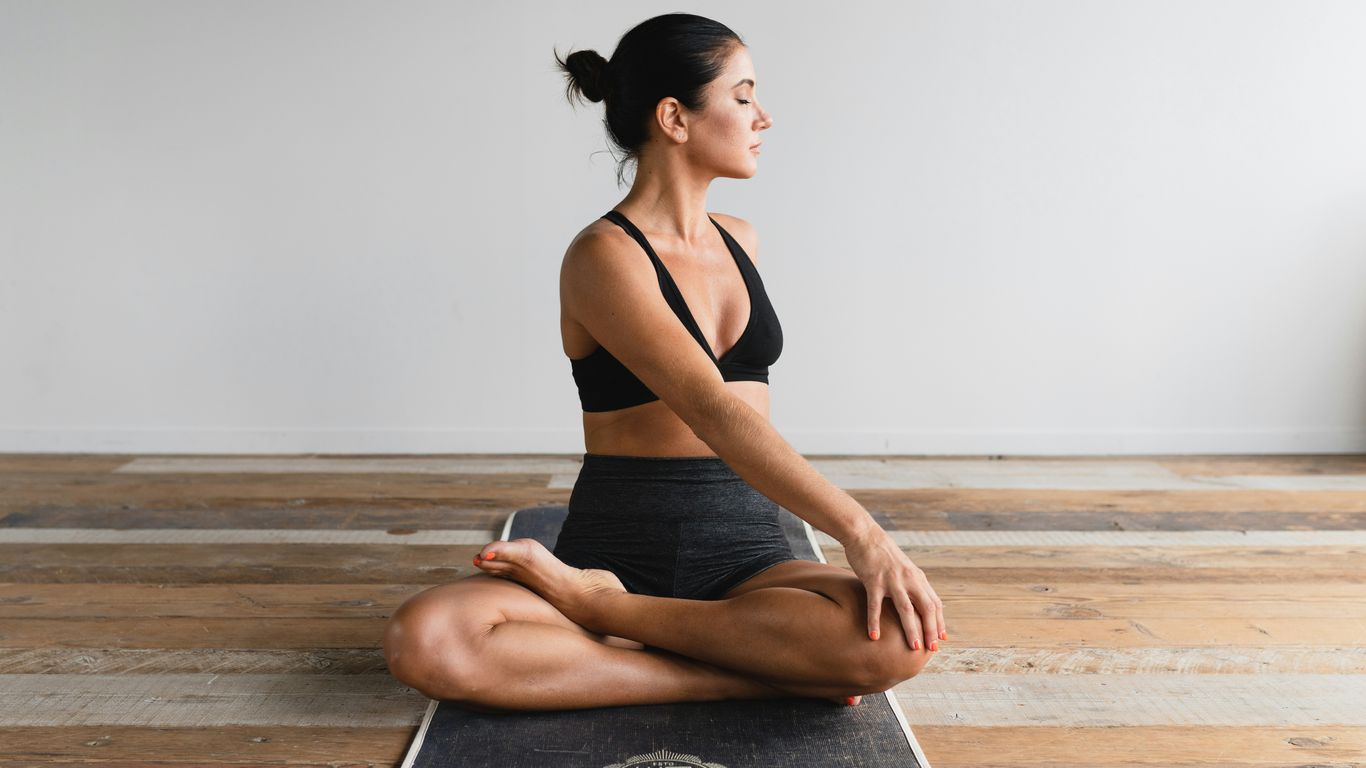
Taking the first steps into yoga doesn’t need to be intimidating. Lots of people hesitate because they think they aren’t flexible or fit enough, but honestly, every person’s journey begins somewhere. Consistency and curiosity are really all you need when you’re new to yoga.
Yoga for Beginners: A Gentle Introduction
Getting started is more about mindset than ability. It’s about being open to learning, making mistakes, and letting the practice grow with you. Here’s how anyone can begin:
- Start slow: Try short sessions (15-20 minutes) to build the habit.
- Pick simple poses: Focus on basics like child’s pose, mountain pose, or gentle twists before looking into advanced postures. For example, you can practice a series of simple beginner yoga exercises right at home.
- Listen to your body: If any movement causes sharp pain or discomfort, stop and reset. Being mindful is key.
The whole point of a beginner’s routine is to help your body and mind ease into yoga, rather than forcing things or rushing toward results. You might struggle with balance or feel stiff at first. That’s normal, and honestly, it’s how most people start out.
Creating the Right Atmosphere for Practice
Making a dedicated space for yoga—no matter how small—is a great motivator. Your environment doesn’t have to be anything fancy, but setting it up for calm helps signal to your brain that it’s time to unwind and focus. Here are some practical ways to set the mood:
- Clear a small area, free of clutter and distractions.
- Use a mat or soft surface for comfort and stability.
- Add gentle music or use silence, whichever helps you get in the zone.
- Try to practice at the same time daily. Early mornings or quiet evenings usually work best for most people.
Taking a few deep breaths before you start can help you settle in, especially if your day’s been hectic.
Daily Yoga Routines for Home
Keeping a simple daily routine makes yoga stick, especially when you’re self-motivated. You don’t need an hour every day—sometimes even ten minutes feels like plenty. Some ideas for your daily set:
| Routine | Duration (minutes) | Purpose |
|---|---|---|
| Morning Stretch | 10-15 | Wake up and energize |
| Post-Work Calm | 20 | Unwind and de-stress |
| Pre-Bed Relax | 10 | Prepare for restful sleep |
- Swap in new poses each week so it stays interesting.
- End each routine with a few breaths lying quietly on your back. This helps your body and mind absorb the practice.
- Review your comfort level often. If a pose doesn’t feel right, tweak or replace it.
Once you set up a consistent home routine, you’ll likely notice benefits even outside of yoga time. A steady practice will help bring steadiness to your day, mentally and physically.
Exploring Different Yoga Styles
When you start looking into yoga, it can feel like a whole new language. There are so many different styles, and it's easy to get lost. But don't worry, we're going to break down a few of the main ones so you can figure out what might be a good fit for you. It's not just about bending your body into weird shapes; each style has its own focus and purpose.
Hatha Yoga: Balancing Sun and Moon
Hatha yoga is often seen as the foundation for many other yoga practices. The name itself gives us a clue: 'Ha' means sun, and 'Ta' means moon. So, Hatha yoga is essentially about bringing balance between these two energies within you – the masculine and the feminine, the active and the passive. This balance is considered the first step towards expanding your consciousness. Without it, reaching your full potential is tough. Think of it as preparing your system. It's not the end goal, but a really important starting point. Many people find they can't meditate or go deeper into yoga without this physical preparation. It's about making your body and mind work together, not as separate parts, but as one whole system.
Asanas: More Than Just Physical Postures
It's a common misconception that yoga is just about doing a bunch of stretches. While asanas (postures) are a big part of it, they're much more than just physical exercises. They are subtle processes designed to direct your energy. The goal isn't to look a certain way or achieve a 'six-pack,' though those might happen as side effects. Instead, the idea is to make your body a strong and receptive vessel. Patanjali, a key figure in yoga philosophy, described the ideal asana as "Sthiram, Sukham Asanam," which translates to stable and comfortable. It means finding a posture where your body and mind are at ease, allowing your energy to flow freely. This state of ease and stability is what allows you to become naturally meditative.
The Purpose of Yogasanas
There are said to be 84 basic yogasanas, but don't think of them as just 84 different poses. Each one is like a system, a way of achieving something. Mastering even one of these can lead to profound insights. The science behind these postures, known as Hatha Yoga, is about manipulating your energy with awareness. It's a way to explore different states of mind and being. If you're looking for a way to connect with yourself on a deeper level, exploring these different types of yoga can be a great starting point. It's about creating health, joy, and blissfulness from the inside out.
The way yoga is sometimes presented, especially in the West, can be a bit off-putting. People often focus on the physical aspect, turning it into a performance or a competition. But at its heart, yoga is a profound process for inner transformation. It's about making your body a fantastic device to receive life's deeper experiences, not just about looking good or being flexible. A proper atmosphere, a sense of humility, and an inclusive approach are key to experiencing yoga as it was truly intended.
Maximizing Your Yoga Experience
So, you've got your yoga PDF and you're ready to get serious. That's awesome! But how do you go from just doing the poses to really getting the most out of your practice? It's not just about bending your body into different shapes; it's about what happens inside. The goal is to make your body a comfortable and stable place to be.
Fine-Tuning Your Asanas for Ease and Stability
Remember that old saying, "Sthiram Sukham Asanam"? It basically means finding a posture that's both steady and comfortable. It sounds simple, but it's the whole point. If you're constantly fidgeting or feeling strained, you're not really in the pose. The idea is to get your body, your mind, and your energy all working together smoothly. When you can hold a pose with ease, you'll notice a big difference.
Here's a quick way to check if you're getting there:
- Check your breath: Is it deep and even, or are you gasping for air?
- Feel your body: Are there any areas of tension or discomfort that you're ignoring?
- Observe your mind: Are you distracted, or can you stay present in the pose?
It takes time, maybe a year or two of regular practice, to really get your body to a state where it feels completely at ease in a pose. But even small improvements make a difference. It's about making your body a good place to live, not just a showpiece.
Enhancing Perception Through Yoga
Yoga is really about changing how you see things, both inside and out. Your perception shapes who you are. What you've experienced and what you're open to experiencing next all contribute to your reality. Yoga helps you expand that.
Think of the 84 yogasanas as 84 different ways to align yourself. Each one is a specific alignment that can help you connect with the world around you. By getting your body into these specific shapes, you're not just exercising; you're setting yourself up to perceive things more clearly. It's like tuning a radio to get a clearer signal.
The Importance of Balance in Life
Modern life often throws us off balance. We get so caught up in work, stress, and comparing ourselves to others that we lose our center. But balance isn't just a nice-to-have; it's pretty important for actually getting things done. Without it, all your intelligence and skills might not get you very far.
Yoga helps bring this balance back. It's not about being perfect or always feeling ecstatic. It's about creating an inner stability that doesn't get shaken by whatever is happening around you. This steady foundation allows you to use your abilities more effectively. It's about making your body and mind a reliable vessel for whatever you want to do in life, whether that's achieving personal goals or just feeling more content day-to-day. Learning the proper techniques can really help you on this path.
Yoga is about creating a union between your inner and outer worlds. When you feel connected, rather than separate, that's the essence of yoga. The physical postures are just one way to approach this ultimate connection, using the body as a more reliable starting point than the often-tricky mind.
Practical Tips for Your Yoga Journey
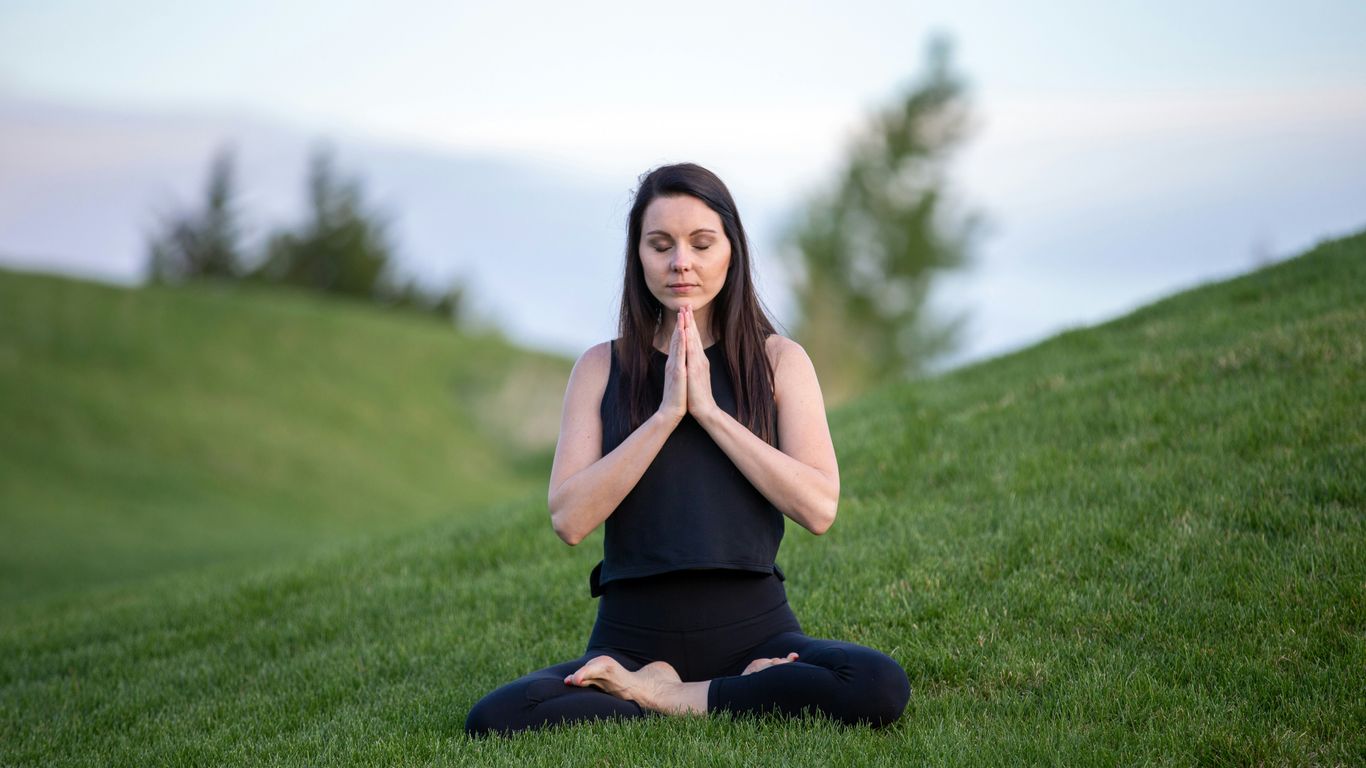
Getting your yoga practice set up right can make a big difference in how you feel and how much you get out of it. It's not just about the poses themselves, but also the little things that support your practice.
What Kind of Clothes Should You Wear for Yoga?
When you're getting ready to practice, what you wear matters. You want clothes that let you move freely without feeling restricted. Think stretchy fabrics that aren't too tight or too loose. Natural fibers like cotton or bamboo are often good choices because they breathe well. Avoid anything with metal zippers or buttons that could dig into you when you're lying down or in certain poses. It's also a good idea to keep jewelry to a minimum, especially anything dangly or heavy. The goal is comfort and freedom of movement so you can focus on your body and breath.
Why an Empty Stomach is Essential for Practice
Practicing yoga on a full stomach can be pretty uncomfortable. When you eat, your body uses energy to digest food. If you try to do poses right after eating, you might feel sluggish or even get cramps. It's best to wait a few hours after a big meal before you start your practice. This allows your body to focus on the movements and breathwork rather than digestion. For many, this means practicing first thing in the morning before breakfast, or several hours after lunch.
Avoiding Water During Yoga Sessions
This might sound a bit strange, but it's generally advised to avoid drinking water during your yoga session. The idea is to maintain a certain internal temperature and energy flow. Drinking water can disrupt this. It's better to hydrate well before and after your practice. If you feel really thirsty during a session, take just a small sip. This is one of those tips that might take some getting used to, but many find it helps them feel more focused and balanced. If you're looking for sequences to try, you might find a Yin Yoga class sequence helpful for a slower, more introspective practice.
The atmosphere you create for your practice is just as important as the poses themselves. Whether you're at home or traveling, setting aside a dedicated space and time can help you get the most out of your yoga. Even a short, consistent routine can be more beneficial than infrequent long sessions. Remember, consistency is key to building a strong practice and reaping the full benefits of yoga. If you're often on the move, learning to adapt your practice can be a lifesaver; consider maintaining your routine on the go with a few simple strategies.
Achieving Health and Well-being with Yoga
Yoga is more than just a way to stretch your body; it's a path to a more balanced and joyful life. When you get into the postures, you're not just moving your limbs, you're also aligning yourself internally. This inner alignment naturally creates a chemistry that leads to feeling healthier, happier, and more peaceful. It's about finding that sweet spot where your body and mind are at ease, allowing your energy to flow freely.
Yoga for Weight Loss and Fitness
While yoga isn't typically seen as a high-intensity workout, it can definitely contribute to weight loss and overall fitness. Certain styles, like Vinyasa or Ashtanga, involve continuous movement that gets your heart rate up, burning calories. Even slower styles build muscle strength and endurance. Plus, by reducing stress and improving sleep, yoga can help regulate hormones that affect appetite and metabolism. It's a holistic approach that supports your body's natural ability to find a healthy weight.
- Builds lean muscle mass: More muscle means a higher metabolism.
- Improves digestion: A well-functioning digestive system is key for nutrient absorption and waste elimination.
- Reduces stress eating: By calming the mind, yoga helps curb emotional eating.
- Increases body awareness: You become more attuned to your body's hunger and fullness cues.
Reducing Stress Through Daily Practice
Life throws a lot at us, and it's easy to get caught up in the daily grind. Yoga offers a way to step back and find some calm. The focus on breath and mindful movement helps to quiet the chatter in your mind. Regular practice can significantly lower cortisol levels, the body's primary stress hormone. This leads to a feeling of greater peace and resilience when facing challenges. It's like giving your nervous system a much-needed break.
The practice of yoga, especially when done consistently, helps to untangle the knots of stress that accumulate in our daily lives. It's not about escaping problems, but about building the inner strength to meet them with a clearer perspective.
Cultivating Joyfulness and Blissfulness
Beyond the physical and mental benefits, yoga has a way of tapping into a deeper sense of well-being. As you become more aligned and balanced, you start to notice a natural uplift in your mood. The practice encourages a sense of gratitude and presence, which are key ingredients for happiness. It's about creating an internal state of ease and vibrance that spills over into every aspect of your life. This isn't just about feeling good temporarily; it's about cultivating a lasting sense of joy and contentment. For those looking to explore different paths to well-being, yoga and sports can both offer significant advantages.
- Mindful breathing techniques: Calms the nervous system and promotes relaxation.
- Physical movement: Releases endorphins, the body's natural mood boosters.
- Increased self-awareness: Helps you recognize and appreciate the good things in your life.
- Connection to inner self: Fosters a sense of peace and fulfillment that goes beyond external circumstances.
Conclusion
So there you have it, your guide to getting started with yoga, all thanks to a handy yoga PDF free download. Remember, yoga is a journey, not a destination. Be patient with yourself, enjoy the process, and notice how your mind and body start to feel better. Whether you're looking to get fit, de-stress, or just find a bit more balance in life, yoga has something for everyone. Grab that PDF and begin your practice today!
Frequently Asked Questions
What exactly is yoga?
Yoga is basically a way to connect your mind and body. It involves different movements and breathing techniques to help you feel more balanced and calm.
Is yoga good for beginners?
Absolutely! Many yoga guides, including free PDFs, are made just for beginners. They show you simple poses to get you started safely.
Do I need special equipment for yoga?
Not really. You can start with just a comfortable mat or even a rug. Many routines in yoga PDFs don't need any special gear at all.
How often should I practice yoga?
Even a few minutes each day can make a difference. Many free yoga PDFs suggest daily routines that fit into a busy schedule.
Can yoga help me lose weight?
Yes, yoga can definitely help with weight loss and fitness. Certain poses and regular practice help burn calories and tone your body.
Why is it important to practice yoga on an empty stomach?
Practicing yoga on an empty stomach helps your body move more freely and allows you to focus better on the poses and your breath without feeling heavy or uncomfortable.

