

Embark on Your Journey: A Comprehensive Introduction to Yoga
Here are the main points to remember as you begin your yoga adventure. These takeaways will help you get started and stay on track.
Key Takeaways
- Yoga means 'to unite' and connects body, breath, and mind.
- It started in ancient India over 5,000 years ago.
- Iyengar Yoga is a good style for beginners because it's structured and focuses on alignment.
- Yoga helps your body feel better, makes your mind calmer, and improves your overall mood.
- Having the right gear, a calm space, and a supportive teacher makes starting yoga much easier.
Understanding the Essence of Yoga
What Yoga Truly Means
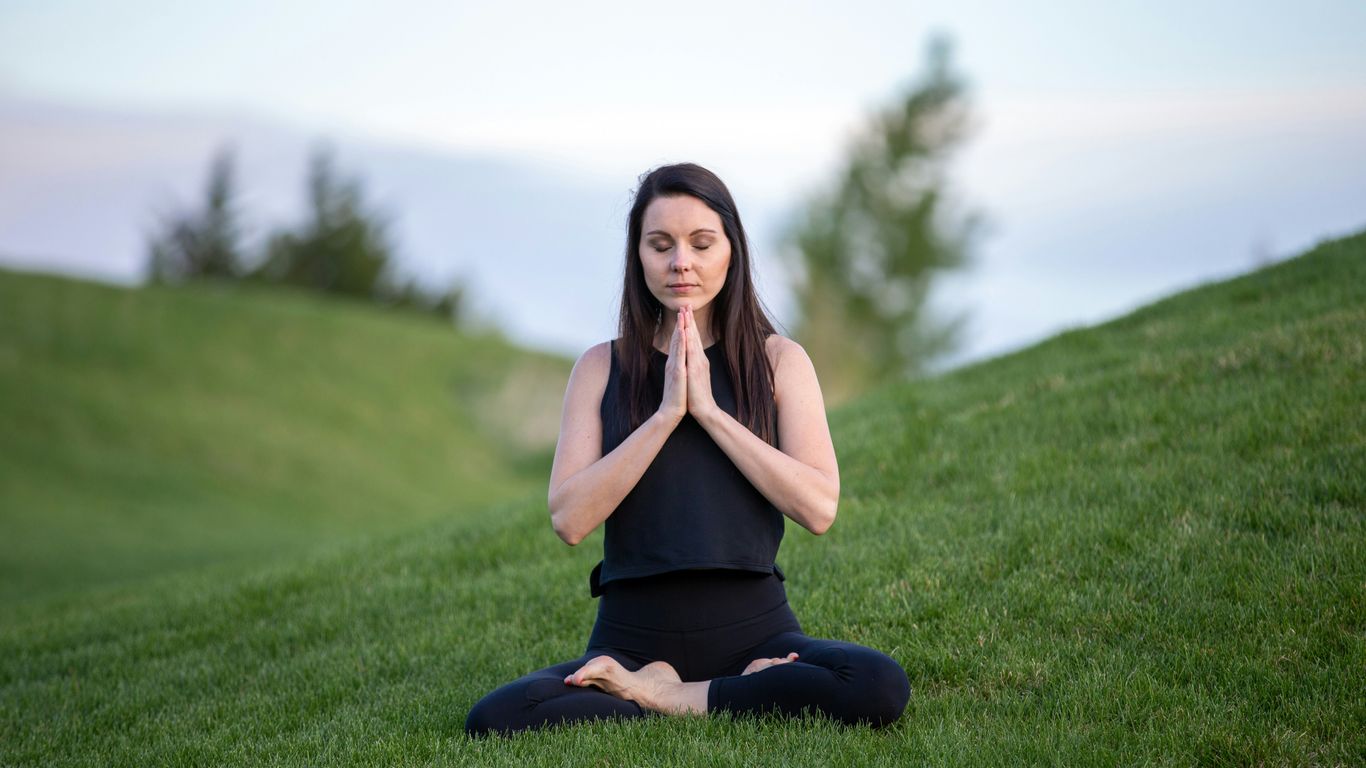
Yoga, at its core, is about connection. The word itself comes from an ancient Indian language and means 'to unite' or 'to join'. It's not just about bending your body into different shapes, though that's part of it for many. It's about bringing together your mind, your body, and your breath. Think of it as a way to find harmony within yourself and with the world around you. It's a practice that aims to create a sense of wholeness. While many people in the West know yoga for its physical poses, that's just one piece of a much bigger picture. It's a whole system for living better.
The Ancient Origins and Evolution
Yoga isn't new; it's been around for thousands of years, originating in ancient India. Early yoga was more focused on meditation and spiritual growth than physical exercise. Over time, it evolved, and different styles developed. The sage Patanjali wrote down a lot of the early teachings, which are still studied today. It's fascinating how something so old has become so popular globally, adapting to fit modern lives while keeping its ancient roots. It's a testament to its lasting value.
Yoga Beyond Physical Postures
It's easy to see yoga as just a workout, but there's so much more to it. Beyond the physical benefits like flexibility and strength, yoga works on your mind too. It helps you become more aware of your body and your thoughts, which can lead to feeling calmer and more focused. It's a way to connect with yourself on a deeper level, finding a sense of peace and balance that can spill over into all parts of your life. This practice can help you see the world and yourself in a new light, recognizing the interconnectedness of all things. This perspective encourages a profound understanding.
The journey of yoga is personal and unfolds at its own pace. There's no single 'right' way to practice, and comparing your progress to others is rarely helpful. Focus on what feels right for your body and mind each day.
Embarking on Your Yoga Journey
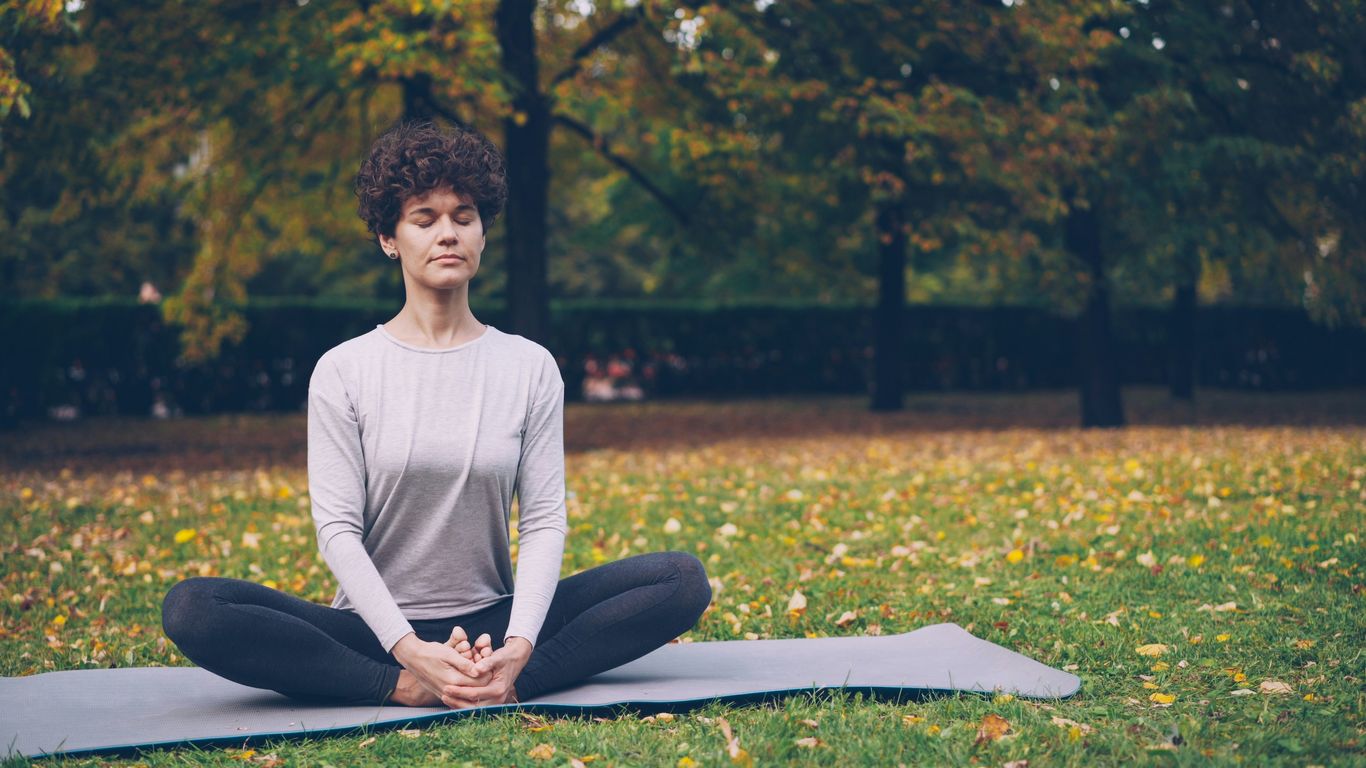
Starting your practice can feel like a big step, but it doesn’t have to be complicated. The roadmap below helps make sense of your first choices and what to expect as you move forward.
Choosing the Right Path: Iyengar Yoga for Beginners
If you’re not sure where to start, Iyengar Yoga is a fantastic option for those new to yoga. This style emphasizes proper alignment and gradual progression, making it easier to learn safely. Here’s what sets Iyengar Yoga apart:
- Props like blocks, straps, and blankets are used to help everybody, regardless of flexibility.
- Classes break down poses and focus on technique over speed, providing a solid foundation.
- Individual attention given in many classes makes it less intimidating and more accessible.
I tried a few different classes when I was new, but it was only after stumbling into an Iyengar class that everything started to click. Suddenly, the confusing instructions made sense — and best of all, I stopped feeling lost in the back row.
Benefits of a Structured Approach
The step-by-step nature of Iyengar Yoga means you don’t rush or skip ahead. This structure offers a bunch of clear benefits:
- Clear learning path keeps things from feeling overwhelming.
- Attention to detail reduces injury risk and boosts confidence.
- Concepts build on each other, so progress feels natural and steady.
| Key Benefit | Why It Matters |
|---|---|
| Prevents injury | Maintains safety and comfort |
| Provides steady growth | Encourages consistent progress |
| Improves technique | Builds a stronger foundation |
When you have a clear process to follow, it’s easier to stick with it, even if everyday life tries to get in the way. There's something reassuring about knowing each class is another brick in the foundation.
The Role of Certified Teachers
Good teachers make a huge difference — especially in the beginning. Certified Iyengar instructors have specific training to lead you through the right sequence, correct your form, and make recommendations if you need a change or a break. You’ll also have that bit of accountability, which helps a lot when motivation dips.
A strong teacher will:
- Suggest personalized adjustments.
- Encourage steady improvement.
- Create a welcoming, no-judgement environment.
If you’re practicing at home, use online platforms and follow tips like those in holding poses for 15-30 seconds to match your current level. Experience, even digital, should feel personal and supportive.
In the end, your yoga journey is about building habits, learning the basics at your own pace, and enjoying the small steps forward — not about being perfect from day one.
Enhancing Physical and Mental Well-being
Transformative Physical Improvements
Practicing yoga does a lot for your body, even when you’re barely getting started. Most notice greater flexibility, steadier balance, and stronger muscles after just a handful of sessions. Those long-held stretches and slow movements wake up muscles you might not even realize you have. Over time, you’ll catch yourself moving with more ease and carrying less tension in places like your neck and shoulders.
Here’s a quick look at some physical benefits that many people experience:
- Increased core strength (hello, better posture!)
- Looser hips and shoulders
- Fewer random aches or stiff spots in the morning
| Physical Benefit | Typical Timeline |
|---|---|
| Looser muscles | 2-4 weeks |
| Better balance | 4-8 weeks |
| Noticeable strength | 8-12 weeks |
Yoga can support athletes and total beginners alike—just start where you’re comfortable, and consistency will do the rest.
If you’re interested in flexibility, strength, or body awareness, notice how yoga parallels those goals at any age. Yoga offers numerous advantages, and you don’t have to be a contortionist to benefit.
Cultivating Mindfulness and Body Awareness
Yoga is more than stretching and weird shapes—it’s about tuning into what your body feels in the moment. Each breath and movement is an invitation to slow down and pay attention. For a lot of people, it becomes the only time in the day when they actually notice their breathing, tension, or racing thoughts. When practiced regularly, yoga sharpens your awareness in everyday life, not just on the mat.
Here are a few ways yoga can boost mindfulness:
- Syncing breath with movement helps you stay present (try it—count your breaths as you move).
- Slower transitions between poses encourage listening to your body’s true limits.
- Mindful rest moments (like savasana) give your mind a chance to reset.
Many folks say yoga gives them the tools to hit pause when life is stressful, by simply focusing on their breath or the feeling of their feet on the ground.
Holistic Advantages for Mind and Spirit
It would be selling yoga short to talk only about the body. Most regulars will say the biggest surprise is how much it shapes their mind and mood. Practicing poses and learning to breathe deeply can help with stress, lower feelings of anxiety, and even help with sleep. For many, time on the mat turns into a kind of moving meditation—and even if your head is full at the start, it often feels clearer by the end.
- Reduced stress by calming the nervous system
- Brighter, steadier mood throughout the day
- New sense of calm in hectic situations
Yoga isn’t all about instant results. The changes pile up slowly, but the payoff can touch just about every part of your life. If you stick with it, you might notice you’re kinder to yourself, more patient with others, and ready to look at challenges a little differently every day.
Progressive Stages in Your Practice
Starting yoga can feel like stepping into a new world, and it's totally normal to wonder what comes next. The beauty of yoga is that it's a journey, not a race. You don't just jump into advanced poses overnight. It's all about building a solid base and letting your body and mind gradually adapt.
The Journey of Beginners Courses
Most yoga studios and online platforms offer beginner courses for a reason. These are designed to gently introduce you to the basics. Think of the first few weeks as laying the groundwork. You'll likely start with fundamental poses, focusing on how to get into them safely and what they should feel like. For instance, a beginner's course might spend a good chunk of time on standing poses. These are great for building strength and improving your posture. You might notice yourself standing taller or sitting straighter without even thinking about it.
As you get more comfortable, the course will introduce seated poses. These are aimed at increasing flexibility in your knees, ankles, and hips, and also helping with stiffness in your shoulders and wrists. It’s a step-by-step process. New poses are added as you're ready, so you're not overwhelmed. Later on, you might explore some gentle backbends and even some therapeutic inverted poses. The goal is to give you a well-rounded introduction to the main types of yoga postures.
The progression in a beginner's course is carefully planned. It ensures that you build strength and flexibility at a pace that's right for you, making the practice accessible and enjoyable from the very start.
Unlocking the Benefits of Online Learning
Online yoga has really taken off, and it's a fantastic option for many people. You can find beginner courses that are specifically designed for home practice. This means you can learn at your own speed, in the comfort of your own space. Many online classes offer detailed instructions and modifications, which are super helpful when you're just starting out. You can pause, rewind, and rewatch sections if you need to. It's a flexible way to get started, especially if getting to a studio is tricky. You can even find classes tailored for specific needs, like a gentle Iyengar class for stiffer bodies.
A Gradual Progression Through Poses
When you're practicing, whether in a class or on your own, remember that progress isn't always linear. Some days your body will feel more open than others. It's important to listen to your body and not push too hard. A typical progression might look something like this:
- Foundation Poses: Starting with simple standing and seated poses to build basic strength and flexibility.
- Flow and Stamina: Gradually moving into sequences that link poses together, like a simple Vinyasa sequence, to build endurance.
- Deeper Exploration: Introducing more challenging poses, inversions, and backbends once you have a strong understanding of the fundamentals.
It's all about consistency and patience. Celebrating small improvements, like holding a pose a little longer or feeling more balanced, can keep you motivated. The key is to keep showing up on your mat, even if it's just for a short practice.
Setting Up for Success
Essential Gear for Your Practice
Stepping onto the mat for the first time can feel awkward, but the right gear helps take away the guesswork. A quality yoga mat is non-negotiable—it’s the one thing between you and the floor. But that’s just the starting point. Many beginners are surprised by how much props like blocks, straps, and blankets can help, especially for those moments when flexibility isn’t quite there yet.
Here's a simple table breaking down a few basics and what they’re for:
| Item | What It Does | Why It Helps |
|---|---|---|
| Yoga Mat | Soft, non-slip surface | Stability and comfort |
| Blocks | Raise the ground to you | Support and balance |
| Strap | Extend your reach | Improve stretching safely |
| Blanket | Extra padding/support | Comfort in seated/lying poses |
| Bolster | Extra cushioning | Restorative poses/relaxation |
Want a little more detail? Check out these five helpful yoga props to make things easier as you get started.
Creating a Conducive Home Space
Your yoga space doesn’t have to look like a fancy studio. What matters is that it feels inviting, uncluttered, and—most of all—yours. Here’s what to keep in mind:
- Pick a spot with enough floor space so you can move freely in all directions.
- Add a touch of comfort: a candle, a small plant, or even just some soft lighting.
- Consider sound—either put on calming music or enjoy the quiet.
- Keep distractions away. (Seriously, put the phone on silent. No one needs a text in Savasana.)
A dedicated, welcoming space—even just a corner of your living room—will make it easier to stick with your practice because it’s a place where you want to spend time.
Approaching Your First Yoga Class
That first class can be a little nerve-wracking. The trick? Go in with no expectations. Every teacher has their unique style and every class is different, so it’s normal to feel out of place at first. Here’s how to get the most out of your first go:
- Arrive a few minutes early so you can settle in.
- Tell the teacher you’re new—they’ll offer modifications and keep an eye on you.
- Listen to your body and don’t push through pain or serious discomfort.
- It’s okay to rest or skip a pose if something doesn’t feel right.
If you’re still curious about supporting your foundation with the right tools, beginner classes often introduce prop use, or you can explore more ideas through practical advice on yoga equipment.
You’ll walk out not just knowing a few poses but understanding that everyone starts as a beginner—awkward, unsure, but with plenty of room to grow.
Deepening Your Connection
Once you've got a handle on the basics and feel comfortable in your regular practice, it's time to explore what's next. This is where things get really interesting, moving beyond just the physical shapes and into the heart of what yoga offers. It’s about building a more profound relationship with yourself and the practice.
Exploring Advanced Poses and Sequences
As you get stronger and more flexible, you might start noticing certain poses that feel like a natural next step. Think about inversions, deeper backbends, or more complex arm balances. It's important to approach these with respect for your body and a solid foundation. Working with a teacher who can guide you through these challenging postures safely is key. They can help you understand the alignment and the subtle energies involved. Sequencing, or how you string poses together, also becomes a fascinating area. A well-crafted sequence can feel like a dance, moving you from one pose to the next with grace and intention, preparing your body and mind for deeper states of being. You can find great resources for sequencing on platforms like Yoga Selection.
The Role of Meditation and Breathwork
Beyond the physical, yoga is deeply connected to your inner world. Meditation is a big part of this. It’s not about emptying your mind, but more about observing your thoughts without judgment. Even just a few minutes a day can make a difference in how you feel. Then there's breathwork, or pranayama. It sounds simple, but controlling your breath has a huge impact on your nervous system. Different breathing techniques can help you feel more energized, calm, or focused. It’s a powerful tool for managing stress and connecting with your body on a deeper level.
The Importance of a Supportive Community
Practicing yoga doesn't have to be a solitary activity. Finding a community, whether it's your local studio, an online group, or even just a friend you practice with, can really boost your journey. Sharing experiences, asking questions, and having people to practice with can keep you motivated and inspired. It’s nice to know you’re not the only one figuring things out. Sometimes, just being around others who are on a similar path can be incredibly grounding. It reminds you that yoga is a shared experience, a way to connect with others and with yourself.
Conclusion
Starting your yoga journey is a step towards better health and peace. Remember that yoga is a personal path, so go at your own pace. Whether you're stretching at home or joining a class, the most important thing is to keep practicing and learning. Yoga is more than just poses; it's about connecting with yourself. Enjoy the process, celebrate your progress, and embrace the calm and strength yoga can bring into your life. Namaste.
Frequently Asked Questions
What is yoga, really?
Yoga is an old practice from India that helps bring your body, breath, and mind together. It's not just about stretching; it includes breathing exercises and quiet thinking to help you feel good all over.
Is yoga just about doing difficult poses?
Not at all! While there are challenging poses, yoga is for everyone. Beginners start with simple movements. The goal is to feel better, not to be a pretzel. Many poses can be changed to fit what your body can do.
What's the best way for a total beginner to start yoga?
It's smart to find a beginner's class, maybe one that focuses on Iyengar Yoga. This style is known for being very clear about how to do each pose correctly. Having a teacher guide you is super helpful.
Do I need special clothes or equipment to start yoga?
You don't need much to begin. Comfortable clothes you can move in are key. A yoga mat is very useful for grip and comfort, but you can even start on a carpeted floor. Later, you might want props like blocks.
How often should I practice yoga?
Consistency is more important than how long you practice. Even 15-20 minutes a few times a week can make a big difference. Find a time that works for you and try to stick with it.
Can yoga help with stress?
Yes, definitely! Yoga's focus on breathing and mindful movement helps calm your nervous system. It's a great way to let go of daily worries and feel more peaceful.

