
Your First Yoga Class: A Gentle Introduction for Beginners
Thinking about trying yoga but not sure where to start? It's totally normal to feel a little unsure before your first class. This guide is here to help you out, making your initial yoga beginners class experience smooth and enjoyable. We'll cover what to expect, how to get ready, and some simple tips to help you feel more comfortable on the mat. Let's get you ready for your first yoga beginners class!
Key Takeaways
- Yoga is a practice that connects the body and mind through movement and breath, not just about flexibility.
- Different yoga styles exist, but gentle or Hatha yoga are good starting points for a yoga beginners class.
- Wear comfortable clothes that let you move freely, and bring a yoga mat if you have one; studios often provide props.
- Listen to your body during class; it's okay to modify poses or rest when needed – progress is more important than perfection.
- Arrive a little early, be mindful of the space and others, and focus on your own experience during your yoga beginners class.
Understanding Your First Yoga Beginners Class
So, you're thinking about trying a yoga class? That's awesome! It can feel a little daunting at first, wondering what it's all about and if you'll fit in. Let's break it down.
What Is Yoga?
At its core, yoga is an ancient practice that started in India thousands of years ago. It's not just about bending yourself into weird shapes, though that can be part of it. It's really a way to connect your mind, body, and breath. Think of it as a system for overall well-being, combining physical poses, breathing exercises, and sometimes a bit of quiet reflection. The goal is to find a sense of balance and calm, both on and off the mat. It's a journey, not a race, and everyone starts somewhere.
Different Styles of Yoga for Beginners
When you look at class schedules, you might see a bunch of different yoga styles listed. It can be confusing! For beginners, some styles are definitely more welcoming than others. Here's a quick rundown:
- Hatha Yoga: This is often a great starting point. Hatha classes usually focus on holding basic poses for a few breaths and paying attention to alignment. It's a good way to learn the fundamentals.
- Gentle Yoga: As the name suggests, this style is very slow-paced and focuses on relaxation and gentle movement. It's perfect if you're feeling a bit stiff or just want to unwind.
- Restorative Yoga: This is all about deep relaxation. You'll use a lot of props like blankets and bolsters to support your body in very gentle poses, holding them for extended periods.
Styles like Vinyasa (which links breath to movement in a more flowing way) or Ashtanga (which has a set, more vigorous sequence) might be a bit much for your very first class, but you can explore those later as you get more comfortable.
Benefits of a Yoga Beginners Class
Why bother with yoga? Well, the benefits are pretty wide-ranging. You'll likely notice improvements in your physical body, like better flexibility and maybe even some increased strength. Holding poses and focusing on your breath can also do wonders for your stress levels. It's a chance to step away from the daily hustle and just be present for a little while. Many people find that regular practice helps them feel more centered and less reactive to everyday pressures. It's a way to tune into yourself and what your body needs. You can find out more about the initial focus of yoga practice when you're starting out.
Yoga is a personal journey. Don't compare yourself to others in the room. Everyone has their own unique experience and their own pace of learning. Focus on what feels right for your body today.
Preparing for Your Yoga Beginners Class
Getting ready for your very first yoga class doesn't need to be complicated. Think of it as getting ready for any comfortable activity where you'll be moving around. The main goal is to feel at ease so you can focus on what you're doing.
What to Wear to Your First Yoga Class
When it comes to clothing, comfort is king. You want to wear something that lets you stretch and bend without feeling restricted. Think about clothes that are breathable, too, so you don't get too warm. Many people find that athletic wear works well, but you can also use comfortable leggings, sweatpants, or shorts paired with a t-shirt or tank top. Avoid anything too baggy that might get in your way or anything too tight that digs in.
Essential Gear for Yoga Beginners
For your first class, you really only need one thing: a yoga mat. A mat gives you a bit of cushioning and, more importantly, grip so you don't slide around. Most studios have mats you can borrow or rent if you don't want to buy one right away. If you do decide to get your own, look for one that's not too thin and not too thick – a good middle ground is usually best.
Other items that can be helpful, but aren't strictly necessary for your first class, include:
- Blocks: These are like little bricks that can help you reach the floor or support you in certain poses.
- Straps: Think of these as an extension of your arms, helping you get a little deeper into stretches.
- Water Bottle: Staying hydrated is always a good idea, though you might want to sip rather than chug before class.
Before You Arrive at the Studio
There are a couple of things to keep in mind before you head out the door. It's generally a good idea to avoid eating a heavy meal right before yoga. Try to have your last big meal a couple of hours before class. A light snack is usually fine if you're feeling hungry. Also, try to arrive at the studio about 10-15 minutes early. This gives you time to find the room, get your mat set up, and maybe chat with the instructor if you have any questions or want to mention any injuries you might have. It’s also a good chance to just settle your mind before class begins.
Remember, yoga is a practice, not a performance. There's no need to feel pressure to be perfect. Just show up, be present, and do what feels right for your body on that day. Everyone started somewhere, and instructors are used to having beginners in their classes.
Navigating Your Yoga Beginners Class
So, you've found your way to the studio, maybe you've got your mat and comfy clothes on. Now what? This part is all about what to expect once you're actually on the mat and moving. It's less about perfect poses and more about finding your own way through the practice.
Basic Yoga Poses for Beginners
Don't worry about knowing a million fancy names for poses. Most beginner classes will introduce you to the foundational ones. Think of these as the building blocks. You'll likely encounter poses like:
- Mountain Pose (Tadasana): Standing tall, feet grounded, feeling your connection to the earth. It's simpler than it sounds, but really important for posture.
- Downward-Facing Dog (Adho Mukha Svanasana): This is a common one. You'll be on your hands and feet, with your hips lifted high. It feels like a gentle stretch for your whole body.
- Child's Pose (Balasana): A resting pose. You'll fold forward, knees on the mat, forehead resting down. It's your go-to if you need a break.
- Warrior II (Virabhadrasana II): A strong standing pose that opens up your hips and chest. You'll feel grounded and powerful.
Remember, the instructor will guide you, and modifications are totally normal. It's not about how deep you can go, but how you feel in the pose.
Focusing on Breath in Your Practice
This is a big one. Yoga isn't just about moving your body; it's about connecting your breath to those movements. You'll hear a lot about inhaling and exhaling. Your breath is your anchor in yoga.
- Deep Belly Breathing: Try to breathe into your belly, letting it expand on the inhale and drawing it in on the exhale. It's calming.
- Connecting Breath to Movement: When you lift your arms, you might inhale. When you fold forward, you might exhale. The teacher will cue this, but don't stress if you don't get it right away. Just breathing is the main thing.
- Finding Your Rhythm: Your breath will help you move with more intention and less rushing. It's like a gentle rhythm guiding you through the poses.
The goal isn't to hold your breath or force it. Just let it flow naturally, like a gentle wave. If you find yourself holding your breath, that's a sign to ease back a bit.
Listening to Your Body
This is perhaps the most important takeaway from any yoga class, especially when you're starting out. Your body will tell you what it needs. It's not a competition with the person on the mat next to you, or even with yourself from yesterday.
- No Pain, Just Sensation: You might feel a stretch, a gentle pull, or even some warmth. That's usually okay. Sharp, shooting, or intense pain is your signal to back off.
- Modifications are Your Friend: If a pose feels too intense, ask for a modification or simply don't go as deep. Using props like blocks or blankets can make a big difference.
- Rest When You Need It: If you feel tired or overwhelmed, it's perfectly fine to take a break in Child's Pose or just sit quietly. Your body knows best.
Think of your first class as an exploration. You're learning how your body feels and how to move with your breath. It's a process, and every little bit of progress is worth celebrating.
Finding the Right Yoga Beginners Class
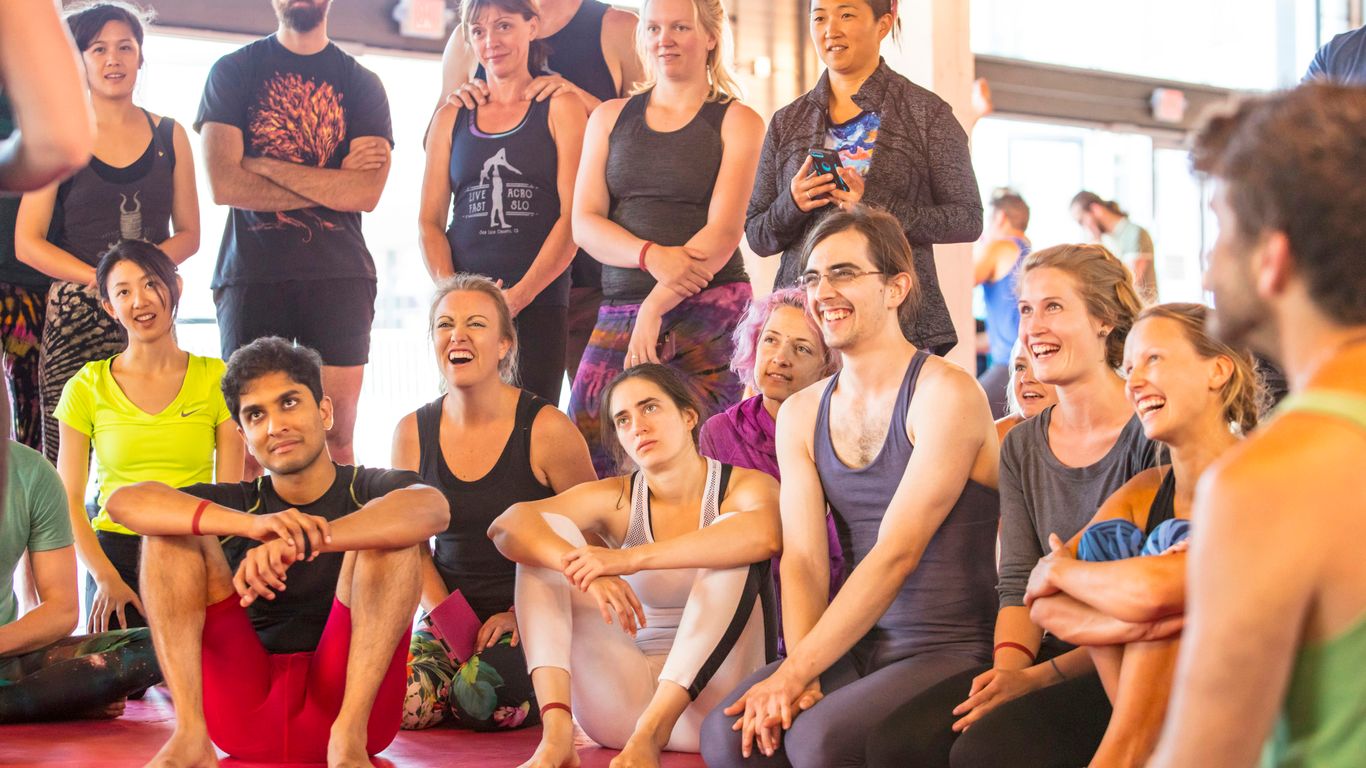
So, you've decided to give yoga a shot, which is awesome! But now comes the part where you actually have to pick a class. It can feel a little overwhelming with all the different styles and studios out there, right? Don't sweat it. The key is to find a class that feels good for you, right now. It’s not about finding the “perfect” class, but the right one to start your journey.
Choosing a Gentle Yoga Style
When you're just starting, it's usually best to ease into things. Think of it like learning to swim; you don't jump into the deep end right away. Gentle yoga styles are designed for this. They move at a slower pace, focus on basic poses, and give you plenty of time to get a feel for the movements and your breath.
- Hatha Yoga: This is a really common starting point. It's a good all-around style that focuses on holding poses and connecting with your breath. It’s not too fast and not too slow.
- Restorative Yoga: If you're looking for serious relaxation and stress relief, this is it. You'll use a lot of props like blankets and bolsters to support your body in gentle poses for longer periods. It’s super calming.
- Beginner-Specific Classes: Many studios offer classes explicitly labeled "Beginner," "Intro to Yoga," or "Gentle Yoga." These are usually your safest bet because the instructor knows everyone is new and will tailor the class accordingly.
It’s wise to avoid styles like Ashtanga, Bikram, or hot yoga when you're first starting out. These can be pretty intense and require a good level of strength and endurance that you'll build up over time.
Remember, yoga is a personal practice. What works for one person might not work for another. Your first class is about exploration, not perfection. Be patient with yourself and enjoy the process of discovering what feels right in your body.
Finding a Welcoming Instructor
Beyond the style of yoga, the person leading the class makes a huge difference. A good instructor can make you feel comfortable, safe, and encouraged, even if you're wobbling in a pose. Look for an instructor who offers clear instructions and modifications. They should be approachable and make you feel like it's okay to not be perfect.
Here’s what to look for:
- Clear Cues: Do they explain how to get into poses and what to focus on? Do they offer options for different levels?
- Observant: Do they seem to notice if someone is struggling and offer gentle adjustments or suggestions?
- Positive Vibe: Do they create a non-judgmental atmosphere? You want to feel supported, not intimidated.
- Open to Questions: Are they available before or after class to answer any questions you might have?
Don't be afraid to try a few different teachers. Many studios have bios online, or you can ask other students for recommendations. Finding an instructor you connect with can make all the difference in your motivation to keep coming back.
Exploring Different Class Formats
Studios often have various class lengths and schedules. Think about what fits best into your life right now. A 60-minute class is pretty standard, but some places offer shorter 45-minute sessions, which can be great if you're short on time or still building stamina. You might also find studios that offer a mix of styles, like the low-impact workouts at RIO METHOD, which include Pilates and Barre alongside yoga. Exploring different formats can help you find a rhythm that works for your schedule and energy levels. Some people prefer morning classes to start their day, while others find an evening class helps them unwind. See what's available and try a few different times to see what feels best.
Etiquette and Mindfulness in Yoga
Respecting the Yoga Space
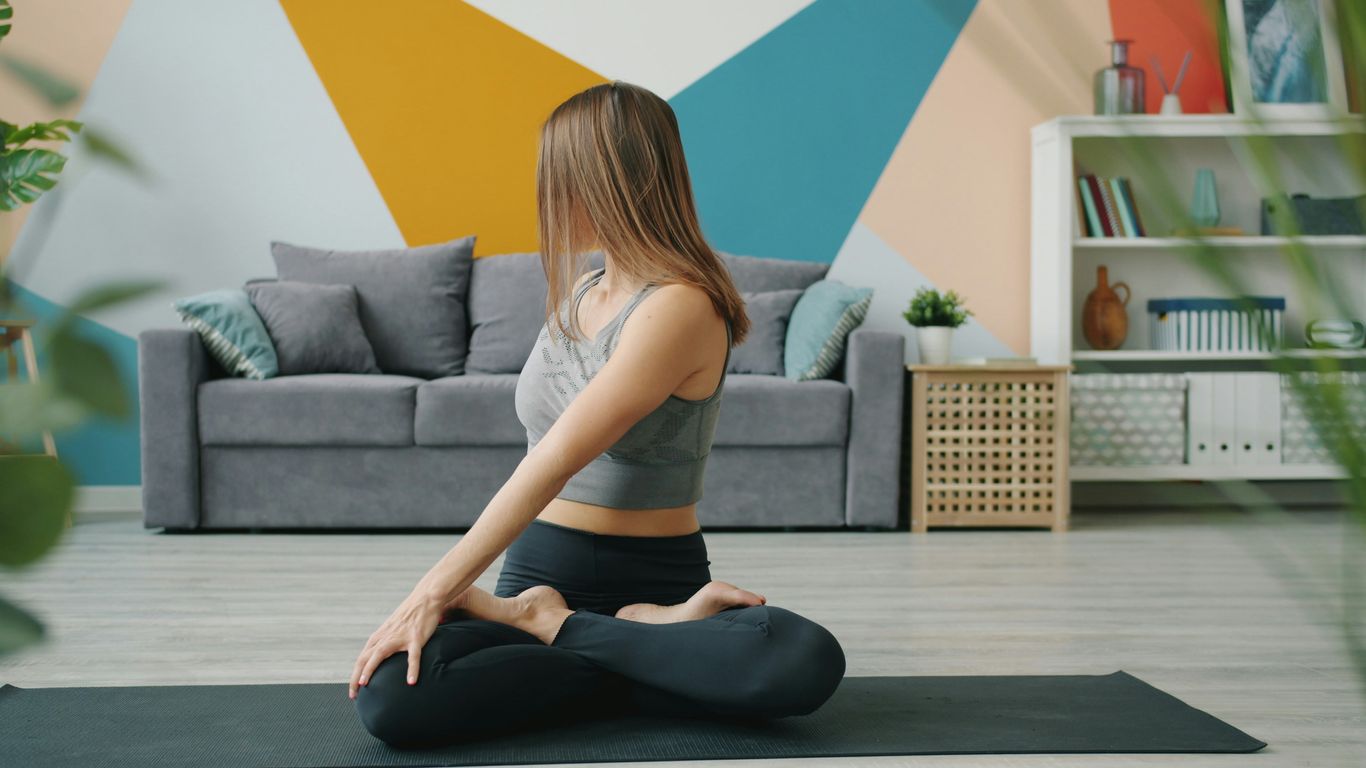
Stepping into a yoga studio is like entering a shared sanctuary. It's a place where everyone is trying to find a little peace, so keeping things calm and considerate goes a long way. Think about arriving a few minutes before class starts. This gives you time to find a spot, set up your mat, and just settle in without rushing. It’s also a good idea to silence your phone or, even better, leave it in your bag. Nobody wants to hear a ringtone during a quiet meditation. And when you're in the studio space, try to keep your voice down. Save the chatting for after class. It’s all about creating an atmosphere where everyone can focus on their practice.
Mindful Movement and Presence
Yoga is really about being present, right here, right now. It’s not just about the physical poses, but how you move through them and how you breathe. Your breath is your anchor to the present moment. When you focus on your inhale and exhale, you naturally tune out distractions. If your mind starts to wander – and it will, that’s totally normal – just gently bring your attention back to your breath. Notice the sensations in your body as you move. Are you feeling a stretch? Is there tension anywhere? This awareness helps you connect with yourself and makes the practice much more rewarding. It’s less about getting the pose perfect and more about how it feels for you.
Gratitude and Personal Journey
Remember that everyone in the room is on their own path. Some people might be seasoned yogis, while others are just starting out, like you. There's no competition here. What one person can do in a pose might be different from what you can do, and that's perfectly okay. Yoga is a personal journey. Listen to your body, respect its limits, and don't push yourself into pain. If a pose doesn't feel right, modify it or take a break. It’s about self-care, not self-punishment. At the end of class, taking a moment to acknowledge your effort and express gratitude – whether silently to yourself, to the instructor, or to your fellow students – can really round out the experience. It’s a nice way to wrap things up and carry that sense of peace with you.
Keep Going!
So, you've taken your first step onto the yoga mat, and that's a big deal! Remember, this is just the beginning of your yoga journey. Don't worry if you didn't get every pose perfectly or if you felt a little awkward at first – everyone does. The most important thing is that you showed up for yourself. Keep practicing, listen to your body, and be patient. You might be surprised at how much you grow, both on and off the mat. There are tons of resources out there to help you continue, so don't be afraid to explore different classes or instructors. You've got this!
Frequently Asked Questions
What exactly is yoga and why should I try it?
Yoga is an old practice from India that mixes body poses, breathing exercises, and thinking calmly. It's not just about touching your toes; it's a way to feel better in your mind and body. People try yoga to become more flexible, less stressed, and more focused. It's like a workout for your whole self, helping you feel stronger and more peaceful.
What should I wear to my very first yoga class?
For your first class, wear comfy clothes that let you move easily. Think stretchy pants or shorts and a t-shirt or tank top. You don't need special yoga clothes; just make sure you can bend, stretch, and twist without feeling restricted. Most people practice yoga barefoot, so you won't need special shoes.
Do I need to buy a lot of special gear before I start?
Not at all! The most important thing you might want is a yoga mat. It gives you a better grip and makes the floor more comfortable. Many studios have mats you can borrow or rent if you don't want to buy one right away. Sometimes, teachers use things like blocks or straps to help with poses, but you can often use books or belts from home if needed.
What if I can't do all the poses perfectly?
That's completely normal, especially when you're just starting! Yoga is a journey, not a competition. It's okay to modify poses to fit your body. Listen to your body and don't push yourself too hard. Your instructor can show you easier ways to do things, and using props can help a lot. The goal is to feel good, not to be perfect.
What's the best kind of yoga for someone brand new?
For beginners, it's best to start with gentler styles. Look for classes labeled "Beginner," "Hatha," "Gentle Yoga," or "Restorative." These classes usually move at a slower pace and focus on basic poses and breathing. They're a great way to learn the fundamentals without feeling overwhelmed.
How should I breathe during yoga?
Breathing is super important in yoga! Usually, you'll be asked to breathe in and out through your nose. Try to take slow, deep breaths that fill your belly. Your breath can help you move through poses and stay calm. Don't worry if you forget sometimes; just try to focus on your breath as much as you can. It's called 'Pranayama' and it's a big part of the practice.


