
Your First Beginners Yoga Class: A Gentle Introduction to Practice
Thinking about trying yoga but not sure where to start? It's totally normal to feel a little lost when you're new to something. This guide is here to help you figure out your first beginners yoga class. We'll cover how to find a class that fits you, what to bring, what to expect, and some basic poses to get you going. Yoga is for everyone, and this is your easy-to-follow intro.
Key Takeaways
- Look for classes labeled 'beginner,' 'foundational,' or 'gentle.' Don't hesitate to call or email studios to ask if a class is suitable for newcomers.
- Wear comfortable, stretchy clothes that let you move freely. You don't need fancy gear to start; your regular workout clothes will likely work.
- Expect a mix of gentle movement, basic poses, and focus on breathing. Yoga is about connecting your mind and body, not just physical exercise.
- Basic poses focus on body awareness and simple movements. Modifications are common, so don't worry if you can't do a pose perfectly right away.
- Breathing is a big part of yoga. Learning to slow and control your breath can help you relax and get more out of your practice.
Finding Your First Beginners Yoga Class
Starting yoga can feel a little daunting, right? You see all these flexible people on social media and wonder if you even belong. But here's the thing: yoga is for everyone, no matter your age, shape, or how stiff you feel. You don't need to be a pretzel expert to begin. In fact, the whole point is to work towards feeling better, both in your body and your mind.
Locating Beginner-Friendly Studios
Finding a place to start is easier than you might think. A quick online search for "beginner yoga classes near me" is a good first step. Many studios have their schedules posted online, and some even use apps. It's usually a good idea to book your spot ahead of time, especially if you're new. This helps the studio know how many people to expect and makes sure you get a place.
When you're looking at class descriptions, keep an eye out for words like "foundational," "gentle," or simply "beginner." These are usually a safe bet. Classes labeled "restorative" or "yin" can also be great for newcomers because they focus on holding poses for longer periods with support, which is really relaxing.
Understanding Class Descriptions
Class names can sometimes be confusing. Here's a quick guide to what some common terms might mean for a beginner:
| Class Type | What to Expect |
|---|---|
| Beginner | Explicitly designed for those new to yoga, focusing on basic poses and alignment. |
| Gentle | Slower pace, often with modifications, suitable for all levels. |
| Foundational | Focuses on the building blocks of yoga, good for understanding the basics. |
| Restorative | Uses props to support the body in passive stretches, very relaxing. |
| Yin | Holds poses for several minutes to target deeper connective tissues. |
Avoid classes labeled "Vinyasa," "Power," "Ashtanga," or "Bikram/Hot Yoga" when you're just starting out. These tend to be more physically demanding and faster-paced, which can be a lot to take in when you're still learning the poses.
Communicating with Studios and Teachers
Don't hesitate to reach out to a studio or teacher before your first class. A quick email or phone call can clear up a lot of questions. You can ask if a specific class is suitable for absolute beginners. If you have any injuries or health concerns, it's really important to mention them. Teachers can often suggest the best class for your needs or let you know if there are any poses you should avoid. They want you to feel safe and comfortable, so talking to them is a good idea.
It's okay to feel a little unsure. The most important thing is to show up with an open mind and a willingness to try. The teacher is there to guide you, and everyone in the class was a beginner once.
Preparing for Your Beginners Yoga Class
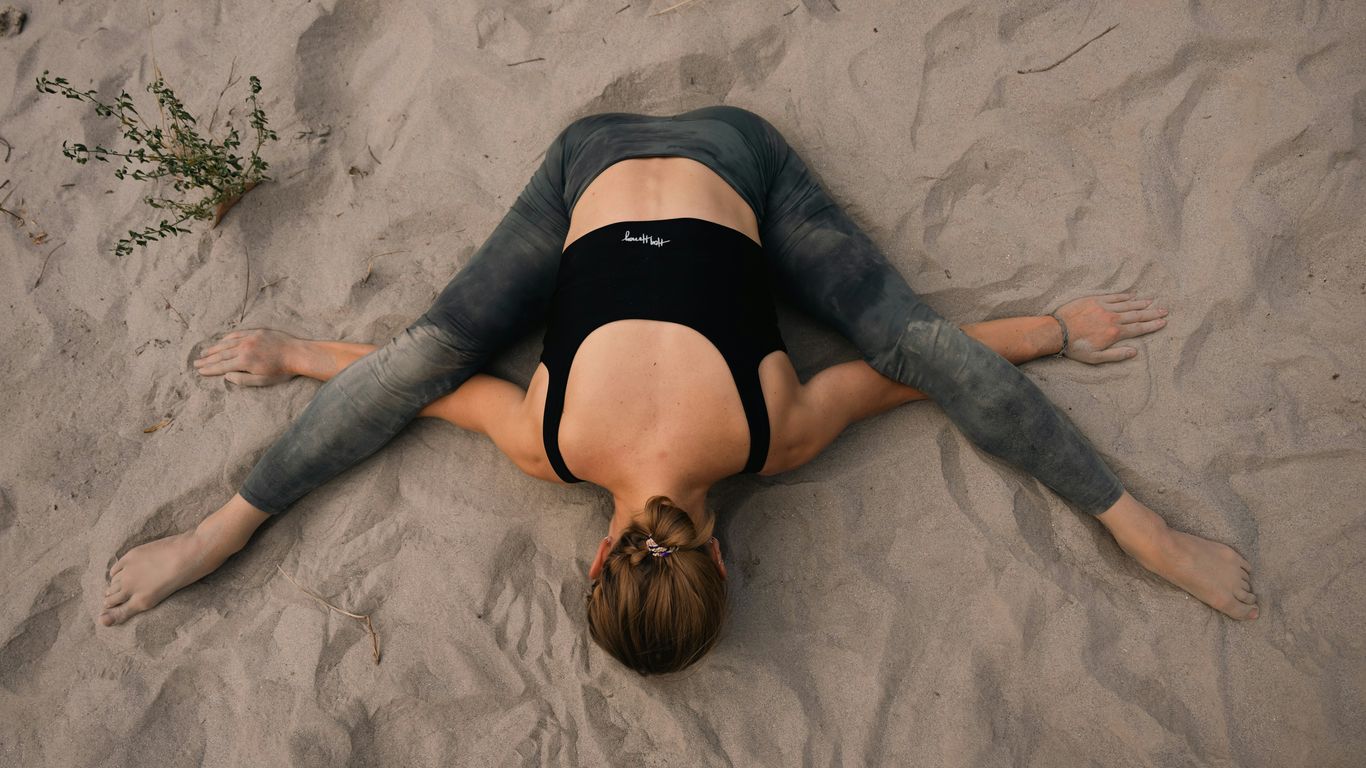
Getting ready for your first yoga class doesn't have to be complicated. The main goal is to feel comfortable and ready to move. Think about what you'll wear, what you might need to bring, and what props could be helpful.
What to Wear for Yoga Practice
When it comes to clothing, comfort is key. You want outfits that let you move freely without feeling restricted. Most studios don't have a strict dress code, so you can probably put together a good outfit from your existing workout gear.
- Stretchy Fabrics: Choose materials that can stretch with your body, like those found in leggings or athletic shorts.
- Comfortable Top: A t-shirt, tank top, or sports bra that you feel good in will work perfectly.
- Layers: Sometimes studios can be a bit cool or warm, so having a light layer you can remove might be a good idea.
You don't need special yoga clothes to start; just wear what allows you to move easily.
Essential Yoga Props for Beginners
Props are tools that help make poses more accessible and comfortable. Studios usually provide them, but it's good to know what they are. If you plan to practice at home, you might consider getting a few basics.
- Yoga Mat: This gives you a bit of grip and cushioning. If you're just trying it out, many studios let you rent one. You can also practice on a rug or a towel if you're at home.
- Blocks: These are like little steps that bring the floor closer to you, helping with alignment and stability in poses.
- Straps: A strap can help extend your reach, especially if you have tight hamstrings or a stiff back. A belt or a long towel can work as a substitute.
- Blanket: A thick blanket can be used for cushioning under your knees or hips, or for support during relaxation.
Remember, props are there to support your practice, not to show off. They help you find the right position for your body, no matter your flexibility level. Don't feel like you need to buy everything at once; see what feels good during a class first.
Understanding Yoga Mats and Alternatives
Your yoga mat is your personal space on the floor. It provides a non-slip surface, which is helpful for holding poses and moving between them smoothly. Most mats are made of rubber, PVC, or other materials designed for grip. If you're practicing at home and don't have a mat, a carpeted floor can offer some cushioning, or you could use a firm rug. Some people even use a large, flat towel for a bit of extra grip and comfort. The most important thing is to have a surface that feels stable and comfortable for you to move on. If you're curious about different types of mats, you can explore options at various yoga studios that offer a range of choices.
What to Expect in a Beginners Yoga Class
Stepping into your first yoga class can feel a little nerve-wracking, right? You might be picturing super flexible people doing impossible poses. But honestly, that's not what it's about, especially in a beginner class. Think of it more as a gentle exploration of your body and breath. The main goal is to get comfortable and learn the basics.
The Mind-Body-Spirit Connection
Yoga isn't just about stretching. It's a practice that links what you're doing physically with how you're feeling mentally and emotionally. In a beginner class, you'll start to notice how your breath affects your mood, or how a certain stretch can release tension you didn't even know you were holding. It's about becoming more aware of yourself as a whole.
Basic Yoga Etiquette
There are a few simple things to keep in mind to make the class smooth for everyone:
- Shoes Off: Just like entering someone's home, it's customary to remove your shoes before stepping onto the yoga space. Usually, there's a spot near the entrance for them.
- Be Mindful of Noise: Try to keep conversations quiet before and after class, and during the practice itself, let the teacher's voice and your own breath be the main sounds.
- Respect Personal Space: Give your fellow yogis some room. You don't want to be bumping into the person next to you.
- Listen to Your Body: This is the most important rule. If something feels painful, stop or modify the pose. It's okay to rest when you need to.
You might be offered hands-on adjustments from the teacher to help you get into a pose correctly. It's totally fine to say no if you're not comfortable with being touched. You can let the teacher know before class starts.
Openness to Breathwork and Meditation
Don't be surprised if your class starts or ends with a few minutes of quiet sitting, focusing on your breath, or setting an intention. These parts might feel a bit strange at first, but they're a big part of yoga. They help calm your mind and prepare your body for movement, or help you wind down afterward. Just try to be present and see what happens. You don't have to be a meditation expert to benefit from these moments.
Understanding Yoga Poses for Beginners
So, you're heading to your first yoga class. Awesome! You might be picturing people doing pretzel-like poses, but honestly, most beginner classes focus on the basics. It's all about getting to know your body and how it moves. Think of these poses as building blocks. They help you get more aware of your body and how to move it safely.
Gentle Poses for Body Awareness
These are the poses that help you just feel what's going on inside. They're not about pushing yourself, but about noticing. Mountain Pose, or Tadasana, is a great example. It looks like just standing there, right? But when you do it right, you feel your feet on the ground, your legs working a bit, and your spine getting long. It's a way to check in with yourself before you even start moving much.
- Mountain Pose (Tadasana): Stand tall, feet hip-width apart or big toes touching. Feel your weight evenly distributed. Let your arms hang by your sides, palms facing forward. Gently draw your shoulders back and down. This is your starting point, your anchor.
- Child's Pose (Balasana): This is a resting pose. Kneel on the floor, bring your big toes to touch, and sit on your heels. Separate your knees about hip-width apart. Fold forward from your hips, resting your torso between your thighs. Lay your forehead on the mat and let your arms rest alongside your body, palms up, or stretched out in front of you. It's a great way to calm down and just be.
- Corpse Pose (Savasana): This is usually the last pose, and it's super important. You just lie flat on your back, arms and legs relaxed. It's where your body and mind get to absorb everything from the practice. Don't skip it!
Poses for Spinal Mobility
Your spine is pretty important, and these poses help keep it happy and moving. Think of it like lubricating a hinge. Cat-Cow is a classic here. You're on your hands and knees, and you move your spine like a cat arching its back, then let it dip like a cow. It feels really good, especially if you've been sitting for a while.
Here's a quick look at how Cat-Cow works:
| Action | Spine Movement |
|---|---|
| Inhale (Cow) | Belly drops, chest lifts, tailbone points up |
| Exhale (Cat) | Spine rounds up, head drops, tailbone tucks in |
Doing this a few times can really loosen things up. It's gentle but effective.
Modifying Poses for Your Body
This is maybe the most important thing to remember. Your body is unique, and that's totally okay. Yoga isn't about forcing yourself into a shape. It's about finding a shape that works for you in that moment. Teachers will often show different ways to do a pose, and that's what modifications are all about. They might use blocks to bring the floor closer, or a strap to help you reach something. Don't feel like you have to do it the 'hard' way. The goal is to feel good and safe in the pose.
Remember, yoga is a practice, not a performance. There's no competition. If a pose doesn't feel right, or if you feel any sharp pain, it's okay to back off or ask for a modification. Your teacher is there to help you find what works for your body today.
So, don't worry if you can't touch your toes or do a handstand. Just show up, be open, and listen to your body. That's the real yoga.
The Importance of Breath in Yoga
You know, in yoga, we talk a lot about moving our bodies, stretching, and finding balance. But there's this other, equally big part of the practice that often gets a little less attention, especially when you're just starting out: your breath. It's not just about breathing to stay alive; it's about using your breath as a tool, a guide, and a way to connect everything.
Slowing Down Your Breath
When you first step onto the mat, you might notice your teacher cueing you to "breathe deeply" or "slow your breath." This isn't just filler talk. Our everyday breathing can be shallow and quick, especially when we're stressed or just going through the motions. In yoga, the aim is to consciously lengthen and deepen your inhales and exhales. This simple act can start to calm your nervous system. Think of it like this:
- Inhale: Gently expand your belly and chest, feeling the air fill your lungs.
- Exhale: Slowly release the air, letting your belly and chest soften.
- Pause: Notice the brief moment of stillness between breaths.
This conscious breathing helps anchor you in the present moment. It's hard to worry about your to-do list when you're really paying attention to the sensation of air moving in and out of your body.
Exploring Ujjayi Breath
Once you get comfortable with basic breath awareness, you might hear about something called Ujjayi breath. It sounds fancy, but it's pretty straightforward. Ujjayi is often called "victorious breath" or "ocean breath" because it makes a soft, ocean-like sound. You create this sound by gently constricting the back of your throat, just a tiny bit, as you breathe in and out through your nose. It's not a forceful squeeze, more like a soft whisper. This gentle constriction helps to regulate your breath, making it smoother and more controlled. It also creates a subtle warmth within the body.
Here's a quick breakdown:
- The Sound: A soft, oceanic hiss.
- The Feeling: Calming yet energizing.
- The Technique: Slight constriction at the back of the throat.
It might feel a bit strange at first, and that's totally okay. Don't worry if you can't get the sound right away. The practice is in the attempt and the awareness.
Benefits of Yogic Breathwork
So, why all the fuss about breath? Well, it turns out that paying attention to your breath, or pranayama as it's known in Sanskrit, does a lot more than just help you relax. It's linked to some pretty neat physical and mental benefits.
- Stress Reduction: Conscious breathing can signal to your brain that it's safe to relax.
- Improved Focus: By concentrating on your breath, you train your mind to stay present.
- Better Oxygenation: Deeper breaths mean more oxygen for your body and brain.
- Increased Body Awareness: Your breath is a constant physical sensation that can help you tune into what your body is feeling.
The connection between your breath and your mind is incredibly strong. When you change your breath, you can change your state of mind. This is why breathwork is such a powerful part of yoga, helping to bring a sense of calm and clarity that extends far beyond the mat.
Don't get discouraged if it feels awkward or difficult at first. Like any new skill, it takes practice. Just showing up and trying to connect with your breath is a win. Over time, you'll likely find that this simple act of breathing consciously becomes one of the most rewarding aspects of your yoga journey.
Moving Beyond Your First Class
Building a Home Practice
So, you've finished your first beginner's yoga class. That's awesome! It's totally normal to feel a mix of things – maybe a little sore, maybe a bit more relaxed, or even a little unsure about what comes next. The great news is that this is just the beginning. Many people find that bringing yoga into their daily lives, even for just a few minutes, makes a big difference. You don't need a fancy studio or hours of free time. Rolling out a mat in your living room can be just as effective.
Consistency for Exponential Growth
Think about it like learning to ride a bike. You wouldn't just hop on once and expect to be a pro, right? Yoga is similar. Showing up regularly, even if it's just for a short session, helps your body and mind get used to the movements and the breathwork. Over time, you'll notice changes you didn't expect. Your muscles might feel less tight, your balance could improve, and you might find yourself feeling calmer more often.
Here’s a simple way to think about building consistency:
- Start Small: Aim for 10-15 minutes a few times a week. It's better than planning an hour and then feeling discouraged if you can't make it.
- Schedule It: Treat your yoga time like any other appointment. Put it in your calendar.
- Be Flexible: Life happens. If you miss a day, don't beat yourself up. Just get back on your mat the next day.
- Find What You Like: Explore different types of classes or online videos. What feels good for your body? What makes you want to come back?
Listening to Your Body's Needs
This is probably the most important part. Your body is always talking to you. After your first class, you might have noticed certain poses felt easier or harder, or maybe some areas felt particularly tight. That's your body giving you information.
Pay attention to how you feel before, during, and after your practice. If something causes sharp pain, stop. It's okay to modify poses or skip them altogether. Yoga is not about pushing yourself to an extreme; it's about finding a balance that works for you right now.
As you continue, you might find yourself asking questions, just like many others do. For example, some people notice their knees feel sensitive, especially when kneeling. Others might feel a slight shake when holding a pose. These are common experiences. The key is to communicate with your body, use props like blankets or blocks to support yourself, and remember that every body is different. What works for one person might not work for another, and that's perfectly fine. Your yoga journey is unique to you.
Keep Going!
So, you've taken your first yoga class. That's awesome! It might have felt a little weird at first, maybe even a bit awkward, but you showed up, and that's the biggest step. Remember, nobody expects you to be a pretzel on day one. Yoga is a journey, not a race. Just keep showing up for yourself, whether it's another class at the studio or a quick session at home. Listen to your body, be patient, and enjoy the process. You've got this!
Frequently Asked Questions
Do I need to be flexible to start yoga?
Not at all! Yoga isn't about being flexible; it's about becoming more flexible. Think of it as a way to gain flexibility in both your body and your mind. You don't need to be a super-flexible person to begin.
What kind of yoga class is best for beginners?
Look for classes labeled 'beginner,' 'foundational,' 'gentle,' 'restorative,' or 'yin.' These are usually slower-paced and focus on basic poses, making them perfect for newcomers. Avoid intense styles like Ashtanga or hot yoga when you're just starting out.
What should I wear to my first yoga class?
Wear comfortable clothes that let you move freely. Think stretchy pants or shorts and a top that isn't too loose. You don't need special yoga clothes to start; most people can find something suitable in their own closet.
Do I need to buy special equipment for yoga?
You don't need much to begin. A yoga mat is helpful for grip, but you can even use a towel or carpet at home. Studios usually provide props like blocks and straps, but if you practice at home, you can use things like books or a scarf instead of buying special gear right away.
What if I have an injury or health issue?
It's a good idea to talk to your doctor before starting yoga, especially if you have any health concerns or injuries. Let your yoga teacher know too; they can suggest modifications or specific classes that will be safe and beneficial for you.
What is the most important part of yoga?
While the poses are important, the breath is key! Yoga is about connecting your mind and body, and your breath is the bridge. Paying attention to your breath helps you stay present and get the most out of your practice. It's also a great way to relax and de-stress.

