

Your First Steps: Essential Beginner Yoga Courses for Newcomers
Thinking about trying yoga but not sure where to start? It's a common feeling, honestly. Lots of people want to get into yoga for its health perks, but the whole process of beginning can feel a bit overwhelming. Don't worry, though. This guide is here to break down how to start a yoga practice in a way that feels totally doable. We'll cover everything from getting your head in the right space to what you actually need and what to expect when you sign up for beginner yoga courses.
Key Takeaways
- Start with acceptance of your current body and situation, letting go of judgment. Beginner yoga courses are for everyone, no matter your starting point.
- Release unrealistic expectations and comparisons. Focus on your own progress and the experience of moving and breathing, not on achieving perfect poses seen online.
- Understand that yoga is about connecting breath, mind, and body, not just extreme flexibility. The core is inner calm and strength.
- Pay attention to your breath; it's the anchor of your practice and can help calm your mind and prepare your body.
- When looking for beginner yoga courses, search for classes labeled 'beginner' or 'introductory' and don't hesitate to let the instructor know you're new.
Finding The Right Beginners Yoga Courses
So, you've decided to give yoga a shot, and that's awesome! The first hurdle is finding a class that won't leave you feeling completely lost or overwhelmed. It's totally normal to feel a bit unsure about where to begin, but don't worry, we'll break it down.
Locating Beginner-Friendly Classes
When you're scanning class schedules, look for keywords like "beginner," "foundational," "introductory," or "level 1." These are your green lights, signaling that the class is designed with newcomers in mind. Most yoga studios have websites with detailed class descriptions, which can give you a good feel for what to expect. If you're still on the fence, a quick call or email to the studio can work wonders. They're usually happy to point you in the right direction.
Understanding Class Descriptions
Class descriptions can sometimes seem like a secret code, but they're actually pretty helpful once you know what to look for. Terms like "gentle," "restorative," or "yin" often mean a slower pace with a focus on relaxation and basic poses – perfect for starting out. "Vinyasa" or "flow" classes tend to be more dynamic, linking breath with movement, so maybe save those for after you've got a few beginner classes under your belt. Pay attention to any mention of modifications or variations offered; it shows the teacher is mindful of different levels.
Considering Online Options
If walking into a studio feels a bit intimidating right now, or if your schedule is just too packed, online yoga is a fantastic alternative. There are tons of free videos available on platforms like YouTube, and many studios now offer live-streamed or on-demand classes. This lets you practice in the comfort of your own home, on your own time. You can pause, rewind, and repeat poses as much as you need. It's a low-pressure way to get familiar with basic poses and sequences before heading to a physical class, if you choose to do so later. You can find six online yoga instructors specifically chosen for beginners here.
Starting with the basics helps you establish a strong foundation, making your yoga journey enjoyable and sustainable. It’s an excellent way to meet other newcomers who are navigating the same exciting path.
What To Expect In Your First Yoga Class
Walking into your very first yoga class can feel a bit strange, maybe even a little intimidating. You might wonder if everyone else knows some secret handshake or if you'll be the only one who can't touch their toes. Let's clear that up right now: you won't be. Most studios are really used to beginners, and the instructors are there to help you figure things out. The most important thing is to just show up and be open to the experience.
The Initial Moments Of Practice
When you first arrive, take a moment to find a spot for your mat. It's a good idea to get there a few minutes early so you're not rushing. You can lay out your mat, maybe get a feel for the room, and if you feel comfortable, let the instructor know you're new. They can give you a heads-up on anything specific to their class or offer modifications if you need them later on. The class usually starts with a few minutes of quiet time to settle in, maybe some gentle movements to get your body ready, and then you'll begin moving through some basic poses. You'll hear the instructor giving directions, often talking about how to breathe and how to position your body. Don't stress if you don't get it perfect the first time; nobody does.
Navigating Poses And Sensations
As you move through the poses, you might feel muscles working that you didn't even know you had. Some poses will feel easier than others, and that's totally normal. The key here is to listen to your body. You're looking for a gentle stretch or a feeling of effort, but never sharp pain. If something hurts, ease back. It's not about forcing yourself into a shape you're not ready for; it's about exploring what your body can do in that moment. You might feel a bit wobbly, a bit stiff, or surprisingly flexible in different areas. All of it is part of the process.
Here's a quick look at what you might experience:
- Physical Sensations: Expect to feel stretches, maybe some muscle fatigue, and a sense of your body opening up.
- Mental Experience: You might find your mind wandering, which is fine. The practice is about gently bringing your attention back.
- Breathing Awareness: You'll be encouraged to connect your breath with your movement, which can feel challenging at first.
It's completely okay if you can't do every pose exactly like the instructor. Yoga is a personal journey, and modifications are there for a reason. Focus on how the pose feels in your body, not on achieving a perfect visual. The instructor can usually offer simpler versions or suggest ways to adjust the pose to suit you better.
The Importance Of Restorative Poses
Most beginner classes wrap up with a period of rest, often called Savasana or Corpse Pose. This isn't just about lying down; it's a really important part of the practice. It's your time to let your body and mind absorb everything you just did. You'll lie down, relax, and just be. It might feel strange to just lie there after moving, but try to embrace it. It's a chance to truly let go and feel the effects of your practice. You might feel a sense of calm, a bit more space in your body, and maybe even a little tired but in a good way. It's a process, and each time you practice, you're taking a step forward.
Foundational Elements Of Beginners Yoga Courses
Starting yoga can feel a bit like learning a new language, but the core ideas are pretty straightforward. It's not really about nailing those super-difficult poses you see online right away. Instead, it's more about tuning into yourself and building a solid base for whatever comes next. Let's look at the main things you'll focus on.
Embracing The Right Mindset
Before you even step onto the mat, it's helpful to set the right tone for your practice. Think of yoga not as a competition, but as a personal exploration. It's about showing up for yourself, exactly as you are on any given day. This means letting go of expectations and embracing a spirit of gentle inquiry.
- Presence: Be here now, with your body and breath.
- Patience: Progress takes time; be kind to yourself.
- Curiosity: Approach your practice with an open mind.
- Non-judgment: Accept yourself as you are today.
Starting yoga is less about achieving perfect poses and more about cultivating a connection with your inner self. It's a journey of self-discovery, where every small step is a victory. Remember to be gentle with yourself throughout the process.
Notice Your Breathing
Your breath is like the engine of your yoga practice. It's not just about getting air into your lungs; it's about paying attention to how your breath moves, its rhythm, and how deep it is. This simple act of noticing can really help quiet your mind and get your body ready for movement. Even if you can't do a fancy pose, focusing on your breath can make a big difference in how you feel, helping to ease stress and keep you present. It's a simple tool that's always with you. Learning about breath control is a key part of many Hatha Yoga classes.
- Become aware of your breath's natural rhythm.
- Notice how your breath changes with different movements.
- Use your breath to guide you into and out of poses.
Learning Basic Yoga Poses
While the focus is on breath and mindset, you'll also learn some basic yoga poses, often called 'asanas'. These are the building blocks of a yoga practice. Don't worry about getting them perfect; the goal is to understand the alignment and how they feel in your body. Common beginner poses include:
| Pose Name | Description |
|---|---|
| Mountain Pose | Standing tall, feet grounded, arms by sides. |
| Downward Dog | Inverted V shape, hands and feet on the floor. |
| Warrior II | Strong stance, arms extended, focused gaze. |
| Child's Pose | Kneeling, forehead resting on the mat, relaxed. |
Remember, each class will introduce these poses gradually, with modifications offered to suit your body's needs. The aim is to build a comfortable and safe foundation for your practice.
Essential Gear For Your Yoga Journey
Getting ready for your first yoga class doesn't require a whole lot of fancy stuff. Honestly, showing up is the main thing. But, having a few key items can make your experience way more comfortable and help you feel more settled. You don't need to break the bank, either. Many studios let you borrow or rent things for your first few visits, which is a great way to figure out what you like before you buy.
The Importance Of A Good Yoga Mat
This is probably the most important piece of equipment you'll want. A yoga mat gives you a bit of padding, which is nice for your knees and wrists, especially if you're practicing on a hard floor. More than that, it gives you grip. You don't want to be sliding around when you're trying to hold a pose. Look for a mat that feels good under your hands and feet. Thickness can vary, and some people like a bit more cushion while others prefer a thinner mat for better connection to the ground. It's your personal space on the floor, so pick one that feels right for you.
Choosing The Right Clothing
When it comes to what to wear, think comfort and freedom of movement. You want clothes that stretch with you, not against you. Breathable fabrics are a good idea, especially if you tend to sweat. Avoid anything too tight that digs in or too baggy that might get in your way or cover your face during inversions.
Here are some ideas for what to wear:
- Tops: Fitted t-shirts, tank tops, or sports bras that stay put.
- Bottoms: Leggings, yoga pants, or comfortable shorts made from stretchy material.
- Layers: A light sweater or jacket can be nice for the beginning or end of class when your body temperature might be lower.
You don't need a whole new wardrobe. Start with what you have that's comfortable and allows you to move freely. As you practice more, you'll get a better sense of what you prefer.
Beyond the mat and clothes, you might also want to consider a water bottle to stay hydrated, especially if you're in a warmer class. A small towel can also be handy for wiping sweat. Don't overthink it too much; the goal is to feel comfortable and ready to move.
Tips For Success In Your Yoga Journey
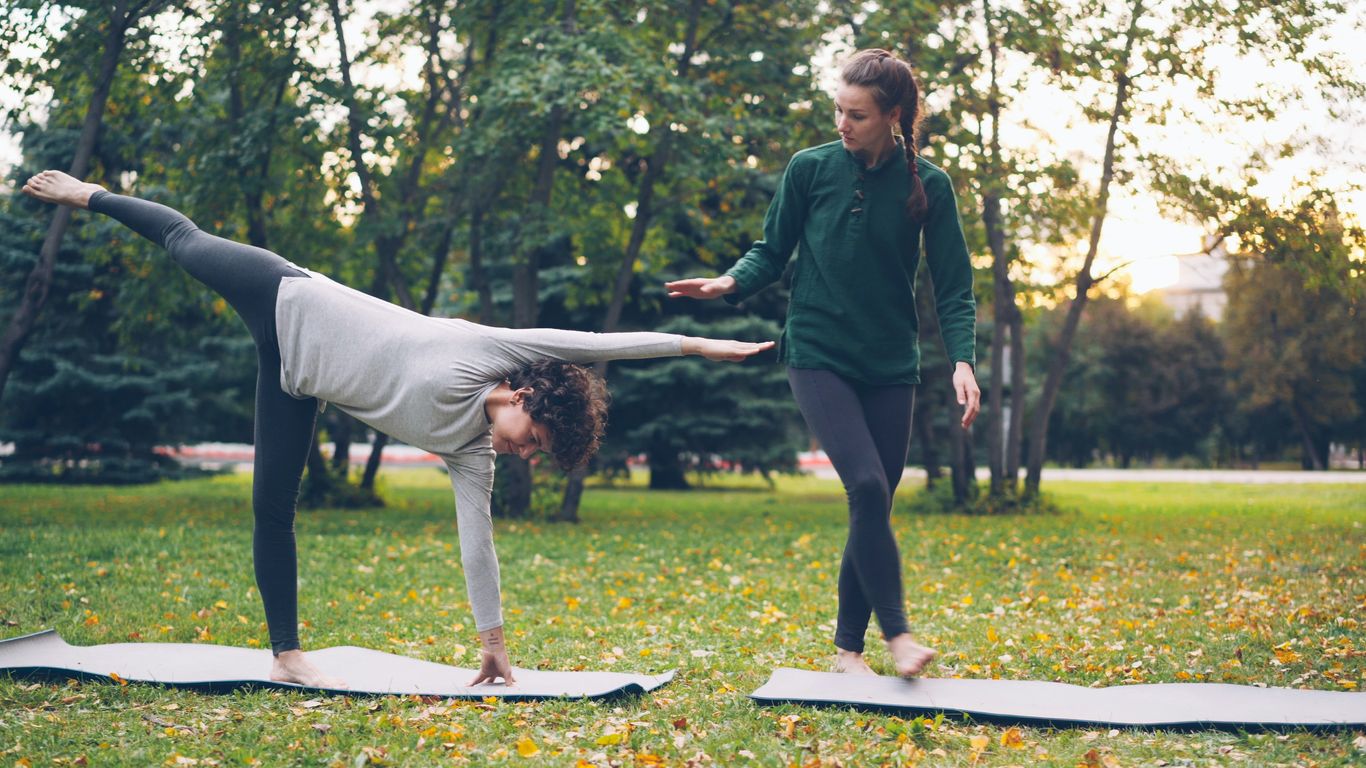
Starting yoga is a fantastic step, but keeping that momentum going is where the real magic happens. It's not about being perfect from day one; it's about showing up for yourself consistently and with a good attitude. Think of it as building a new habit, one breath at a time.
Setting Realistic Goals
When you first step onto the mat, it's easy to get caught up in what you think yoga should look like. Forget that. Instead, focus on what feels right for your body, right now. Maybe your goal this week is simply to show up for class twice, or perhaps it's to notice your breath during a challenging pose. Celebrate these small victories because they are the building blocks of your practice. Don't aim to touch your toes if you're currently touching your shins; that's a perfectly fine place to be. The journey is the point, not some distant, unattainable peak.
Building Consistency
Consistency is your best friend on the yoga mat. It's far more beneficial to practice for 20 minutes three times a week than to have one epic two-hour session and then nothing for two weeks. Find a rhythm that works with your life. Maybe it's a quiet morning session before the house wakes up, or a wind-down class in the evening. Whatever it is, try to stick to it. This regularity helps your body and mind adapt, making the poses feel more accessible over time and building a reliable routine. It's about showing up, even when you don't feel like it, because that's often when you need it most. You can find great beginner sequences to help you build a home practice online.
Cultivating Stillness
In our always-on world, finding moments of quiet can feel like a superpower. Yoga offers a chance to practice just that. It's not about emptying your mind – that's a myth! Instead, it's about learning to observe your thoughts without getting swept away by them. Think of it like watching clouds pass in the sky. You notice them, but you don't have to chase after them. This ability to be present, even for a few moments, is incredibly powerful. Try to bring this sense of calm observation off the mat too, perhaps while waiting in line or during your commute. It’s a skill that grows with practice.
Yoga isn't a competition with others or even with yourself. It's a personal exploration. Listen to your body, honor its limits on any given day, and remember that every practice is a new beginning. Be patient and kind to yourself throughout the process.
Popular Yoga Styles For Beginners
Exploring Different Yoga Styles
So, you're ready to try yoga, but the sheer number of styles out there can feel a bit much, right? Don't sweat it. Most studios offer classes specifically for people just starting out. Think of these as your yoga "starter pack." They're designed to introduce you to the basics without making you feel like you're trying to solve a Rubik's cube blindfolded.
Understanding Class Pace and Focus
When you're looking at class schedules, you'll see different names. Some might sound intense, others super chill. It's good to know what you're getting into before you unroll your mat.
Here are a few styles that are generally welcoming to newcomers:
- Hatha Yoga: This is often the go-to for beginners. It's usually a slower pace, focusing on holding basic poses and getting a feel for your breath. It's like the gentle giant of yoga – calming and a great way to get acquainted with the practice. You'll build a solid foundation here.
- Gentle Yoga: As the name suggests, this is a softer, more relaxed approach. Classes often include modifications, making them super accessible. The focus is really on breath, stretching, and just feeling at ease. Perfect if you're looking for a less strenuous introduction.
- Restorative Yoga: If you're feeling stressed or just need some serious chill time, this is it. Restorative yoga uses props like blankets and bolsters to support your body in gentle poses for longer periods. It's all about deep relaxation and letting go.
It's totally normal to feel a bit awkward or unsure in your first few classes. Remember, everyone on that mat started somewhere. The goal isn't to be perfect, but to show up for yourself and notice what your body and mind are telling you. Be patient and kind to yourself as you explore.
- Vinyasa Yoga: This style links breath with movement, creating a flowing, almost dance-like sequence. It can be more energetic than Hatha or Gentle yoga, but many beginner Vinyasa classes are designed to be accessible. It's a nice way to get your heart rate up a little while still focusing on mindfulness. You can find more details about different yoga styles to help you choose.
- Hot Yoga: Some people love the added warmth of hot yoga. The heat can help muscles relax and increase flexibility, making it easier to get into poses. However, it can also be more intense, so make sure it's a beginner-focused class if you try it. The structured sequences and detoxifying heat can create a supportive environment.
Your Yoga Journey Starts Now
So, you've taken the first steps into the world of yoga. Remember, it's not about being perfect or doing fancy poses right away. It's about showing up for yourself, paying attention to your breath, and being kind to your body. Whether you're practicing at home with a video or in a studio class, the most important thing is to just start. You might feel a little awkward at first, and that's totally okay – everyone does! Keep showing up, stay curious, and enjoy the process. You're on your way to feeling a little calmer, a little stronger, and a lot more connected to yourself.
Frequently Asked Questions
How often should a beginner practice yoga?
It's a good idea to start practicing yoga about 2 to 3 times a week. This helps you get used to it and build a habit. As you feel more comfortable and your body gets stronger, you can slowly do it more often if you like.
Do I need a special certificate to enjoy yoga?
Nope! You don't need any kind of certificate to enjoy yoga. Certificates are mostly for people who want to teach yoga or learn a lot more about it. Anyone can do yoga just for fun and to feel good.
Can yoga help me feel less stressed?
Yes, definitely! Yoga is really great for helping you relax and be more aware of the present moment. This can make you feel less worried and stressed out. It's like a little break for your mind.
What should I bring to my first yoga class?
For your first class, just bring a yoga mat, a bottle of water, and wear comfy clothes that let you move easily. Some places might let you borrow a mat if you don't have one yet.
Are online yoga classes good for beginners?
Online yoga classes can be a really awesome way to begin. They give you the freedom to practice whenever you want, right in your own home. You can also find lots of different teachers and styles to choose from.
What if I can't do all the poses perfectly in my first class?
That's completely normal! Nobody expects you to be perfect when you're just starting. The most important thing is to listen to your body, move with your breath, and try your best. It's all about learning and enjoying the experience, not about being perfect.

