

Your First Steps: An Accessible Yoga for Beginners Course
Thinking about trying yoga? That's awesome. Sometimes the idea of a yoga for beginners course can feel a little intimidating, like you need to know all the secret handshakes or be able to tie yourself in a pretzel. But honestly, it's way more chill than that. This is all about getting started in a way that feels good for *your* body and *your* mind. We'll cover the basics, talk about how to make the poses work for you (no judgment!), and help you get comfortable with the whole experience. Let's make yoga feel less like a mystery and more like a friendly hello.
Key Takeaways
- Understanding simple yoga words like 'asana' helps new people feel more at ease.
- Using things like blocks or chairs makes yoga work for different bodies.
- Teachers using welcoming words and making classes feel open is important for beginners.
- Focusing on breathing, like filling your belly with air, connects your mind and body.
- Encouraging people to let go of comparing themselves and to be happy with their progress makes the yoga journey better.
Understanding The Foundations Of Your Yoga For Beginners Course
Getting started with yoga can feel like learning a new language, but it doesn't have to be complicated. At its core, yoga is about connecting your mind, body, and breath. It's not about being super flexible or touching your toes; it's more about how you feel and what you learn about yourself on the mat. This course is designed to help you build a strong foundation in yoga for newcomers.
Demystifying Common Yoga Terminology
Yoga has its own set of words, many from Sanskrit, that you'll hear in classes. Don't worry about memorizing them all right away. They'll start to make sense as you practice. Here are a few you'll likely encounter:
- Asana: This is the Sanskrit word for a yoga pose or posture.
- Pranayama: These are specific breathing techniques used in yoga to control and direct your breath.
- Vinyasa: This refers to a flowing sequence where poses are linked together with your breath.
- Namaste: Often said at the beginning or end of class, it's a greeting that means "the light in me honors the light in you."
It's helpful to remember that these terms are just labels. The real practice is in the feeling and the experience, not in perfectly reciting the vocabulary. You can find more about the basics of yoga in this beginner's yoga course.
Exploring Foundational Yoga Poses
Most beginner classes start with simple, accessible poses that build a solid base. You'll learn how to stand tall, find balance, and connect with your body. Some common starting points include:
- Mountain Pose (Tadasana): Standing with feet together or hip-width apart, grounding down through your feet, and lengthening your spine.
- Child's Pose (Balasana): A resting pose where you kneel, fold forward, and rest your forehead on the mat.
- Downward-Facing Dog (Adho Mukha Svanasana): An inverted V-shape pose that stretches the hamstrings and shoulders, often used as a transition between other poses.
Remember, the goal isn't to look a certain way in a pose, but to find what feels right and supportive in your own body. Using props like blocks can help you get into poses safely and comfortably.
The Importance Of Breath In Yoga
Your breath is your anchor in yoga. It's how you move through poses and how you stay present. Learning to breathe deeply and consciously is one of the most powerful aspects of yoga.
- Belly Breathing: Start by focusing on filling your belly with air as you inhale, and letting it soften as you exhale. This is a calming and grounding breath.
- Connecting Breath to Movement: You'll often be cued to inhale as you lengthen or open your body, and exhale as you fold or twist. This synchronization helps create a smooth, flowing practice.
- Mindful Breathing: Simply paying attention to the sensation of your breath entering and leaving your body can help quiet the mind and bring you into the present moment.
The structure of a yoga class often follows a pattern: centering to settle in, warm-up movements to prepare the body, a main flow section linking poses with breath, and finally, cooling poses and relaxation. Understanding this flow helps you appreciate how each part builds on the last, creating a balanced experience.
Making Yoga Accessible For Everyone
It's a common thought, "I'm not flexible enough for yoga." Honestly, that idea can stop so many people before they even start. Yoga isn't about being a pretzel or having a certain body type. It's really about checking in with yourself, and that's something everyone can do. The good news is, you don't need to be super bendy to get the benefits.
Meeting Beginners Where They Are
Yoga teachers have a big role in making sure classes feel welcoming. Instead of assuming everyone knows what they're doing, a good teacher meets you right where you are. This means using language that's easy to understand and not pushing you into poses that don't feel right. It’s about creating a space where you feel safe to explore your own body and its limits, without any pressure.
Adapting Poses With Props
Props are your best friends in yoga, not a sign of weakness. Things like blocks, straps, and blankets are tools to help your body find the right shape and feel supported. For example, a block under your hands in a forward fold can bring the floor closer, making it easier to breathe and relax into the stretch. A strap can help you reach your foot in a seated pose if your hamstrings are feeling tight. These aren't cheating; they're smart ways to make the practice work for you.
Here are a few ways props can help:
- Blocks: Bring the floor closer, support knees or hips, deepen stretches safely.
- Straps: Extend your reach, help bind poses, support alignment.
- Blankets: Provide cushioning for knees or hips, support the head in inversions, add warmth.
Creating An Inclusive Classroom Culture
When you walk into a yoga class, you want to feel like you belong, right? That means the teacher and the space itself should feel open to everyone, no matter their background, body type, or experience level. This starts even before class, with how the class is described. Is it truly for all levels? Can people use chairs? Knowing these details helps people feel more comfortable signing up. It's also about making sure the price isn't a barrier. Maybe a sliding scale or a few scholarship spots could help.
The goal is to feel the pose in your body, not to look a certain way. The most important thing is to listen to your body and find what feels right for you on any given day. This approach builds a stronger, more connected group where everyone feels seen and valued.
During class, the teacher's job is to make sure everyone feels included. This means offering different ways to do a pose so that everyone, regardless of their physical abilities, can participate. It's about creating a sense of togetherness, not separating people into 'beginner' or 'advanced' groups. When everyone is invited to explore the practice in their own way, it builds a stronger, more connected group.
Integrating Breathwork Into Your Practice
Breathing. We do it constantly, without even thinking. But in yoga, we give it a little more attention. It's not just about filling our lungs; it's about using our breath to guide our movements and calm our minds. Think of your breath as your anchor in every pose and transition.
Understanding Belly Breathing
This is where most beginners start, and honestly, it's a game-changer. Belly breathing, also called diaphragmatic breathing, is about letting your breath expand your belly. It's the opposite of the shallow chest breathing many of us do without realizing it. This simple shift can really help you relax.
Here’s a quick way to try it:
- Lie down or sit comfortably. Place one hand on your belly and the other on your chest.
- As you inhale, imagine filling your belly with air. Your belly hand should rise, while your chest hand stays pretty still.
- As you exhale, let your belly soften and release the air.
It might feel a bit weird at first. You might even feel like you're not breathing 'enough'. That's totally normal. Just keep practicing. Focusing on that gentle rise and fall of your belly is key. It helps tell your nervous system it's okay to chill out.
Connecting Breath To Movement
This is where the magic of yoga really starts to happen. We link the inhale with one action and the exhale with another. It's not just about holding a pose; it's about how you flow into and out of it. This connection makes the whole practice feel smoother and more intentional.
For example, you might inhale as you reach your arms up towards the sky, lengthening your spine. Then, you'll exhale as you fold forward, softening your body. It's like a gentle dance between your breath and your body. Don't stress about getting it perfect right away. The goal is just to start noticing the connection and letting your breath lead the way.
Mindful Breathing Techniques
Once you're comfortable with belly breathing and linking it to movement, you can explore a few simple techniques to deepen your practice. These aren't complicated, but they add a nice layer of awareness.
- Observing the Breath: Simply sit or lie down and pay attention to the sensation of your breath. Notice the air entering your nostrils, filling your lungs, and then leaving your body. Just observe, without trying to change anything.
- Equal Breathing (Sama Vritti): This involves making your inhales and exhales the same length. You can count your breaths – maybe inhale for a count of four and exhale for a count of four. This helps create a sense of balance.
- Alternate Nostril Breathing (Nadi Shodhana): This is a bit more involved, using your fingers to close one nostril at a time while breathing through the other. It's known for being very calming and centering.
Remember, the breath is your constant companion in yoga. It's always there, ready to guide you. Don't worry if your mind wanders; that's what minds do. Just gently bring your attention back to the sensation of your breath. It's a practice, not a performance.
Modifying Poses For Your Unique Body
Yoga isn't about forcing your body into a specific shape. It's about finding what works for you right now. Your body is unique, and it changes day to day. That's where modifications come in. They're not a sign of weakness; they're smart ways to make the practice work for your body, not the other way around.
Using Props For Support
Props are your best friends in yoga. Think of them as tools to help you find comfort and stability. They can bring the floor closer, extend your reach, or offer support where you need it most.
- Blocks: Place them under your hands in forward folds to bring the ground up to you, or under your hips in seated poses for a little lift. They're great for making poses feel more stable.
- Straps: Use them to extend your reach in poses where you might not be able to touch your toes, like in a seated forward bend or a reclined hamstring stretch. This helps you feel the stretch without straining.
- Blankets/Bolsters: Fold a blanket to sit on if your hips are tight in a cross-legged seat, or use a bolster under your knees in savasana for extra comfort. They add cushioning and support.
Exploring Chair Yoga Options
Chair yoga is a fantastic way to experience yoga's benefits without needing to get down on the floor. It's perfect for days when you have less energy, joint pain, or just prefer the support of a chair.
- Seated Poses: Many standing poses can be adapted to a chair. You can do seated twists, leg extensions, and even gentle arm balances.
- Standing Poses (with chair support): Use the chair for balance in poses like Warrior II or Triangle Pose. You can place a hand on the seat or back for stability.
- Breathing and Meditation: The chair provides a stable base for focusing on breathwork and simple meditation techniques.
Restorative Pose Alternatives
Sometimes, the goal isn't to stretch deeply, but to relax and let go. Restorative poses use props to support the body fully, allowing you to rest in a shape for a longer period.
- Supported Child's Pose: Use a bolster or blankets to support your torso and head, making it a deeply relaxing resting pose.
- Legs-Up-the-Wall Pose (Viparita Karani): Lie on your back with your hips close to a wall and extend your legs up the wall. This is a gentle inversion that can be very calming.
- Supported Bridge Pose: Place a block or bolster under your sacrum (the bony part at the base of your spine) for a gentle backbend that feels more like resting than working.
The most important thing is to listen to your body. If a pose doesn't feel right, or if you're experiencing pain, it's okay to back off or try a modification. Yoga is a practice of self-awareness, and that includes knowing your limits and honoring them.
Navigating Your Yoga Journey With Confidence
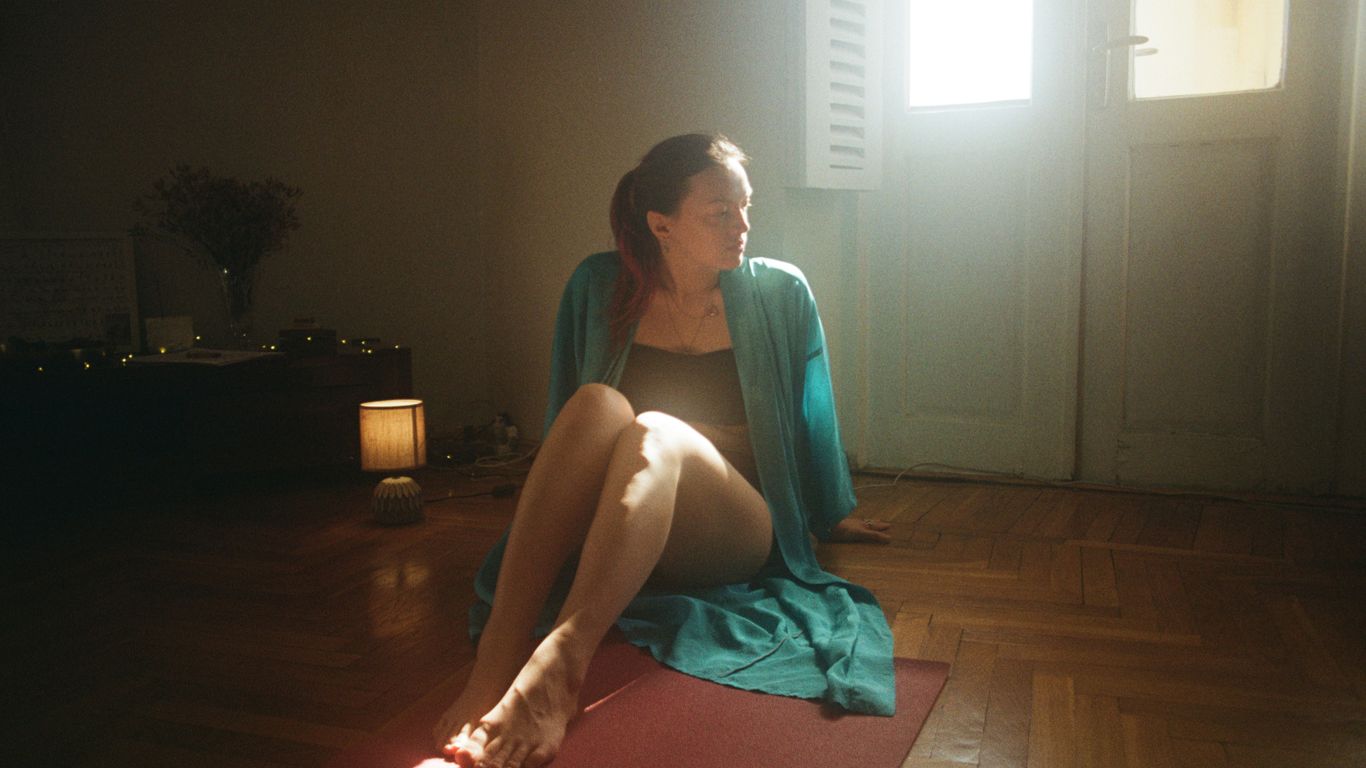
So, you've been showing up to your yoga practice, and that's a huge win. It's totally normal to feel a bit wobbly sometimes, both physically and mentally. The most important thing is to be gentle with yourself. Yoga isn't about nailing every pose on the first try or looking like the person on the screen. It's about showing up for yourself and paying attention to what your body is telling you.
Releasing Expectations And Self-Judgment
It's so easy to fall into the trap of comparing yourself to others, especially with all the images out there. Try to let that go. Your body is unique, and your yoga practice will be too. Instead of thinking, "I should be able to do this," try asking, "What am I feeling in my body right now?" This small shift can help you move away from being hard on yourself and towards accepting where you are. Remember, progress isn't always a straight line; some days will feel easier than others, and that's perfectly okay. Yoga is a practice, not a performance. Focus on the feeling and your breath, not just the shape of the pose. You can find some great beginner-friendly routines to get started with YouTube yoga videos.
Finding Support Beyond The Studio
Your yoga journey doesn't have to end when you leave the mat. Think about how you can bring that sense of calm and awareness into your daily life. Maybe it's taking a few deep breaths before a stressful meeting or simply noticing the world around you a bit more. Connecting with others who practice yoga can also be really helpful. Sharing experiences, challenges, and triumphs can make the journey feel less isolating and more enjoyable. Don't be afraid to talk to your instructor or fellow students about how you're feeling.
Embracing Yoga As A Way Of Life
As you get more comfortable, you might start to notice how yoga influences more than just your physical body. It can become a way to approach life with more patience, kindness, and presence. This doesn't mean you'll suddenly be perfectly calm all the time, but you might find yourself responding to challenges differently. It's about integrating the lessons learned on the mat into your everyday experiences.
Here are a few ways to see how yoga is becoming part of your life:
- Notice how your mood shifts after a practice.
- Acknowledge when you choose rest over pushing yourself too hard.
- Observe how you handle stressful situations with a bit more ease.
Yoga is a personal exploration. Celebrate the small victories, like holding a balance a little longer or simply feeling more relaxed after class. These moments build momentum and show you how far you've come. Keep exploring what feels good for your body and mind.
Teaching Accessible Yoga For Newcomers
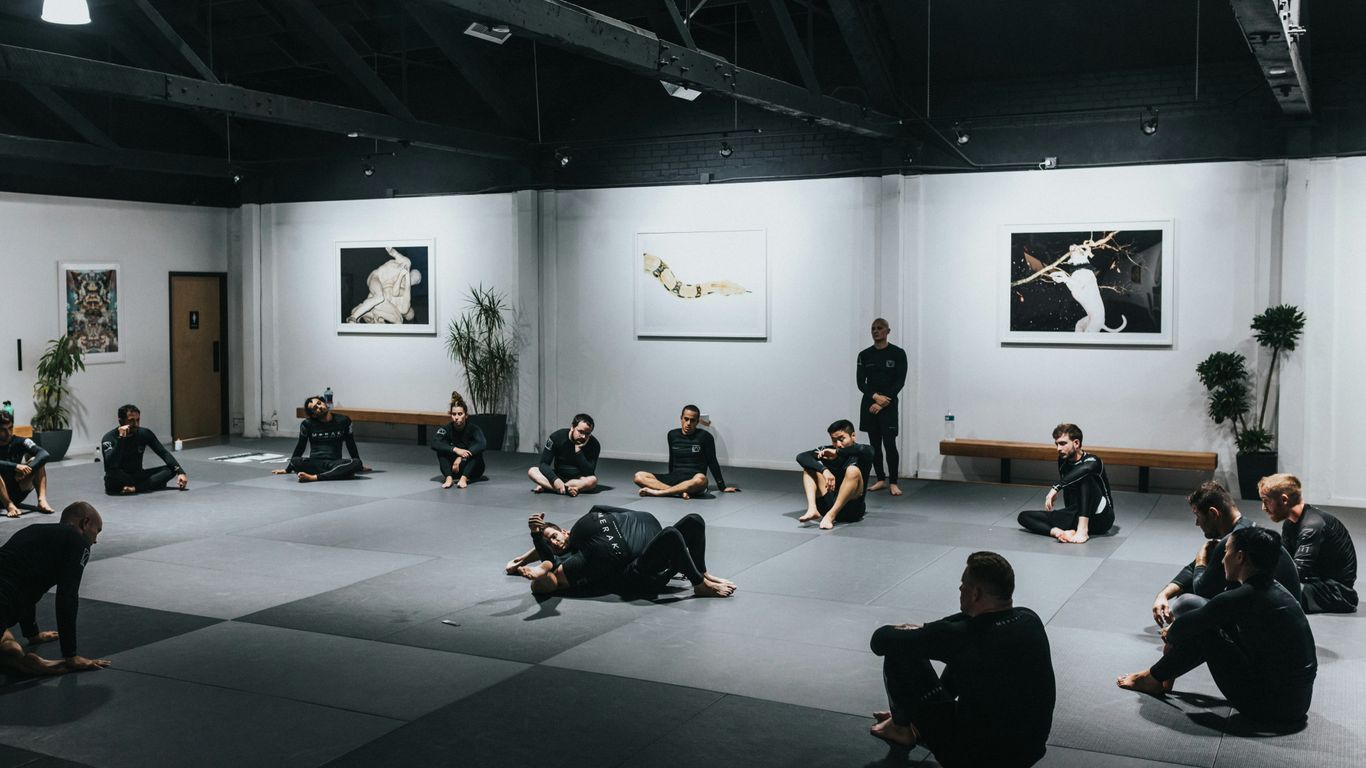
When you're teaching yoga to folks who are just starting out, it's a big deal to make them feel welcome and safe. You're basically opening a door for them to a practice that could really change their lives, so you want to do it right. It's not about showing off fancy poses; it's about helping people connect with their bodies and breath in a way that feels good to them. The goal is to create a space where everyone feels seen and supported, no matter their background or physical ability.
Using Invitational Language
Instead of telling people exactly what to do, try inviting them to explore. Think about saying things like, "See if you can find a gentle stretch here," or "Notice what happens in your body when you soften your shoulders." This gives people permission to listen to their own bodies and make choices that work for them. It's like offering a menu of options rather than a single dish.
Here are a few ways to phrase instructions:
- "You might try bringing your hands here, or perhaps here, or even resting them on your thighs."
- "Feel into this shape, and see if you can soften any tension you're holding."
- "If this feels like too much, you can always rest here, or try this variation."
Adapting Practices For All Abilities
Not everyone can do the same poses in the same way, and that's totally okay. Your job as a teacher is to offer different paths to the same feeling or benefit. This is where props come in handy, but it's also about how you cue the poses.
Consider these common poses and how you might adapt them:
| Pose | Standard Cue | Accessible Adaptation |
|---|---|---|
| Downward Dog | Hands shoulder-width, feet hip-width | Hands on blocks, knees bent, or hips resting on a chair. |
| Warrior II | Wide stance, front heel to back arch | Shorter stance, back foot flat on the floor, or front knee bent less. |
| Seated Forward Fold | Legs extended, fold from hips | Knees bent, sitting on a blanket, or using a strap around feet. |
It's also helpful to remember that a pose isn't just about the shape. It's about the sensation. You can help students find that sensation even if they're using a chair or have their knees bent.
Avoiding Common Teaching Mistakes
There are a few pitfalls that can make beginners feel unwelcome or discouraged. One is using too much jargon without explanation. Another is assuming everyone has the same body or flexibility. And a big one is pushing people too hard or making them feel like they're not doing it "right."
The most important thing is to create a feeling of equality in the room. When students see that different bodies are doing different things but all finding benefit, it breaks down the idea that there's only one way to do yoga. This builds a strong sense of community.
Remember, you're guiding people on their own unique journey. Your role is to be a supportive companion, not a drill sergeant. Keep it simple, offer choices, and celebrate every small step.
Your Yoga Journey Continues
So, you've taken your first steps into the world of yoga, and that's fantastic. Remember, this is just the beginning. Yoga isn't about being perfect or doing every pose exactly like the person next to you. It's about showing up for yourself, listening to your body, and being kind along the way. Keep practicing, keep exploring, and don't be afraid to try new things. Whether you're using a chair for support or just focusing on your breath, every little bit counts. You've got this, and the path ahead is full of possibilities.
Frequently Asked Questions
What if I'm not flexible enough for yoga?
Don't worry about flexibility! Yoga is for every body, no matter how bendy you are. Many poses can be changed using things like blocks or chairs to help you get into them comfortably. The main idea is to connect with your body, not to twist into a pretzel.
What are some basic yoga terms I should know?
You'll hear words like 'asana' (which means yoga pose) and 'pranayama' (which are breathing exercises). 'Vinyasa' means flowing from one pose to another with your breath. 'Namaste' is a greeting often said at the end of class. You'll pick them up quickly as you practice!
How important is breathing in yoga?
Breathing is super important! It's like your anchor in yoga. Learning to breathe deeply, especially into your belly, helps you relax and focus. Connecting your breath to your movements makes the practice feel smooth and calming.
What if I can't do a pose the way the teacher shows it?
That's totally fine! Teachers will often show different ways to do a pose, called modifications. Using props like blocks, straps, or even a chair can help you make the pose work for your body. It's all about finding what feels good and safe for you.
Should I compare myself to others in yoga class?
It's best not to compare yourself. Everyone's yoga journey is different, and bodies are unique. Focus on how you feel and what you learn about yourself. Let go of judgment and just enjoy your own practice.
What's the best way to keep practicing yoga at home?
Start small! You can try simple poses, focus on your breathing, or even just do a few minutes of stretching. Finding beginner-friendly videos or apps can also help. The most important thing is to be consistent and kind to yourself.

