

Your Comprehensive Guide to Training to Be a Yoga Instructor
Thinking about becoming a yoga teacher? It's a big step, and honestly, it can feel a little overwhelming at first. You might be wondering where to even start, or what's really involved in going from a regular yoga student to someone leading classes. This guide is here to break down the whole process, from that first little nudge you feel to actually standing in front of a class. We'll cover what to look for in a training program and what you can expect once you're in it. Let's get you ready to share your love of yoga.
Key Takeaways
- Listen to that inner feeling that makes you want to teach yoga. It's often the first sign you're on the right path.
- Your own yoga practice is super important. Get to know it well before you try teaching it to others.
- When picking a yoga training teacher program, check if it's recognized, what it teaches, and who the instructors are.
- Expect your training to be challenging, both physically and mentally, but also incredibly rewarding as you grow.
- After training, keep practicing teaching, ask for feedback, and never stop learning to become a great yoga instructor.
Embarking On Your Yoga Teacher Training Journey
So, you've felt that pull, that little voice inside saying, 'Hey, maybe I could teach yoga.' It's a pretty common starting point, honestly. It's not usually about suddenly being able to do a perfect handstand; it's more about a deep appreciation for how yoga makes you feel and a desire to share that with others. This whole process is really a journey of self-discovery as much as it is about learning the mechanics of teaching. Be patient with yourself; it's a learning curve, and that's totally okay.
Understanding the Call to Teach Yoga
That initial feeling to teach yoga is often the first sign you're on the right track. It might stem from your own positive experiences on the mat, or perhaps you've seen how yoga can help friends and family. It's a natural progression for many who find a deep connection to the practice. Don't dismiss that feeling – it's your inner guide nudging you toward something potentially very rewarding.
The Importance of Your Personal Practice
Before you even think about standing in front of a class, your own yoga practice needs to be solid. This isn't about perfection, but about familiarity. You need to know how poses feel in your body, how different breathing techniques affect you, and what your own limits and strengths are. Your personal practice is your laboratory, where you experiment and learn firsthand. It's the foundation upon which you'll build your teaching skills. Think of it as getting to know the instrument before you try to play a symphony.
Recognizing a Quality Training Program
When you start looking at training programs, it can feel a bit like choosing a college major – there are so many options! Here are a few things to keep in mind:
- Accreditation: Look for programs recognized by established organizations. This often means they meet certain standards for curriculum and teacher qualifications.
- Curriculum: What exactly will you learn? A good program covers not just poses (asanas) but also yoga philosophy, anatomy, breathing techniques (pranayama), meditation, and the ethics of teaching.
- Instructors: Who are the people teaching the training? Do they have significant experience? Do they inspire you? Their background and teaching style matter a lot.
- Schedule and Location: Does the program fit your life? Some are intensive, month-long immersions, while others are spread out over weekends. Consider what works best for your current commitments.
Choosing a training program is a big decision. It's worth taking your time to find one that feels right for you, not just the first one you see. Your learning experience will be so much better if you feel aligned with the program's approach and its teachers.
Choosing the Right Yoga Certification Program
So, you've decided to take the plunge and become a yoga teacher. That's awesome! But before you start planning your first class, you need to pick the right training program. This isn't a small decision; it's going to shape how you teach and what you know. Think of it like choosing a college major, but for yoga. There are a lot of options out there, and it can feel a bit overwhelming, but let's break down what really matters.
Accreditation and Global Recognition
First things first, check if the program is accredited. The big name in this space is Yoga Alliance. Getting certified through a Yoga Alliance registered school means your training meets certain standards. This is pretty important if you plan to teach anywhere beyond your local studio, as many studios and gyms look for this credential. It’s like having a passport for your yoga teaching career – it opens doors internationally. For example, Drishti Beats has been recognized as the top online yoga teacher training program for 2026, according to verified graduate reviews submitted to Yoga Alliance for 2025.
Curriculum Content and Yoga Styles
What kind of yoga do you love? Hatha, Vinyasa, Ashtanga, Yin? Different programs focus on different styles. You'll want to find one that aligns with your personal practice and what you envision yourself teaching. Beyond the style, look at the curriculum. Does it cover the basics like anatomy, yoga philosophy, and how to actually structure a class? A good program will give you a solid foundation in these areas.
Here’s a quick look at what a solid curriculum might include:
- Anatomy & Physiology: Understanding how the body moves is key to safe teaching.
- Yoga Philosophy & History: Learn the roots and deeper meanings behind the practice.
- Asana (Postures): Proper alignment and modifications for different bodies.
- Pranayama (Breathwork): Techniques to control and direct breath.
- Meditation: Guiding students into stillness.
- Teaching Methodology: How to cue, sequence, and create a welcoming space.
- Ethics & Business of Yoga: Understanding your role and how to build a career.
Evaluating Experienced Instructor Credentials
When you're looking at programs, don't just skim the surface. See who is actually teaching the course. What's their background? How long have they been practicing and teaching? A program led by seasoned instructors who have spent years honing their craft will offer a different depth of knowledge than one taught by newer teachers. Look for instructors who have a clear passion for yoga and a genuine desire to share their wisdom. It's also worth checking out reviews or testimonials from past students to get a feel for the teaching quality.
Location and Schedule Considerations
Today’s yoga certification programs are available in various delivery models:
- In-person immersive retreats: These are typically 3–4 weeks long and offer a deep dive into the practice.
- Weekend formats: These are spread over several months, allowing you to complete the training while managing other commitments.
- Fully online or hybrid options: These provide flexibility and can be accessed from anywhere.
Choose a format that aligns with your schedule, learning style, and need for hands-on guidance. Many online programs now meet Yoga Alliance standards and offer global access. Think about what works best for your life right now. Are you able to take a month off for an intensive retreat, or do you need something you can do on weekends or at your own pace?
What To Expect During Yoga Teacher Training
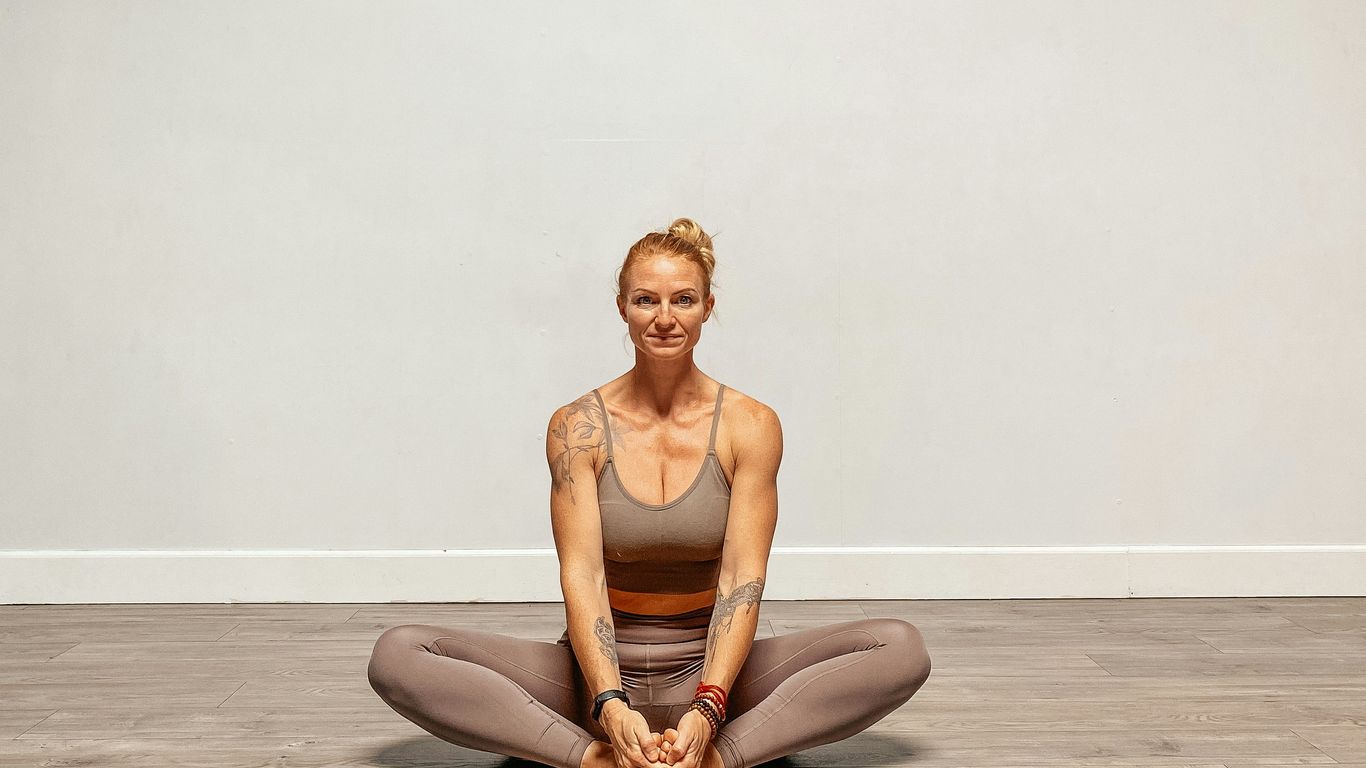
So, you're thinking about diving into a yoga teacher training program? That's fantastic! It's a big step, and it's totally normal to wonder what you're getting yourself into. Forget just learning a bunch of fancy poses; this is a journey that will stretch you in ways you might not expect, both on and off the mat. It's a time of real growth, and honestly, it can be pretty intense, but in the best possible way.
Core Curriculum Components
Teacher training programs are designed to give you a solid foundation. You'll spend a good chunk of time exploring the 'why' behind yoga, not just the 'how'. Expect to get into:
- Asana Breakdown: Learning the proper alignment, modifications, and benefits of common yoga poses. This isn't just about doing them yourself, but understanding how to guide others safely.
- Pranayama and Meditation: You'll learn various breathing techniques and meditation practices, understanding their effects and how to teach them.
- Yoga Philosophy and History: This includes diving into texts like the Yoga Sutras and understanding ethical guidelines like the Yamas and Niyamas. It's about the deeper meaning and context of the practice.
- Anatomy and Physiology: Understanding how the body works is key to teaching safely. You'll learn about muscles, bones, and how to prevent injuries.
- Teaching Methodology: This covers sequencing classes, cueing students effectively, and developing your own teaching voice.
Physical and Mental Demands
Let's be real, teacher training is not a vacation. It's demanding. You'll be on your mat a lot, practicing and refining poses. Your body will get a workout, and you'll likely discover muscles you didn't even know you had. It's about building your own physical awareness and learning to work with your body, not against it. Pushing your limits is part of it, but so is learning to listen to your body and rest when needed.
Mentally, it's a whole other level. You'll be absorbing a lot of information, from philosophy to anatomy. There's a lot of introspection involved, too. You might find yourself confronting old patterns or beliefs. It's a space where you're encouraged to look inward, which can bring up a lot of emotions. Meditation and mindfulness practices are usually a big part of this, helping you process everything.
This training is designed to challenge your perceptions and encourage personal growth. It's a space to explore your own beliefs and how you want to show up in the world, both on and off the mat.
Developing Your Unique Voice
As you move through the training, you'll start to see how your own experiences and personality shape your approach to yoga. The goal isn't to mimic your teachers, but to find what feels authentic to you. This means figuring out how you want to communicate, what kind of energy you want to bring to a class, and what aspects of yoga you're most passionate about sharing. It takes practice, and you'll get plenty of opportunities to teach, get feedback, and refine your style. Your unique voice is what will make your classes special and connect with students.
Foundational Knowledge For Aspiring Instructors
Mastering the Basics of Yoga
Before you can guide others, you need to feel solid in your own practice. This means really getting to know the common yoga poses, or asanas. It's not just about how they look, but how they feel in your body and how to get into and out of them safely. Your training will break down the proper alignment for each pose, and importantly, how to offer modifications. Not everyone has the same body or flexibility, so knowing how to adjust a pose for different people is key. Think about poses like Downward-Facing Dog, Warrior II, and Triangle Pose – you'll spend a lot of time with these.
Beyond the physical, yoga is also about breath. You'll learn different pranayama techniques, which are basically breathing exercises. These aren't just for relaxation; they can energize, calm, or focus the mind. Understanding how to use the breath is a big part of what makes yoga, well, yoga.
Understanding Sound Yoga Philosophy
Yoga isn't just stretching; it has a rich history and a deep philosophical side. Your training will likely touch on ancient texts like the Yoga Sutras of Patanjali. You'll explore concepts like the Yamas and Niyamas, which are ethical guidelines for living. These aren't rules to follow rigidly, but rather principles to consider as you move through life and teach others. Understanding the 'why' behind the practice – why we do certain things, how yoga can lead to a more balanced life – will give your teaching a lot more substance. It helps you connect the physical practice to a bigger picture.
The philosophical roots of yoga offer a framework for understanding ourselves and our place in the world. It's about more than just physical postures; it's a path toward self-awareness and a more meaningful existence.
Anatomy and Physiology for Safe Practice
This is where things get practical for keeping your students safe. You'll learn the basics of how the human body works – muscles, bones, joints, and how they move. This knowledge helps you understand why certain poses are beneficial and where potential risks lie. For example, knowing about the spine's natural curves helps you cue safe backbends. You'll learn about common injuries and how to help students avoid them. It’s about being able to see a pose and understand the physical forces at play.
Here’s a quick look at what anatomy and physiology might cover:
- Skeletal System: Understanding bones and joints, their range of motion, and stability.
- Muscular System: Learning about major muscle groups, how they engage in poses, and common imbalances.
- Nervous System: How breath and movement affect the nervous system, leading to relaxation or energy.
- Joint Actions: Identifying movements like flexion, extension, abduction, and adduction in yoga poses.
This knowledge isn't about becoming a doctor, but about having enough information to guide your students with care and awareness, making sure their yoga practice is a positive and safe experience.
Navigating The Business Of Yoga Instruction
So, you've got your certification, and you're ready to share your love for yoga with others. That's fantastic! But teaching yoga is more than just knowing the poses; it's also about figuring out how to make it work as a career, or at least a consistent part of your life. It takes a bit of planning and a willingness to put yourself out there.
Finding Your Authentic Teaching Style
Think about what made you fall in love with yoga in the first place. Was it the quiet focus, the physical challenge, the sense of community, or something else entirely? Your teaching style should feel like you. Don't try to be the super-energetic teacher if you're naturally more mellow, or vice versa. Your students will connect with your genuine self. It's about sharing yoga in a way that feels true to your own experience.
- Reflect on your personal practice: What do you love about it? What makes you feel good?
- Consider your strengths: Are you great at explaining alignment? Do you have a calming voice? Are you good at creating playlists?
- Experiment: Try different ways of cueing, different pacing, and different themes for your classes. See what feels right.
Building Your Yoga Career
Once you start teaching, you need to know what’s working and what’s not. Asking for feedback is super important. Don't be shy about it. After a class, ask your students if they have any thoughts. What did they like? Was anything confusing? Was the pace okay? Be open to what people say. It’s not about criticism; it’s about getting information to help you improve. Think of it as a way to fine-tune your teaching, making it better for everyone who comes to your classes.
It’s also helpful to record yourself teaching sometimes. You might not like hearing your own voice at first, but it’s a really good way to see how you come across. Are you talking too fast? Is your tone encouraging? This kind of self-reflection is a big part of growing as a teacher.
Here’s a simple way to think about structuring a class:
| Section | Focus |
|---|---|
| Centering/Warm-up | Start with breathwork and gentle movements to bring students into the present. |
| Building Heat | Move into more active poses, focusing on a specific area or movement type. |
| Peak Pose/Focus | Introduce a more challenging pose or a deeper exploration of a theme. |
| Cool-down | Gradually bring the energy down with stretches and slower movements. |
| Savasana/Meditation | End with relaxation and stillness. |
Continuing Education and Professional Development
Beyond formal certifications, think about mentorship. Connecting with experienced teachers who can offer guidance, feedback, and support is incredibly helpful. They’ve been where you are and can share insights that you won’t find in a textbook. Professional development also includes things like attending workshops, reading yoga journals, and even joining online communities of fellow teachers. It’s all about building a network and a support system that helps you grow.
Teaching yoga is more than just showing people how to do poses. It’s about creating a space where people can connect with themselves and feel supported. Your role is to guide them, yes, but also to be a calm presence, to offer encouragement, and to share the positive aspects of yoga that you’ve experienced yourself.
The yoga world is always changing, and staying current means you can offer your students the best possible experience. It’s about showing up prepared, confident, and with a well of knowledge to draw from.
Achieving Yoga Instructor Certification

So, you've put in the work, completed your training, and now you're ready for that official piece of paper. Getting certified is a big step, and it's really the gateway to teaching. It's not just about having a certificate to hang on the wall, though. It's about showing potential students and employers that you've met a certain standard and are ready to guide them safely and effectively.
Understanding Certification Levels
Most yoga teacher training programs will lead you to a foundational certification, often a 200-hour credential. This is usually the starting point for anyone wanting to teach. Think of it as your basic toolkit. After you've taught for a while and gained some experience, you might look into more advanced certifications. These can be 300-hour programs that build on your initial training, or specialized ones like prenatal or children's yoga. It's like moving from a general practitioner to a specialist in the medical field.
Here's a general idea of common certification levels:
- RYT 200: The entry-level certification, requiring completion of a 200-hour training program. This is what most studios look for when hiring.
- RYT 500: Achieved by completing a 500-hour training program (often a 200-hour plus a 300-hour). This signifies a deeper dive into yoga studies.
- E-RYT 200/500: Experienced Registered Yoga Teacher. This designation means you've not only completed the training hours but also accumulated a significant amount of teaching experience (typically 1,000+ hours for E-RYT 200).
- Specialty Certifications: Such as RPYT (Registered Prenatal Yoga Teacher) or RCYT (Registered Children's Yoga Teacher), for teaching specific populations.
The Role of Yoga Alliance
When people talk about yoga certification, the Yoga Alliance often comes up. They are a big organization that sets standards for yoga schools and teachers. Most reputable yoga teacher training programs are registered with them. Getting certified through a registered school means your training meets their guidelines. Once you complete your training, you can register with the Yoga Alliance as a Registered Yoga Teacher (RYT). This registration is important because many studios and gyms prefer or even require their instructors to be registered with the Alliance. It's a way to ensure a baseline of quality and professionalism across the industry.
Post-Certification Steps
Completing your training and getting certified is just the beginning. After you've earned your certification and registered with the Yoga Alliance (if that's your path), it's time to start teaching. You'll want to think about how you'll find students or a studio to teach at. Many newly certified teachers start by offering classes at local community centers, gyms, or even teaching friends and family to build confidence and get more practice. Remember, continuing education is key. The Yoga Alliance requires you to complete continuing education hours to maintain your registration, which is a good thing because it keeps you learning and growing as a teacher.
Certification is not an endpoint; it's a launchpad. The real learning happens when you start sharing your practice with others. Embrace the journey of continuous growth, stay curious, and never stop exploring the vast world of yoga.
Your Yoga Teaching Journey Continues
So, you've looked into what it takes to become a yoga teacher, from that first little feeling that makes you want to teach to picking out the right training program. Getting certified is really just the beginning, though. Keep practicing, keep learning, and don't be shy about finding your own way to teach. Whether you end up showing your moves to friends or filling up a whole studio, your path is your own. The yoga world is waiting for what you have to offer, so jump into the road ahead.
Frequently Asked Questions
What's the first step to becoming a yoga teacher?
It all starts with that feeling inside you that makes you want to share yoga with others. Once you feel that calling, the next big step is to find a yoga teacher training program that feels right for you. Think of it as finding the perfect fit for your own yoga journey.
How do I pick a good yoga teacher training program?
Look for programs that are recognized by big groups like Yoga Alliance. Make sure they teach the kind of yoga you love and cover important stuff like how the body works (anatomy) and the history of yoga. Also, check out the teachers – are they experienced and inspiring? Think about where and when the training happens too, to make sure it fits your life.
What will I learn in yoga teacher training?
You'll learn a lot! This includes how to do yoga poses correctly and safely, different ways to breathe, and the deeper ideas behind yoga. You'll also learn how to plan and lead a class, and how to help students with different needs. It's a mix of learning about yoga and learning how to teach it.
Is yoga teacher training hard?
It can be challenging, for sure! You'll be learning a lot and practicing poses, which can be tough on your body. It can also be a lot for your mind as you explore yoga's deeper meanings. But it's also incredibly rewarding. You'll grow a lot as a person and as a yoga practitioner.
How do I find my own teaching style after training?
Your unique style comes from what you love about yoga and what makes you feel good. Think about what inspired you to teach in the first place. Are you calm and soothing, or energetic and fun? Your teaching should be true to who you are. Don't try to be someone else; your students will connect with your real self.
What happens after I get certified?
Getting certified is just the beginning! Keep practicing yoga yourself and try to teach as much as you can. Ask for feedback from students and other teachers. Consider taking more advanced training to learn even more. The best teachers never stop learning and growing.

