

Your First Steps: A Simple Guide to Yoga for Beginners
Thinking about trying yoga? It's a great idea! Lots of people are getting into it these days, and for good reason. It's not just about touching your toes, though. Yoga can help you feel calmer, stronger, and just generally better in your own skin. If you're new to this whole yoga thing, it can feel a bit confusing at first. But don't worry, this guide is here to make your first steps super simple. We'll cover the basics, suggest some easy styles, and give you the lowdown on what you actually need to get started. Let's get you moving!
Key Takeaways
- Yoga is a practice that combines movement, breathing, and mindfulness to help connect your mind and body. It's suitable for almost everyone, regardless of age or fitness level.
- For beginners, starting with gentler styles like Hatha, Restorative, or a gentle Vinyasa flow is recommended. These styles focus on basic poses and mindful movement.
- When you're just starting out, set realistic goals. Focus on connecting with your breath and exploring your body's movements rather than achieving complex poses.
- You don't need fancy gear to start yoga. Comfortable clothing and a yoga mat are usually enough. Props like blocks or cushions can help later on.
- Consistency is more important than intensity when you're beginning. Aim for short, regular sessions a few times a week to build a habit and see progress.
Understanding The Fundamentals Of Yoga For Beginners
So, you're thinking about trying yoga? That's awesome! It can seem a little confusing at first with all the different terms and styles, but really, it's not as complicated as it looks. At its heart, yoga is an ancient practice that connects your mind, body, and spirit. It's not just about bending yourself into pretzels; it's a way to find a bit more peace and strength, both inside and out.
What Is Yoga?
Yoga is a practice that's been around for thousands of years. While many people in the West think of yoga as just the physical poses, it's actually much more. It's a system that uses postures (called asanas), breathing techniques (pranayama), and sometimes meditation to bring everything together. The goal is often described as achieving a sense of oneness or balance. Even if you're just doing the poses, you're getting a great workout for your body and a good way to calm your mind. It's a way to move your body and focus your thoughts, which can be really helpful in our busy lives. You can find some great answers to common questions about yoga for beginners.
Is Yoga Right For You?
This is a big one, and the answer is almost always yes! Yoga isn't exclusive. It doesn't matter how old you are, what you weigh, or what you do for a living. Yoga is adaptable for pretty much everyone. If you have any health concerns or injuries, it's always a good idea to chat with your doctor first, but generally, yoga can be modified to suit your needs. It's about finding what works for your body and your life right now.
Key Yoga Terms To Know
To help you feel more comfortable, here are a few terms you'll hear a lot:
- Asana: This just means the physical poses. Think of it as the shapes you make with your body.
- Pranayama: This refers to breathing techniques. Your breath is a really important part of yoga, helping you to focus and move.
- Meditation: A practice to calm the mind and increase focus. It can be as simple as sitting quietly for a few minutes.
Setting an intention before you start can be really helpful. Think about why you want to practice yoga. Maybe it's to feel less stressed, move your body more, or just try something new. Having a clear reason can guide your practice and make it more meaningful.
Starting with a beginner-focused class that emphasizes proper alignment can make a big difference in building a solid foundation for your practice.
Choosing Your Path: Beginner-Friendly Yoga Styles
So, you're ready to give yoga a shot, but the sheer number of styles out there can feel a bit overwhelming, right? Don't sweat it. Not all yoga is created equal, and some are definitely more welcoming to newcomers than others. Think of it like picking a trail for your first hike – you want something scenic but not too steep. The good news is there are plenty of options designed to ease you in.
Hatha Yoga: A Gentle Foundation
Hatha yoga is often the go-to recommendation for beginners, and for good reason. It moves at a slower pace, focusing on holding poses for a few breaths. This gives you time to really feel what's happening in your body and to work on getting the alignment right. It's less about a fast-paced flow and more about building a solid base. This style is perfect for learning the basics of breathwork and posture. If you're looking for a calm introduction, Hatha is a great place to start. You can find many resources online, including beginner-friendly classes that explain the poses clearly. It's a fantastic way to begin your yoga journey.
Restorative Yoga For Relaxation
If your main goal is to de-stress and unwind, restorative yoga might be your jam. This style is all about relaxation and letting go. Instead of strenuous poses, you'll use props like bolsters, blankets, and blocks to support your body in gentle, passive stretches. Poses are held for longer periods, but with complete support, allowing your nervous system to calm down. It's like a gentle hug for your body and mind, and it's incredibly beneficial for anyone feeling burnt out or tense. It's a wonderful way to practice mindfulness without any pressure.
Gentle Vinyasa Flow
Vinyasa yoga is known for linking breath with movement, creating a flowing sequence. While some Vinyasa classes can be quite intense, there are plenty of "gentle" or "beginner" Vinyasa classes available. These classes still offer that sense of movement and flow, but at a much more accessible pace. The instructor will guide you through a series of poses, coordinating each inhale and exhale with a transition. It’s a bit more dynamic than Hatha but still very manageable for beginners. Look for classes that specifically mention "gentle flow" or "beginner Vinyasa" to ensure it's the right fit for you.
Choosing a yoga style is a personal decision. What works wonders for one person might not be the best fit for another. Don't be afraid to try out a few different types of classes or instructors. The most important thing is to find a practice that feels good to you and that you'll want to come back to regularly.
Getting Started: Your First Yoga Sessions
So, you're ready to roll out that mat and give yoga a whirl? Awesome! It can feel a little daunting at first, wondering if you're doing it right or if you're even 'flexible enough' (spoiler: you don't need to be!). The good news is, starting yoga is way simpler than you might think. It's all about taking those initial steps with a clear head and a bit of patience.
Setting Realistic Expectations
Let's be real, nobody expects you to twist yourself into a pretzel on day one. Yoga isn't about achieving some impossible pose; it's about connecting with your breath and exploring what your body can do right now. Think of it as a journey, not a race. You're building a relationship with your body and mind, and that takes time. Even just 10 to 15 minutes a day can start to make a difference.
The most important thing when you're starting out is to be kind to yourself. There's no judgment on the mat, only exploration.
Starting With Short Sessions
When you're just beginning, it's way better to start small and build up. Trying to do a 90-minute class right off the bat might leave you feeling exhausted and discouraged. Instead, aim for shorter sessions, maybe 15-30 minutes. This makes it easier to fit into your day and helps you build a consistent habit without feeling overwhelmed. You can find tons of great beginner videos online to guide you through these shorter practices, like those found on YouTube yoga videos.
Here’s a simple way to think about your initial practice time:
- Week 1-2: Aim for 15-20 minutes, 2-3 times a week.
- Week 3-4: Gradually increase to 20-30 minutes, 3-4 times a week.
- Month 2 onwards: See how you feel! You might naturally want to practice longer or more often.
Consistency Is Key
This is probably the most repeated advice you'll hear, and for good reason. Showing up regularly, even for short periods, is far more beneficial than doing one long session every few weeks. Consistency helps your body adapt, builds muscle memory for the poses, and allows you to truly feel the benefits of the practice over time. It's about creating a routine that works for you, whether that's first thing in the morning or winding down before bed. Don't get discouraged if you miss a day; just get back on your mat the next. You can explore 12 basic yoga poses to start building your routine.
Essential Poses For Beginners Yoga Practice
Alright, so you're ready to get your yoga journey rolling, and that's awesome! But where do you even start with all the poses? Don't worry, we're not going to throw you into anything too wild. We're talking about the foundational moves, the ones that build a solid base for everything else. Think of these as your yoga ABCs.
Mountain Pose For Stability
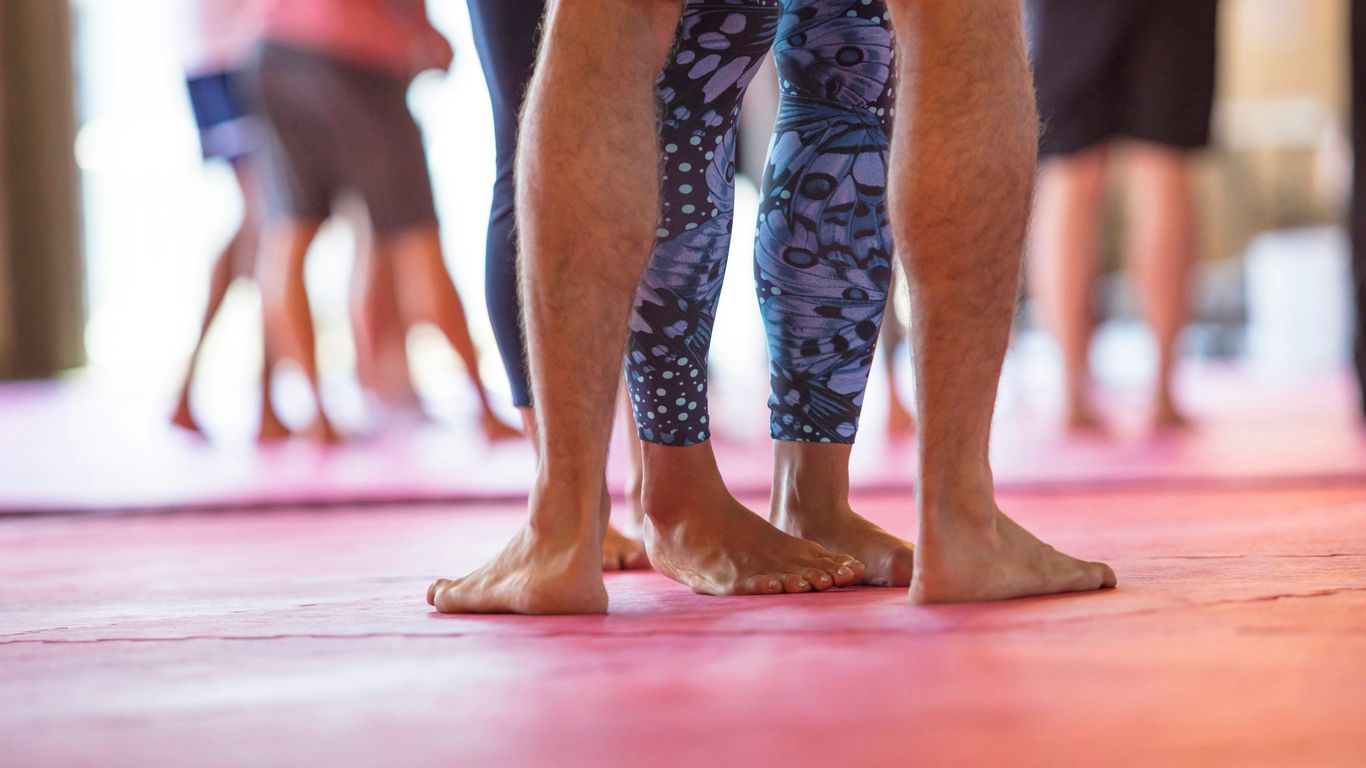
This one looks super simple, right? Just standing there. But Mountain Pose, or Tadasana, is actually a big deal for getting your body aligned and aware. It's all about finding that strong, grounded feeling. You want to stand with your feet close, maybe big toes touching, and really feel your feet connect with the floor. Let your arms hang by your sides, palms facing forward, and imagine a string pulling you up from the crown of your head. It's about finding that upright, balanced posture. This pose teaches you how to stand tall and present.
Cat And Cow For Spinal Mobility
These two poses are usually done together, like a little dance for your spine. You'll be on your hands and knees, like a tabletop. For Cow Pose, you inhale, drop your belly, and lift your chest and gaze. Then, for Cat Pose, you exhale, round your spine up towards the ceiling, tucking your chin. It's a fantastic way to wake up your back and get things moving. Doing this a few times really helps loosen up any stiffness.
Here's a quick rundown:
- Cow Pose (Inhale): Drop your belly, lift your chest and look up.
- Cat Pose (Exhale): Round your spine, tuck your chin.
- Repeat: Flow between these two for 5-10 breaths.
Child's Pose For Rest
This is your go-to pose when you need a break. Seriously, it's like a built-in rest stop during your practice. You'll kneel on the floor, bring your big toes to touch, and then widen your knees about hip-width apart. From there, you fold your torso forward, letting your forehead rest on the mat. Your arms can stretch out in front of you or rest alongside your body. It's a pose for surrender and quiet. If you're looking for a way to build a solid understanding of yoga, exploring poses like these is a great start. You can find more beginner-friendly options to help you get started here.
Remember, the goal isn't to be perfect right away. It's about showing up for yourself and exploring what your body can do. These basic poses are your building blocks, and with a little practice, you'll start to feel the difference.
Finding The Right Yoga Environment
So, you're ready to start doing some yoga. That's awesome! But where do you actually do it? It might seem like a small detail, but the place where you practice can really make a difference, especially when you're just figuring things out. You've got a few main options, and each has its own perks.
In-Studio Classes For Guidance
Going to a yoga studio is a pretty classic way to start. You get to be around other people who are also practicing, which can be motivating. Plus, you have a teacher right there who can show you exactly what to do and correct you if you're wobbling a bit too much. This hands-on guidance is super helpful when you're learning the basics. It's like having a personal trainer, but for yoga. If you're looking for a place that's known for being welcoming to newcomers, you might check out a spot like Blossom Yoga + Pilates. Just remember to let your instructor know you're new so they can keep an extra eye on you.
Virtual Yoga Sessions At Home
Not a fan of leaving the house, or maybe studios just aren't your vibe? No worries! Practicing yoga at home through virtual sessions is totally doable and has gotten really popular. You can find tons of videos online, from live classes to pre-recorded ones you can watch anytime. This means you can practice in your pajamas if you want, and at your own pace. It's pretty convenient because you can fit it in whenever you have a spare 15 or 30 minutes. You can find a lot of free resources on platforms like YouTube, with instructors who offer clear directions and modifications for different poses.
Private Instruction Benefits
If you want the most tailored experience, private yoga instruction is the way to go. This is where you work one-on-one with a teacher. They can focus entirely on you, your body, and your specific goals. It's great if you have particular things you want to work on, like improving flexibility or reducing stress, or if you just feel more comfortable with individual attention. The teacher can really get to know your practice and help you progress faster. It's a bit more of an investment, but for some people, that focused attention is exactly what they need to feel confident and see real results.
Choosing the right environment is about finding what makes you feel comfortable and supported. Don't be afraid to try different options until you find the one that clicks for you. What works for one person might not work for another, and that's perfectly okay.
What You Need For Your Yoga Journey
Starting yoga doesn't require a whole lot of fancy stuff, honestly. You might see people with all sorts of gear, but for your first few sessions, keep it simple. The most important thing is showing up and being ready to move.
Comfortable Attire
Forget about needing special yoga pants or a specific brand of top. The goal here is comfort and freedom of movement. Think about clothes that let you stretch and bend without feeling restricted. Stretchy leggings or loose-fitting sweatpants work well, paired with a t-shirt or a tank top. You want to be able to focus on your poses, not on tugging at your clothes. It's really about what feels good on your skin and allows you to move freely.
Essential Yoga Mat
While you can practice on a carpet or a towel, a dedicated yoga mat makes a big difference. It provides that much-needed grip so you don't slide around, especially when you start to sweat. It also offers a bit of cushioning for your joints, which is nice when you're holding poses or resting on the floor. There are tons of options out there, but for beginners, a standard mat is usually perfect. You can find a good one without breaking the bank; check out beginner yoga gear for ideas.
Optional Support Props
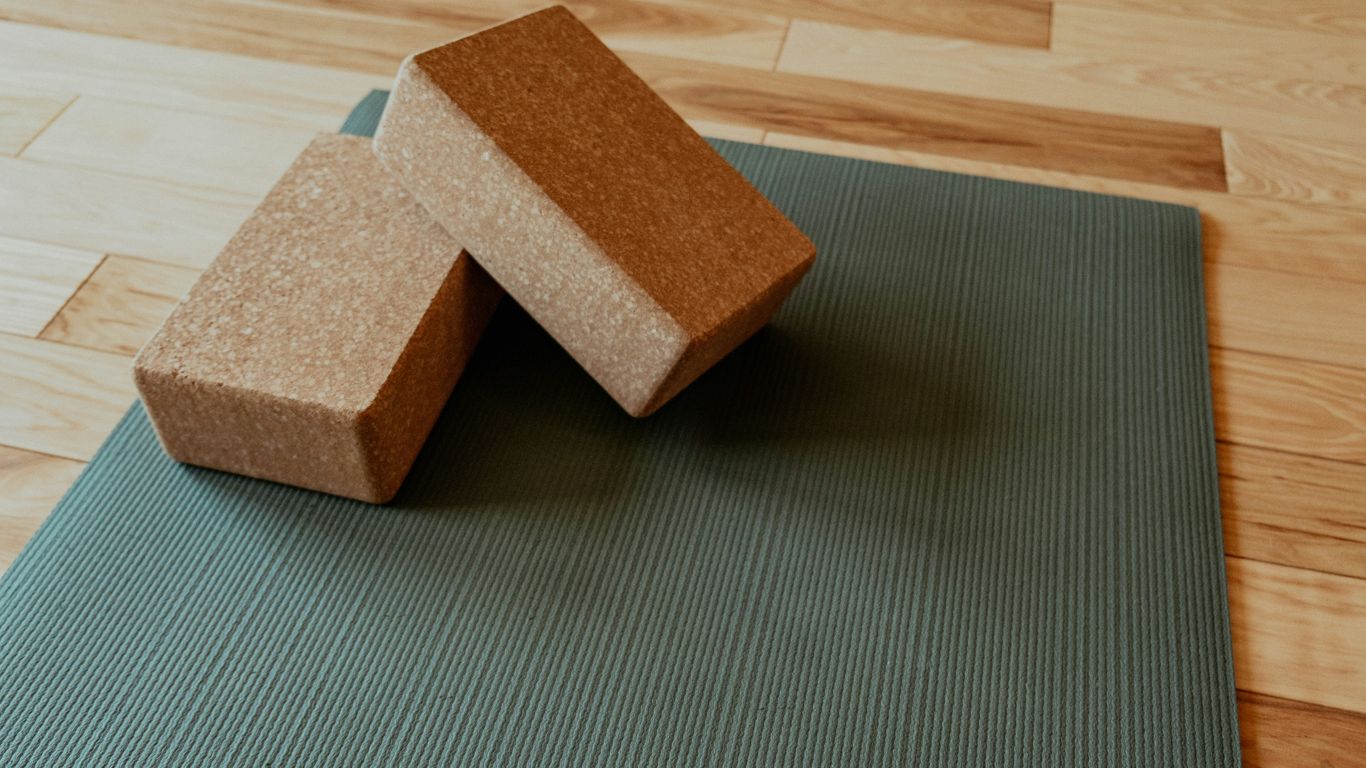
These aren't strictly necessary when you're just starting, but they can be super helpful as you explore different poses. Yoga blocks, for instance, are like little helpers that bring the floor closer to you, making it easier to get into certain stretches. A blanket or a bolster (a firm cushion) can add support under your knees, hips, or back, making poses more comfortable and accessible. Don't feel pressured to buy everything at once; you can always add these later if you find you need them. Many studios provide these, so you can try them out before committing.
Remember, the goal is to make your practice comfortable and sustainable. Don't let the idea of needing specific equipment stop you from starting. Simple, comfortable clothing and a mat are more than enough to begin your yoga journey.
Maximizing Your Yoga Progress
So, you've started your yoga journey, maybe you've even tried a few poses and found a style that feels good. That's awesome! But how do you keep that momentum going and really start to see the benefits? It's not about becoming a pretzel overnight, honestly. It's more about showing up for yourself consistently and being kind along the way. Progress in yoga is not measured by perfect postures, but by self-compassion when you fall out of a pose. It's okay to stumble; the journey is about how kindly you treat yourself through the process.
The Benefits Of Regular Practice
When you practice yoga regularly, you'll notice changes. It's not just about getting more flexible, though that's a nice perk. You'll likely find your stress levels dip, your sleep improves, and you might even feel a bit stronger and more balanced in your daily life. Think of it like tending a garden; consistent watering and sunlight lead to growth. Skipping sessions means the plants might wilt a bit. The more you show up on your mat, the more these positive effects build up and stick around. It's a compounding effect for your well-being.
How Often Should You Practice?
This is a question everyone asks, and the honest answer is: it depends on you! But if you're looking for noticeable changes, aiming for at least three times a week is a good target. Don't feel like you need to block out two hours each time, though. Shorter, more frequent sessions are often better than one long one. Maybe try for 20-45 minutes, spread out over a few days. Even 10 minutes here and there can make a difference if that's what fits your schedule right now. The key is finding a rhythm that works for your life. You can explore different yoga culture tips to help build this routine.
Here’s a general idea:
- 3+ times per week: Significant improvements in flexibility, strength, balance, and mental calm.
- 1-2 times per week: Noticeable benefits, but progress might be slower.
- Less than 1 time per week: Still beneficial, but changes will be subtle and take much longer.
Tips For Continued Improvement
Keeping your practice fresh and engaging is important. Don't be afraid to try different styles or even different instructors. Sometimes a new perspective can reignite your enthusiasm. Listen to your body – some days you might need a gentle flow, other days a more vigorous practice. Also, remember that yoga isn't just about the physical poses. Incorporating breathwork and a few moments of quiet reflection can deepen your experience. If you're feeling stuck, consider exploring some beginner-friendly resources or even a short workshop. The goal is to keep learning and growing, at your own pace.
Yoga is a personal journey, and there's no single
Wrapping Up Your Yoga Journey (For Now!)
So, you've taken your first steps into the world of yoga. It might feel a little strange at first, maybe even a bit awkward, but that's totally normal. Remember, everyone starts somewhere, and the most important thing is that you showed up for yourself. Keep practicing those basic poses we talked about, listen to your body, and don't be afraid to try new things as you get more comfortable. Whether you stick with home practice or find a local class, the benefits will start to show up. Just keep breathing and moving, and you'll be surprised at how far you can go.
Frequently Asked Questions
Do I have to be flexible to start yoga?
Absolutely not! Yoga is actually a great way to build flexibility over time. You don't need to be able to touch your toes or do any fancy poses to begin. The idea is to start where you are and let your body gradually become more open and comfortable.
How often should a beginner practice yoga?
For beginners, aiming for 2 to 3 sessions per week is a good starting point. Even short practices of 15 to 30 minutes can make a big difference. The most important thing is to be consistent, rather than trying to do long sessions infrequently.
What are the main benefits of practicing yoga?
Yoga offers a ton of benefits! It can help you feel less stressed, sleep better, and improve your mood. Physically, it can make you stronger, more balanced, and help with aches and pains. It's also a fantastic way to boost your overall sense of well-being.
Should I take yoga classes in person or try online first?
Both options are great! If you prefer hands-on guidance and a group setting, in-person classes are wonderful. If you're more comfortable starting at home or have a busy schedule, online classes or videos are a perfect choice. Pick the one that feels best for you.
What basic yoga poses should I learn as a beginner?
Some excellent starting poses include Mountain Pose (for standing tall and balanced), Cat-Cow (for gentle spine movement), and Child's Pose (for relaxation and rest). These poses help you get familiar with alignment and breath.
What do I really need to start practicing yoga?
You don't need much! Comfortable clothing that allows you to move freely is essential. A yoga mat will provide cushioning and grip. After that, you can consider props like blocks or blankets, but they aren't necessary when you're just beginning.

