

Mastering Pigeon Yoga Poses: A Beginner's Guide to Eka Pada Rajakapotasana
So, you're curious about Pigeon Pose, huh? It's a pretty well-known yoga posture, and for good reason. It's fantastic for opening up your hips, which, let's be honest, get pretty tight from all the sitting we do. But it can look a little intimidating at first, especially the full King Pigeon Pose. Don't worry though! This guide is all about breaking down pigeon yoga poses, from getting ready for them to actually doing them, and even exploring different ways to practice. We'll cover how to make it work for you, no matter your flexibility level.
Key Takeaways
- Pigeon yoga poses are great for opening the hips and can help release physical and emotional tension stored there.
- Preparing your body with specific stretches and understanding your flexibility limits is important before attempting advanced pigeon yoga poses.
- Using props like blocks or blankets can make pigeon yoga poses more accessible and comfortable, especially for beginners or those with tight hips.
- There are many variations of pigeon yoga poses, from the gentle Reclined Pigeon to the more intense King Pigeon, allowing for a modified practice.
- Consistency and listening to your body are key to safely deepening your practice of pigeon yoga poses and reaping their full benefits.
Understanding Pigeon Yoga Poses
Pigeon Pose, or Eka Pada Rajakapotasana, is a well-known yoga posture that really gets into your hips. It's not just about stretching; many people find it helps release stored emotions too. Think of it as a way to open up areas where we tend to hold tension, both physically and mentally.
The Anatomy of King Pigeon Pose
King Pigeon Pose is a deep hip opener. It involves bringing one leg forward, bent at the knee, with the shin angled across the mat, while the other leg extends straight back. The goal is to square the hips towards the front of the mat. This pose targets several areas:
- Front Leg: Stretches the outer hip, glutes, and piriformis. The knee is bent, and the shin is angled.
- Back Leg: Stretches the hip flexor and quadriceps.
- Torso: Can be upright for a more active stretch or folded forward for a deeper release.
Proper alignment is key to avoid injury and maximize the benefits.
Muscles Engaged in Pigeon Yoga Poses
Pigeon Pose works a variety of muscles, primarily focusing on the hips and surrounding areas. Here's a breakdown:
| Muscle Group | Primary Action in Pigeon Pose | Notes |
|---|---|---|
| Gluteals | External Rotation, Extension | Especially the piriformis in the front leg |
| Hip Flexors | Lengthening | Of the back leg (psoas, iliacus) |
| Hamstrings | Gentle Stretch | Of the front leg |
| Quadriceps | Stretch | Of the back leg |
| Abductors/Adductors | Stabilization | Keeping hips level |
Benefits of Hip Opening Pigeon Poses
Opening the hips through poses like Pigeon can have a wide range of positive effects. It's not just about flexibility; it's about overall well-being.
- Improved Flexibility: Greatly increases range of motion in the hips.
- Reduced Tension: Helps release tightness in the hips, lower back, and glutes.
- Emotional Release: Many practitioners report feeling a release of stored emotions, often linked to the hips. This is something that can really come alive in longer holds, like those found in Yin Yoga Pigeon Pose.
- Better Posture: By opening the hips, it can help correct imbalances that contribute to poor posture.
- Stimulated Digestion: Some believe that the pressure on the abdomen can aid digestive processes.
The hips are often considered a place where we store stress and emotional baggage. When we gently encourage them to open, it's like unlocking a door to release what's been held captive for a long time. It might feel intense at first, but the sense of lightness afterward is often profound.
Getting into Pigeon Pose safely is important, and there are many ways to approach it, whether you're a beginner or looking to deepen your practice. Exploring variations can help you find what works best for your body and safely progress in the pose.
Preparing for Eka Pada Rajakapotasana
Getting ready for King Pigeon Pose, or Eka Pada Rajakapotasana, is super important. It's a pretty intense pose, and jumping into it without warming up can lead to some serious discomfort, or worse, injury. Think of it like trying to run a marathon without stretching first – not a good idea!
Essential Preparatory Stretches
Before you even think about getting into the full King Pigeon, you'll want to spend some time loosening up. This isn't just about feeling good; it's about making the pose accessible and safe for your body. Here are a few things that really help:
- Low Lunge: This is a great way to start opening up the hips and quads. Make sure to keep your back leg straight and feel the stretch in the front of your hip.
- Cat/Cow Pose: Moving through Cat/Cow helps warm up your spine and gets your core muscles ready. It’s a simple but effective way to connect with your breath and movement.
- Cobra Pose: This pose gently opens the chest and shoulders, which are also involved in King Pigeon. It’s a good way to build some back strength too.
Flexibility Tests for Pigeon Yoga Poses
How do you know if you're ready? A few simple checks can give you a good idea of where you stand. These aren't super scientific, but they'll point out areas that might need more attention. Testing your flexibility beforehand can really help you pinpoint what needs work.
- Hip Flexor Reach: Lie on your back and pull one knee towards your chest. See how easily you can extend the other leg straight up towards the ceiling. Can you keep it straight without your lower back lifting off the floor?
- Shoulder Reach: Try reaching one arm overhead and then bending the elbow, trying to touch your upper back. Can you do this without straining your shoulder or arching your back excessively?
- Hamstring Lengthening: Sit with one leg extended and the other bent. See how far you can fold forward over the extended leg. Is your back rounding a lot?
Using Props for Support
Don't be shy about using props! They aren't a sign of weakness; they're smart tools that help you get the benefits of the pose safely. Props can make a big difference when you're working towards King Pigeon Pose.
- Blocks: Place a block under your hip if your knee is higher than your hip in the forward-folded leg. This levels out your pelvis and makes the pose more stable.
- Straps: If reaching for your back foot is a challenge, a strap looped around your foot can bring it closer to your hand. This helps you experience the shoulder opening without forcing it.
- Blankets: A folded blanket under the bent knee can add cushioning, and another under the hip of the front leg can provide lift and support.
Getting into advanced poses like King Pigeon takes time and patience. It's a journey, not a race. Focus on preparing your body properly, listening to its signals, and using whatever tools you need to make the practice feel good and beneficial. This mindful approach is key to making progress and avoiding frustration. Remember, consistency is more important than intensity when you're building your yoga practice, and you can find more about how to prepare for poses like this.
Mastering the King Pigeon Pose
Alright, let's talk about Eka Pada Rajakapotasana, or King Pigeon Pose. This one is a real showstopper, and honestly, it takes some dedication to get into. It's not just about bending your leg back; it's about opening up your whole front body and getting that arm overhead. It looks super impressive, and it feels amazing once you're in it, but don't rush it. Seriously, listen to your body.
Step-By-Step Execution
Getting into King Pigeon isn't a quick hop. It's more like a slow, deliberate unfolding. Here’s a breakdown of how to approach it:
- Start in Pigeon Pose: Begin from a standard Pigeon Pose (Ardha Kapotasana). Your front shin is angled across your mat, and your back leg is extended straight behind you. Make sure your hips are as square as possible to the front of the mat. You can stay upright here or fold forward if that feels better.
- Prepare the Back Leg: Gently bend your back knee, bringing your heel towards your glute. You might need to use your hand to help guide your foot closer.
- Reach for the Foot: This is where it gets interesting. Reach your hand back towards the sole of your lifted foot. You might only be able to grasp your ankle or even just reach in the general direction at first. That's totally fine.
- The Arm Overhead: Now, the big move. If you've got a hold of your foot, start to lift your chest and begin to bend your elbow, bringing your hand towards the back of your head. The goal is to eventually have your forearm resting on your head or neck, with your elbow pointing towards the ceiling. This is the part that requires significant shoulder and chest opening.
- Hold and Breathe: Once you're in the pose, focus on your breath. Try to keep your chest lifted and your hips grounded. If you're holding your foot, you can use that to help deepen the chest opener.
Deepening the Pigeon Yoga Pose
So, you're in the pose, but how do you go deeper? It's all about subtle adjustments and building on what you've already achieved. Think about creating space rather than forcing anything.
- Hip Alignment: Continuously check that your hips are staying level. If your right hip is lifting way off the ground, place a block or blanket underneath it. This support is key to protecting your lower back and getting a better stretch in the front of your hip.
- Chest and Shoulder Opening: If your arm is overhead, try to rotate your shoulder outward slightly. Imagine broadening across your collarbones. If you're holding your foot, use that grip to gently draw your shoulder back and down.
- Leg Engagement: For the front leg, keep the foot flexed to protect your knee. For the back leg, actively press the top of your foot into your hand if you're holding it, or just keep it engaged as if you're trying to extend it away from you.
Remember, King Pigeon is a peak pose. It's not meant to be held for a super long time, especially when you're first learning. Focus on the quality of the stretch and the sensation in your body, not just how long you can stay in it. It's about finding that sweet spot between effort and ease.
Breathing Techniques for Stability
Breathing in King Pigeon is your anchor. When things feel intense, your breath is what will keep you steady. It's not just about filling your lungs; it's about using your breath to create space and calm.
- Inhale to Lengthen: Use your inhales to draw your spine long. Imagine creating space between each vertebra. This helps to lift your chest and keep you from collapsing into the pose.
- Exhale to Release: On your exhales, soften into the pose. Let go of any unnecessary tension you might be holding in your jaw, shoulders, or hips. If you're holding your foot, your exhale can help you draw it a little closer, but only if it feels right.
- Steady Rhythm: Aim for a slow, even breath. Avoid holding your breath or taking shallow, quick breaths. A consistent rhythm will help regulate your nervous system and make the pose feel more accessible. If you find yourself struggling to breathe, it's a sign you might need to back off a bit. You can always come back to a supported Half Pigeon Pose to build strength and flexibility gradually. This pose is a journey, and consistent practice with mindful breathing is how you'll get there.
Variations of Pigeon Yoga Poses
So, you've dipped your toes into the classic Eka Pada Rajakapotasana, and maybe you're ready to explore what else this amazing hip opener has to offer. That's totally normal! Pigeon Pose isn't just a one-trick pony; there are several ways to approach it, each offering slightly different sensations and benefits. It’s all about finding what works for your body on any given day.
Exploring Half Pigeon Pose
Often, the full King Pigeon Pose can feel a bit much, especially when you're starting out. That's where Half Pigeon Pose, or Ardha Kapotasana, comes in. It's a fantastic way to get a deep stretch in your hips and hip flexors without the intensity of the full expression. You'll bring one leg forward, bent at the knee, with your shin angled across your mat, and extend the other leg straight back. This variation is brilliant for building the foundational flexibility needed for the full pose. It helps you square your hips and focus on the external rotation of the front hip and the stretch in the back leg's hip flexor. You can stay upright or fold forward over your front leg, using props like blocks under your hands or forearms for support if needed. It’s a great way to prepare for more advanced pigeon pose hip stretch work.
The Gentle Reclined Pigeon Pose
If you have sensitive knees, a cranky lower back, or just want a super chill way to open your hips, Reclined Pigeon Pose is your new best friend. You'll be lying on your back for this one, which takes a lot of the pressure off. It's sometimes called Supine Pigeon or Figure Four. You simply cross one ankle over the opposite knee, flex that foot, and then gently draw your legs towards your chest. You can hug the back of your thigh or the front of your shin. It feels amazing and targets the outer hip and glute muscles really well. It’s a wonderful option for beginners or anyone needing a gentler approach to hip opening.
Advanced Pigeon Pose Sequences
Once you're comfortable with the basic and modified versions, you might feel ready to explore more. Some people like to transition into deeper backbends from Pigeon Pose, reaching back to grab their back foot. Others might explore binding with their arms behind them. There's also the option of moving into Double Pigeon (Agnistambhasana), where both shins are stacked parallel to the front of the mat, which is an intense external hip rotation. Remember, these advanced variations require significant flexibility and preparation. It's always wise to listen to your body and not push too hard. Sometimes, simply holding a well-supported basic Pigeon Pose for a longer duration, especially in a Yin style practice, can offer profound release.
Holding emotions in the hips is a common concept in yoga. When you work into these areas with variations of Pigeon Pose, you might find that physical release is accompanied by an emotional one. Be open to whatever comes up.
Addressing Limitations in Pigeon Poses
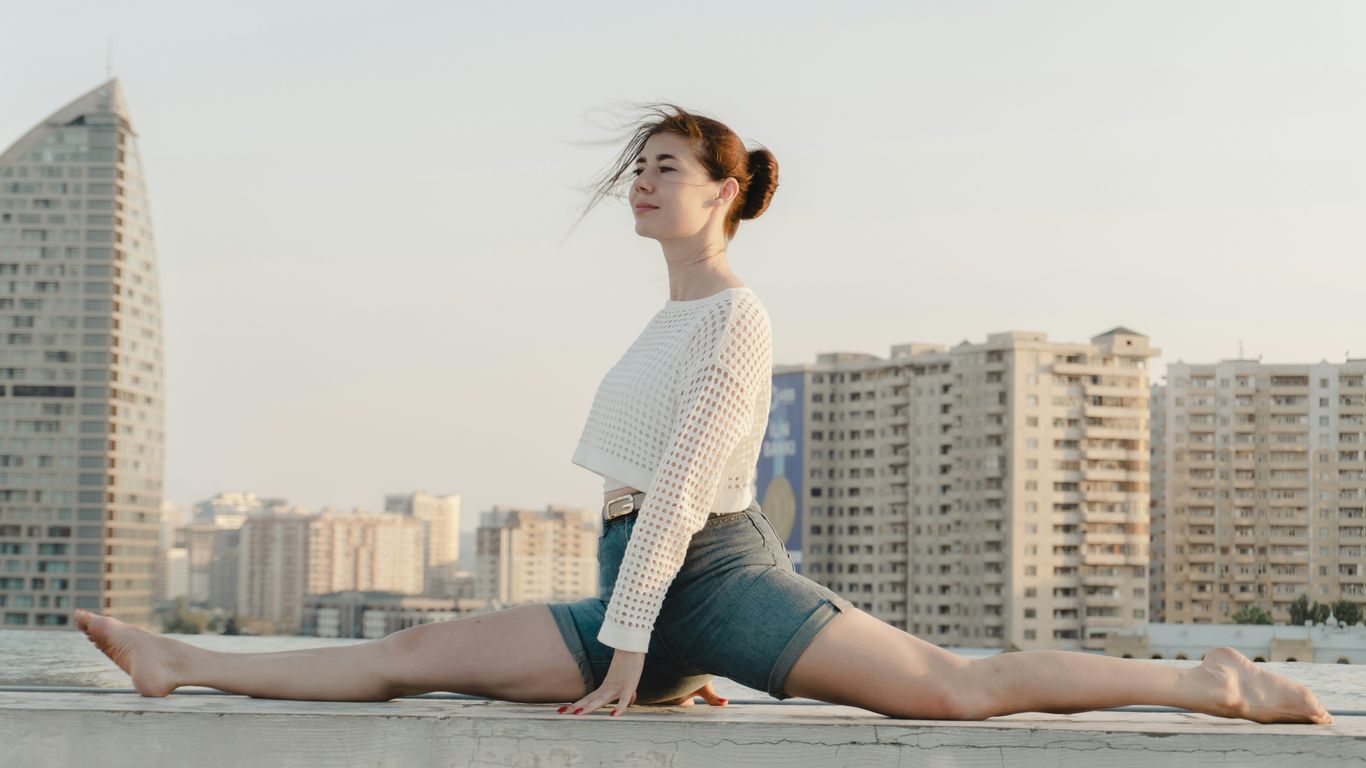
So, you're trying out Pigeon Pose, and it's just not happening. Maybe your hips feel like concrete blocks, or your knees are sending out warning signals. That's totally normal! Many people find Pigeon Pose challenging, and that's okay. The goal isn't to force yourself into a shape that causes pain. Instead, it's about listening to your body and finding ways to adapt.
Overcoming Tight Hips and Shoulders
Tight hips are probably the most common hurdle. If your hips are really stiff, trying to force the pose can lead to misalignment, especially in your lower back. Instead of pushing it, consider gentler alternatives. The runner's lunge is a great option that still works the hip flexors without the intense external rotation of the front leg. Another fantastic approach is to use props. Placing a block or folded blanket under the hip of your front leg can help level your pelvis and make the pose more accessible. For tight shoulders, which can also limit your ability to deepen the pose, focus on gentle shoulder openers in your warm-up. Think about simple arm circles or reaching your arms overhead with a strap.
Modifications for Knee Sensitivity
Knees can be tricky. If you feel any pinching or discomfort in your front knee, it's a sign to back off. Don't let your shin be parallel to the front of your mat if it hurts. Instead, bring your front heel closer to your groin. This reduces the angle at your knee and can make a big difference. Another modification is the Figure Four stretch done on your back. It gives you a similar stretch in the outer hip and glute without any direct pressure on the knee joint. It's a lifesaver for sensitive knees.
Releasing Emotional Tension from the Hips
It's often said that hips store emotional tension, and many people find that holding poses like Pigeon for longer periods, especially in a Yin style, can bring up feelings. If you're new to this, start with shorter holds, maybe just 30 seconds to a minute, and see how you feel. Gradually increase the time as you feel more comfortable. It's not about pushing through discomfort, but rather about creating a safe space for whatever arises to be acknowledged.
When you're working with limitations, remember that consistency with modifications is more beneficial than occasional, forceful attempts at the full pose. Your body will gradually open up with patient and mindful practice.
Here's a quick look at some common modifications:
- Front Knee Pain: Bring the front heel closer to the groin. Use a blanket under the front hip. Try Reclined Pigeon (Figure Four).
- Tight Hips: Use blocks or blankets under the front hip. Opt for Runner's Lunge or a less intense hip opener.
- Shoulder Stiffness: Focus on shoulder warm-ups. Use a strap to assist in binding if attempting variations.
- Lower Back Sensitivity: Keep the pelvis neutral; avoid arching the back excessively. Ensure the front shin isn't angled too sharply.
Integrating Pigeon Yoga Poses into Your Practice
So, you've been working on your Pigeon Pose, maybe even tackling some of the more involved variations. That's awesome! Now, let's talk about how to make this amazing hip opener a regular part of your yoga journey. It's not just about doing the pose; it's about weaving it into your overall practice so you get the most out of it, safely and effectively.
Pigeon Pose in a Yoga Sequence
When you're planning your yoga session, think about where Pigeon Pose fits best. Generally, it's a good idea to do it when your body is already warm and ready. This usually means it's best placed towards the latter half of your practice, after you've done some other movements that get your blood flowing. It's a fantastic way to wind down and deepen your stretches, especially after more active poses or backbends. Trying to jump straight into Pigeon when you're cold can be a recipe for strain, so warming up is key.
- Start with gentle movements: Begin with poses that warm up the hips and spine.
- Consider your practice style: In a Vinyasa flow, it might come after standing sequences. In a Hatha class, it could be a standalone pose after a series of stretches.
- Listen to your body: If you're feeling particularly stiff, spend more time on preparatory poses before moving into Pigeon.
Counter Poses for Pigeon Pose
After a deep hip stretch like Pigeon, your body might appreciate a little balance. Think about what comes next. Sometimes, a gentle twist can feel really good, helping to release any lingering tension in your spine and hips. A simple seated spinal twist or a gentle supine twist on your back can be perfect. These counter poses help bring your body back to a neutral alignment and can aid in digestion and relaxation. It's all about bringing your body back into harmony after a deep stretch.
After holding Pigeon Pose, especially if you've gone deep, your body might feel a sense of release. Following up with poses that gently bring your spine back to a more neutral position can be very beneficial. This helps to integrate the stretch and prevent any feeling of being 'too open' or unstable.
Mindful Practice and Consistency
This is where the real magic happens. Pigeon Pose, like many yoga poses, offers benefits that go beyond the physical. Many people report feeling emotional releases when they practice Pigeon Pose, as the hips are often seen as a place where we store stress and emotions. Consistent, mindful practice is key to unlocking these deeper benefits. Don't rush the pose. Use props like blocks or blankets to support yourself if needed. Focus on your breath and allow yourself to be present in the sensation. Over time, you'll notice not just increased flexibility but also a greater sense of emotional ease. Remember, the goal isn't to force yourself into a specific shape, but to explore your body's capacity with kindness and patience. For more on the benefits of hip opening, check out this guide to hip flexibility.
- Breathe deeply: Let your breath guide you in and out of the pose.
- Use props: Blocks, blankets, and bolsters can make the pose accessible and comfortable.
- Be patient: Progress takes time. Celebrate small victories and don't compare your journey to others.
Wrapping Up Your Pigeon Pose Journey
So, that's pretty much it for getting started with Eka Pada Rajakapotasana. It's a pose that really asks a lot from your hips and shoulders, and honestly, it can take a good while to feel comfortable in it. Don't get discouraged if it feels tough at first, or if you need to use props like blocks or blankets to help you out. Remember to listen to your body, breathe through any tightness, and celebrate the small wins along the way. Keep practicing, maybe try some of the gentler variations we talked about, and you'll definitely notice a difference in your flexibility and how open you feel. Happy stretching!
Frequently Asked Questions
What exactly is Pigeon Pose, and why is it called that?
Pigeon Pose, or Eka Pada Rajakapotasana in Sanskrit, is a yoga pose that deeply stretches your hips and groin. It gets its name because when you do it, your legs are positioned in a way that kind of looks like a pigeon's legs. It's a popular pose for opening up the hips and can feel really good, especially if you sit a lot.
Is Pigeon Pose safe for my knees?
Pigeon Pose can be tough on the knees if not done correctly. It's super important to protect your knee by flexing your front foot, which helps keep it stable. If you feel any sharp pain, it's best to back off or use props like blankets under your hip to keep your pelvis level. Sometimes, a gentler version like Reclined Pigeon Pose is a better choice if your knees are sensitive.
I have really tight hips. How can I start with Pigeon Pose?
If your hips feel super tight, don't worry! You can start with easier versions. Half Pigeon Pose is a great starting point. You can also use props like blocks or blankets under your hip that's lifted off the floor to make the pose more comfortable. Holding the pose for shorter periods and focusing on your breath can also help. Remember, it's about progress, not perfection!
What are the main benefits of practicing Pigeon Pose?
Pigeon Pose is awesome for opening up your hips, which can help with flexibility and reduce stiffness. It also stretches your hip flexors, groin, and even your abdomen. Many people find that it helps relieve stress and can even release emotions that get stored in the hips. Plus, it can improve your posture and circulation.
How do I know if I'm doing Pigeon Pose correctly?
The key is to keep your hips as level as possible, facing forward. If one hip is lifting way up, use a prop like a blanket or block under it for support. Your front shin doesn't have to be perfectly parallel to the front of your mat; it's more important that your knee feels okay. You should feel a good stretch in your hip and glute, but not sharp pain.
Are there any poses that I should do before or after Pigeon Pose?
It's a good idea to warm up your body before trying Pigeon Pose, maybe with some gentle movements or Sun Salutations. Poses like Downward-Facing Dog are often used to get into Pigeon. After Pigeon Pose, poses that help stretch the opposite side, like a gentle spinal twist or a low lunge, can help balance things out. It's often done later in a yoga session when your body is already warmed up.

