

Your First Steps: A Gentle Guide for the Beginner in Yoga
Thinking about trying yoga but not sure where to start? It's totally understandable. Seeing all those flexible people online can make it seem a bit much. But honestly, yoga is for everyone, and you don't need to be a contortionist to begin. This guide is here to make your first steps into yoga super simple. We'll cover the basics, suggest some easy poses, and give you tips to get going without feeling overwhelmed. Let's get you ready for your first yoga session!
Key Takeaways
- Yoga is a practice that connects your mind, body, and spirit, originating from ancient India. It's not just about the physical poses.
- Hatha yoga is a great starting point for beginners because it's slow-paced and focuses on basic poses and breathing.
- For your first yoga session, make sure you have a comfortable mat and wear clothes that let you move freely.
- Start with simple poses like Mountain Pose, Cat-Cow, and Child's Pose to build a good foundation.
- Be patient with yourself, listen to your body, and don't compare your progress to others; yoga is a personal journey.
Understanding The Fundamentals Of Yoga For Beginners
So, you're thinking about rolling out a mat and giving yoga a try? That's awesome! It can feel a little confusing at first, seeing all the different poses and hearing terms you don't recognize. But honestly, yoga is way more accessible than you might think. It's not about being able to touch your toes on day one; it's about starting a journey that connects your mind and body.
What Yoga Actually Means For A Beginner
When you hear "yoga," you might picture someone in a pretzel-like pose. While those poses, called asanas, are a big part of it, yoga is actually a much bigger picture. It's an ancient practice that's been around for thousands of years, originating in India. At its heart, yoga is about bringing together your mind, body, and spirit. For someone just starting, this means paying attention to how your body feels, how you're breathing, and just being present in the moment. It's less about perfection and more about the process. Think of it as a way to check in with yourself, both physically and mentally.
The Mind-Body Connection In Yoga
This is where yoga really shines. You know how sometimes your brain is racing, and your body feels tense? Yoga helps bridge that gap. By focusing on your breath and moving your body in intentional ways, you start to notice how your thoughts and physical sensations are linked. When you hold a pose, you might feel a stretch, but you also might notice a thought pop up. The practice is about observing these connections without getting carried away by them. It's a way to build awareness of your own internal landscape.
Hatha Yoga: A Gentle Starting Point
If you're wondering which type of yoga to try first, Hatha yoga is often recommended for beginners. Why? Because it's typically slower-paced. This gives you time to actually learn the poses and focus on your alignment, which is super important for avoiding any aches and pains later on. You'll work on basic postures and breathing exercises, building a solid foundation. It's a great way to get comfortable with the movements and start to feel what yoga is all about before you explore other styles. You can find some great beginner classes that focus on these fundamental poses.
Yoga is not just about what you can do physically; it's about how you show up on your mat each day. Be kind to yourself, and remember that every practice is a step forward, no matter how small it feels.
Preparing For Your First Yoga Session
Getting ready for your first yoga class doesn't have to be complicated. A few simple steps can make a big difference in how comfortable and confident you feel when you unroll your mat. It’s all about setting yourself up for a positive experience from the moment you walk in the door.
Choosing The Right Yoga Mat
While some studios offer mats for rent, having your own can really change your practice. Think of it as your personal space on the floor. A good mat provides that bit of cushioning your knees and wrists will appreciate, especially on harder surfaces. More importantly, it offers grip. You don't want to be sliding around when you're trying to hold a pose. Look for something that feels sturdy and has a surface that won't let your hands or feet slip, even if you get a little sweaty. It doesn't need to be the most expensive one out there, but a decent mat is a worthwhile investment for your comfort and stability. Many people find that a mat made of natural rubber or a good quality TPE material works well for beginners. You can find a wide variety of options online or at sporting goods stores. Investing in a quality yoga mat is a simple step that can significantly improve your comfort and stability during practice.
Comfortable Attire For Movement
When it comes to what to wear, think ease and freedom. You want clothes that move with you, not against you. Stretchy fabrics are your best friend here. Yoga pants or leggings are popular for a reason – they stay put and let you bend and stretch without restriction. But honestly, any comfortable workout clothes will do. A t-shirt, a sports bra, or even comfortable shorts and a tank top are perfectly fine. The main thing is to avoid anything too baggy that might get in your way or anything too tight that restricts your breathing or movement. It’s also a good idea to wear layers, especially if you’re unsure about the studio temperature. You can always peel off a layer if you get warm during practice. Comfortable workout clothes are key.
Essential Props For Support
Yoga studios often have props available, but knowing what they are and how they can help is useful. These items are designed to make poses more accessible and comfortable.
- Yoga Blocks: Usually made of foam or cork, blocks bring the floor closer to you. If you can't reach the floor in a forward fold, blocks under your hands help maintain a straight spine. They also add stability to poses like Triangle Pose.
- Yoga Strap: Think of a strap as an extension of your arms. If tight hamstrings prevent you from clasping your hands behind your feet, a strap bridges that gap. A belt or sturdy towel can work in a pinch.
- Yoga Blanket: A folded blanket offers cushioning for knees or hips, or adds a little height for seated poses. It's also great for warmth during relaxation at the end of class.
Most studios will have these props available for you to use, so don't feel pressured to buy them all before your first class. Just be aware of what they are and how they can help you. The goal with preparation isn't to create a perfect setup, but simply to remove potential distractions. When you feel physically comfortable and have the basic items you need, you can focus more on your breath and the movements, making your first experience much more enjoyable and less about worrying if you have the 'right' gear. What to bring can be simple. You don't need to be flexible or even own a yoga mat to begin practicing yoga. What you do need is self-trust and a willingness to explore. The practice is accessible to everyone, regardless of their current physical condition. Focus on your inner experience and let go of external expectations. Preparing for your first yoga class is about setting yourself up for a positive experience.
Your First Five Foundational Yoga Poses
Starting out in yoga can feel a bit overwhelming with all the different poses, right? But don't worry, there are some really solid poses that are perfect for getting your feet wet. These aren't just random stretches; they're designed to teach you how to stand tall, move your spine, and find a moment of peace. Focusing on these foundational shapes will build a great base for everything else you'll learn. These positions of yoga build your foundation. Each one teaches essential skills you'll use forever.
Mountain Pose: Discovering Your Body
Mountain Pose, or Tadasana, might seem like you're just standing there, but it's actually quite active. It's all about finding your center and learning to stand with good posture. Think about grounding your feet into the mat, engaging your leg muscles, and letting your arms hang loosely by your sides. It's the starting point for so many other standing poses, so getting this right makes a big difference. This posture teaches proper alignment, and every standing pose starts here.
- Stand with your feet either touching or hip-width apart.
- Gently draw your kneecaps up.
- Lengthen your tailbone towards the floor.
- Soften your shoulders away from your ears.
Cat-Cow Pose: Spinal Mobilization
These two poses are usually done together and are fantastic for warming up your spine. They help you connect your breath with movement, which is a big part of yoga. You'll be on your hands and knees for this one. This pose can help relieve tension in your low, middle, and upper back, as well as improve posture. It helps increase mobility, especially for people experiencing muscle and joint stiffness.
- Cat Pose (Marjaryasana): As you exhale, round your spine up towards the ceiling, tucking your chin slightly. Imagine you're a cat stretching its back.
- Cow Pose (Bitilasana): As you inhale, drop your belly towards the mat, lift your chest and tailbone, and look slightly forward. This is like a gentle arch.
Move slowly with your breath, repeating the flow 5 to 10 times. This mobilizes every vertebra and teaches breath-movement coordination.
Child's Pose: A Resting Sanctuary
This is your reset button. It teaches you that rest is part of the practice and gently stretches your hips and back. It's a pose that's always available when you need a break.
- Kneel with big toes touching.
- Sit hips toward heels.
- Fold forward, arms extended or alongside your body.
- Rest your forehead on the mat (or a block if needed).
If your knees feel tight, place a folded blanket behind them. If your forehead doesn't reach the mat, use a block or stacked fists. Feeling a bit dizzy? Turn your head to one side. This pose is a great way to find a moment of quiet during your practice. You can find more beginner-friendly poses in this guide.
Remember, the goal isn't to look a certain way, but to feel how your body moves and responds. Be patient with yourself as you learn these new shapes and sensations.
Practicing Safely As A Beginner In Yoga
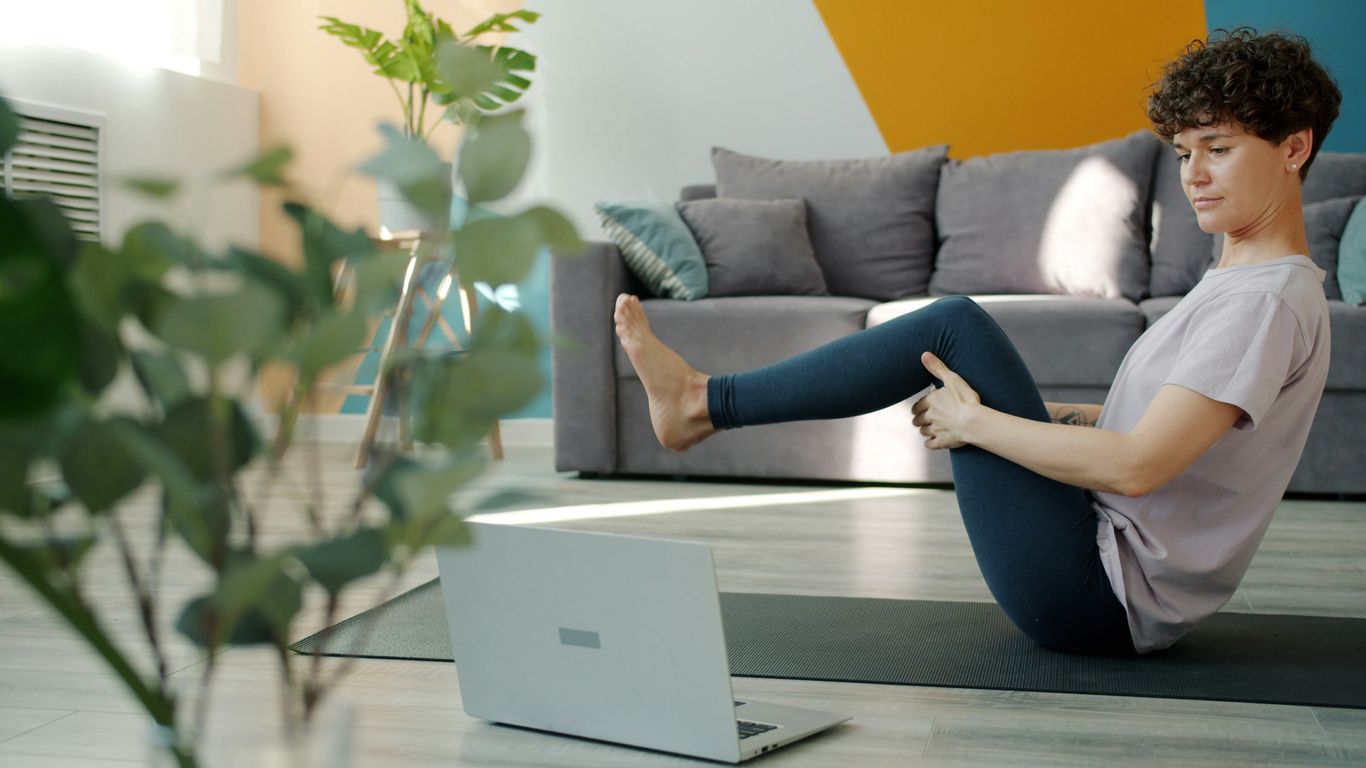
Alright, so you've got your mat, you're feeling a bit more confident about the poses, but what about actually staying safe while you're doing it? This is super important, and honestly, it's not as complicated as it might seem. The biggest thing is to remember that yoga isn't a competition. It's about what feels right in your body, not what the person next to you is doing.
Listening To Your Body's Signals
This is probably the most critical piece of advice. Your body talks to you all the time, but we often ignore it. In yoga, you really need to tune in. Think of pain as a stop sign. If something feels sharp, or like a strain, that's your cue to ease up. It doesn't mean you're failing; it just means you need to adjust. Maybe you need to back off a bit in a pose, or perhaps use a prop to support yourself. Never push through a sharp pain. A little muscle fatigue or a feeling of stretch is usually fine, but anything more intense is a signal to pay attention.
Avoiding Common Beginner Mistakes
Lots of beginners run into the same little hiccups. One big one is trying to do too much too soon. You see those amazing poses online, but they take time and consistent practice to get to. Jumping into advanced classes or trying to force yourself into a pose you're not ready for is a fast track to injury. Another common mistake is locking your joints, especially your knees. When your knees are locked, the force goes into your ligaments instead of your muscles, which isn't good. Also, holding your breath! It's easy to do when you're concentrating, but breathing is key to relaxing and moving safely. Try to keep your breath flowing smoothly.
Here are a few more things to watch out for:
- Skipping the warm-up: Just like with any physical activity, warming up your muscles makes them more pliable and less prone to injury. Think of it like trying to stretch cold rubber bands – they're more likely to snap.
- Comparing yourself to others: Seriously, don't do it. Everyone's body is different, and they've likely been practicing for different lengths of time. Focus on your own journey.
- Ignoring props: Blocks, straps, and blankets aren't cheating! They're tools that help you get into poses safely and effectively, especially when you're starting out. They help you find the right alignment without straining.
The goal is to build a practice that feels good and sustainable for you. It's about progress, not perfection. If a pose feels wrong, modify it or skip it. There's always another day to try it again.
The Role Of Qualified Instructors
Finding a good teacher can make a world of difference, especially when you're new. A qualified instructor knows how to guide you through poses, explain modifications, and spot when you might be doing something that could lead to injury. They can offer alternatives that work for your body. Don't be afraid to ask questions! A supportive teacher will make you feel comfortable and safe, not judged. They can help you understand how to practice yoga more safely by focusing on proper form and listening to your body's signals. Some teachers might even challenge conventional wisdom about safety, encouraging a more personalized approach to your practice [fbc8].
Cultivating A Consistent Yoga Practice
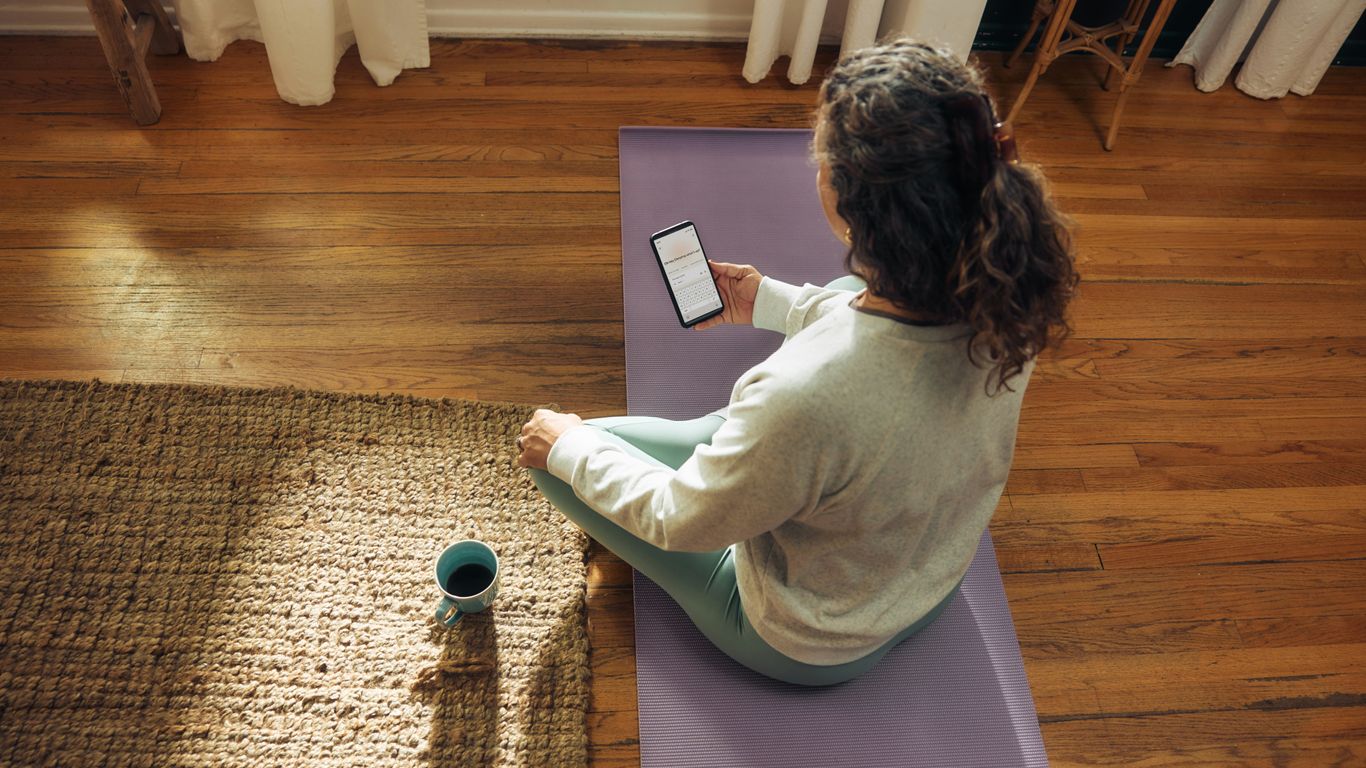
So, you've dipped your toes into yoga, maybe tried a few poses, and felt that initial spark. That's fantastic! But here's the real deal: to truly feel the benefits yoga offers, it's about showing up regularly. It's not a one-and-done kind of thing. Think of it like learning to play an instrument; you wouldn't expect to be a virtuoso after one lesson, right? Yoga is similar. Making it a habit is where the transformation really starts to happen. It's about building a rhythm that fits your life.
The Importance Of Patience And Repetition
When you're starting out, it's easy to get caught up in how a pose looks or if you can do it as well as someone else. But here's a secret: your yoga journey is uniquely yours. Don't compare yourself to others. Focus on how your body feels and what you're learning about yourself with each movement. Progress isn't always a straight line upwards. Some days your body will feel open and ready, other days it might feel a bit stiff. That's completely normal. Be patient with yourself. Repetition is how your muscles learn and your mind becomes more focused. Showing up, even for a short session, builds that connection and awareness over time.
Gradually Increasing Difficulty
Once you've found a comfortable routine, you might start wondering how to keep things interesting and continue growing. It's a natural next step. You can start by simply adding a few more minutes to your sessions or trying a pose you found a little challenging before. Here’s a general idea of how you might progress:
| Frequency per Week | Session Length | What to Expect |
|---|---|---|
| 1-2 times | 20-30 minutes | Basic body awareness, gentle introduction |
| 3-4 times | 30-45 minutes | Noticeable improvements in flexibility and stress reduction |
| 5+ times | 45+ minutes | Deeper strength, increased mental clarity |
Remember, this is just a guide. The most important thing is to listen to your body. If a pose feels too much, back off. If you're feeling good, you might explore a slightly deeper variation. It’s all about finding that sweet spot where you feel challenged but not strained. You can find resources to help you start a consistent yoga practice that guides you through these steps.
Exploring Different Teachers And Styles
As you become more comfortable, you might feel curious about what else is out there. Yoga isn't just one thing; it's a vast landscape with many different paths. Trying different teachers can bring new perspectives and ways of explaining poses that might click with you. Similarly, exploring different styles, like Vinyasa for a more flowing practice or Yin for deep stretching, can offer new experiences and benefits. Don't be afraid to step outside your comfort zone a little. You might discover a style or a teacher that really speaks to you and helps you deepen your connection to your practice. It's all part of the adventure of yoga.
Yoga is a practice, not a performance. The goal isn't to achieve perfect poses, but to connect with your body and breath. Every session, no matter how short or simple, contributes to your overall well-being. Celebrate the small victories and trust the process.
Embracing The Full Spectrum Of Yoga
So, you've got the basics down, you're showing up to your mat, and you're starting to feel a little more comfortable. That's fantastic! But how do you really get the most out of your yoga practice? It's not just about the poses, you know. There's a whole lot more going on here.
Incorporating Breathwork Into Your Practice
Breathing is a huge part of yoga, often called 'pranayama'. It's not just about taking in air; it's about directing that energy. When you're moving through poses, try to sync your breath with your movements. For example, inhale as you lift your arms, and exhale as you fold forward. This connection helps calm your nervous system and makes the physical practice feel more fluid. Paying attention to your breath is your anchor to the present moment. It's a simple yet powerful tool that can transform your entire experience on the mat.
Beyond The Poses: Mental And Spiritual Aspects
Yoga isn't just about stretching and getting stronger, though those are great benefits. It's also a way to quiet your mind and connect with yourself on a deeper level. Think of it as a moving meditation. When you're focusing on your breath and how your body feels in a pose, you're naturally letting go of all the other stuff buzzing around in your head. This can be a real game-changer for stress. The practice of yoga encourages a mindful presence, where attention is directed inward. This focus helps to cultivate a sense of calm and clarity, extending beyond the mat into daily life. It's about finding stillness within movement.
It's so easy to look around the room (or at your screen if you're doing online classes) and see someone else in a pose you can't even dream of getting into. Remember, everyone's body is different, and everyone's yoga journey is unique. Your practice is about your progress, not about matching someone else's flexibility or strength. Focus on how you feel and what you are learning about your own body. It's a personal path, and comparing yourself just adds unnecessary pressure. You might find that exploring different styles, like Hatha yoga, helps you appreciate the variety of approaches available.
Yoga is a journey, not a destination, and everyone starts somewhere. It's about how you approach the practice itself. Mindfulness, non-judgment, consistency, and breath awareness are key ideas to keep in mind. These principles help you accept where you are without comparing yourself to others, and regular practice, even short sessions, yields better results than infrequent long ones.
Your Yoga Journey Begins Now
So, that's the lowdown on getting started with yoga. It might seem like a lot at first, but remember, everyone starts somewhere. You don't need to be super flexible or know all the fancy poses right away. Just showing up, breathing, and moving your body is the main thing. Keep practicing, be patient with yourself, and don't be afraid to try different classes or poses. Yoga is a journey, not a race, and the benefits, both for your body and your mind, are totally worth it. Go ahead, unroll that mat, and see where it takes you.
Frequently Asked Questions
Do I need to be super flexible to start yoga?
Not at all! Yoga is actually a great way to *become* more flexible. Think of it like this: you don't need to be a great swimmer to get in a pool, right? Yoga helps your body open up gently over time. Everyone begins somewhere, and it's perfectly okay if you can't touch your toes on day one.
What kind of clothes should I wear for my first yoga class?
Comfort is key! You'll want clothes that let you move freely without feeling tight or restrictive. Think stretchy pants or leggings and a comfortable top. Avoid anything too baggy that might get in your way or anything with zippers or buttons that could be uncomfortable when you're on the mat. Breathable fabrics are a good choice too.
How often should a beginner practice yoga?
Consistency is more important than intensity when you're starting out. Aiming for 2 to 3 times a week is a great goal. Even short, regular sessions will help your body get used to the movements, build strength, and improve your flexibility much faster than practicing intensely just once in a while.
Do I need to buy special equipment before my first class?
The most important item is a yoga mat. It gives you cushioning and grip. Many studios offer mats to borrow or rent, but having your own can make you feel more comfortable. Props like blocks or straps can be helpful, but you can often use books or a belt from home when you're just beginning. Don't let a lack of gear stop you from starting!
Is yoga safe for me if I have an injury or health issue?
Yoga is generally safe and beneficial for most people, but it's always wise to check with your doctor before starting, especially if you have any health concerns or past injuries. The most important rule in yoga is to listen to your body. If something feels painful, stop or modify the pose. A good instructor will guide you on how to do this safely.
What are some easy poses I can try when I'm just starting?
Great beginner poses include Mountain Pose (standing tall), Cat-Cow (gentle spine movement on hands and knees), Child's Pose (a resting pose), and Downward-Facing Dog (a gentle stretch). These poses help you learn basic body awareness and how to connect with your breath. They're a fantastic way to build a solid foundation.


